Sometimes, a familiar story gets a new coat of paint that makes you fall in love all over again. That's exactly how it felt back in November 1999 when ABC's revitalized "The Wonderful World of Disney" premiered its take on Annie. Many of us grew up with the 1982 John Huston film adaptation – a big, sprawling, sometimes melancholic cinematic event. This new version, directed by a then relatively unknown theatre choreographer named Rob Marshall, felt different: brighter, tighter, bursting with stage-worthy energy, yet retaining that essential, heart-tugging optimism. It landed like a perfectly timed dose of sunshine right before the turn of the millennium, proving that the little orphan redhead's story still had plenty of sparkle left.
### A Brighter Tomorrow, Via Television
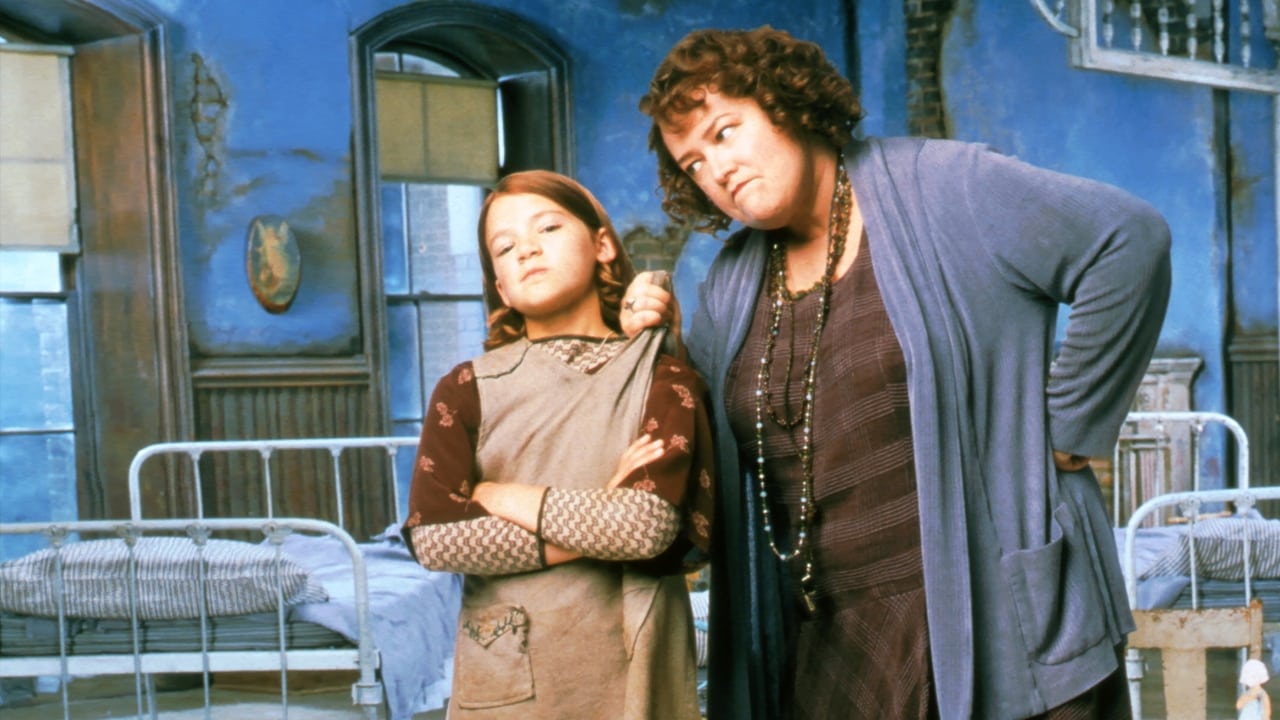
From the opening chords, this Annie establishes a distinct personality. While still set firmly in the Depression era – visualized through detailed, yet somehow less gritty, production design than its predecessor – there's an infectious buoyancy here. Marshall, drawing deeply from his Broadway background (this was years before he’d helm the Oscar-winning Chicago (2002)), stages the musical numbers with theatrical flair and precision. The camera moves with the dancers, capturing the energy in a way that feels both intimate and grand, a perfect fit for the television screen. Remember gathering around for those Sunday night Disney movies? This one felt like a genuine event, a lavish production that wouldn't have felt out of place on a cinema screen, despite being made for TV. The script, adapted by Irene Mecchi (who co-penned Disney's The Lion King (1994)) and original musical book writer Thomas Meehan, feels streamlined and focused, keeping the emotional core firmly in sight.
### A Cast That Truly Shines
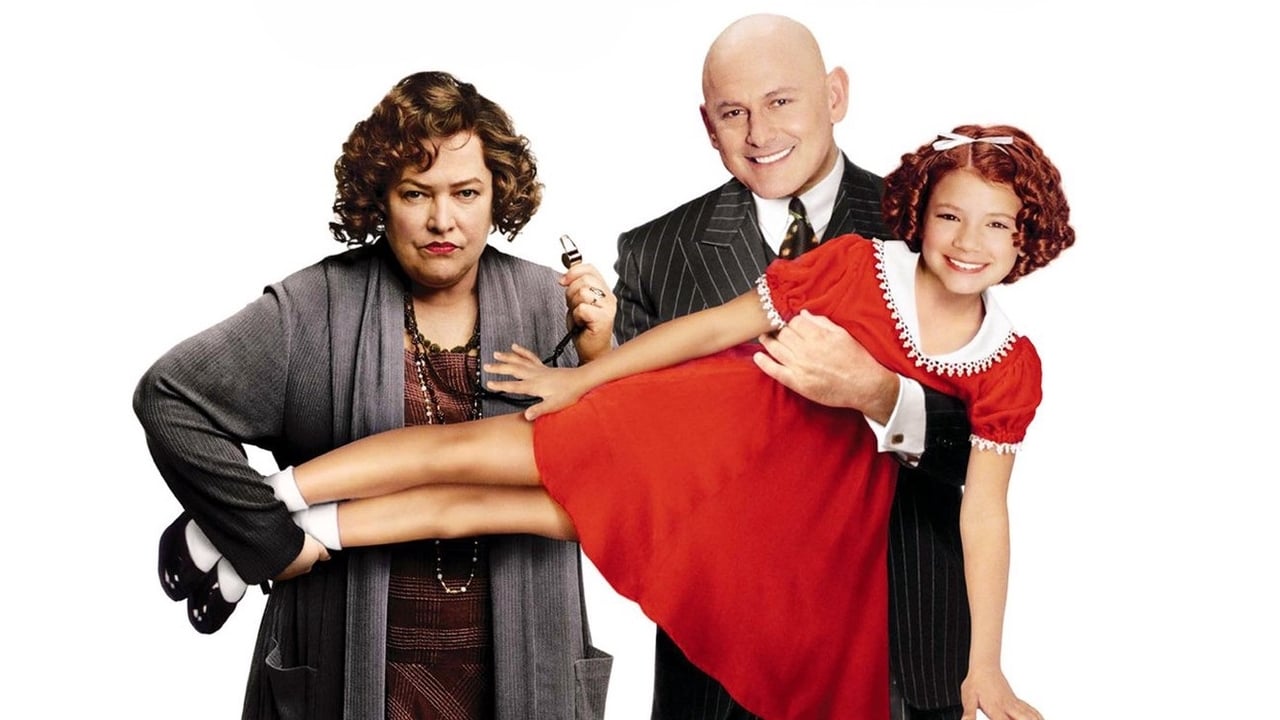
Where this version arguably surpasses memories of the '82 film for many is in its spectacular cast. Alicia Morton, making her debut, embodies Annie's unwavering hope and resilience with a natural charm and a genuinely powerful voice. She feels less like a caricature and more like a real kid navigating extraordinary circumstances. But oh, the adults surrounding her! Kathy Bates as Miss Hannigan is a revelation. Shedding some of the cartoonish villainy often associated with the role (sorry, Carol Burnett!), Bates delivers a performance simmering with world-weary resentment and hilarious desperation. Her Hannigan feels grounded, funnier in a darker, more pathetic way, earning her Emmy and Golden Globe nominations. You almost feel sorry for her... almost.
Then there's Victor Garber as Oliver Warbucks. Where Albert Finney in '82 was gruff turning soft, Garber brings an inherent warmth and sophistication beneath the stern billionaire exterior. His chemistry with Morton feels genuinely paternal, making their connection the emotional anchor of the film. And the supporting players? Pure dynamite. Audra McDonald is luminous perfection as Grace Farrell, bringing warmth and stunning vocals. And let's talk about the scene-stealing villains: Alan Cumming (just a few years after his iconic Emcee in Cabaret on Broadway) and Kristin Chenoweth (pre-Wicked fame) are an absolute riot as Rooster Hannigan and Lily St. Regis. Their rendition of "Easy Street" is pure, delicious, vaudevillian slime, showcasing Marshall's knack for dynamic staging. It’s a number that practically leaps off the screen with infectious energy.
### Retro Fun Facts: Behind the Sunshine
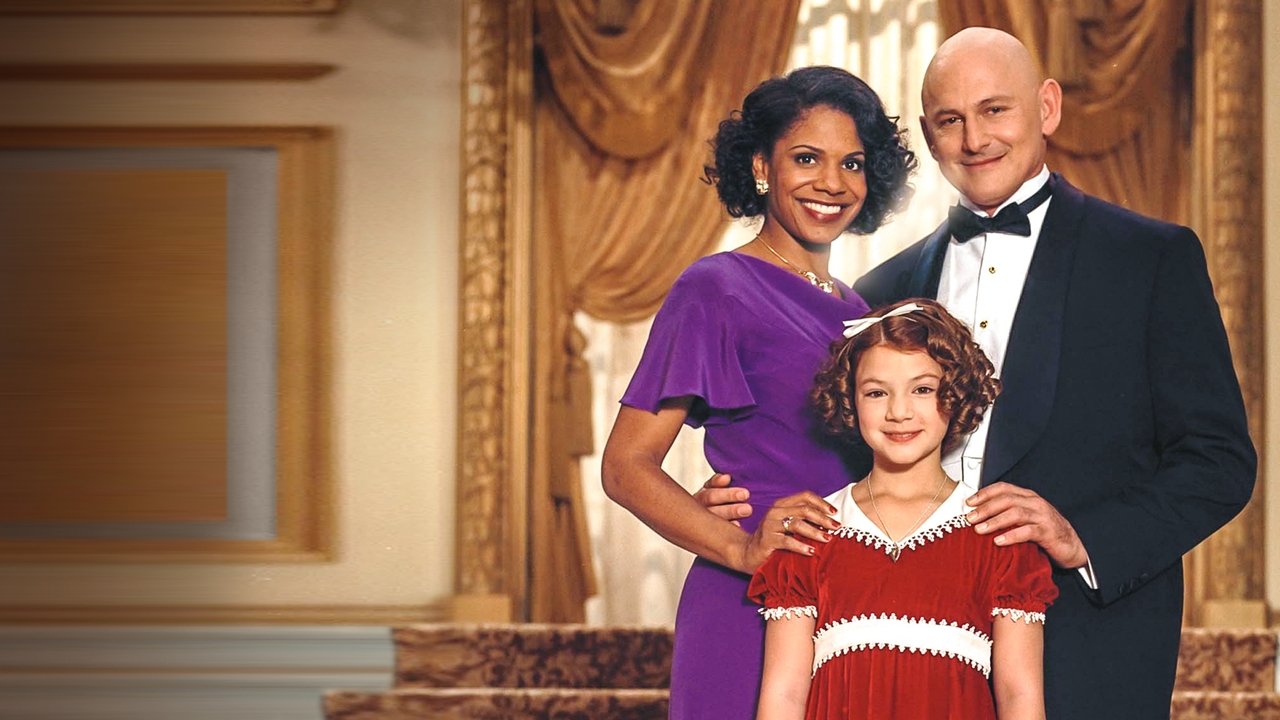
This Annie wasn't just another TV movie; it was a statement piece for Disney's revived anthology series, reportedly costing around $25-30 million – a hefty sum for television back then. Filmed primarily on location in North Carolina and at the California State Capitol building for Warbucks' mansion interiors, the production values were top-notch. Rob Marshall meticulously choreographed every number, bringing a level of polish often missing from TV musicals. Interestingly, while based on the stage show, this version incorporates "N.Y.C." from the 1982 film, blending elements from previous iterations. It was a ratings smash for ABC, proving there was a huge audience hungry for well-produced family musicals. For many involved, it was a significant stepping stone: Marshall launched his film directing career, and Chenoweth gained wider visibility before conquering Broadway.
### Still Worth Believing In
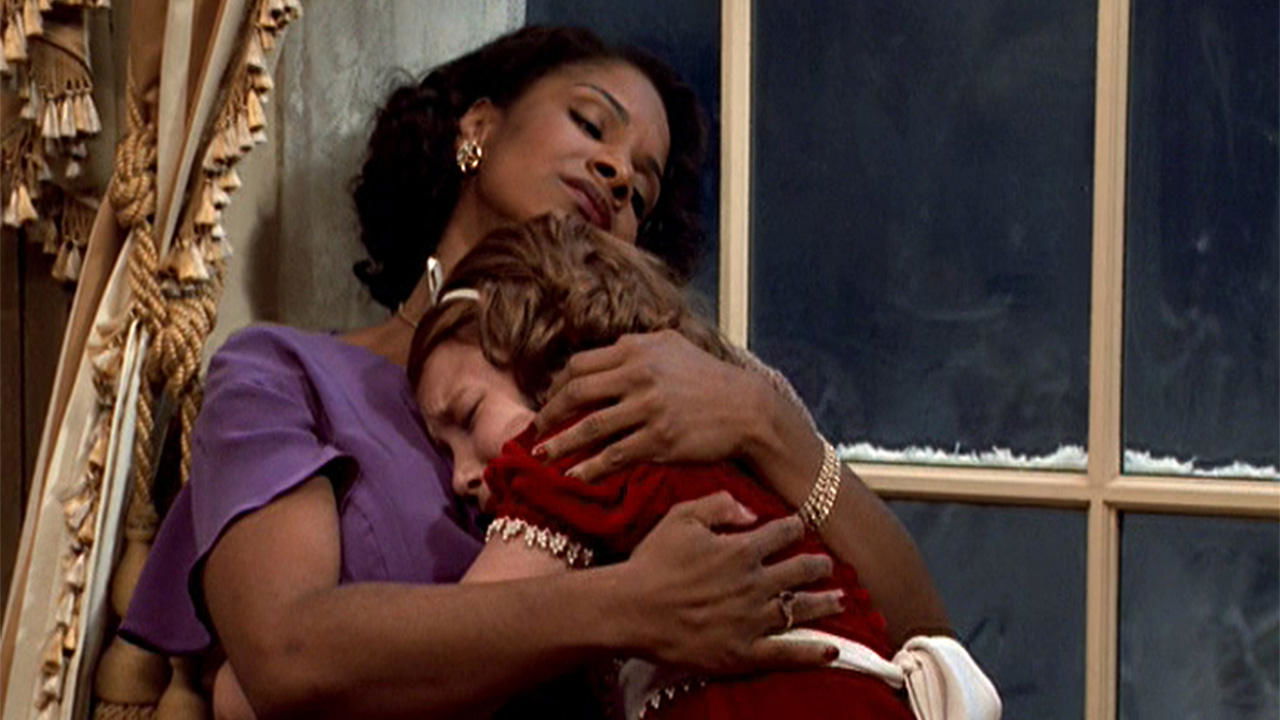
Compared to the 1982 film, this version feels less like an epic and more like a perfectly crafted jewel box. It trades some of the earlier film's scope and occasional melancholy for sheer energy, tighter pacing, and arguably stronger, more musically adept performances across the board. It doesn't replace the Huston version in our collective memory – they offer different experiences – but it stands proudly on its own considerable merits. It captured that specific late-90s optimism, a feeling that maybe, just maybe, the sun really would come out tomorrow. Watching it again now, perhaps on a well-worn DVD instead of a recorded VHS tape, that feeling remains remarkably potent. It's a testament to the timeless story, Charles Strouse and Martin Charnin's indelible score, and the magic this particular cast and crew brought to the screen.
Rating: 9/10
This Disney TV adaptation is practically perfect in every way for what it sets out to be. With stellar performances (especially Bates and Garber), vibrant direction by Rob Marshall, and infectious energy, it’s a joyous, heartwarming take on a classic that might just be the definitive screen version for many. It proves that sometimes, a remake can find its own glorious sunshine. It certainly brightened up our Sunday nights back then, didn't it?