Ahoy there, fellow travelers of the magnetic tape seas! Some films feel less like passive viewing experiences and more like invitations – bright, chaotic, glorious invitations to jump right into the screen. And few extended such a hand with quite the furry, felt-covered enthusiasm as 1996’s Muppet Treasure Island. Forget dusty, serious adaptations; this was Robert Louis Stevenson’s classic yarn thrown into a glorious Muppet blender, seasoned with sea shanties, surreal humor, and one absolutely unforgettable human performance. It landed on our rental shelves like a cannonball splash, promising adventure with a distinctly anarchic, googly-eyed twist.

Directed by Brian Henson, stepping admirably into the massive shoes left by his father Jim, the film wisely doesn't try to just replicate the Muppet magic of old but carves out its own vibrant niche. This wasn't the gentle melancholy of The Muppet Christmas Carol (1992), its direct predecessor. No, this was a full-throated, energetic sea-faring romp, brimming with visual gags, fourth-wall breaks, and that specific brand of delightful absurdity only the Muppets can deliver. The script, penned by Muppet veteran Jerry Juhl alongside Kirk R. Thatcher and James V. Hart, understands the assignment perfectly: honor the core story beats of Treasure Island while letting the Muppets run gloriously wild within its framework.
### Cabin Fever? More Like Muppet Fever!
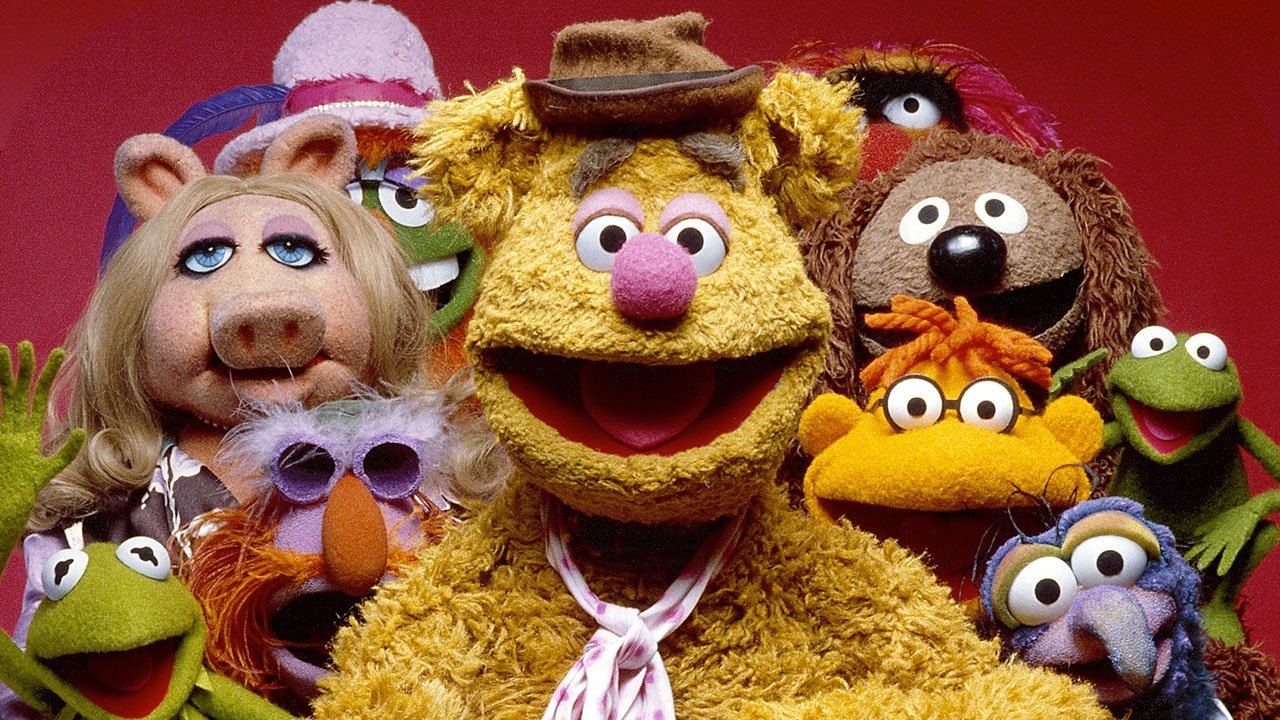
The casting of the Muppets themselves is, as ever, a stroke of genius. Kermit the Frog as the stalwart Captain Smollett, radiating reluctant authority? Perfect. Fozzie Bear as the slightly dim-witted Squire Trelawney (whose inherited fortune comes from a rich uncle who sat on him)? Inspired. And then there’s the inspired lunacy of casting Gonzo and Rizzo the Rat essentially as themselves – a wisecracking Greek chorus tagging along with young Jim Hawkins, played with wide-eyed earnestness by a very young Kevin Bishop. Their meta-commentary ("He died? And this is supposed to be a kids' movie?") remains hilariously sharp even today. The way Dave Goelz (the puppeteer behind Gonzo, Bunsen Honeydew, Waldorf, and others) and the rest of the incredible Muppet performers bring these characters to life, even amidst complex sets and action sequences, is a testament to their enduring skill.
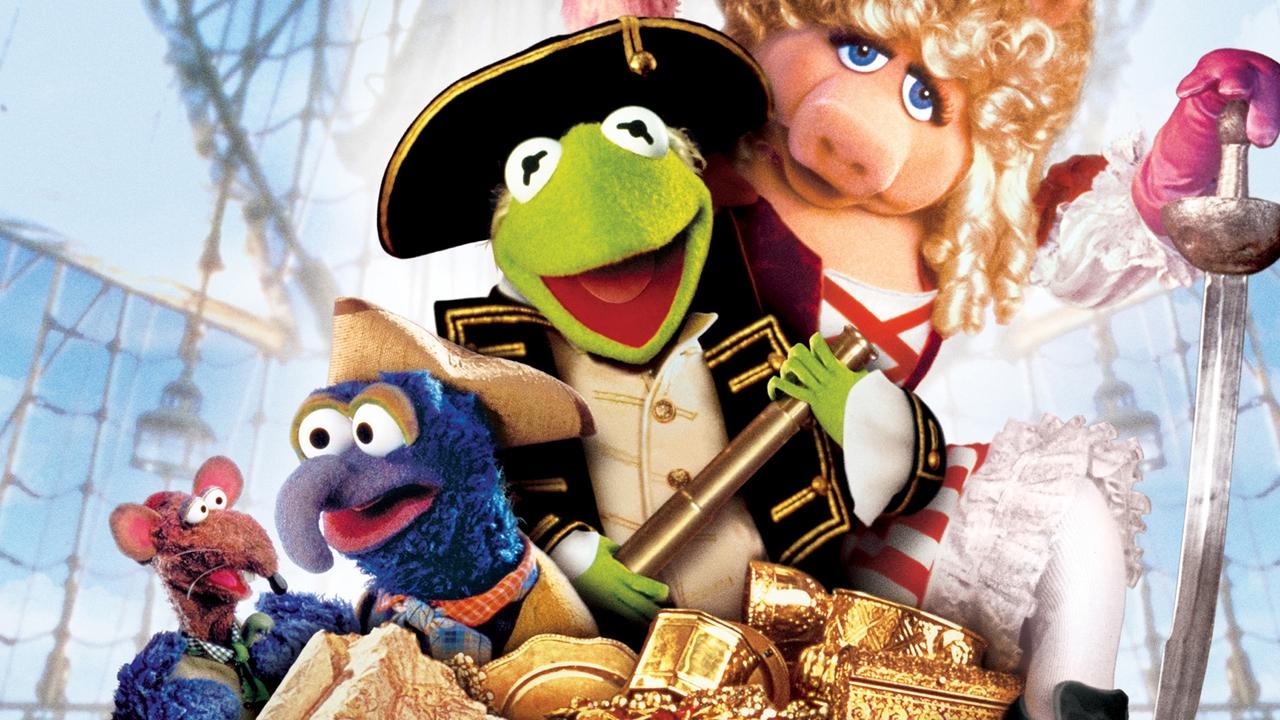
But let's be honest. While the Muppets are the heart and soul, the anchor holding this magnificent ship together is Tim Curry's barnstorming performance as Long John Silver. Forget any previous portrayals; Curry devours the role, serving up a charismatic, cunning, delightfully menacing pirate who seems to be having the absolute time of his life. Apparently, Curry actively lobbied for the part, and his relish is palpable in every scene. He sings, he schemes, he delivers lines like "I've got cabin fever!" with theatrical flair that borders on sublime madness, and crucially, he interacts with his felt co-stars as if they were the most natural scene partners in the world. It’s a performance that elevates the entire film, a masterclass in commanding the screen while embracing the inherent silliness of it all. Finding that balance is tricky, but Curry nails it, giving us arguably one of the most memorable live-action performances in any Muppet production.
### Shiver Me Timbers and Show Tunes!
The production itself feels wonderfully tangible, a hallmark of that late practical-effects era. The Hispaniola looks like a proper vessel, the jungle island feels lush and mysterious, and the attention to detail in the costumes and sets grounds the Muppet mayhem in a believable (well, Muppet-believable) world. Filmed largely at Shepperton Studios in the UK, the scale feels genuinely ambitious for a Muppet film. Remember those intricate miniature shots blended with full-scale action? Pure 90s movie magic. Sure, some of the early digital compositing might look a tad dated now, perhaps betraying its $31 million budget (which it eventually recouped with a $34.3 million box office haul), but the overall commitment to practical craft shines through.
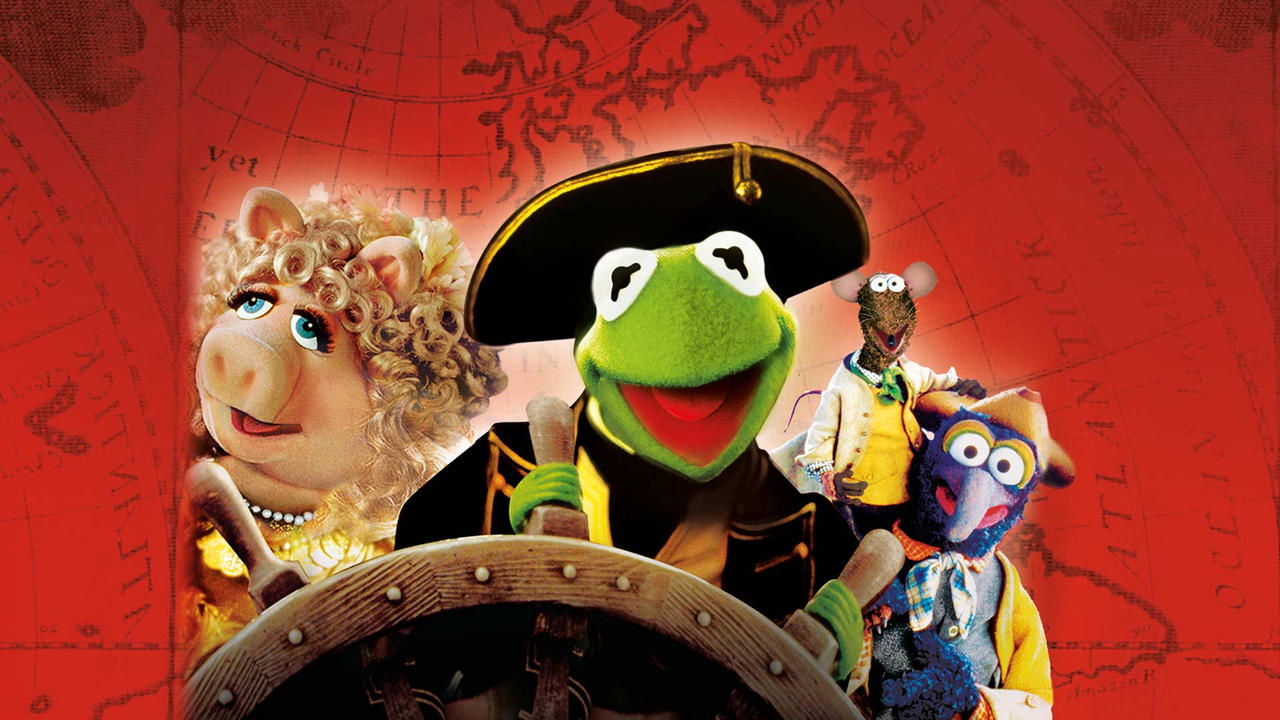
And the songs! Oh, the songs. Crafted by the legendary songwriting duo Barry Mann and Cynthia Weil (responsible for classics like "You've Lost That Lovin' Feelin'"), the soundtrack is packed with earworms. From the rousing opening number "Shiver My Timbers" to the ridiculously catchy "Cabin Fever" and Long John's villainous ode "Professional Pirate," the music is an integral part of the film's infectious energy. These aren't just tacked-on tunes; they drive the plot, reveal character, and are often staged with impressive Muppet choreography. I distinctly remember the "Cabin Fever" sequence being rewound countless times on my family's VCR – the sheer visual chaos was mesmerizing.
### A True Treasure on Tape
While perhaps not reaching the emotional depths of The Muppet Christmas Carol or the groundbreaking originality of The Muppet Movie (1979), Muppet Treasure Island succeeds brilliantly on its own terms. It’s a film bursting with joy, adventure, and genuine laughs. It respects the source material enough to keep the narrative drive intact but isn't afraid to inject pure Muppet anarchy whenever possible (Polly Lobster, anyone?). The blend of human actors and puppets feels seamless, largely thanks to Curry's committed performance and Henson's assured direction. It captured that specific mid-90s moment where family films could still feel big, adventurous, and wonderfully weird. It sits comfortably on IMDb with a 7.0/10 and holds a respectable 71% on Rotten Tomatoes, reflecting its enduring appeal.

Rating: 8/10
This score reflects the film's sheer entertainment value, Tim Curry's iconic performance, the fantastic songs, and the skillful blend of classic literature with Muppet mayhem. It might lack the absolute top-tier status of some other Muppet entries for some, but it delivers pure, unadulterated fun with impressive craft and memorable moments. It’s a perfect example of how to adapt a classic with creativity and heart.
For anyone whose VHS copy wore thin from repeated viewings, or for those discovering its charms anew, Muppet Treasure Island remains a joyous voyage worth taking. It’s proof that sometimes, the best treasures are the ones covered in felt and prone to bursting into song. Dead Tom couldn't have asked for a better legacy, could he?