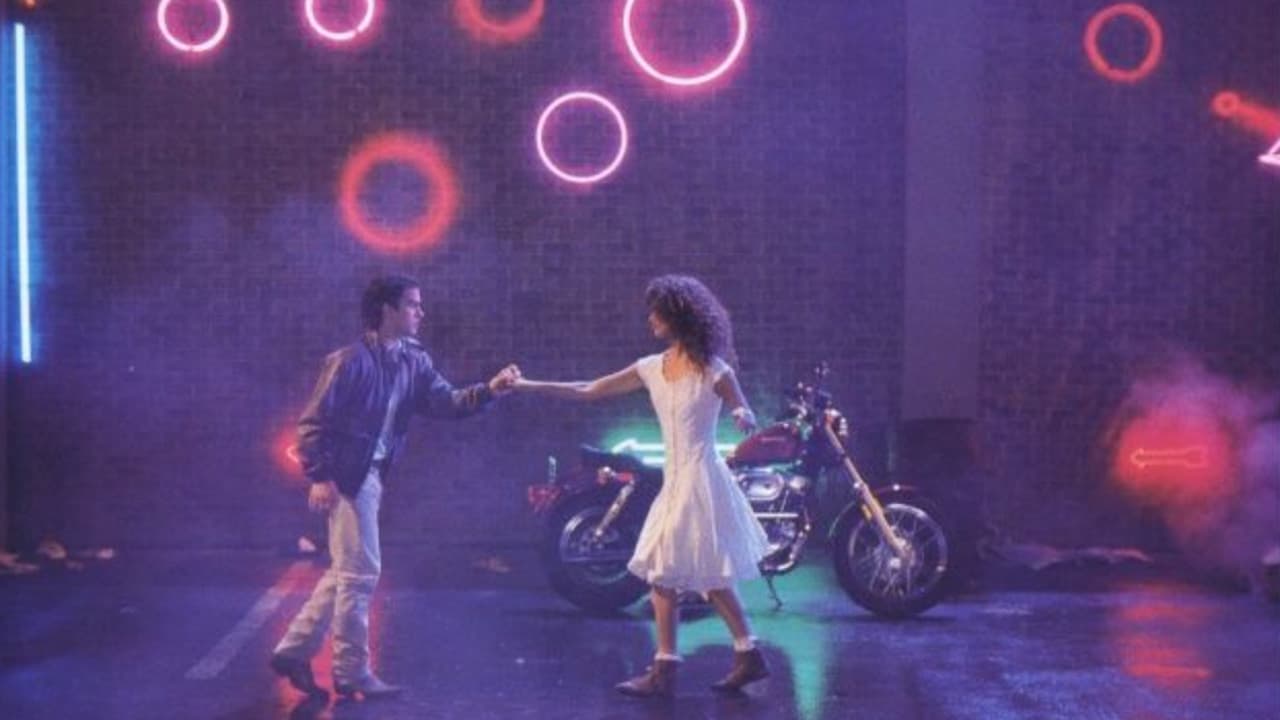
Ah, the late 80s dance movie craze. Hot on the heels of Dirty Dancing's seismic success in 1987, studios scrambled to capture that lightning in a bottle again. Enter Cannon Films, never shy about jumping on a trend, who decided the world desperately needed a story about… well, salsa dancing! The result was 1988's Salsa, a film that practically bursts off the screen with neon energy, questionable fashion choices, and a pulsating Latin beat. It might not have reached the iconic heights of Baby and Johnny Castle, but watching it today feels like unearthing a time capsule filled with pure, unadulterated late-80s ambition.
Rhythm is Gonna Get You (Maybe?)
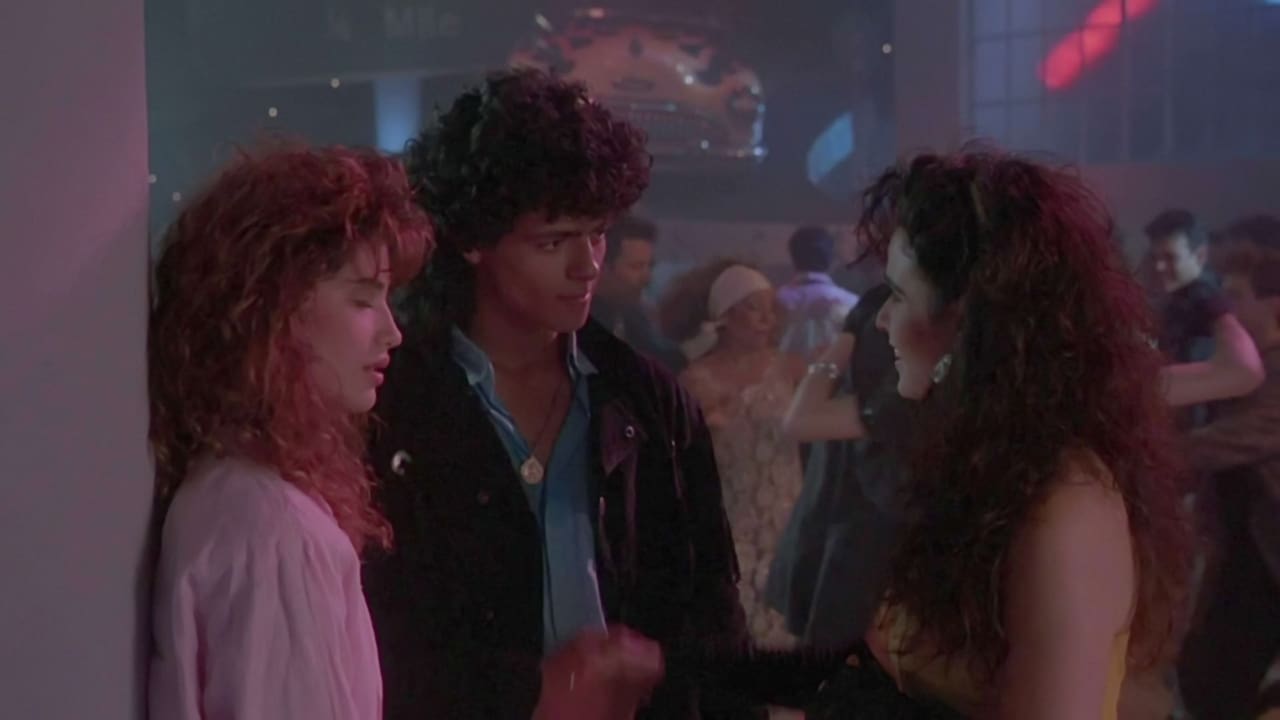
Directed by Boaz Davidson, a filmmaker already familiar to Cannon audiences through films like The Last American Virgin (1982), Salsa throws us headfirst into the vibrant, competitive world of East Los Angeles salsa clubs. Our hero is Rico (played by former Menudo heartthrob Robby Rosa, later known as Draco Rosa), a talented mechanic by day and an aspiring "King of Salsa" by night. He dreams of winning the big contest at the legendary La Luna club, convinced it's his ticket to fame, fortune, and maybe even the affections of the club owner's daughter, Vicki (played by Angela Alvarado – oops, correction needed based on provided info: Magali Alvarado).
The plot, penned by Davidson alongside Tomás Benítez and Shepard Goldman, is fairly standard dance movie fare: Rico faces obstacles, juggles romantic entanglements (there's also his loyal girlfriend Lola, played by Miranda Garrison, who was actually an assistant choreographer on Dirty Dancing!), and deals with his party-loving best friend Ken (Rodney Harvey). It’s a familiar structure, serving mostly as a framework to hang numerous, energetic dance sequences upon. And let's be honest, that’s what we were really here for, wasn't it?
Sweat, Sequins, and Star Power
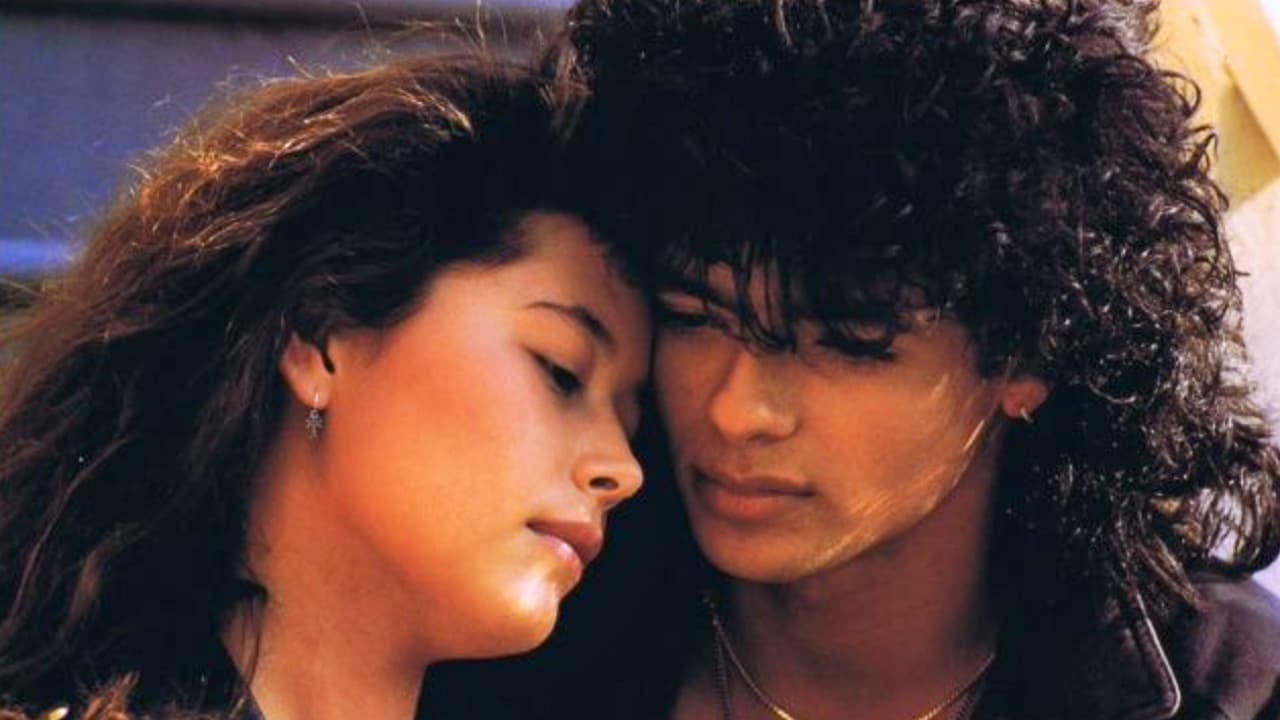
Robby Rosa certainly brings the charisma and the moves. Fresh off his massive fame with Menudo, he throws himself into the role with palpable energy. While his dramatic acting might not have set the world on fire, his screen presence during the dance numbers is undeniable. You absolutely believe this guy lives and breathes salsa. It’s fascinating to see him here, on the cusp of reinventing himself musically into the respected artist Draco Rosa. Supporting players like Rodney Harvey bring a certain streetwise charm, though the characterizations rarely stray beyond familiar archetypes.
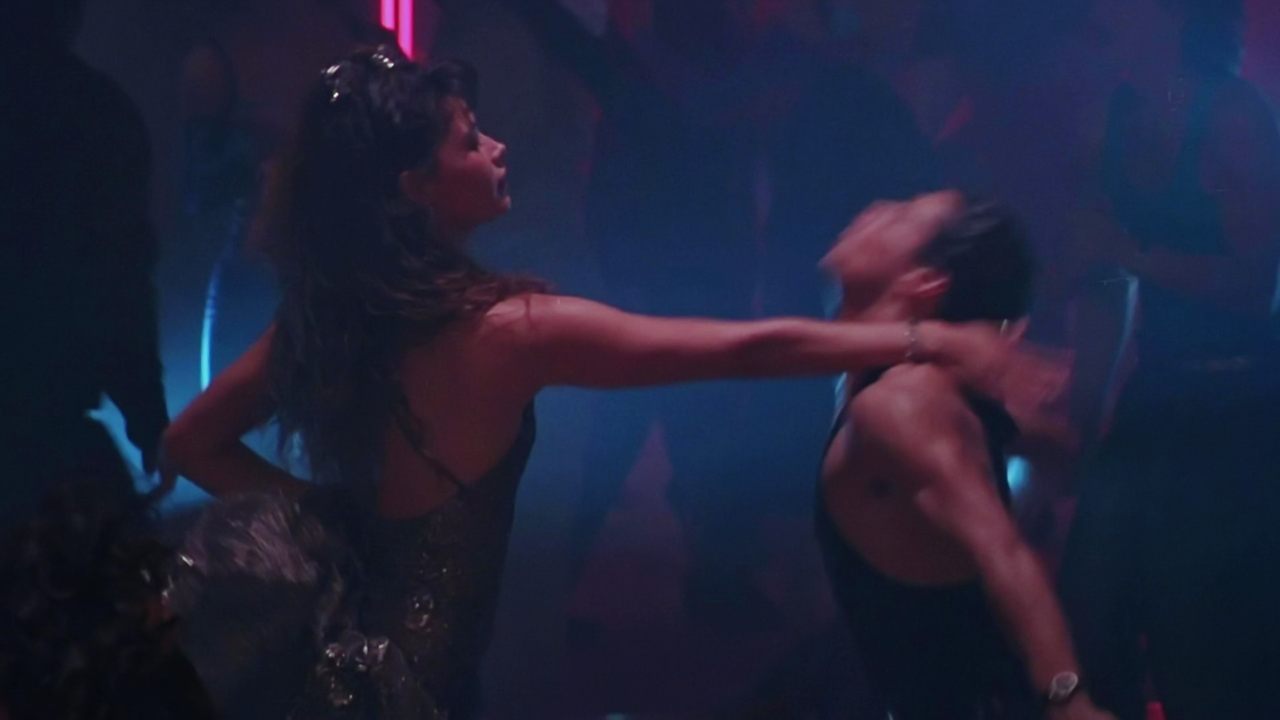
The real star, arguably, is the music and the choreography. The soundtrack is a vibrant mix of late-80s Latin pop and salsa rhythms that still holds up as genuinely infectious. Songs like Wilkins' "Margarita" became minor hits, and the score effectively captures the pulsating energy of the club scene. The dance sequences themselves are elaborate, often sweaty, and filled with impressive lifts and spins. They might lack the raw, emotional connection of Dirty Dancing's iconic moments, but they certainly deliver on spectacle. I distinctly remember trying (and failing miserably) to replicate some of those moves in my living room after renting the VHS.
Cannon Fire and VHS Dreams
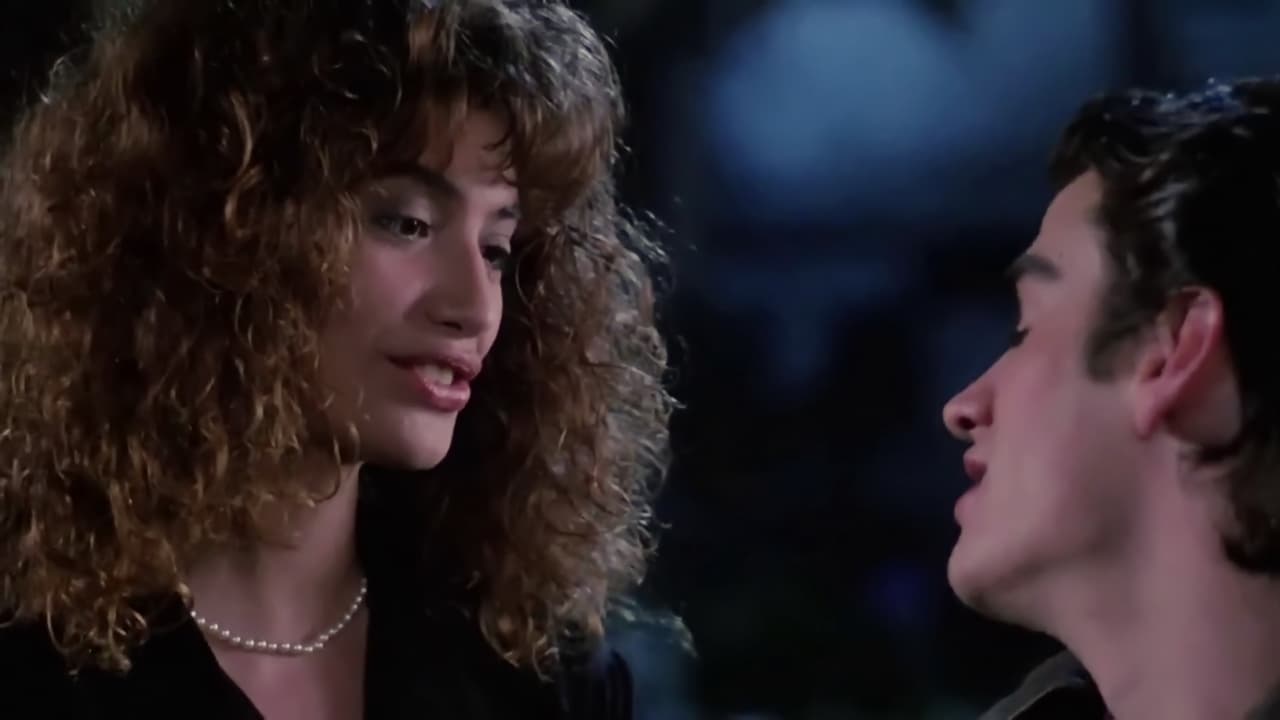
Understanding Salsa requires acknowledging its place in the Cannon Films universe. The studio, run by Menahem Golan and Yoram Globus, was notorious for its B-movie sensibilities and aggressive marketing, often greenlighting films based on little more than a poster concept. While they did distribute Dirty Dancing internationally, Salsa was their own attempt to manufacture a similar phenomenon domestically. It was made relatively cheaply (though exact figures are hard to pin down, typical for Cannon) and pulled in around $8.8 million at the US box office – a far cry from Dirty Dancing's $64 million domestic haul ($214 million worldwide), but likely enough for Cannon to see a modest return, especially once it hit the booming home video market.
Watching it now, the film is undeniably dated. The fashion – the high-waisted jeans, the crop tops, the serious hair – is a glorious assault on the senses. The dialogue occasionally dips into pure cheese ("Nobody puts Rico in a corner"? Okay, maybe not quite). Yet, there's an earnestness to it all that's hard to dislike. It fully commits to its premise, delivering exactly what it promises: a high-energy, music-filled escape centered around the passion of dance. It wasn't aiming for high art; it was aiming for Friday night at the video store, and on that level, it often succeeded. Remember seeing those vibrant cover boxes lined up on the shelves? Salsa definitely stood out.
Finding the Rhythm Again
Salsa might not be a cinematic masterpiece, and its critical reception back in '88 reflected that (it currently holds a less-than-stellar 4.7/10 on IMDb). It doesn't possess the timeless narrative pull or iconic performances of its more famous dance movie brethren. But for fans of 80s cheese, infectious soundtracks, and films that perfectly encapsulate their specific moment in time, Salsa offers a genuinely fun trip down memory lane. It’s a film fueled by ambition, rhythm, and perhaps just a touch of glorious delusion. The energy is infectious, the dancing often impressive, and Robby Rosa gives it his all. It's a snapshot of a specific pop culture moment, preserved forever on those beloved VHS tapes.
VHS Heaven Rating: 5/10
This score reflects a film that’s undeniably flawed – thin plot, some cheesy dialogue, variable acting – but compensates with sheer energy, a fantastic soundtrack, and committed dance sequences. It perfectly embodies the late-80s attempt to capture dance craze magic, making it a fascinating and often fun watch for nostalgia seekers, even if it doesn't quite stick the landing.
So, dim the lights, maybe push the coffee table aside, and let the rhythm (almost) get you. Just don't blame us if you suddenly crave sequins and big hair.