Alright, fellow tapeheads, dim the lights, maybe crack open a Jolt Cola if you can still find one, and let's rewind to 1995. Remember the sheer electricity when you heard that thumping beat? "MORTAL KOMBAT!" That iconic techno scream wasn't just the start of a movie; for many of us clutching worn-out game cartridges, it was the sound of validation. After suffering through cinematic train wrecks like Super Mario Bros. (1993), the arrival of Paul W.S. Anderson's Mortal Kombat felt like pulling off a flawless victory right there in the video store aisle. This wasn't just another cash-grab; it felt like someone got it.

Enter the Dragon (Gate)
From the jump, Mortal Kombat throws you into its otherworldly vibe. Anderson, in what was essentially his big Hollywood break before giving us sci-fi horror like Event Horizon (1997), understood that capturing the feel of the Midway game was paramount. He didn't just slap the name on a generic action flick. The production design leans into the game's aesthetic – mystical Oriental architecture colliding with dark fantasy realms. Filming on location in Thailand added an incredible layer of authenticity to those stunning exteriors, especially the boat journey sequence that felt ripped right from the arcade screen. It looked way more expensive than its surprisingly modest $18 million budget – a testament to clever filmmaking that paid off handsomely, raking in over $120 million worldwide. They knew their audience, and they delivered visuals that popped, even through the occasional tracking static on our CRTs.
Choose Your Fighter
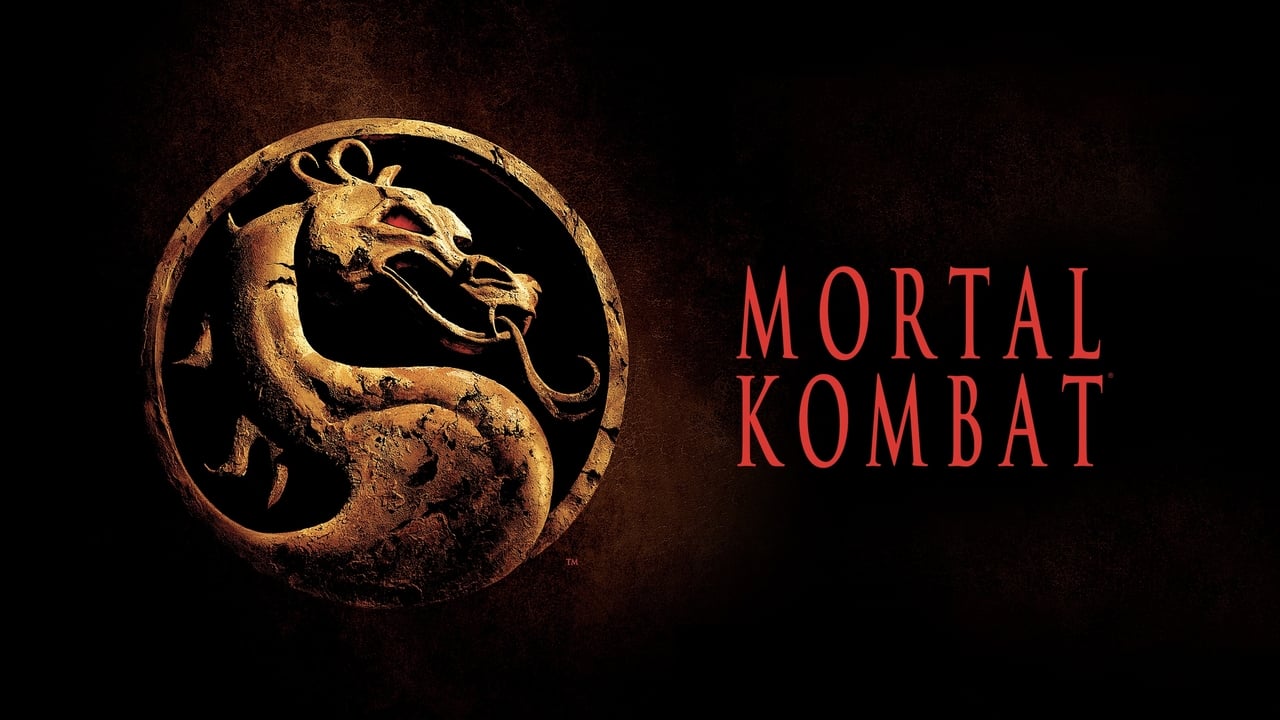
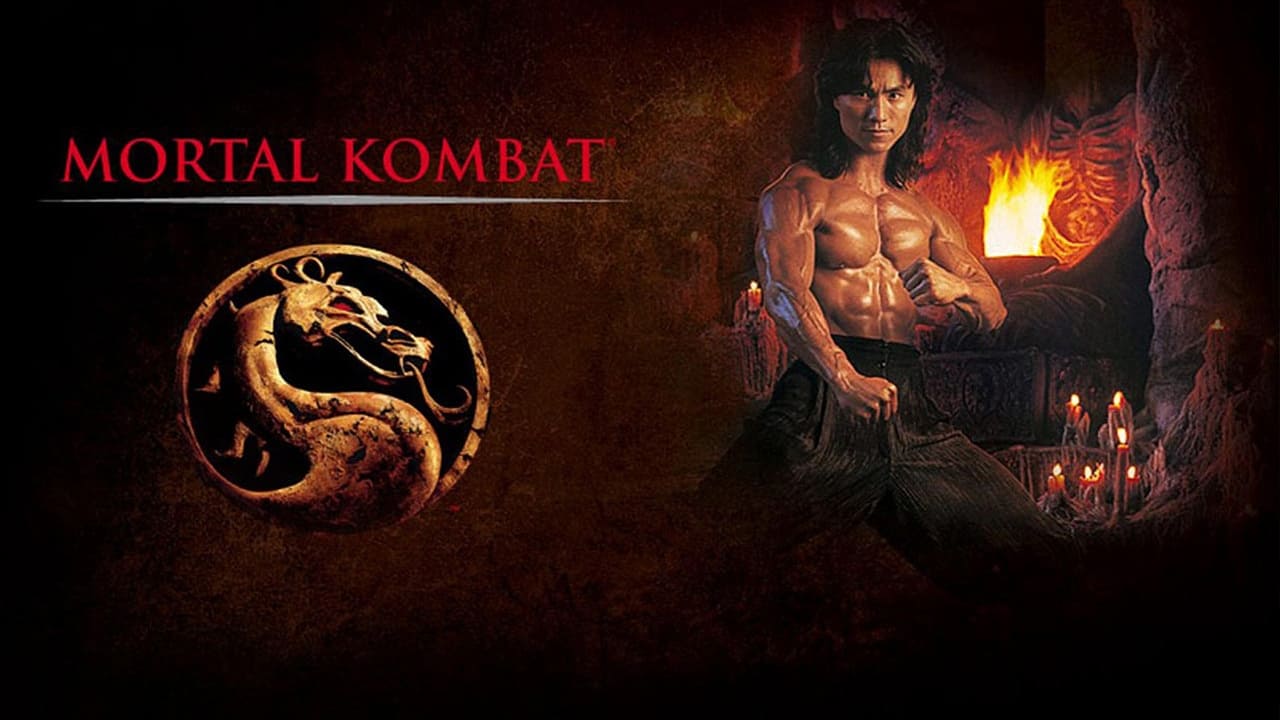
The casting felt like a minor miracle back then, perfectly capturing the essence, if not always the exact pixelated look, of our favourite kombatants. Robin Shou brings a stoic intensity and genuine martial arts prowess to Liu Kang, the chosen warrior monk. He carries the heroic center of the film with convincing physicality. Then there's Linden Ashby as the sunglasses-at-night Hollywood action star Johnny Cage. Ashby nails the character's cocky charm and delivers some of the film's most quotable lines ("Those were $500 sunglasses, asshole!"). It's a fun fact that the role nearly went to Brandon Lee before his tragic passing, and Jean-Claude Van Damme famously turned it down to star in the other big fighting game movie that year, Street Fighter (1994). We arguably dodged a bullet there. Bridgette Wilson stepped into the combat boots of Sonya Blade after Cameron Diaz had to bow out due to a wrist injury during training – Wilson brought the required toughness and determination.
And then... there's Christopher Lambert. Fresh off Highlander fame, his portrayal of the thunder god Raiden is... well, it’s something. With his knowing smirk, vaguely European accent drifting into uncharted territory, and that shock of white hair, Lambert is simultaneously bizarre and perfect. His line readings are often wonderfully weird ("The fate of billions will depend upon you... heh heh heh"), but he exudes a strange mentorly charisma that just works within this heightened reality. He feels like the wise, slightly eccentric older brother guiding you through the game's complexities.
Test Your Might: Old-School Action Bliss
Let's talk about why Mortal Kombat still kicks decades later: the action. Forget the overly slick, CGI-heavy battles of today for a moment. This film revels in practical stunts and tangible choreography. The wirework, while maybe obvious now, allowed for those gravity-defying kicks and flips that mirrored the game's special moves. Remember the palpable crunch when someone got thrown into a stone wall? That felt real.
The fight between Johnny Cage and Scorpion is a highlight, showcasing Scorpion's iconic spear ("Get over here!") realized with practical effects before transitioning into a fiery skeletal confrontation. Liu Kang's battles, particularly against Sub-Zero and Reptile, are dynamically staged. The Reptile fight, blending Robin Shou's skills with impressive (for the time) early CGI for the creature form, was a standout sequence. It wasn't seamless by today's standards, but the ambition was thrilling. Anderson wisely focused on showcasing the unique fighting styles and signature moves, which is exactly what fans craved.
And who could forget Goro? Bringing the four-armed Shokan prince to life was a massive undertaking. Forget pixels; this was a sophisticated, million-dollar animatronic puppet requiring multiple operators hidden below the set. He looked imposing, menacing, and wonderfully tactile – a triumph of practical creature effects that still impresses. Sure, the film had to navigate a tricky PG-13 rating, toning down the game's notorious gore, but it cleverly implied brutality rather than explicitly showing it, preserving the intensity without alienating a broader audience (or the all-important studio execs). This balancing act was crucial to its mainstream success.
A Legacy Forged in Kombat
Critically? Let's be honest, reviews were mixed back in '95. Many critics just didn't get it, dismissing it as loud and nonsensical. But audiences, especially those who'd poured countless quarters into the arcade machines, embraced it wholeheartedly. It understood the source material, respected the characters, and delivered genuinely exciting action sequences fueled by that killer soundtrack by George S. Clinton featuring The Immortals. That "Techno Syndrome" track became an instant anthem, inseparable from the movie's identity.
Mortal Kombat became the benchmark – perhaps the first truly successful video game adaptation that demonstrated potential beyond just IP recognition. It proved you could translate the energy and core appeal of a game to the big screen, even if the plot remained relatively simple (protect Earthrealm, win the tournament). It spawned a less-than-stellar sequel, Mortal Kombat: Annihilation (1997), and a later reboot series, but the '95 original holds a special place. It captured lightning in a bottle, blending earnest martial arts action with fantasy elements and just the right amount of 90s cheese.
---
VHS Heaven Rating: 8/10
Justification: It perfectly translated the video game's energy and key characters to the screen for its era, boasting impressive practical effects (especially Goro) and genuinely exciting, well-choreographed fight scenes. While the plot is thin and some performances lean into camp (Lambert!), it overcomes these with sheer fun, infectious energy, and a groundbreaking soundtrack. It respected its source material when few others did, delivering exactly what fans wanted and becoming a defining action flick of the mid-90s VHS boom.
Final Word: Decades later, Mortal Kombat '95 remains a ridiculously entertaining blast of pure 90s energy. It’s a testament to the power of practical effects, killer techno beats, and knowing exactly what makes your audience yell "Finish Him!" at the screen. Absolutely worth revisiting.