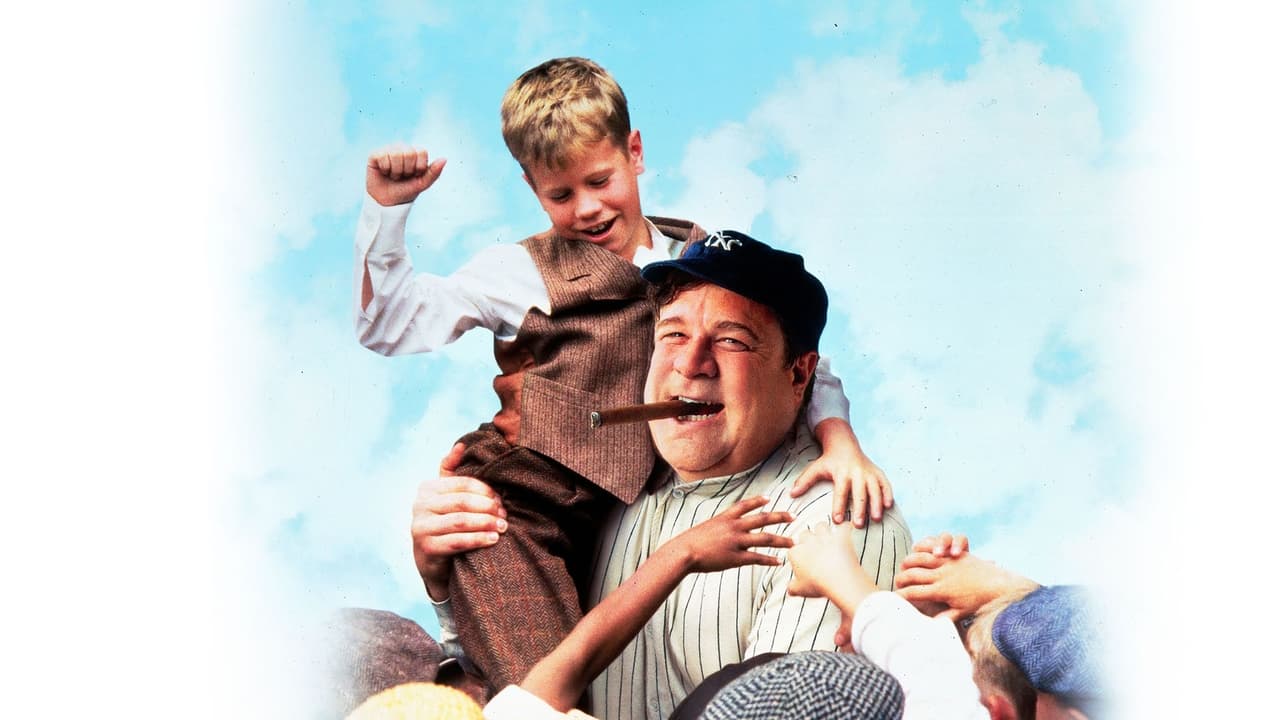
It’s more than just the crack of the bat that echoes long after watching The Babe (1992). It's the booming laughter, the raw appetites, the sheer, almost unwieldy presence of the man himself, brought to life with towering physicality by John Goodman. Revisiting this film on VHS, or even just in memory, feels like unearthing a time capsule – not just of baseball history, but of a certain kind of early 90s biographical filmmaking, ambitious and earnest, even if occasionally stumbling under the weight of its legendary subject.
Capturing a Colossus
Director Arthur Hiller, a versatile hand known for everything from the gentle romance of Love Story (1970) to the buddy comedy thrills of Silver Streak (1976), took on a monumental task here. How do you condense the sprawling, contradictory life of George Herman "Babe" Ruth – a figure arguably larger than baseball itself – into a two-hour movie? Writer John Fusco, who’d previously penned the scripts for popular Westerns like Young Guns (1988), opted for a cradle-to-near-grave approach, aiming to show the forces that shaped the icon, from his harsh upbringing in a Baltimore reform school to his lonely final years plagued by illness.
The film doesn't shy away from the complexities. We see the prodigious talent, the almost childlike joy Ruth took in the game and its spoils. But we also see the insecurity, the ravenous need for approval, the destructive impulses – the drinking, the womanizing, the volcanic temper. It’s a portrait painted in broad strokes, certainly, sometimes sacrificing nuance for narrative momentum. But there's an undeniable power in witnessing this mythic figure grapple with very human flaws. Does it capture the whole truth? Likely not. But does it attempt to show a man beneath the monument? Absolutely.
Goodman Steps Up to the Plate
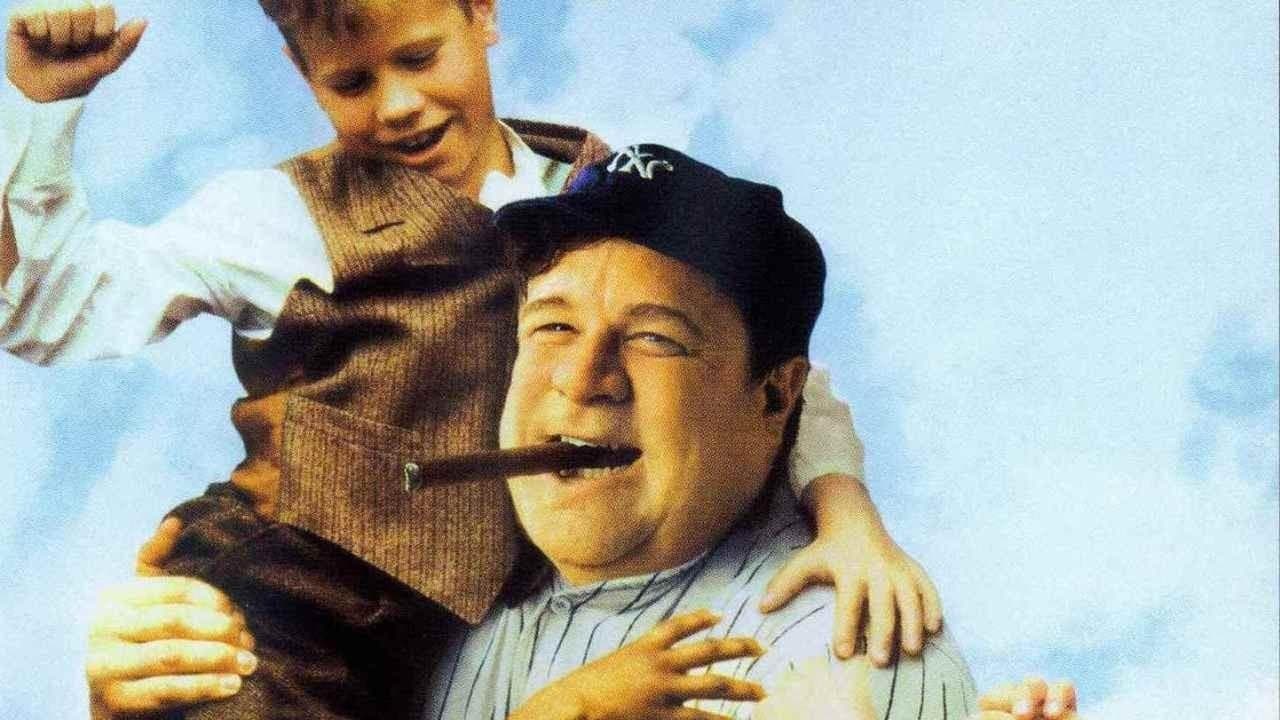
The linchpin, the absolute make-or-break element, is John Goodman. Fresh off his beloved run on TV's Roseanne and character turns in films like Barton Fink (1991), this was a chance for Goodman to carry a major motion picture centered entirely on his performance. And he swings for the fences. It's not just about the physical resemblance, though considerable effort, including reported weight gain and prosthetic help, went into achieving Ruth's imposing silhouette. It’s the way Goodman channels Ruth's energy – that mix of boisterous bonhomie and simmering vulnerability. He captures the big kid quality, the man who never quite outgrew his desires, for better and often for worse. There are moments, particularly in his interactions with his second wife Claire (Kelly McGillis, bringing a weary dignity to the role) or his estranged first wife Helen (Trini Alvarado), where Goodman lets the mask slip, revealing the deep-seated loneliness beneath the bravado. It’s a performance that feels both larger-than-life and achingly human, a defining role in his dramatic career. Reportedly, Goodman actively pursued the part, feeling a connection to the character, and that passion is palpable on screen.
Rounding the Bases: Craft and Context
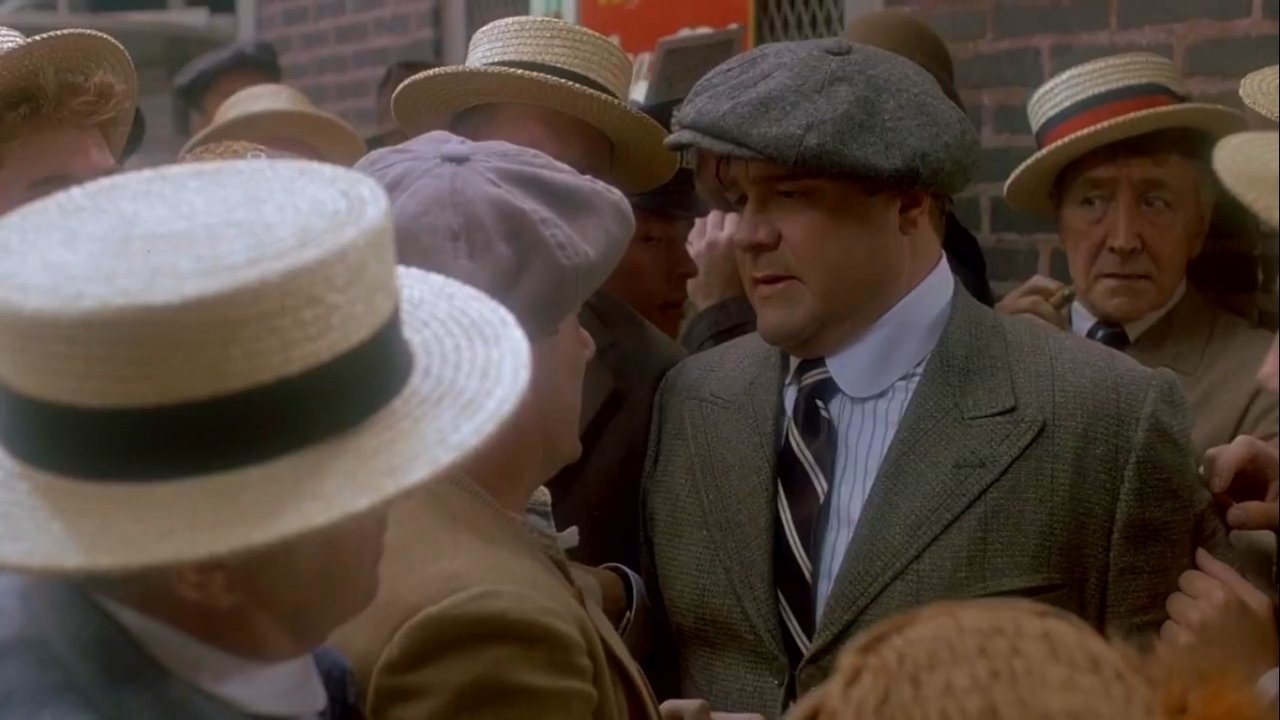
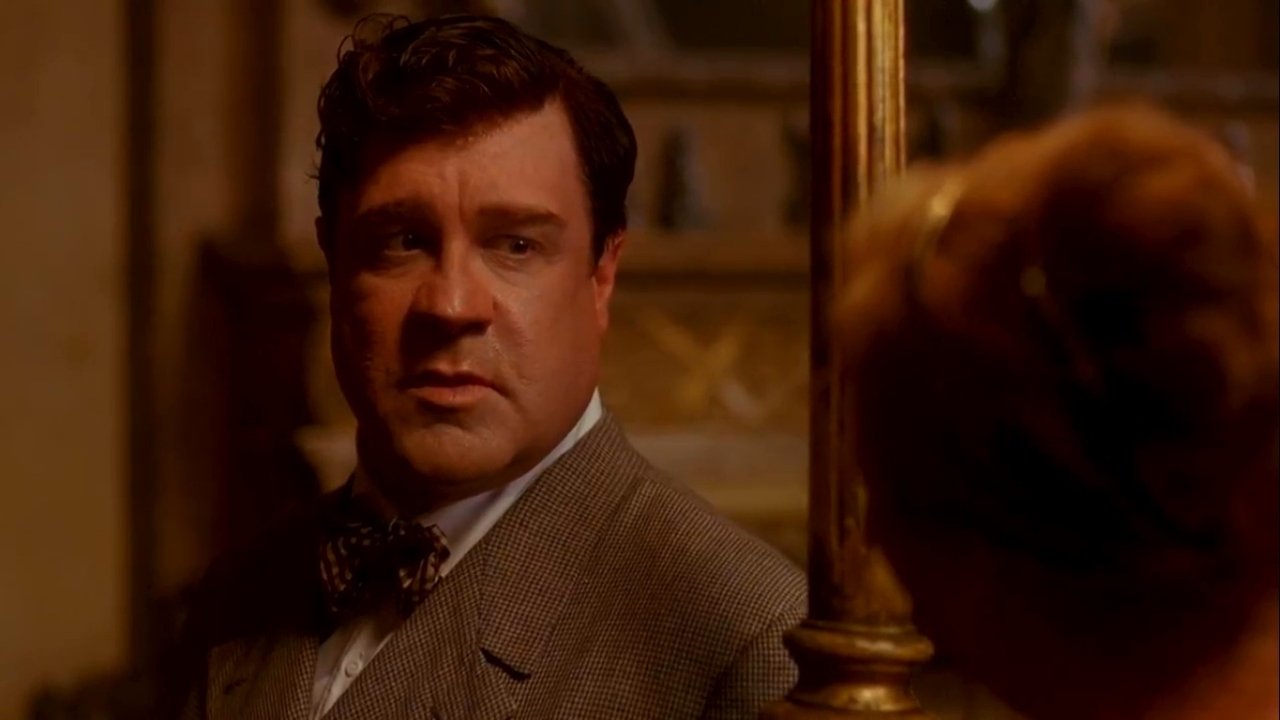
Visually, The Babe aims for an authentic period feel. Hiller and his team utilized iconic locations, including Chicago's Wrigley Field, cleverly dressed to stand in for multiple historical ballparks like Yankee Stadium and Fenway Park. There’s a tangible quality to the settings, from the smoky speakeasies to the roaring stadiums packed with extras in period attire. Elmer Bernstein's score swells appropriately, hitting the expected notes of triumph and pathos.
Yet, the film isn't without its fumbles. The episodic structure sometimes feels rushed, leaping across years and major life events with jarring speed. Supporting characters, even pivotal ones like Claire, often feel like satellites orbiting the blazing sun of Ruth, their own complexities hinted at rather than fully explored. And then there’s the perennial challenge of the sports biopic: historical accuracy versus dramatic license.
Called Shots and Creative Liberties
The Babe leans heavily into the mythology. The famous "called shot" in the 1932 World Series is presented as unambiguous fact, a moment of pure cinematic heroism. Fusco claimed extensive research, but historians have long debated the reality of that gesture, and other aspects of the film – particularly the portrayal of his childhood and the specific dynamics of his relationships – take significant dramatic liberties. Does this make it a lesser film? Perhaps a less reliable historical document, certainly. But these choices often serve to heighten the emotional impact, focusing on the idea of Babe Ruth, the legend that resonated so powerfully with America. It forces us to ask: are we here for a history lesson, or for the emotional truth of a flawed icon's journey?
Interestingly, the film didn't quite become the home run Universal Pictures might have hoped for. Made on a respectable budget (estimated around $40 million), its box office take was modest, perhaps reflecting a public more interested in the myth than the messy reality, or maybe just indicative of the challenges sports biopics often face. Initial reviews were mixed, often praising Goodman while critiquing the script's historical shortcuts and conventional structure. Yet, like many films from the era discovered on VHS, it found a second life in rental stores, becoming a familiar presence for baseball fans and Goodman admirers. I distinctly remember renting this one, expecting a simple baseball flick, and being surprised by its darker undertones and Goodman’s committed performance.
The Final Inning
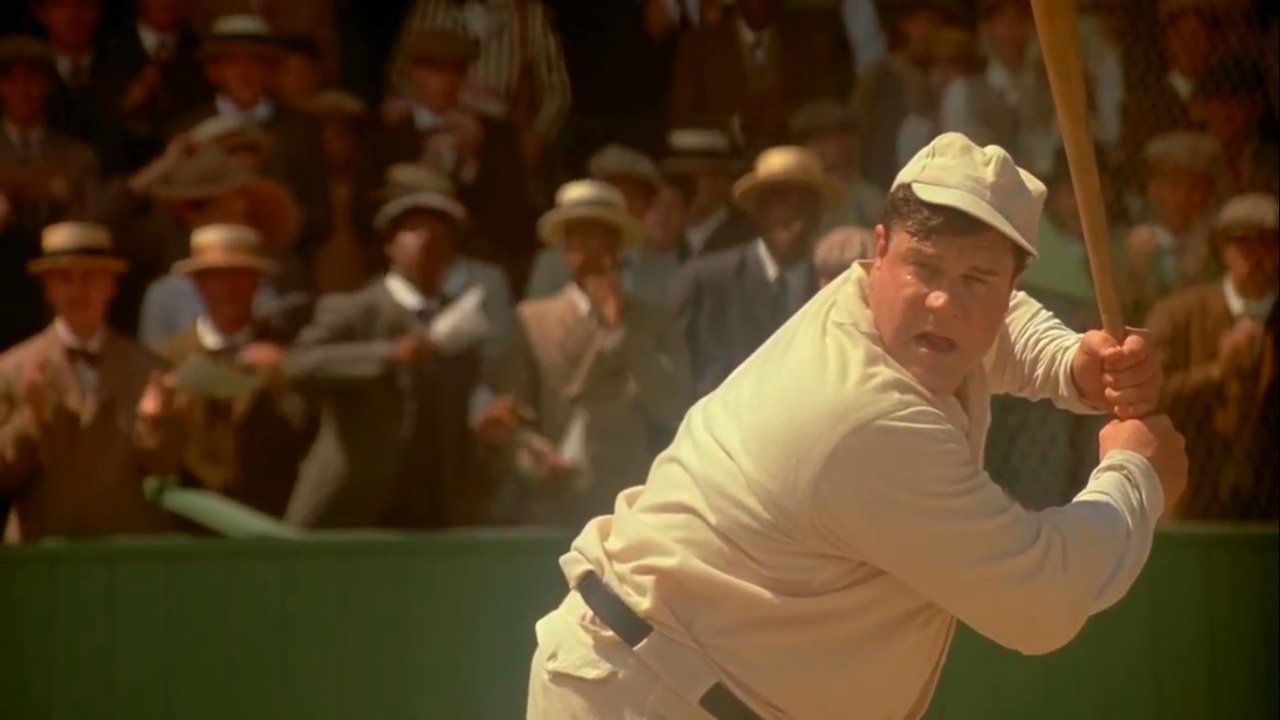
The Babe is a film powered almost entirely by its central performance. John Goodman delivers a monumental portrayal that captures the spirit, if not always the precise letter, of Babe Ruth's life. It’s a film that embraces the legend while simultaneously trying to peek behind the curtain, revealing the vulnerabilities of the man. While sometimes uneven in its storytelling and liberal with historical fact, its ambition and Goodman's towering work make it a compelling watch, especially for those of us who remember when larger-than-life stories felt right at home on the larger-than-average VHS cassette. It might not be a perfect game, but it’s got undeniable heart.
Rating: 7/10
The score reflects John Goodman's outstanding, committed performance and the film's earnest attempt to capture a complex icon, balanced against its narrative shortcuts and historical liberties. It’s a solid, often moving biopic that remains memorable chiefly because of its star turn. What lingers most isn't just the baseball, but the resonant portrayal of immense talent intertwined with equally immense human frailty.