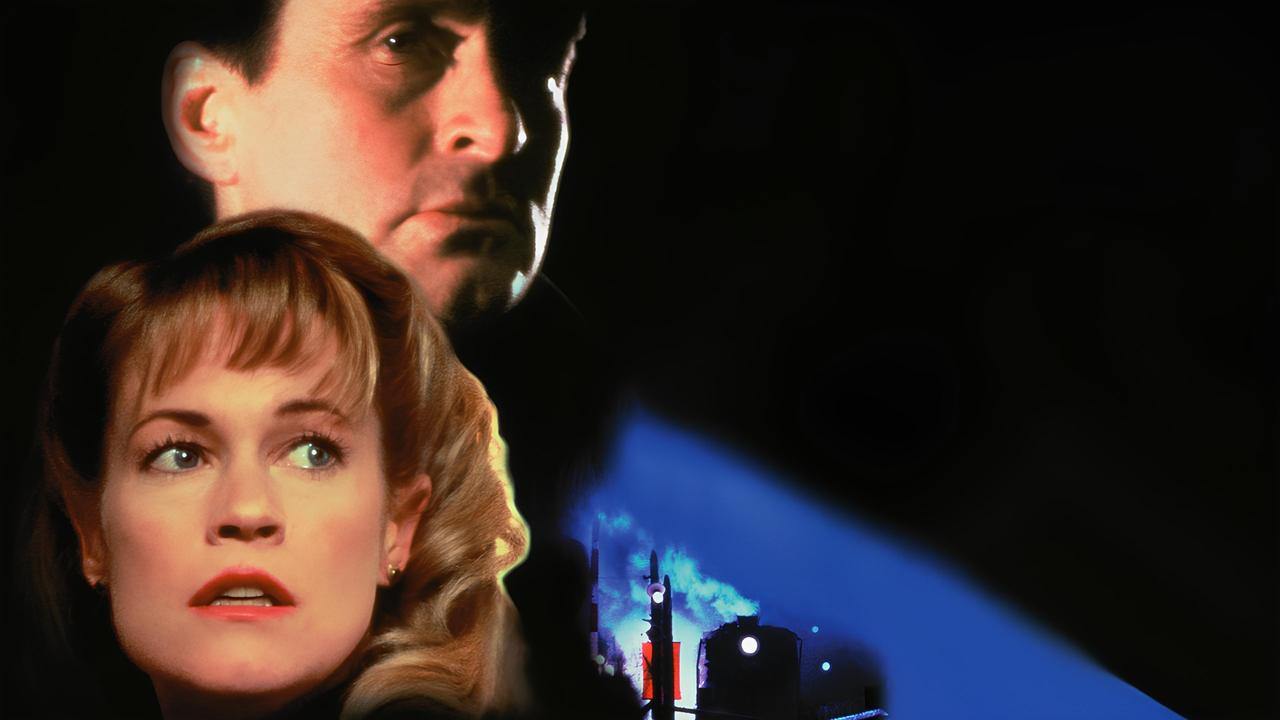
It begins with a secret, doesn't it? Not just the classified documents or the clandestine meetings, but the secret life simmering beneath an ordinary facade. 1992's Shining Through plunges us into this world, specifically that of Linda Voss, a secretary whose sharp mind and love for spy movies suddenly collide with the deadly reality of World War II espionage. It’s a film that arrived on VHS shelves promising grand romance and thrilling danger, a throwback to the golden age epics, albeit filtered through an early 90s lens. Does it fully deliver? Well, that’s where the real intrigue begins.
From Dictation to Deception
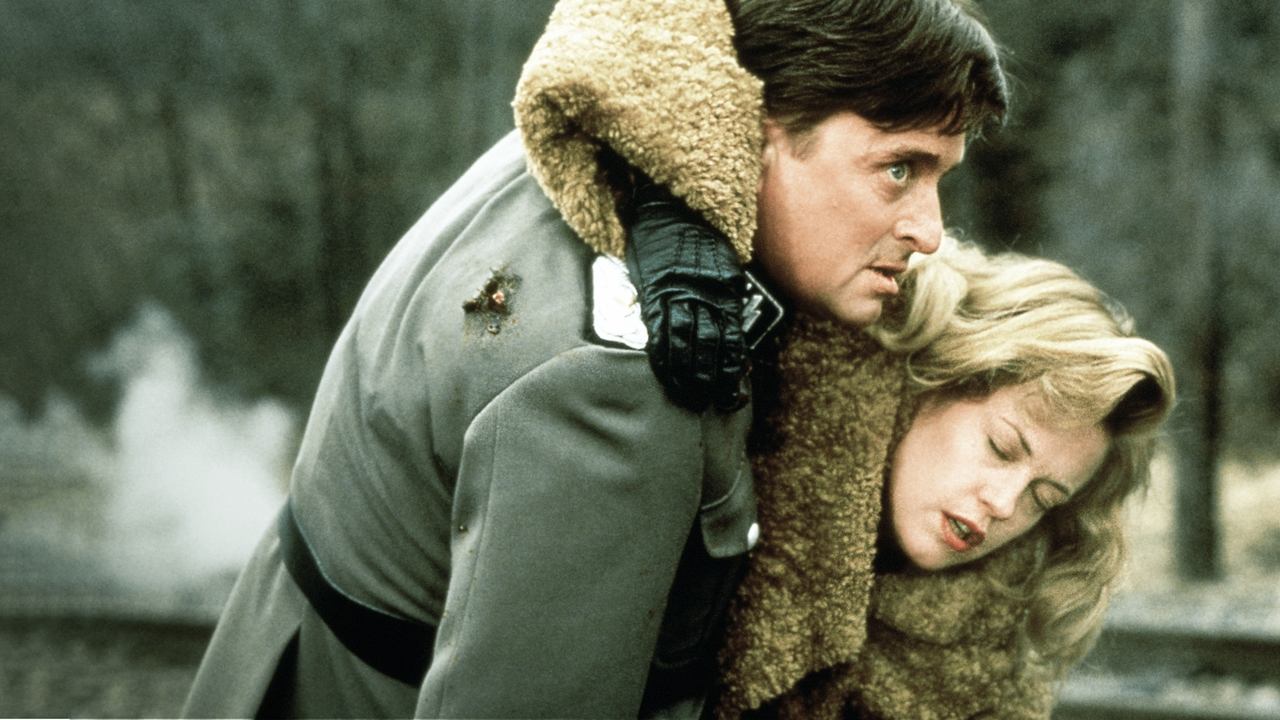
The setup is pure Hollywood melodrama mixed with wartime urgency. Melanie Griffith plays Linda, a woman of German-Jewish and Irish heritage working in New York City. She’s underestimated, bright but stuck typing letters for the aloof, powerful lawyer Ed Leland, played with characteristic steely confidence by Michael Douglas. When Pearl Harbor shatters the nation's peace, Leland reveals his true colours – he’s Colonel Leland of the OSS, America’s fledgling intelligence agency. Linda, fluent in German and possessing an almost photographic memory fueled by years of watching wartime dramas, finds herself drawn into his orbit, first romantically, then professionally. When a vital agent in Berlin is compromised, Linda volunteers for an impossible mission: infiltrate the heart of Nazi Germany.
It's a premise brimming with potential – the ordinary woman thrust into extraordinary, lethal circumstances. Director David Seltzer, adapting Susan Isaacs' popular novel (though significantly altering it, much to the author's chagrin), clearly aimed for a sweeping, high-stakes narrative. He gives the film a polished look, thanks in part to cinematographer Jan de Bont (who would soon trade espionage for runaway buses in Speed), capturing both the grit and glamour of the era, from bustling New York offices to the perilous elegance of wartime Berlin, recreated impressively at Pinewood Studios and on location.
An Unconventional Agent
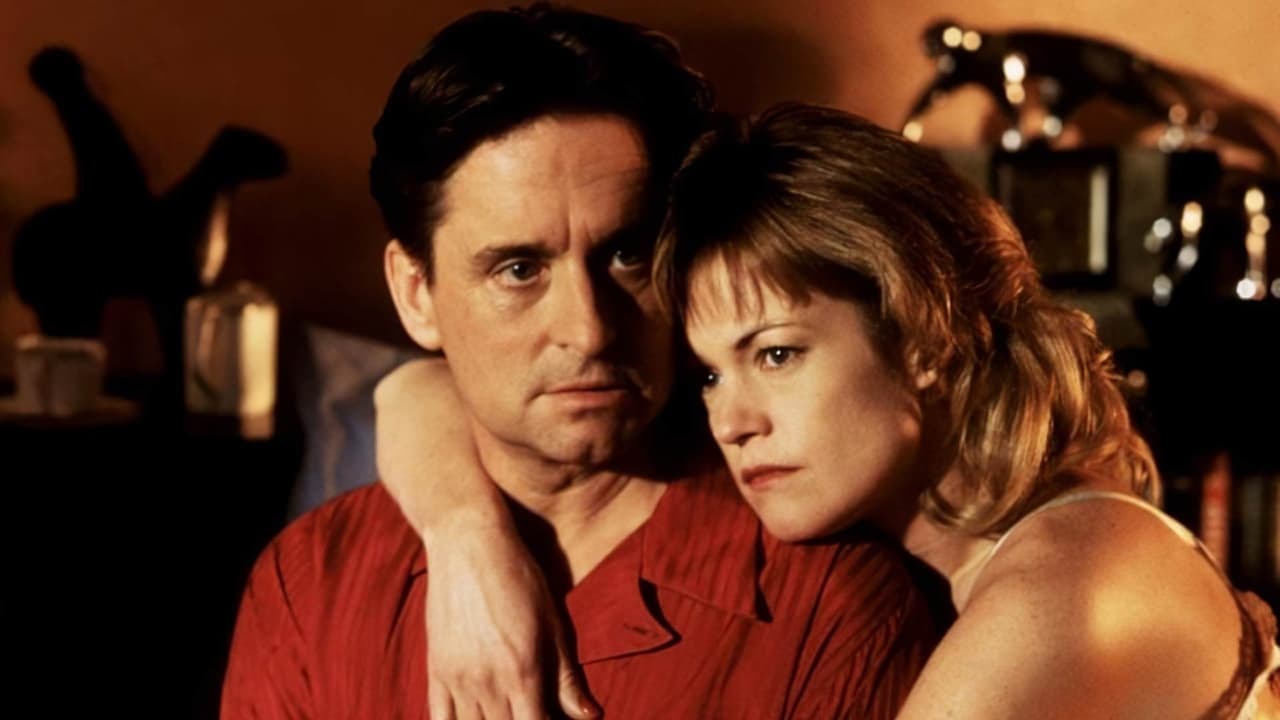
Much of the conversation around Shining Through, both then and now, inevitably centers on Melanie Griffith's casting. Her distinctive voice and screen persona, often associated with lighter or more contemporary roles (Working Girl comes immediately to mind), felt like an unusual fit for a hardened WWII spy to many critics at the time. And yes, there are moments where the required toughness seems just beyond her reach, where the sheer terror of her situation perhaps doesn't register with the intensity one might expect.
Yet, watching it again after all these years, there's something oddly compelling about her performance precisely because she feels slightly out of place. Linda Voss isn't a trained killer; she's resourceful, intelligent, and driven by love and a fierce sense of justice, but she's learning on the job, terrified but determined. Griffith embodies that vulnerability. Perhaps Seltzer's intention of casting an "everywoman" wasn't entirely off the mark, even if the execution sometimes falters. Doesn't her perceived fragility actually heighten the stakes, reminding us just how perilous her mission truly is? Opposite her, Michael Douglas is reliably solid as the commanding, emotionally guarded Leland, wrestling with sending the woman he loves into mortal danger. And then there’s Liam Neeson, pre-Schindler's List, radiating a chilling charisma as Franz-Otto Dietrich, a high-ranking Nazi official who represents both immense threat and potential salvation for Linda.

Retro Fun Facts: Behind the Lines
The journey from page to screen wasn't smooth. Isaacs' novel was a bestseller, but Seltzer, who also penned the screenplay, made substantial changes, particularly to the ending, aiming for a more cinematic, perhaps more conventionally thrilling climax. This deviation likely contributed to the film's somewhat rocky reception.
Financially, despite its star power and reported $30 million budget (a hefty sum back then, maybe around $65 million today), Shining Through didn't exactly set the box office alight, pulling in just over $21 million domestically. Critically, it faced a barrage of negativity, culminating in the dubious honour of winning the Golden Raspberry Awards for Worst Picture, Worst Actress, and Worst Director. It’s a label that’s stuck, perhaps unfairly overshadowing the film’s genuine ambitions and occasional moments of effective suspense. Was it really that bad, or just a victim of mismatched expectations and tonal wobbles?
One element often praised, however, is the evocative score by the late, great Michael Kamen (Die Hard, Robin Hood: Prince of Thieves), which masterfully underscores the romance and the tension, lending the proceedings a sense of grandeur the script sometimes struggles to fully earn on its own.
A Flawed Gem or Just Flawed?
The film walks a tightrope between swooning romance, edge-of-your-seat espionage, and moments that, viewed today, verge on the slightly absurd (Linda navigating Nazi high society feels fraught with near-misses that stretch credulity). This tonal inconsistency is perhaps its biggest weakness. It wants to be Notorious one minute and a more straightforward adventure yarn the next. Sometimes it works; other times, the gears grind noticeably.
Yet, there’s an earnestness to Shining Through that’s hard to completely dismiss, especially viewed through the nostalgic lens of VHS Heaven. It represents a type of glossy, star-driven studio picture attempting old-fashioned storytelling that feels increasingly rare. It swings for the fences, even if it doesn't quite clear them. Watching it now takes me back to browsing those video store aisles, seeing the familiar faces of Griffith and Douglas on the cover, promising a certain kind of grown-up thriller. It wasn't perfect then, and its flaws are perhaps even clearer now, but there's still something captivating about its sheer, unadulterated attempt at wartime romantic drama.
Rating: 5/10
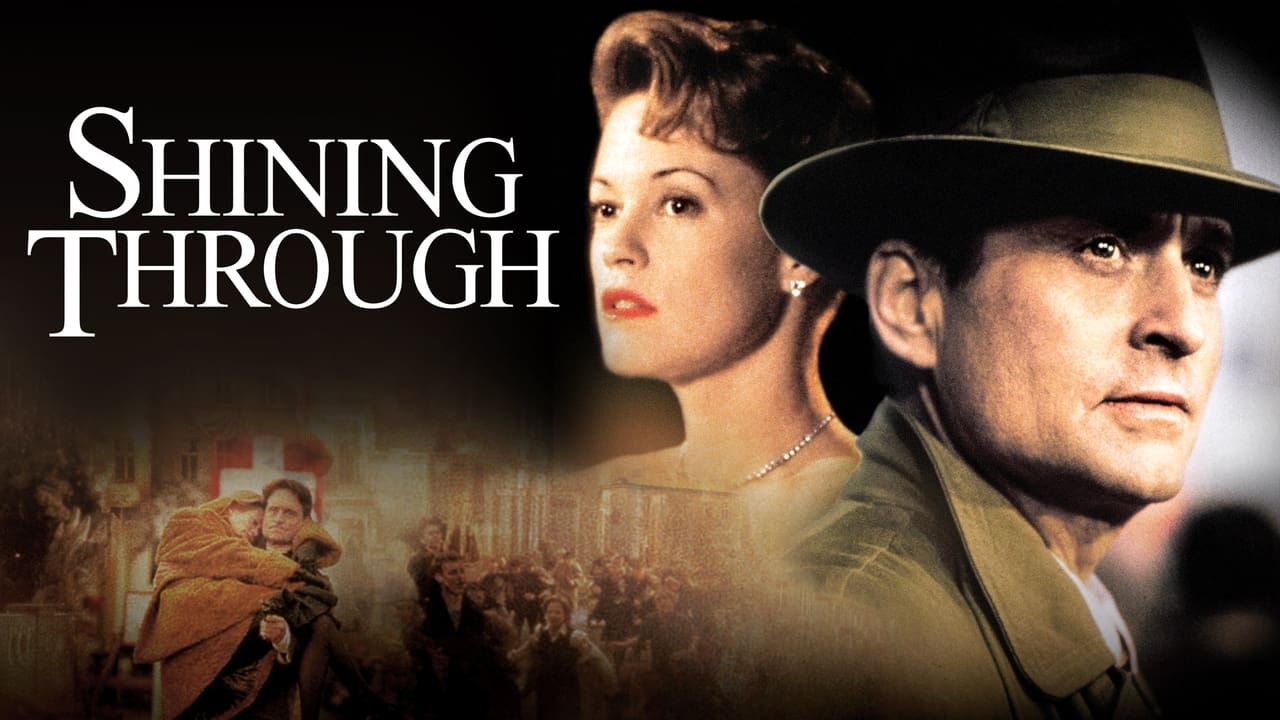
The rating reflects a film hampered by significant flaws – tonal imbalances, questionable plot developments, and a central performance that divided audiences. However, it's not without merit. The production values are strong, the supporting cast (especially Neeson) is effective, and the core premise remains intriguing. Its ambition, combined with its undeniable early 90s flavour and controversial reception, makes it a fascinating artefact of its time. It might not shine as brightly as intended, but there's a faint, flickering light there for those willing to look past the Razzies.
What lingers most, perhaps, isn't the espionage plot, but the image of Linda Voss, armed with little more than her wits and determination, stepping behind enemy lines – a reminder that sometimes, the most unlikely people find themselves capable of extraordinary things, even if the film telling their story doesn't quite reach the same heights.