Sometimes truth isn't just stranger than fiction; it's so utterly ludicrous that only satire can truly grapple with its absurdity. Watching Helmut Dietl's 1992 film Schtonk! again recently, after years of it sitting fondly in my memory banks (and probably gathering dust on a forgotten VHS shelf somewhere), I was struck by how perfectly it captures the bizarre blend of greed, ambition, and willful blindness that fueled one of the most outlandish media hoaxes of the 20th century: the Hitler Diaries fiasco. It begs the question, doesn't it? How could so many supposedly intelligent people be taken in by such a blatant fabrication?
The Greatest Story Never Written (Properly)
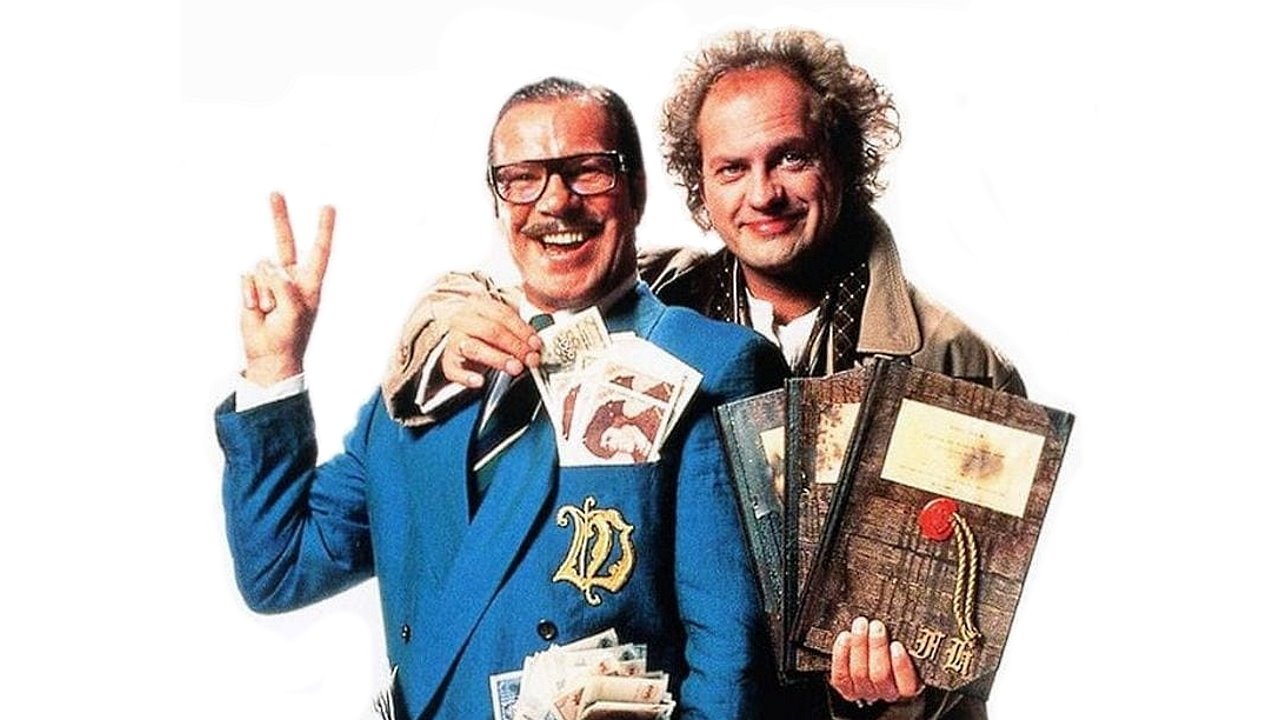
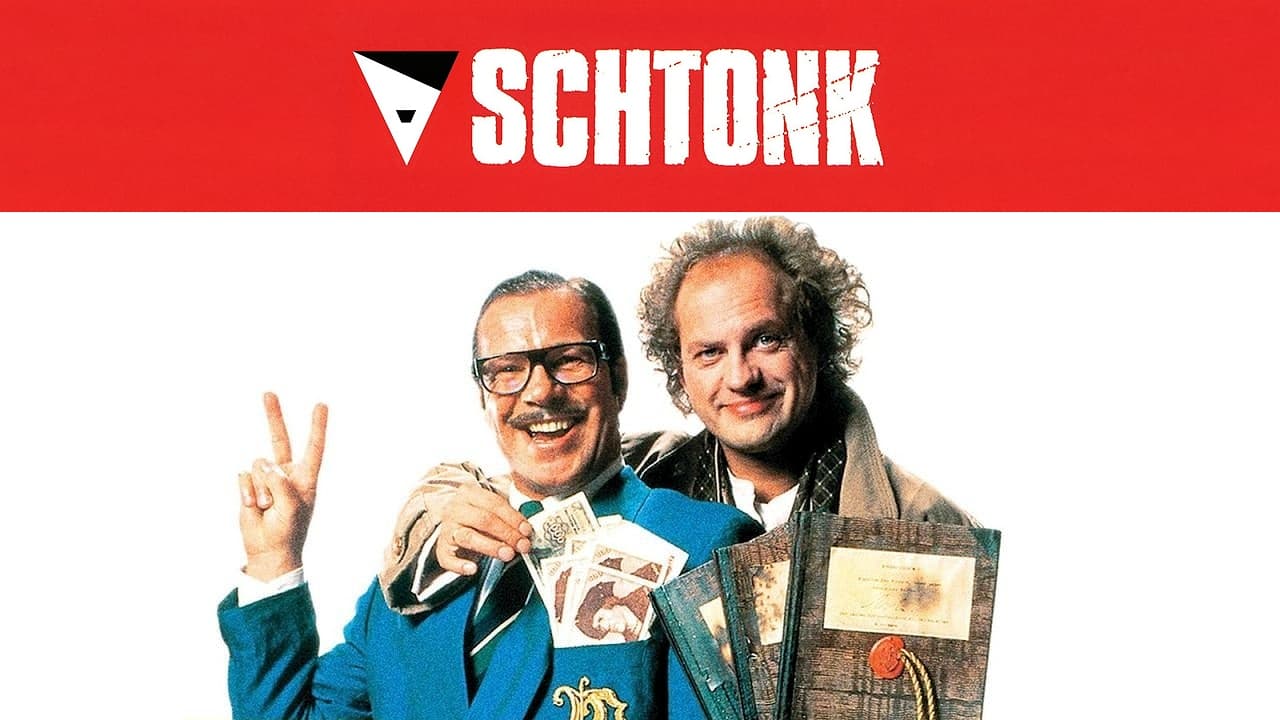
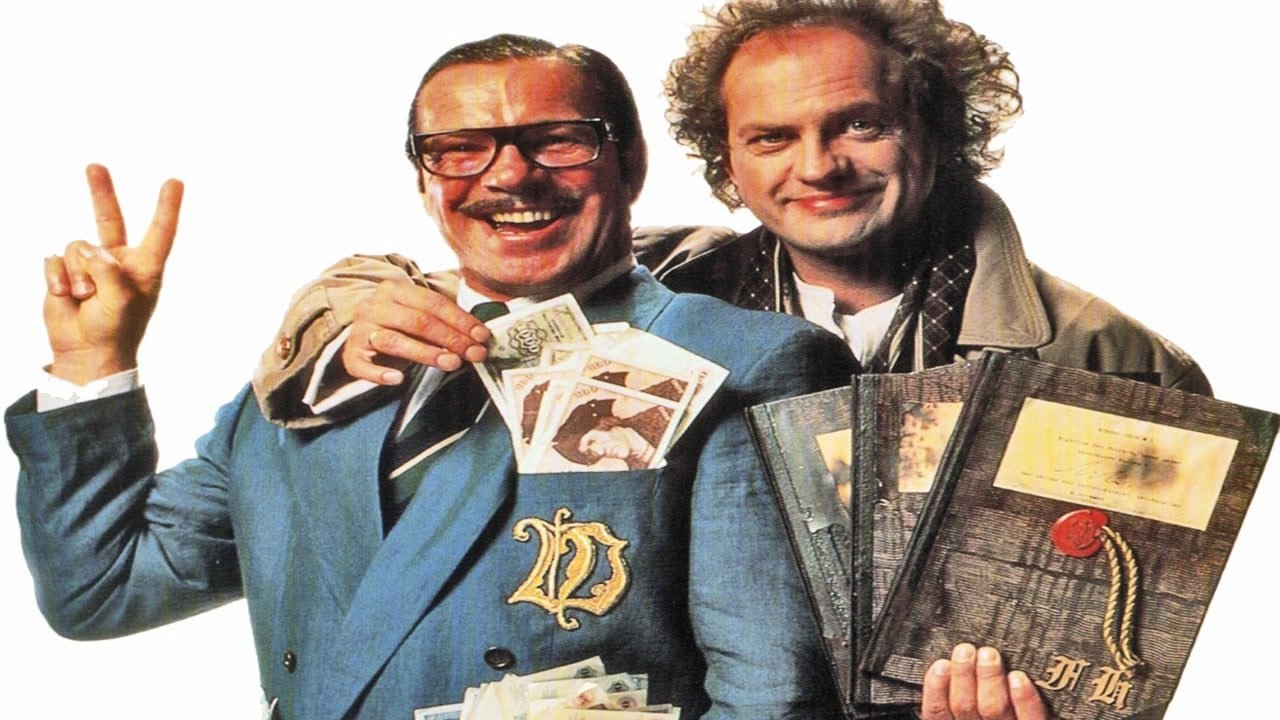
For those who missed this gem when it perhaps popped up in the foreign language section of their local video store – likely sporting that slightly baffling cover art – Schtonk! fictionalizes the real-life 1983 scandal where the German magazine Stern paid millions for, and published excerpts from, what they believed were Adolf Hitler's secret diaries. Spoiler: they were fakes, crudely penned by a Stuttgart memorabilia dealer and petty con artist named Konrad Kujau.
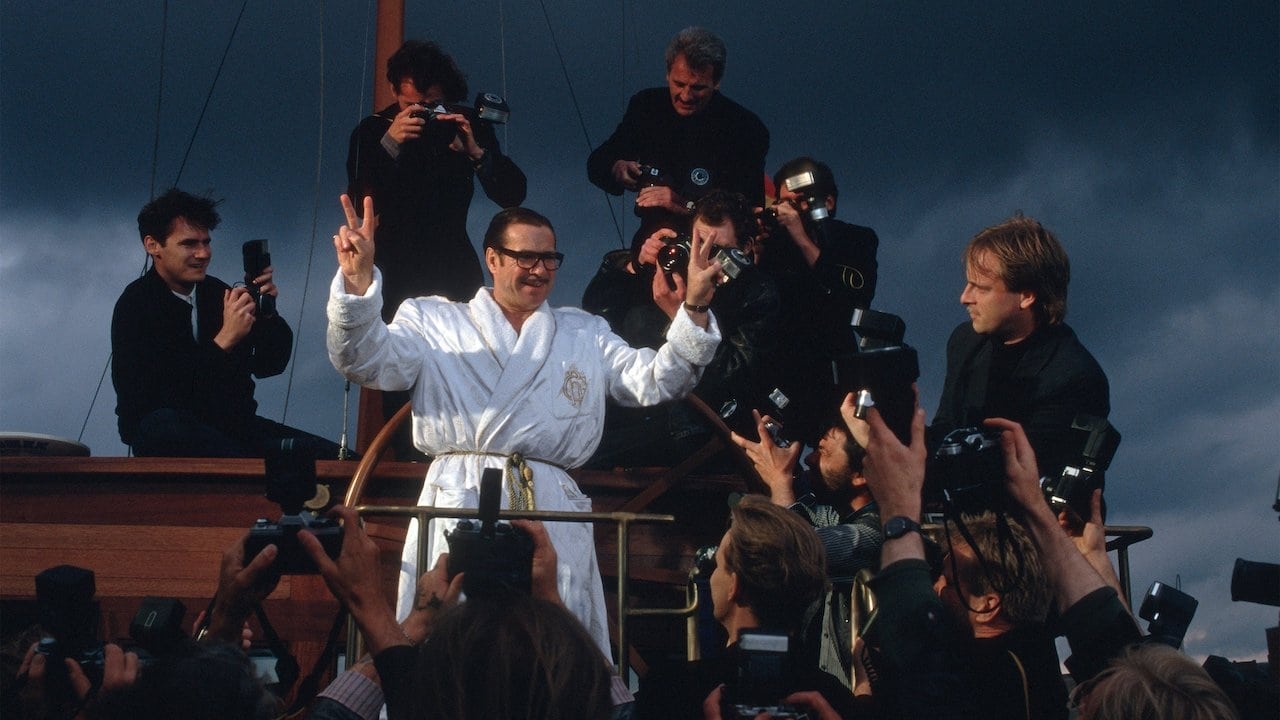
Dietl, who also co-wrote the screenplay with Ulrich Limmer, doesn't just recount the events; he dives headfirst into the grotesque comedy of errors. We meet Fritz Knobel (based on Kujau, played with manic, sweaty brilliance by Uwe Ochsenknecht), a hustler forging not just diaries but anything vaguely Third Reich-related that someone might buy. His "genius" is matched only by his opportunism. On the other side is Hermann Willié (a stand-in for Stern reporter Gerd Heidemann, portrayed with compelling desperation by the legendary Götz George), a journalist obsessed with Nazi memorabilia and blinded by the scoop of a lifetime. Their collision course is the engine of the film, a descent into farce fueled by vanity and staggering incompetence. I remember seeing Götz George in the Schimanski TV movies back in the day – rough, tough, a real German screen presence – and seeing him here as the increasingly pathetic Willié is a masterclass in transformation.
A Masterclass in Satirical Performance
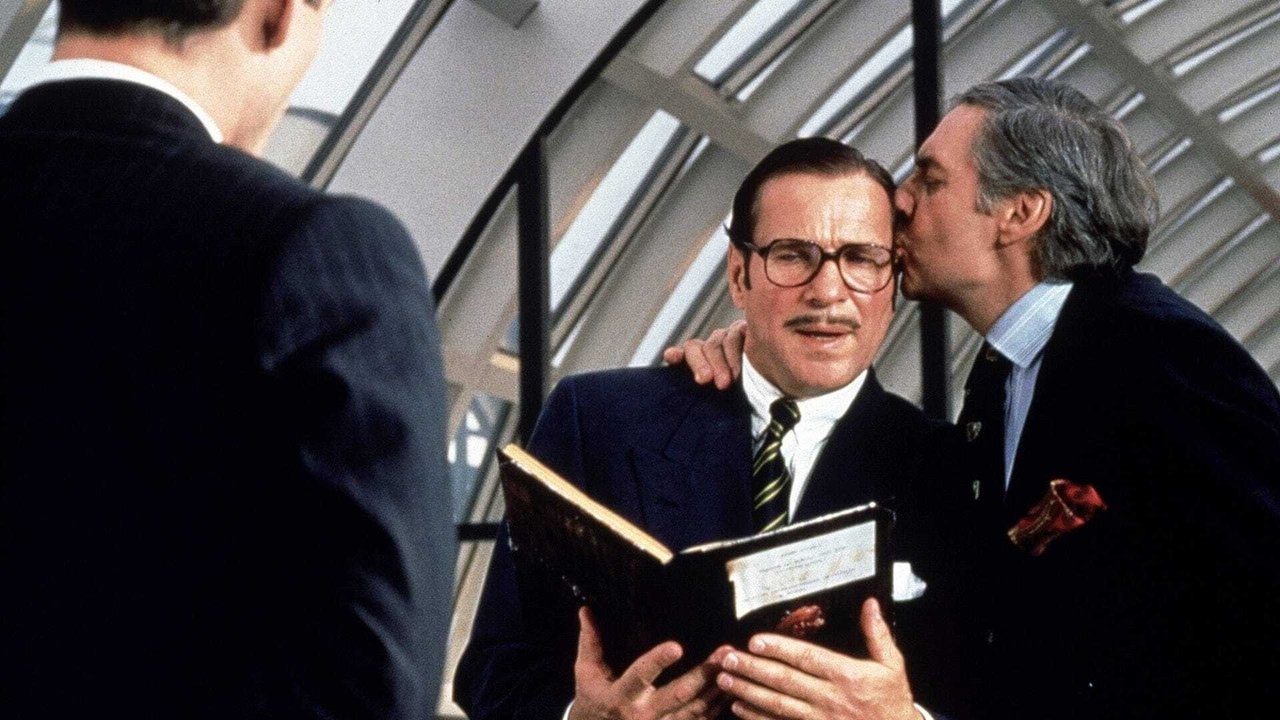
The performances are truly the heart of Schtonk!. Ochsenknecht embodies Knobel's sleazy charm and surprising artistic (?) dedication to his forgeries. You see the cogs turning, the constant calculation behind the folksy facade. He makes Knobel almost pitiable in his small-time ambition, even as his lies snowball into a global media event. George, conversely, captures the tragicomic decline of Willié. Initially driven by journalistic fervor (or perhaps just a desire for fame and fortune), he becomes utterly consumed, ignoring glaring inconsistencies and expert warnings, his judgment clouded by the allure of the diaries and his own Nazi artifact collection (including Hermann Göring's yacht!). There's a scene where Willié almost reverently handles the forged diaries, oblivious to their amateurish construction – it’s funny, yes, but also deeply unsettling. Christiane Hörbiger also shines as Freya von Hepp, Willié's social-climbing wife, adding another layer of avarice and delusion to the mix.
Behind the Forgery: Retro Fun Facts
Digging into the making of Schtonk! reveals layers that enhance the viewing. The title itself, "Schtonk!", is a nonsense word, apparently derived from the German "stunk" (past tense of 'stinken' - to stink) combined perhaps with a comedic flair, used in the film during a screening of Chaplin's The Great Dictator as a substitute for dialogue – a fittingly absurd origin for a film about absurdity. Director Helmut Dietl was reportedly meticulous about capturing the feel of the early 80s and the specific milieus of journalism and the memorabilia underground.
The real story is almost more unbelievable. Konrad Kujau used modern paper and ink, binding the diaries with cheap plastic covers and sticking on fake SS insignia bought in bulk from Hong Kong. Experts quickly identified the forgery, citing historical inaccuracies and the fact that the handwriting didn't match known Hitler samples. Yet, Stern magazine, along with other international publications like Newsweek and The Sunday Times (who quickly retracted), initially fell for it hook, line, and sinker. The film captures this media frenzy and the subsequent egg-on-face fallout with savage glee. Schtonk! reportedly cost around 10 million Deutschmarks to make (a hefty sum then, roughly equivalent to €5 million or about $5.5 million USD today, but imagine that scaled up!), but it paid off, becoming a huge hit in Germany and earning a well-deserved Academy Award nomination for Best Foreign Language Film in 1993. It lost to Indochine, but the nomination itself spoke volumes about its quality and impact.
More Than Just Laughs
While Schtonk! is undeniably funny, it's not just playing for laughs. Dietl uses the ridiculousness of the situation to poke sharp sticks at several targets: the media's hunger for sensationalism over substance, the public's morbid fascination with the Nazi era, the corrupting influence of money, and the frightening ease with which people suspend disbelief when presented with something they want to be true. Doesn't that last point still resonate profoundly today, perhaps even more so in our hyper-mediated world? The film doesn't excuse the horrors of the Third Reich; instead, it lampoons the often pathetic and venal ways people exploit that history for personal gain.
The look of the film perfectly complements its themes – slightly garish, capturing the questionable taste of the early 80s and the slightly seedy environments the characters inhabit. It feels authentic to the period, right down to the oversized glasses and questionable fashion choices, adding another layer of nostalgic (and sometimes cringe-inducing) recognition for those of us who remember the era.
The Verdict
Schtonk! remains a brilliantly sharp and wickedly funny satire. It takes a potentially sensitive subject and handles it with intelligence and biting wit, anchored by superb performances, particularly from Götz George and Uwe Ochsenknecht. It reminds us how easily sensationalism can trump scrutiny and how absurdity often walks hand-in-hand with history. Finding this on VHS back in the day felt like uncovering a hidden treasure, a foreign film that spoke a universal language of folly and greed.
Rating: 9/10
This score reflects the film's masterful blend of satire and drama, its outstanding performances, its sharp script, and its enduring relevance. It's a near-perfect execution of a film based on unbelievable real events, losing perhaps only a point for the fact that its specific German cultural references might fly over some international viewers' heads, though the core story is universally understandable.
Schtonk! leaves you laughing, yes, but also thinking – about the nature of truth, the mechanisms of media, and the enduring, often uncomfortable, shadow of the past. It’s a potent reminder that sometimes, the most unbelievable stories are the ones that actually happened.