Alright, fellow tapeheads, let's dim the lights, maybe ignore that slight tracking fuzz at the bottom of the screen, and talk about a sequel that likely raised more eyebrows than scares back in the day: Ghoulies IV (1994). Finding this one tucked away on the video store shelf, maybe in the "New Releases" section for about a week before migrating to the dusty horror aisle, felt like unearthing a strange artifact. How did we get here from the toilet terror of the original? And more importantly, why is Jonathan Graves suddenly a cop?
### From Summoner to Street Cop?
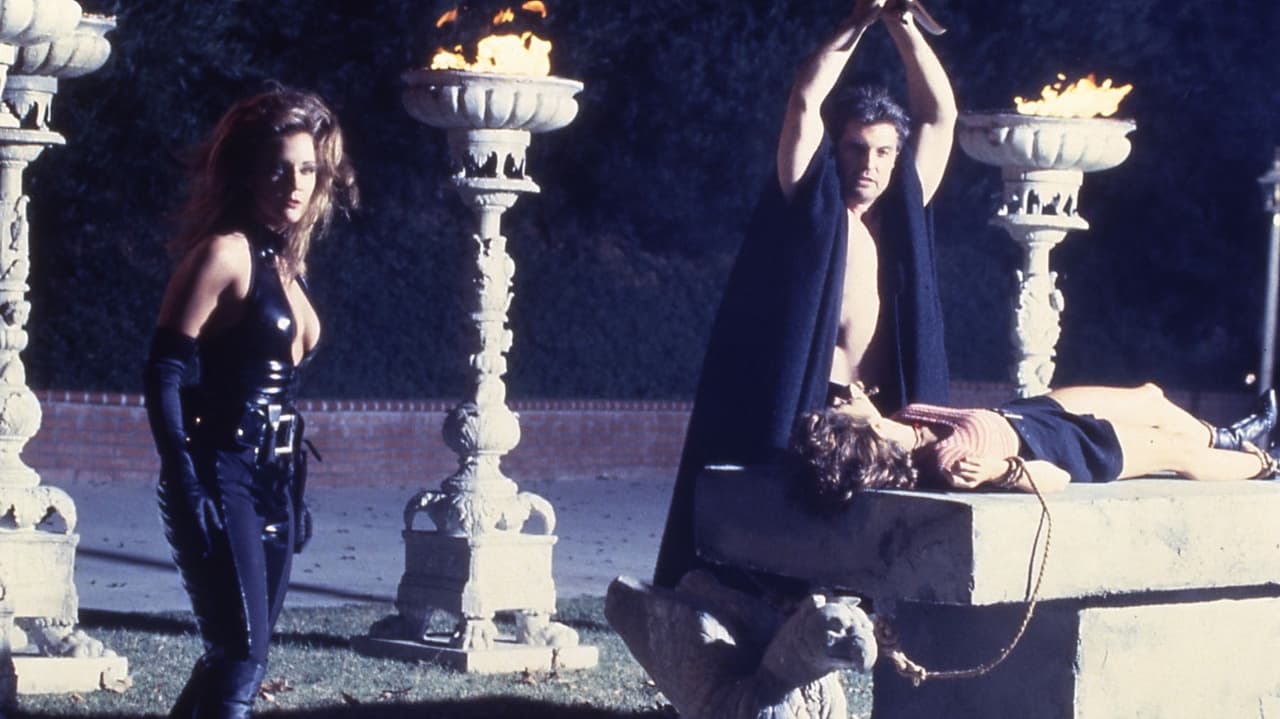
Yes, you read that right. The most immediate head-scratcher in Ghoulies IV is the return of Peter Liapis as Jonathan Graves, the dabbler in dark arts from the 1985 original. Only now, he's inexplicably Jonathan Martin, a weary police detective haunted by his past. It's a retcon so brazen it almost demands a slow clap. Gone is the gothic mansion, replaced by the gritty streets (well, budget-friendly Los Angeles backlots) and a plot involving two warring mystical factions led by the nefarious Alexandra (played with vampy relish by Stacie Randall) and the more benevolent Kate (Barbara Alyn Woods, years before finding suburban drama on One Tree Hill). These two are battling for control over... well, the Ghoulies, naturally, or at least the power they represent. It seems our little demonic critters are now caught in a supernatural custody battle, manifesting as a "Dark Ghoulie" and a "Light Ghoulie". It’s certainly… a choice.
### Wynorski Whirlwind Production
Stepping behind the camera for this fourth outing is the legendary king of quick-and-cheap B-movies, Jim Wynorski. If you know Wynorski's work (Chopping Mall, The Return of Swamp Thing), you know what to expect: maximum efficiency, minimal fuss, and a certain undeniable energy that comes from shooting faster than seemed humanly possible. Rumor has it Ghoulies IV was cranked out with typical Wynorski speed, likely sharing resources or locations with another production. This breakneck pace is palpable; the editing feels brisk, the setups are straightforward, and there’s little time wasted on nuance. While it means the film lacks polish, there’s a certain raw, unpretentious quality that feels right at home on a worn-out VHS tape. You get the sense they were making it up as they went along, fueled by lukewarm coffee and the ticking clock of the shooting schedule.
### Where Did Our Little Monsters Go?
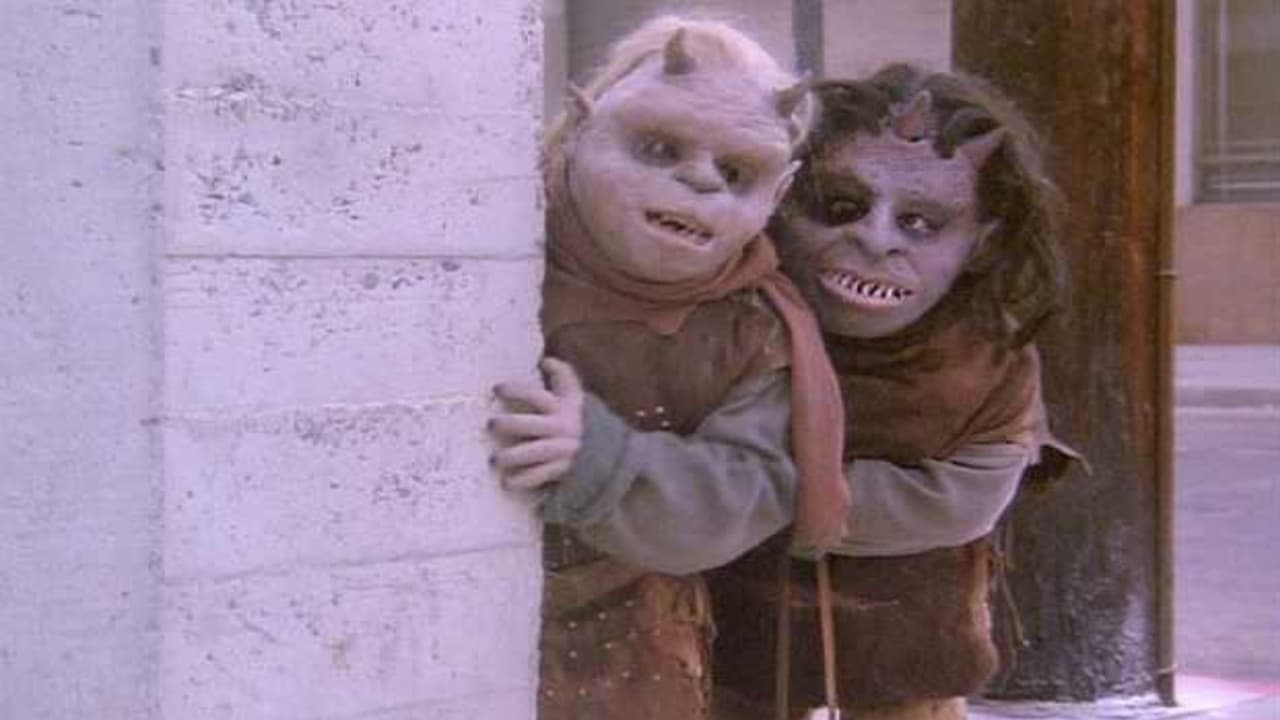
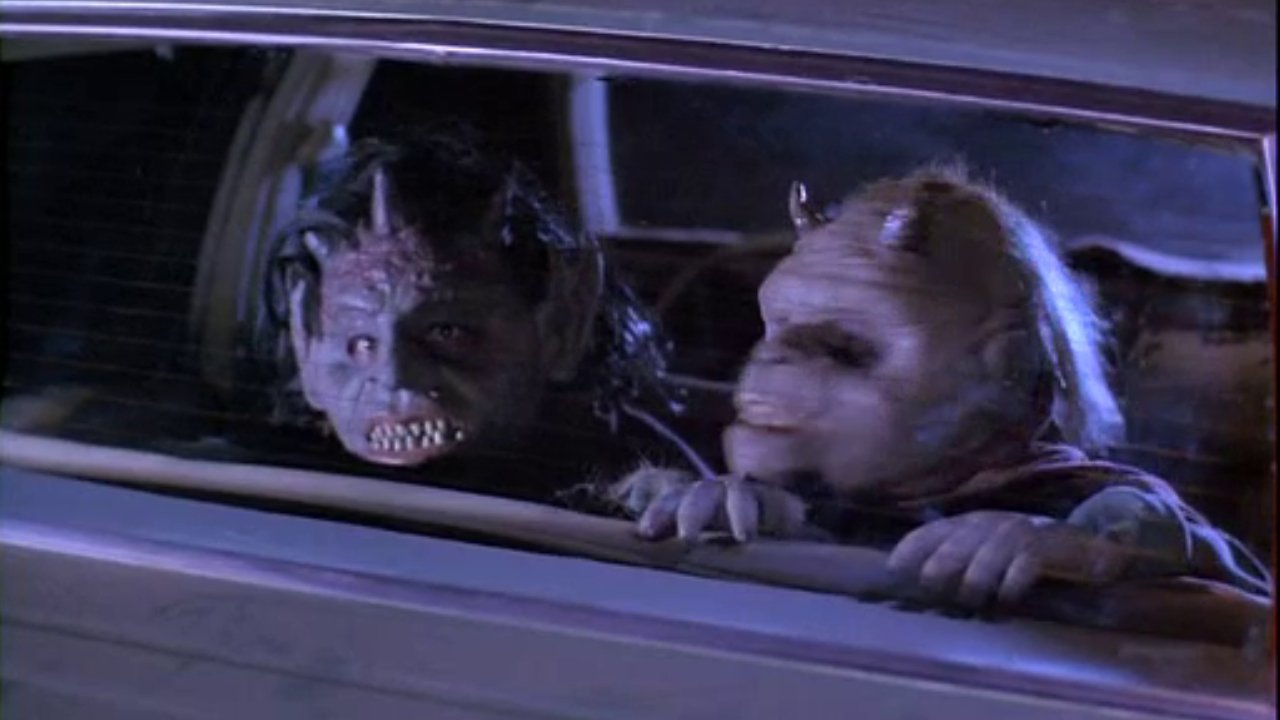
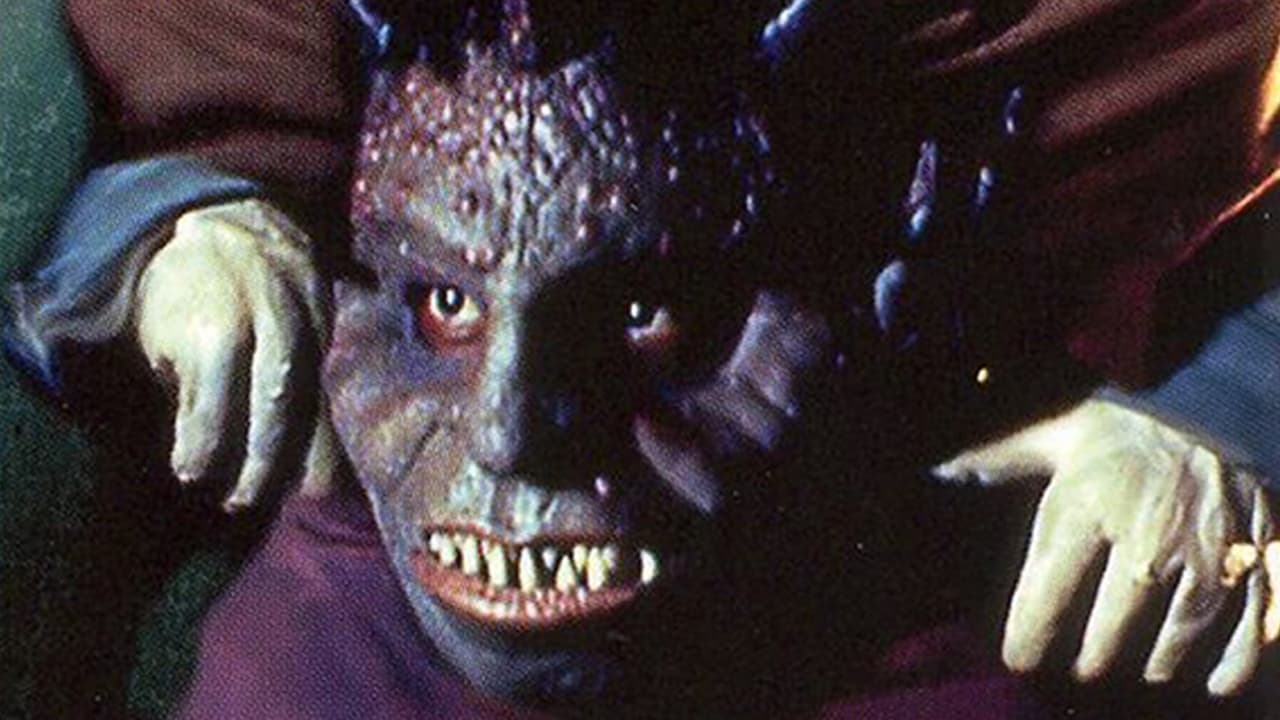
Now, let's talk about the stars: the Ghoulies themselves. This being the mid-90s direct-to-video market, the budget clearly didn’t stretch far. While the first couple of films gave us hordes of mischievous, slimy puppets, Ghoulies IV primarily focuses on just two main puppets – the aforementioned Light and Dark Ghoulies. They're… okay? The practical puppetry is still there, that tangible quality we love from the era. You see the rubbery skin, the jerky movements performed by unseen hands just off-camera. There's an undeniable charm to seeing real objects interacting on set, a far cry from the weightless CGI creatures that would soon dominate. However, compared to their predecessors, these Ghoulies feel a bit less characterful, more like props caught in the crossfire of the human drama. Honestly, they often feel like an afterthought in their own movie, which is a strange fate for the titular creatures. Remember how delightfully mean-spirited and numerous they were in Ghoulies II (1987)? This feels worlds away.
### A Franchise Adrift
Ghoulies IV barely feels connected to the series mythology, beyond the name and Liapis's presence (in name only, really). Ghoulies (1985) was a post-Gremlins creature feature, Ghoulies II doubled down on the monster mayhem, and Ghoulies III: Ghoulies Go to College (1991) leaned heavily into campus comedy absurdity. This fourth entry throws most of that out for a low-rent supernatural cop thriller template. It’s a fascinating example of how DTV sequels in the 90s often just grabbed a recognizable title and slapped it onto whatever script was lying around. The fact that Liapis returned adds a layer of surreal continuity, even if his character’s drastic career change remains baffling. Was it just a way to get a familiar face back, regardless of logic? Probably!
The film has that unmistakable late-night cable vibe – dimly lit sets, synth-heavy score, earnest performances trying to sell a truly bizarre premise. Barbara Alyn Woods brings a certain grounded quality as Kate, and Stacie Randall clearly had fun chewing the scenery as the villainess Alexandra. Liapis does his best playing the world-weary detective, even if the script gives him little connection to the occultist we first met.
### Final Reel
Watching Ghoulies IV today is an exercise in appreciating the weird corners of the 90s DTV market. It’s not scary, it’s barely funny (though perhaps unintentionally so at times), and the Ghoulies feel sidelined. But as a time capsule of low-budget filmmaking under directors like Jim Wynorski, and as a testament to the strange paths horror franchises could take when the theatrical money dried up, it holds a certain fascination. I distinctly remember renting this, drawn in by the familiar name on the box art, and experiencing a profound sense of "Wait, what is happening?"

VHS Heaven Rating: 3/10
Justification: The rating reflects the film's technical shortcomings, baffling plot, and the lack of focus on the titular creatures. However, it gets a couple of points for the sheer audacity of its concept, the return (however strange) of Peter Liapis, the inherent charm of its practical (if limited) puppet effects, and its value as a pure, unadulterated slice of 90s direct-to-video weirdness curated by the B-movie maestro Jim Wynorski.
Final Thought: Ghoulies IV is less a sequel, more a witness protection program for its main character and creatures – a bizarre, cheap, and strangely watchable relic from a time when a franchise name on a VHS box was sometimes all you needed.