Reach out and touch someone... evil. That insidious tagline, whispered over late-night TV spots, promised a direct line to damnation via the most mundane of 80s technology: the 1-900 number (disguised here as 976). 1988's 976-EVIL wasn't just another horror flick cluttering the shelves of the local video store; it was the directorial debut of a certain razor-gloved dream demon himself, Robert Englund. The prospect alone was enough to make you grab that oversized clamshell case, the lurid cover art practically buzzing under the fluorescent lights. Could Freddy Krueger conjure cinematic terror from behind the camera?
Dialing Up Darkness
The setup is classic suburban angst filtered through a supernatural lens. We meet cousins Hoax (Stephen Geoffreys) and Spike (Patrick O'Bryan). Hoax is the archetypal nerd – awkward, bullied, living under the oppressive thumb of his religiously fanatical mother (played with unsettling intensity by the legendary Sandy Dennis in one of her final roles). Spike is his cooler, motorcycle-riding counterpart, trying to look out for Hoax while navigating his own teenage world. Into Hoax's desperate life comes the seductive whisper of the 976-EVIL hotline, promising cryptic "horrorscopes" that offer more than just vague predictions; they offer power. Dark power.
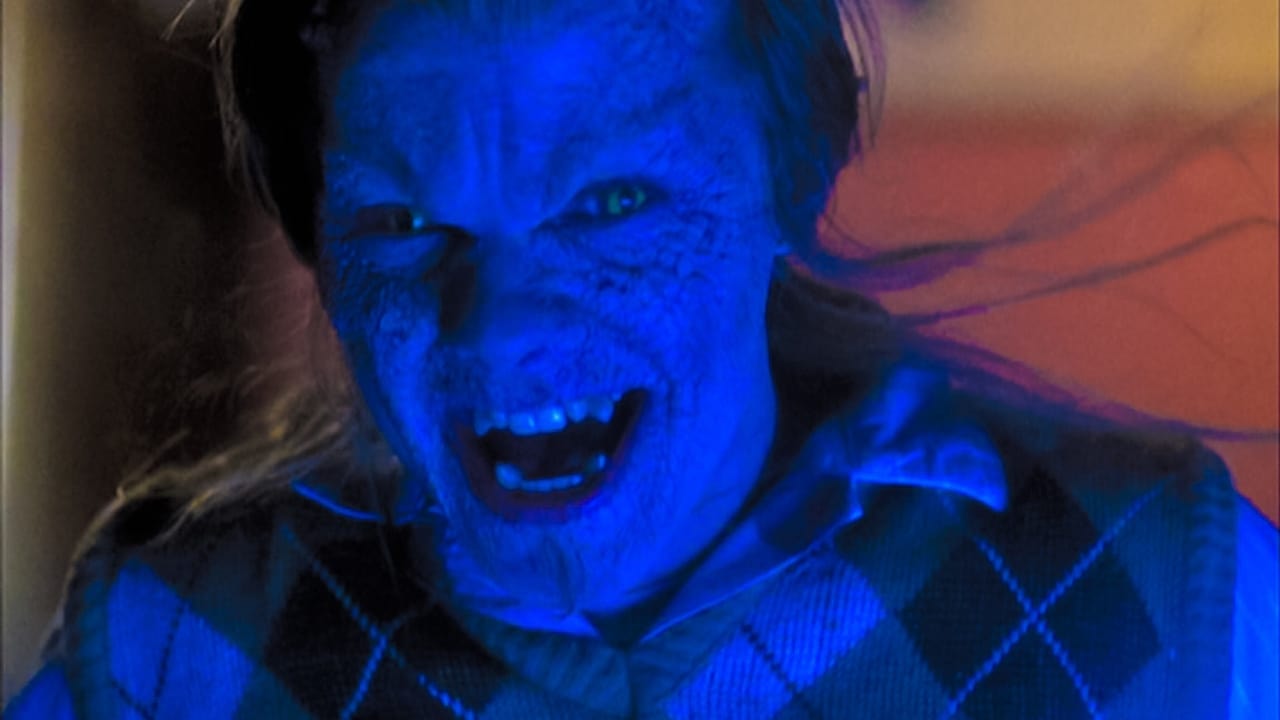
What starts as harmless fun, a way for Hoax to gain confidence and maybe a little petty revenge, quickly spirals. The line isn't just giving advice; it's a conduit, slowly twisting the timid Hoax into something monstrous, both physically and spiritually. It's a Faustian pact made over a crackling phone line, a theme that resonates with that particular brand of technological paranoia bubbling up in the late 80s. Remember those news stories about kids racking up huge phone bills on psychic hotlines? This film took that fear and cranked it up to eleven, adding demonic possession to the mix.
From Victim to Villain
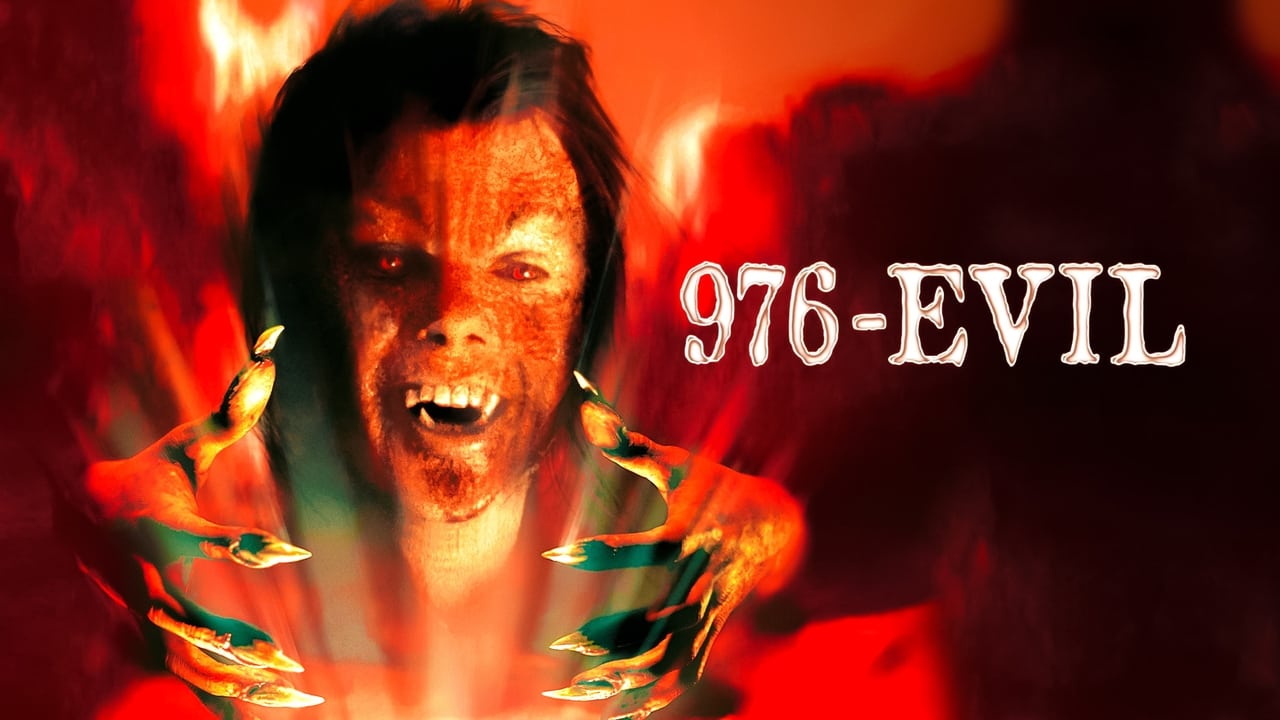
The film truly hinges on Stephen Geoffreys' performance as Hoax. Known to horror fans for his memorable turn as the delightfully creepy "Evil" Ed in Fright Night (1985), Geoffreys throws himself into the role. His transformation from sniveling outcast to preening, leather-clad demon is the film's dark heart. There's a tragic element to his initial calls, seeking any escape from his miserable reality, but as the power takes hold, Geoffreys imbues Hoax with a genuinely unnerving glee. The makeup and practical effects, courtesy of artists who would form the acclaimed KNB EFX Group, are pure 80s gold – latex-heavy, gloriously grotesque, and possessing that tangible quality digital effects often lack. Doesn't that final demonic form, all leathery wings and distorted features, still possess a certain unsettling charm?
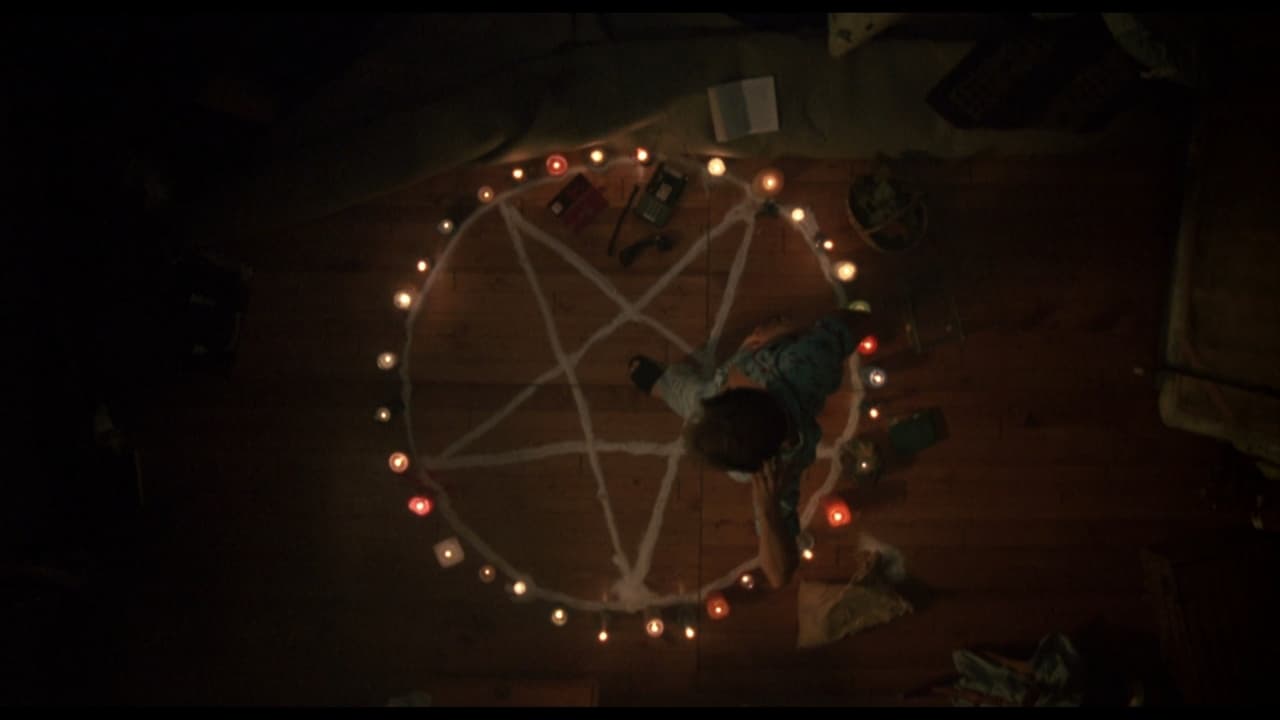
Englund, stepping behind the camera for the first time, clearly brings his horror sensibilities to bear. There's a tangible sense of dread built around Hoax's descent, particularly in the scenes within his oppressive home environment. Englund reportedly drew inspiration from Stephen King’s Carrie for the mother-son dynamic, and Sandy Dennis certainly delivers a chillingly memorable performance. Englund also manages some genuinely atmospheric sequences, particularly as Hoax's powers manifest in increasingly deadly ways. You can see him experimenting, finding his directorial voice, sometimes stumbling but often landing on imagery that sticks with you – the glowing phone, the infernal light spilling from doorways.
Static on the Line
It's not a perfect call, however. The script, co-written by Brian Helgeland (who would later win an Oscar for L.A. Confidential (1997) – talk about a career trajectory!) and Rhet Topham, occasionally wobbles between genuine darkness and moments that feel decidedly more B-movie camp. Some dialogue clunks, and Spike's character arc feels a little underdeveloped compared to the attention lavished on Hoax's damnation. The pacing can lag slightly in the middle before the truly demonic chaos erupts in the final act.
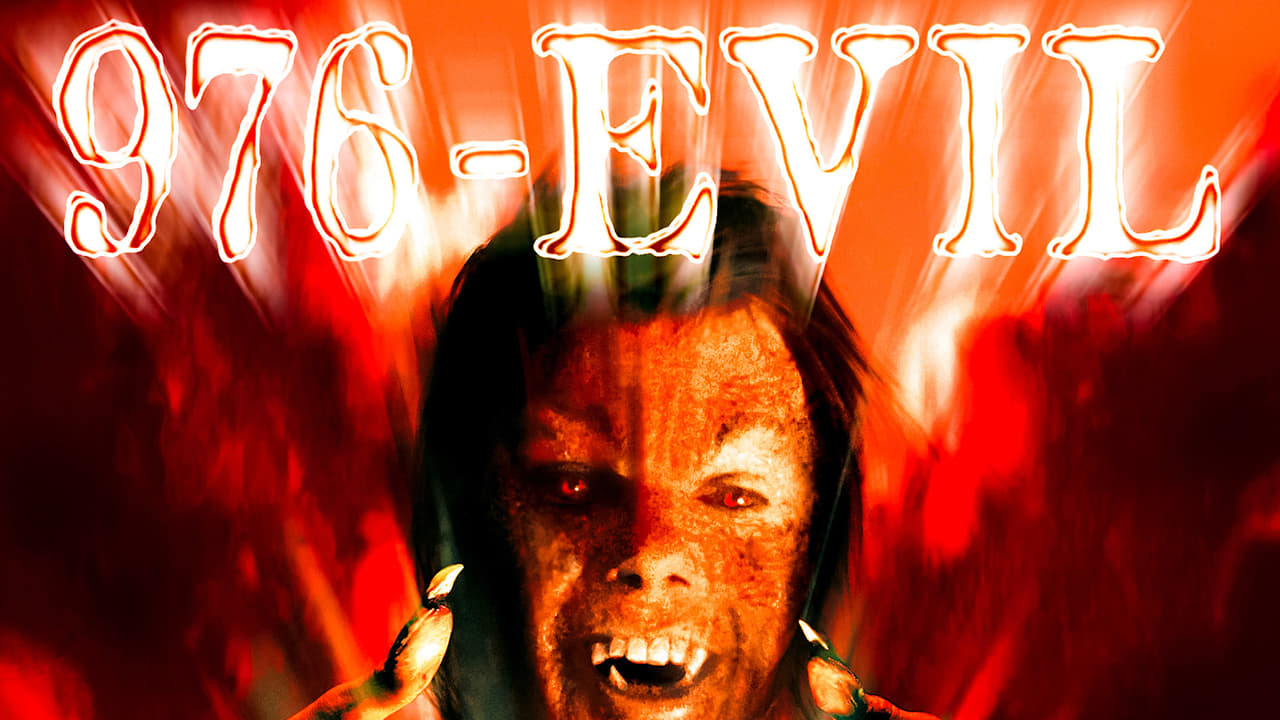
Interestingly, the film that hit theaters wasn't quite Englund's full vision. An unrated director's cut, later surfacing on home video, restores some gore and character moments trimmed by the studio seeking an R rating. Made for a reported $3 million, it didn't exactly set the box office ablaze, grossing just under that amount domestically. Perhaps audiences weren't quite ready for Freddy Krueger the director, or maybe the specific 976 premise felt too niche. Yet, like so many films of its era, it found a dedicated following on VHS and cable, becoming a cult favorite whispered about in video store aisles. I distinctly remember the menacing cover art being a frequent sight in the horror section, practically daring you to take it home.
Final Judgment
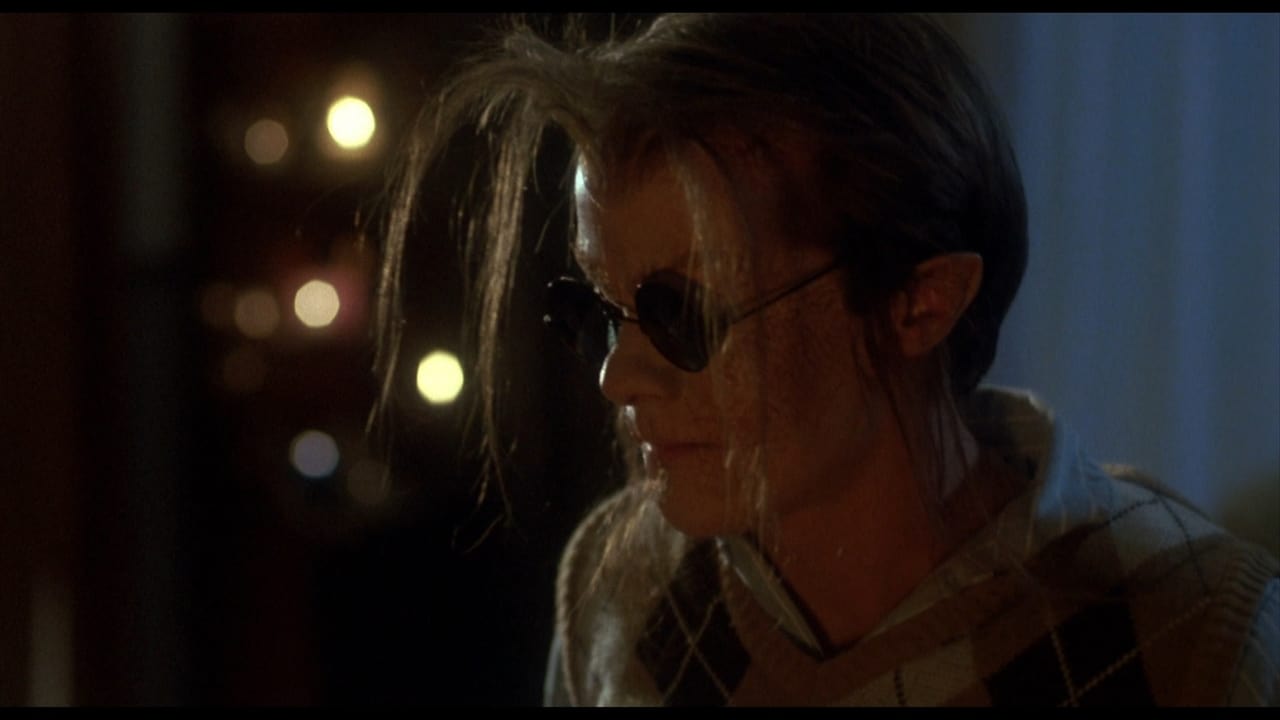
976-EVIL is a fascinating product of its time – a blend of supernatural horror, teenage angst, and nascent technophobia, all filtered through the lens of a horror icon making his directorial debut. It’s uneven, certainly, with moments that lean into glorious 80s cheese, but it possesses a dark energy and a committed central performance from Stephen Geoffreys that elevates it above standard horror fare. Englund crafts some genuinely creepy atmosphere, and the practical effects deliver the goods for fans of the era's creature features. It's a snapshot of late-80s horror trying something a little different, even if it doesn't always connect perfectly.
Rating: 6/10
Why a 6? While the core concept is strong, Geoffreys shines, and Englund shows directorial promise with solid atmosphere, the uneven script, occasional campiness, and underdeveloped supporting characters keep it from reaching true classic status. It's a fun, creepy ride with undeniable nostalgic appeal and some truly memorable moments, but it doesn't quite transcend its B-movie roots. Still, for a late-night watch that perfectly captures that specific 80s vibe of technology gone bad, you could do far worse than dialing up this number. It remains a compelling curiosity and a significant first step for Englund behind the camera.