There's a certain quiet weight to encountering Maurice Pialat's Van Gogh (1991), especially digging it out now, perhaps on a well-loved tape or a carefully preserved disc. It doesn't announce itself with the dramatic flourishes we often associate with cinematic portrayals of tormented geniuses. Instead, it settles around you, like the humid summer air of Auvers-sur-Oise where Vincent spent his final weeks. It asks for patience, observation, and a willingness to engage with a life presented not as a highlight reel of madness and creation, but as a sequence of days, conversations, meals, and moments of quiet desperation punctuated by bursts of artistic fervor.
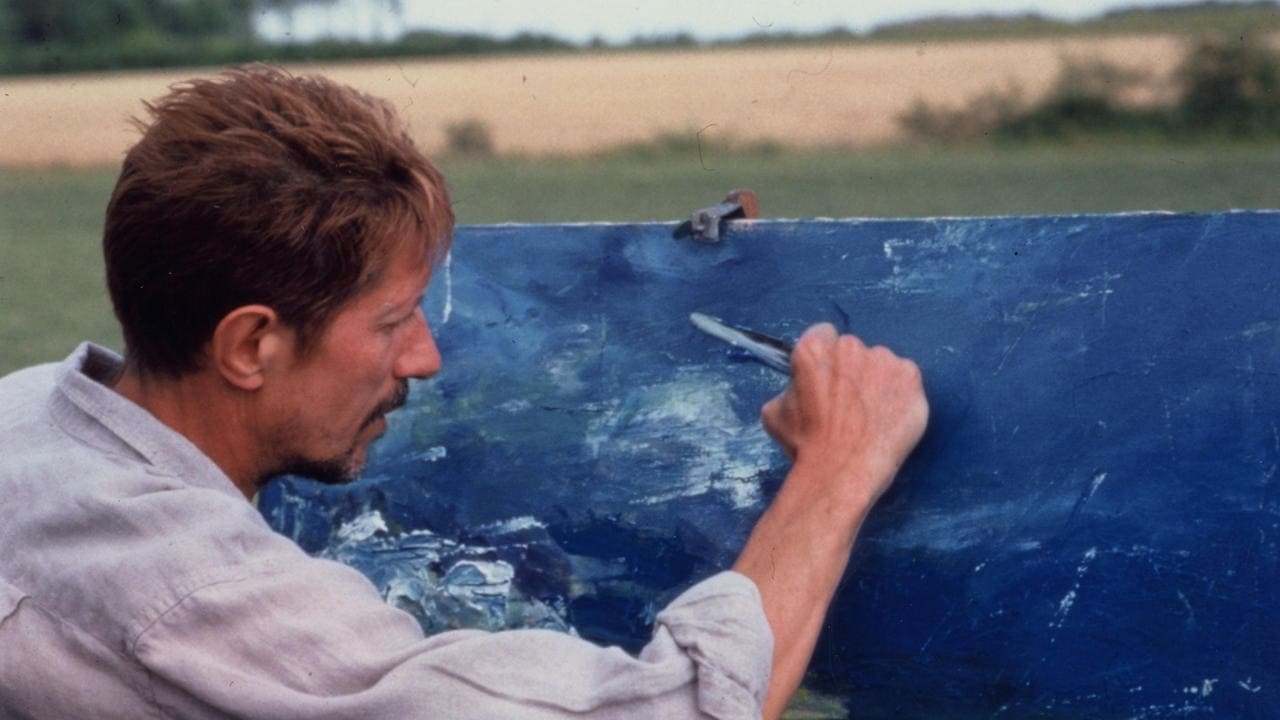
This isn't the Van Gogh of Kirk Douglas's fiery intensity in Lust for Life. Pialat, ever the cinematic contrarian, strips away the myth-making. What remains is something far more unsettling and, arguably, more human.
The Unvarnished Portrait
Pialat focuses entirely on the last two months of Van Gogh's life in 1890, under the care of Dr. Gachet (Bernard Le Coq). We see Vincent paint, yes, but we also see him eat, drink, argue, wander through fields, visit brothels, and awkwardly navigate complex relationships, particularly with Gachet's daughter Marguerite (Alexandra London) and his devoted brother Theo (Jacques Vidal). The film deliberately avoids the iconic, sensational moments – no ear incident, no asylum scenes. This choice feels radical even today. Pialat seems less interested in the "mad artist" trope and more in the weary man struggling with his demons, his poverty, and the gnawing uncertainty of his artistic worth within the fabric of everyday existence.
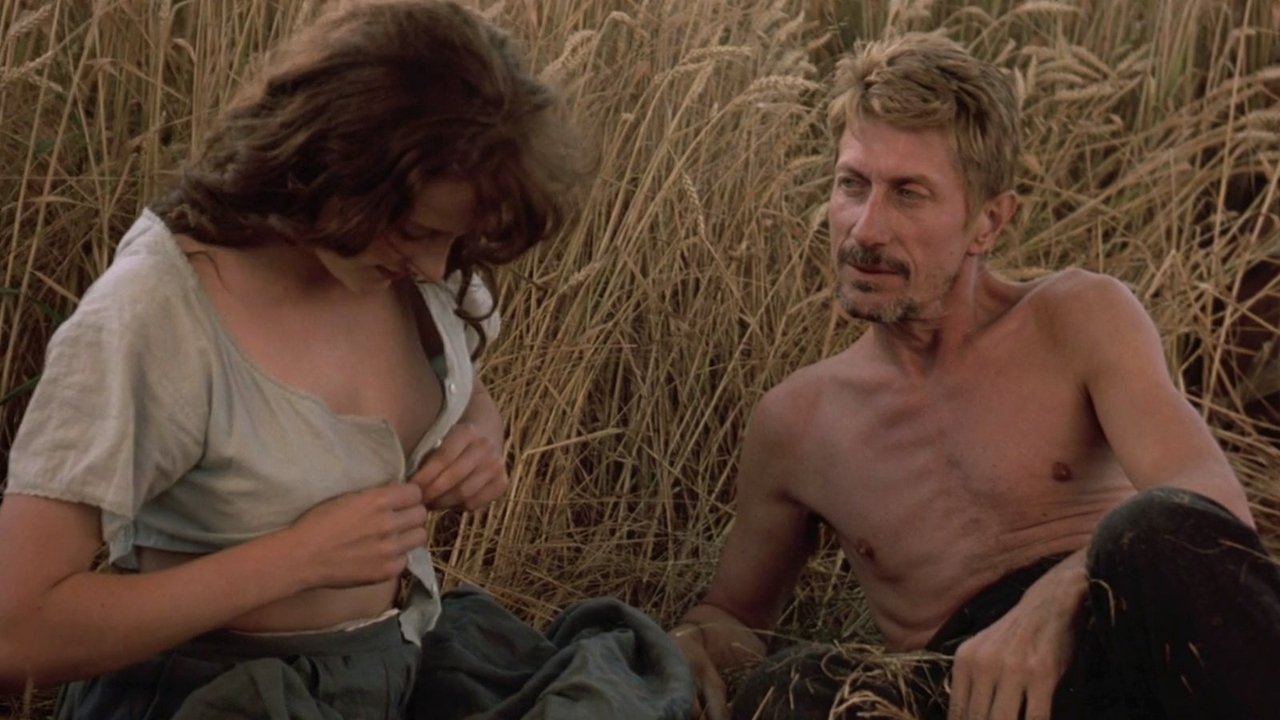
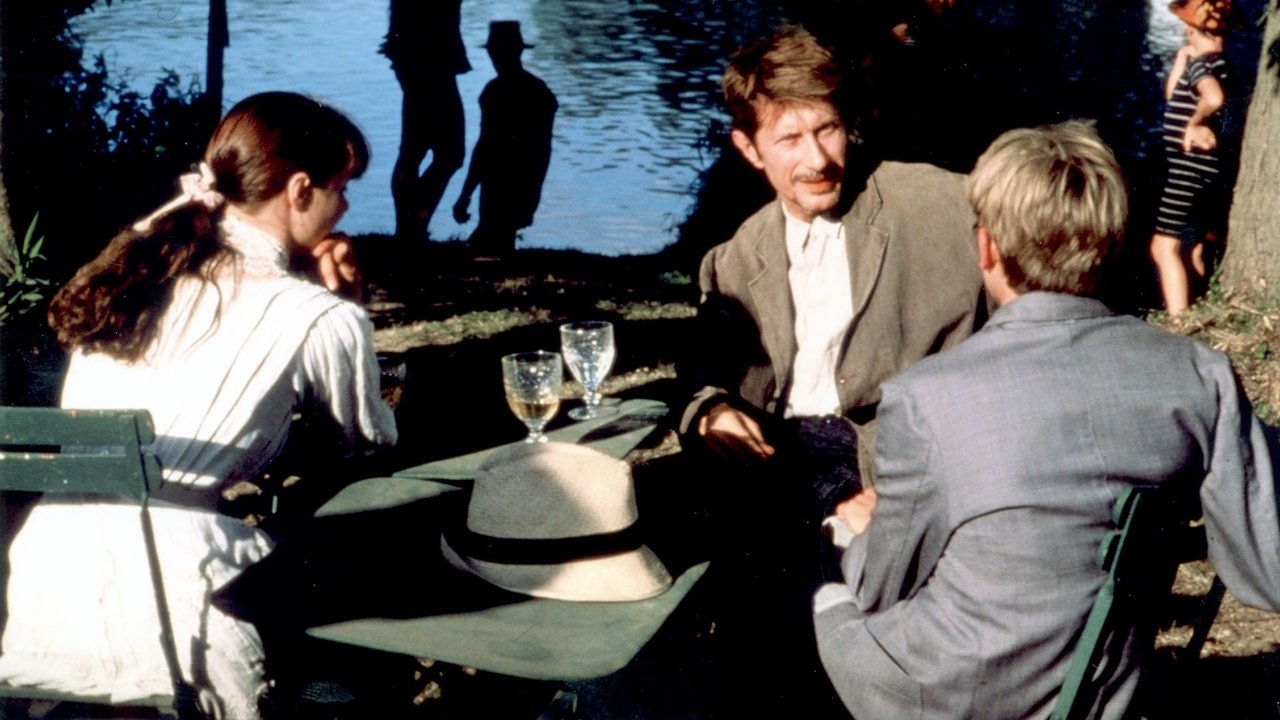
The effect is cumulative. The narrative unfolds with a naturalistic rhythm, often feeling unscripted. Conversations overlap, scenes linger, and dramatic payoffs are frequently withheld. It’s a style that demands attention, pulling you into the textures of the period – the rustle of dresses, the clink of glasses, the thick, palpable atmosphere of a French village summer.
A Reluctant Star, A Defining Role
At the heart of the film is Jacques Dutronc's remarkable performance as Vincent. Dutronc, primarily known in France as a hugely popular singer and songwriter, embodies Van Gogh with a startling lack of affectation. There are no grand pronouncements or scenery-chewing breakdowns. Instead, Dutronc offers a portrayal built on subtle shifts in expression, weary sighs, moments of sharp, unexpected anger, and a profound sense of inner turmoil masked by a veneer of stoicism. It’s a performance of being rather than acting, perfectly aligning with Pialat's ethos.
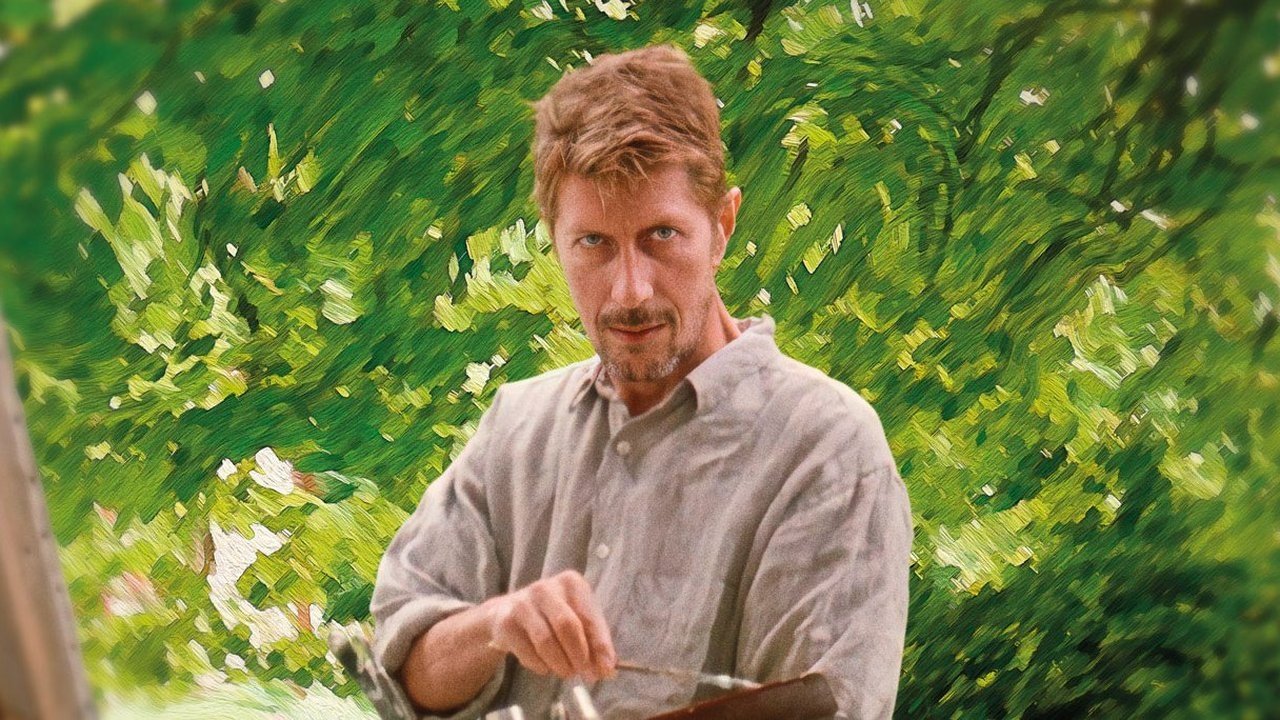
Retro Fun Fact: Pialat reportedly pursued Dutronc specifically because he wasn't a conventional dramatic actor. He felt established stars like Gérard Depardieu (initially considered) carried too much baggage. Pialat famously instructed Dutronc, "Don't act. Be." This minimalist direction clearly resonated, earning Dutronc the César Award for Best Actor – a major upset and testament to his non-traditional but utterly convincing portrayal.
The supporting cast is uniformly strong. Alexandra London brings a captivating mix of curiosity, affection, and frustration to Marguerite, whose complex relationship with Vincent forms one of the film's emotional anchors. Bernard Le Coq as Dr. Gachet avoids caricature, presenting him as a man genuinely interested in art but also flawed and somewhat bourgeois.
Pialat's Method
Understanding Maurice Pialat is key to appreciating Van Gogh. Known for his demanding, often confrontational style, he sought raw authenticity above all else. His sets were apparently places of intense concentration and occasional friction, as he pushed actors through numerous takes, waiting for those unvarnished moments of truth.
Retro Fun Fact: The film's meticulous period detail and lengthy, often improvised scenes came at a cost. Van Gogh had a substantial budget for a French production of the era – around 80 million Francs (roughly $15 million USD then, potentially north of $30 million in today's money). This investment is visible in the authentic locations in Auvers-sur-Oise and the lived-in quality of the sets and costumes, contributing significantly to the film's immersive power.
Pialat’s approach extends to the visuals. The cinematography by Emmanuel Machuel, Gilles Henry, and Jacques Loiseleux (Pialat often worked with multiple DPs) isn't overtly trying to mimic Van Gogh's canvases. Instead, it captures the light and landscape of Northern France with a painterly eye, but one grounded in realism. The light feels natural, the compositions often favouring observation over dramatic framing. It complements the film's refusal to romanticize its subject.
Retro Fun Fact: Pialat spent years developing the project. His determination to focus solely on the Auvers period, avoiding the more "cinematic" biographical beats, was a conscious artistic decision. He wanted to depict the artist grappling not just with mental anguish, but with the mundane pressures of life, illness, and professional disappointment – a far cry from the typical Hollywood biopic structure.
Enduring Resonance
Why does Van Gogh linger, even decades later? Perhaps because its unsentimental approach feels more resonant than ever. In an age saturated with curated images and performance, Pialat's insistence on showing the unvarnished, often uncomfortable reality of a life feels bracingly honest. It asks us to consider the artist not as a deity touched by madness, but as a fragile human being navigating a world indifferent or hostile to his vision. What does it mean to create when recognition is elusive, when illness weighs heavy, when simple human connection proves fraught?
The film doesn't offer easy answers. Its length (158 minutes) and deliberate pacing can be challenging, demanding a certain investment from the viewer. It resists easy emotional catharsis. Yet, its cumulative power is undeniable. It leaves you not with a sense of tragic grandeur, but with a profound, melancholic understanding of the man behind the incandescent sunflowers.
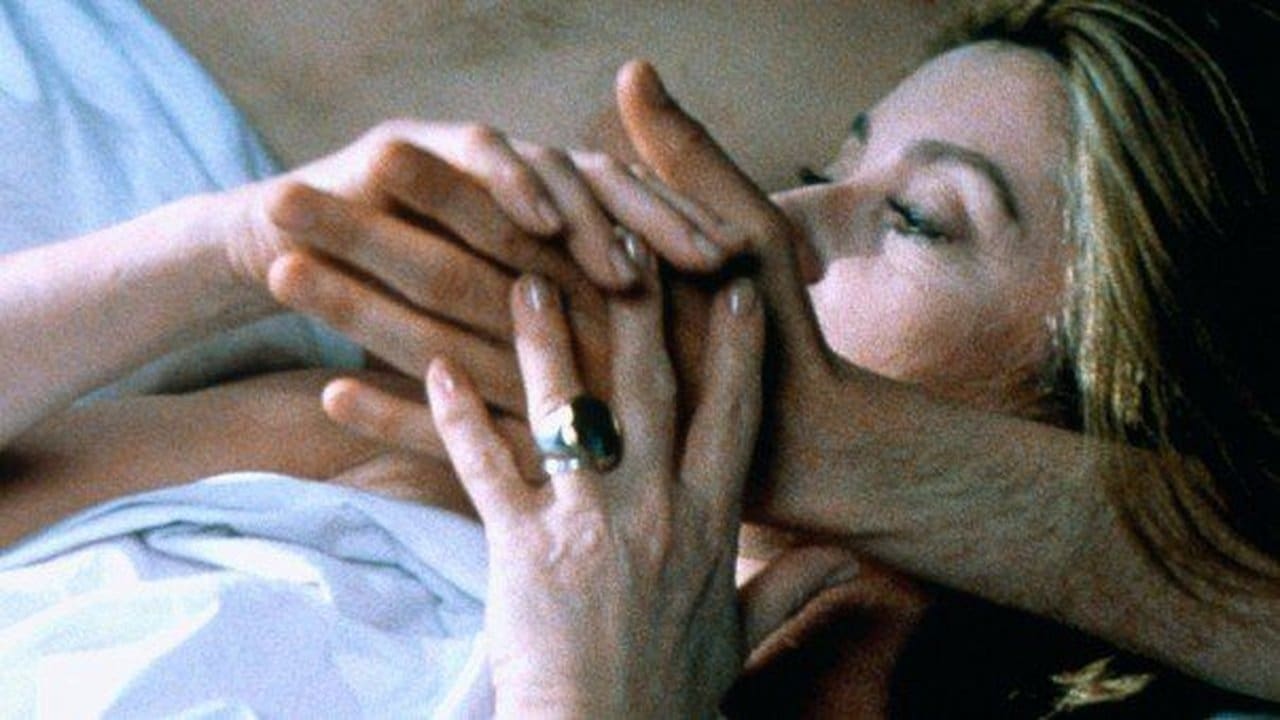
Rating: 8.5/10
Justification: Van Gogh is a masterclass in naturalist filmmaking and features an extraordinary, understated lead performance. Pialat's uncompromising vision delivers a portrait of an artist stripped of romantic cliché, achieving a rare and unsettling authenticity. Its meticulous craft, immersive atmosphere, and thematic depth are undeniable. It loses a point-and-a-half primarily due to its demanding length and pacing, which, while integral to its effect, undeniably make it a less accessible film for casual viewing and require significant viewer commitment.
Final Thought: This isn't just a biopic; it's Pialat using Van Gogh's final days to explore the very texture of existence – the friction between art and life, brilliance and despair, connection and profound loneliness, all rendered with a quiet, devastating honesty that feels worlds away from a blockbuster but resonates deeply in the quiet hum of a late-night watch.