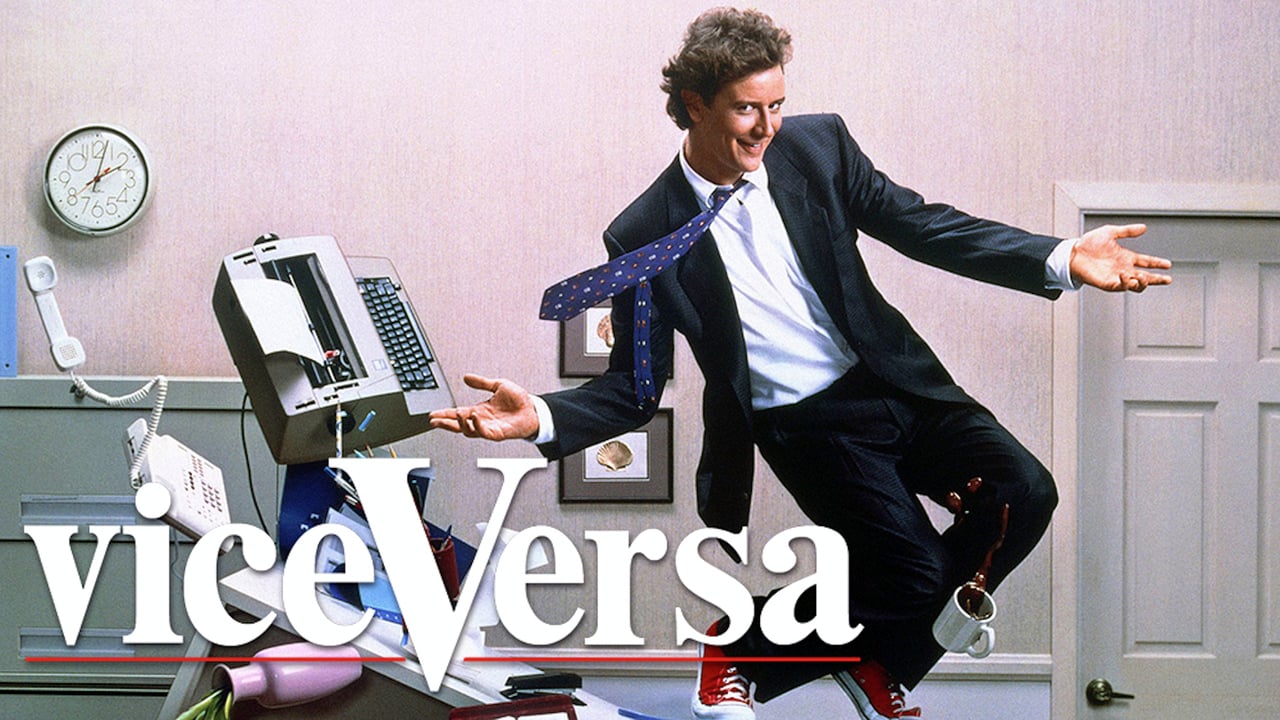
It seemed like for a hot minute there in the late 80s, Hollywood couldn't get enough of playing musical chairs with people's souls. We had fathers becoming sons, grandfathers becoming grandsons, and amidst this whirlwind of metaphysical mix-ups, 1988 gifted us Vice Versa, a film that threw a particularly stressed-out department store executive and his 11-year-old son into the personality blender, all thanks to a rather fetching, albeit cursed, Tibetan skull. If you were haunting the aisles of Blockbuster back then, chances are this tape, with its vibrant cover promising chaotic comedy, caught your eye more than once.
### A Skull-duggerous Situation
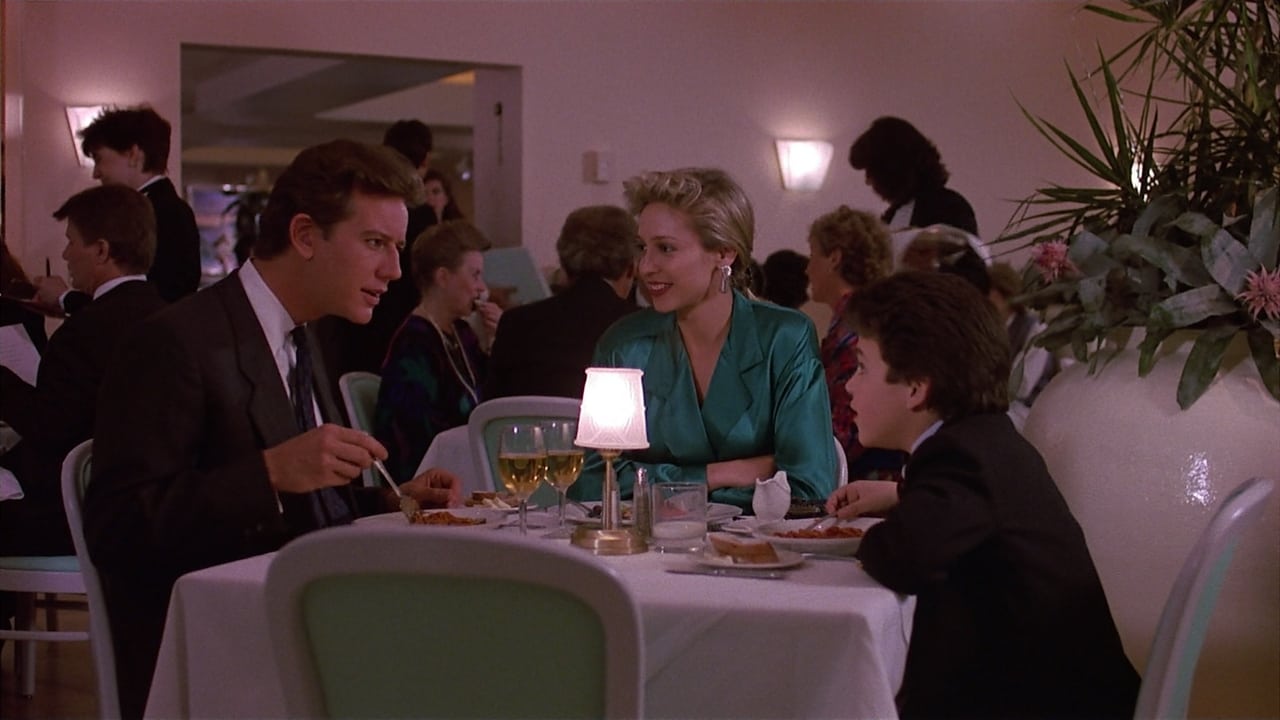
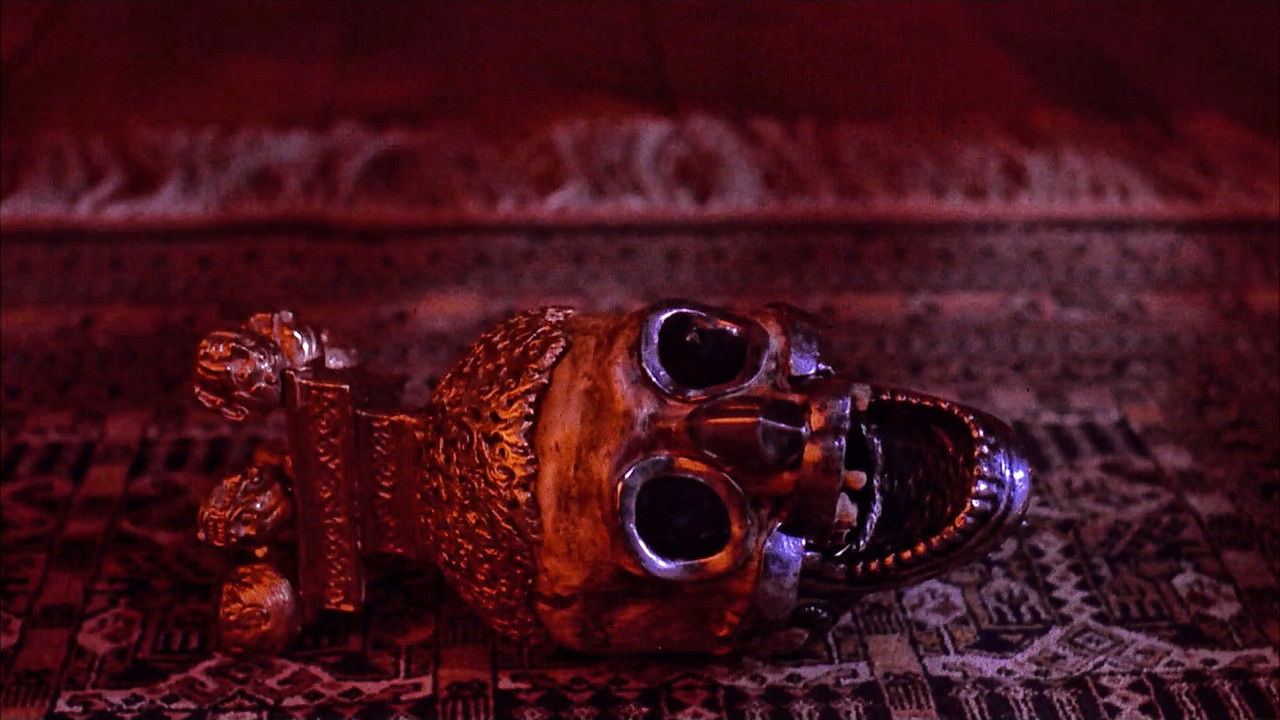
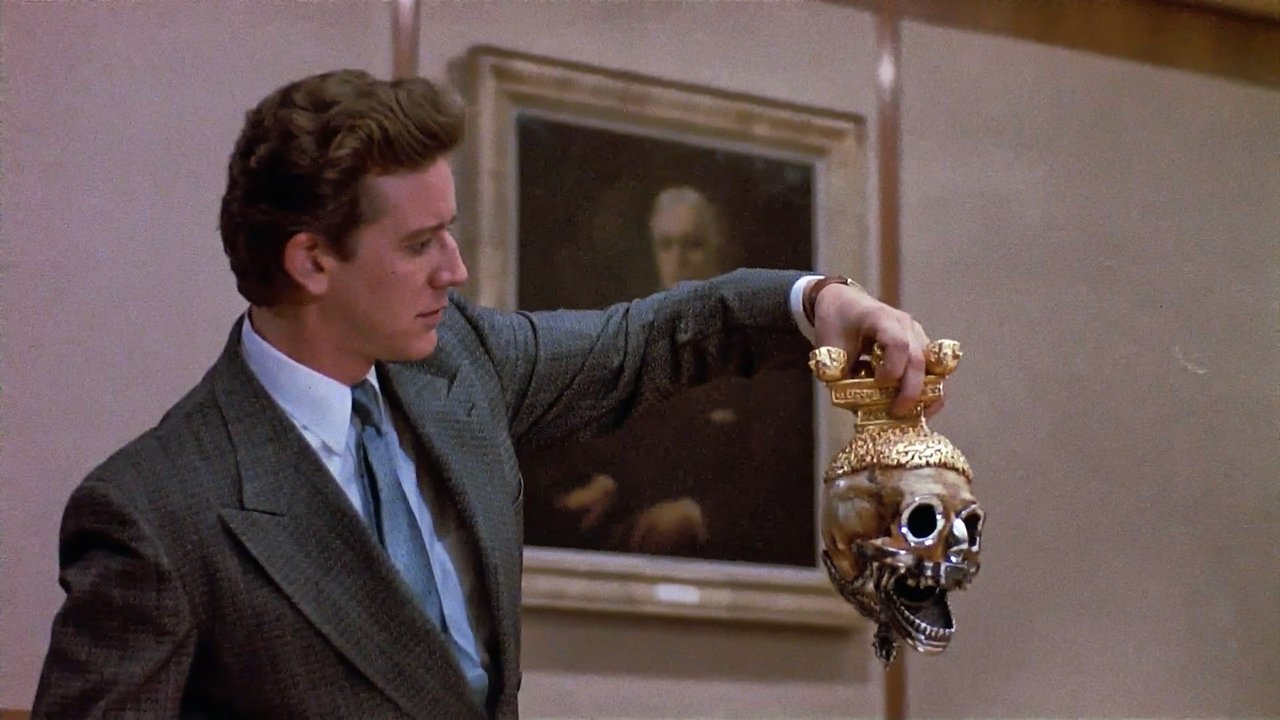
The premise, penned by the legendary British comedy duo Dick Clement and Ian La Frenais (the geniuses behind TV classics like Porridge and Auf Wiedersehen, Pet), is classic body-swap fare. Marshall Seymour (Judge Reinhold) is a divorced, overworked VP for a Chicago department store, juggling a promotion bid with impending fatherhood duties as his son, Charlie (Fred Savage), arrives for a visit. Marshall's just returned from a sourcing trip to Thailand, unknowingly acquiring a highly sought-after mystical skull. After a classic argument fueled by generational misunderstanding ("You don't know what it's like to be a kid!" / "You don't know what it's like to be an adult!"), they both wish they could trade places while touching the skull... and voilà! Cue the panic, the high-pitched screaming, and the sudden urge for Dad to play video games while Junior needs to figure out stock reports.
It's a setup ripe for comedic chaos, and director Brian Gilbert (who would later direct the much more serious biopic Wilde) leans into the ensuing absurdity. The plot throws in smugglers desperate to retrieve the skull, adding a layer of light thriller stakes to the father-son predicament, ensuring things keep moving beyond just the domestic comedy.
### The Kids Are Alright (and Vice Versa)
What truly makes Vice Versa tick, and likely why it holds a fuzzy spot in many a retro-fan's heart, is the pairing of its leads. Judge Reinhold, fresh off his memorable run in the Beverly Hills Cop series, throws himself wholeheartedly into playing an 11-year-old trapped in a grown man's body. He nails the boundless energy, the goofy physicality, the utter bewilderment at adult responsibilities, and yes, the awkwardness of interacting with his dad's attractive musician girlfriend, Sam (Corinne Bohrer). His boardroom presentation delivered with childlike glee (and crayon charts!) is a standout moment of manic energy. Reinhold's performance is broad, certainly, but it’s delivered with an infectious enthusiasm that sells the gimmick.
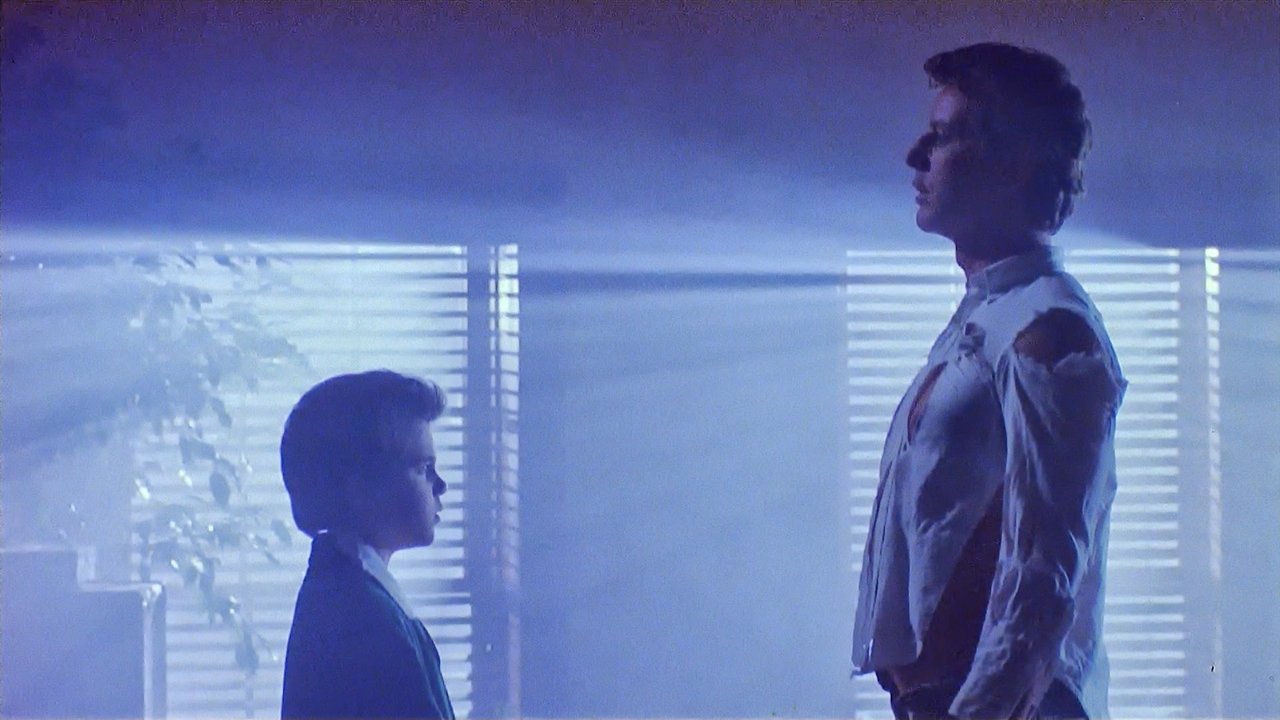
Matching him stride for stride is Fred Savage. It’s fascinating to watch this, remembering that The Wonder Years premiered just a month before Vice Versa hit theaters. While Kevin Arnold was navigating the trials of puberty, here Savage was tasked with portraying a stressed, sophisticated adult grappling with the horrors of sixth grade, bullies, and baffling homework assignments. He brings a hilarious world-weariness to Charlie-as-Marshall, barking orders, attempting to woo Sam with grown-up logic, and generally acting like a tiny, exasperated executive. The chemistry between the two leads feels genuine, anchoring the film's more outlandish moments.
### Retro Fun Facts & 80s Vibes
Vice Versa landed right in the thick of a peculiar cinematic trend. 1987 saw Dudley Moore and Kirk Cameron swap places in Like Father Like Son, and just a couple of months after Vice Versa in 1988, George Burns would inhabit Charlie Schlatter in 18 Again!. It was the year of the body swap! Why the sudden surge? Perhaps it tapped into relatable family dynamics or just seemed like a fun, high-concept idea that studios glommed onto. Whatever the reason, Vice Versa often gets lumped with the pack, though many fans argue its execution, particularly the performances, set it slightly apart.
The film itself feels distinctly of its time. The synth-heavy score, the slightly baggy suits Marshall wears, the vibrant primary colours – it screams late 80s studio comedy. Filmed primarily on location in Chicago, it captures that specific urban feel. Interestingly, Dick Clement and Ian La Frenais had tackled a similar body-swap theme years earlier with their 1976 Disney TV movie The Strange Monster of Strawberry Cove, suggesting the concept held a long-standing appeal for them. While Vice Versa didn't set the box office ablaze (earning around $13.7 million on a reported $10 million budget), it definitely found its groove on VHS and cable, becoming a sleepover staple for many kids of the era. Remember how utterly magical that glowing skull seemed back then? A potent plot device indeed!
### Still Swapping After All These Years?
Watching Vice Versa today is like opening a time capsule. Some of the humour feels a bit dated, and the plot beats are fairly predictable if you've seen any body-swap movie ever made. The smugglers subplot feels a little tacked-on, mainly there to provide external conflict and a chase scene climax. But the core appeal remains surprisingly intact, largely thanks to the committed performances from Reinhold and Savage. They sell the central conceit with gusto, finding genuine humour and even a touch of heart in the father-son dynamic forced upon them by mystical intervention.
It’s a film that doesn't ask much of its audience beyond sitting back and enjoying the ride. It’s warm, silly, and possesses that particular brand of earnestness common in 80s family-friendly comedies. It might not be high art, but it perfectly captures a certain nostalgic charm. Did we all secretly wish for a Freaky Friday moment after watching movies like this? Maybe just for a day?
VHS Heaven Rating: 7/10
Justification: Vice Versa earns a solid 7 for delivering exactly what it promises: a fun, energetic 80s body-swap comedy powered by genuinely funny and committed lead performances. Judge Reinhold's physical comedy and Fred Savage's mini-adult act are the film's strongest assets. While the plot is somewhat formulaic and shares DNA with several contemporaries, its execution is charming and memorable enough to stand on its own within the subgenre. It loses a few points for predictability and some elements that haven't aged perfectly, but its nostalgic appeal and core comedic duo make it a thoroughly enjoyable trip down memory lane.
Final Thought: A quintessential late-80s high-concept comedy that reminds us sometimes the best way to understand someone is to literally walk a mile in their (possibly much smaller or larger) shoes... preferably after touching a cursed artifact.