### Echoes in the Static
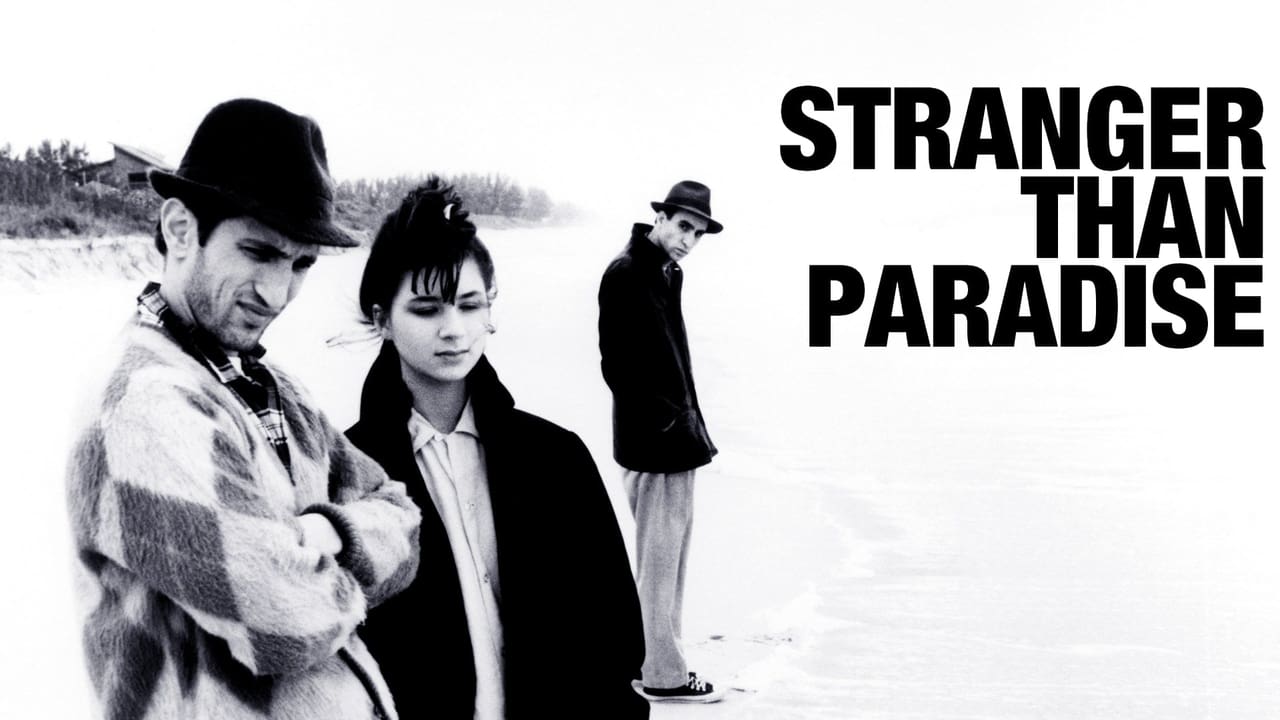
It began, almost accidentally, with leftover film. Thirty minutes of black-and-white stock gifted by German auteur Wim Wenders after wrapping The State of Things (1982) became the seed for something utterly unique. That initial short, "The New World," eventually blossomed into Jim Jarmusch's breakthrough feature, Stranger Than Paradise (1984), a film that drifted onto the burgeoning indie scene like smoke curling in a sparsely furnished room. Watching it again now, decades removed from pulling that distinctively minimalist VHS cover off the shelf at the local rental store, its power feels less like a narrative punch and more like a lingering mood, a coolly detached observation of lives lived in the pauses.
### The Beauty of Blankness
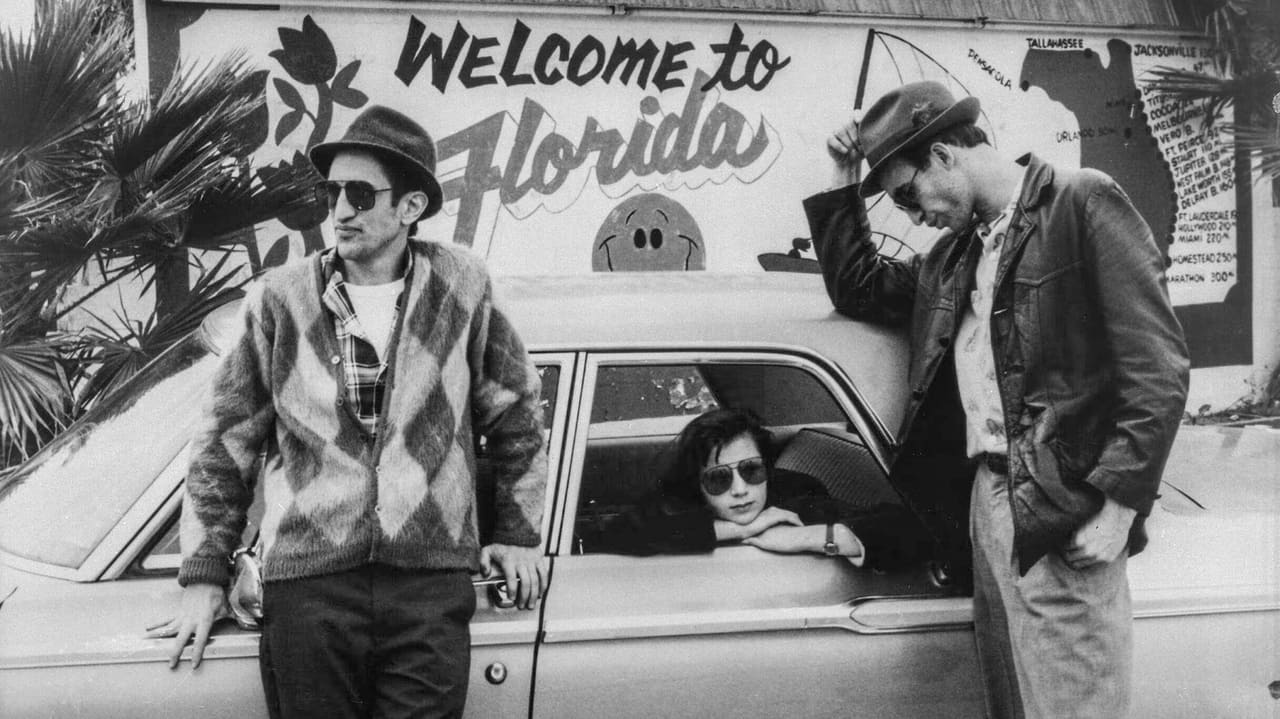
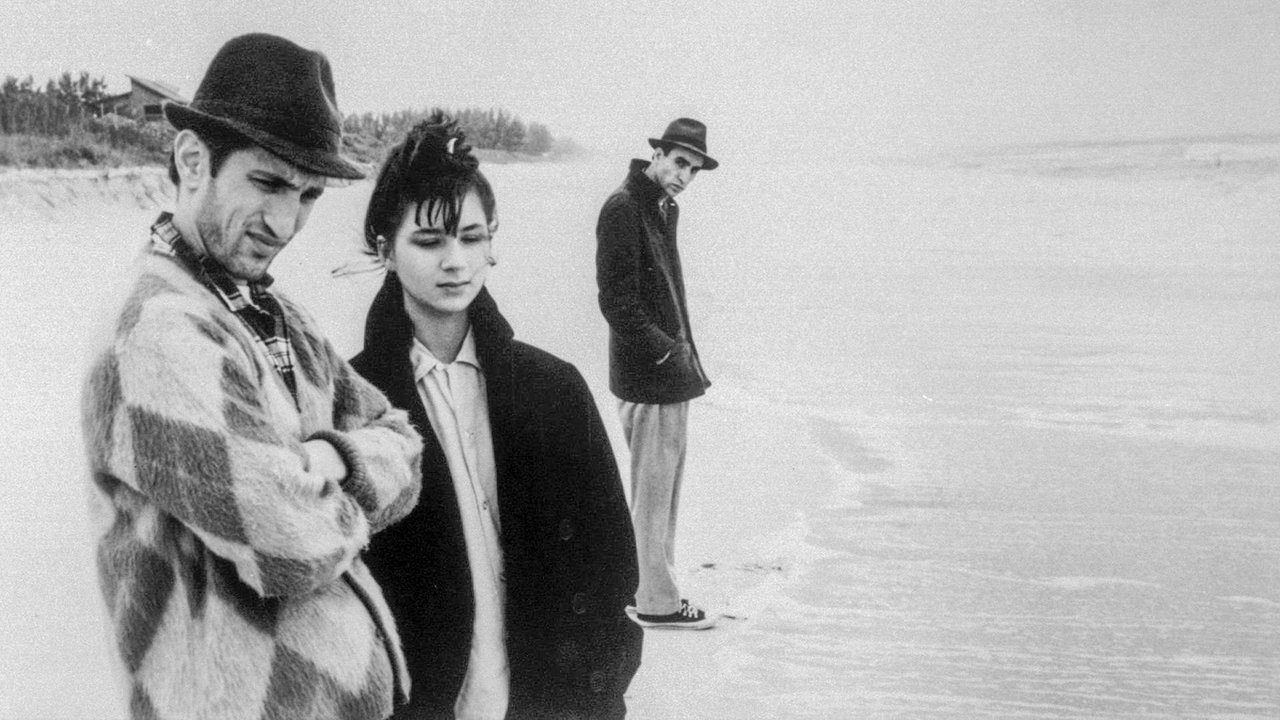
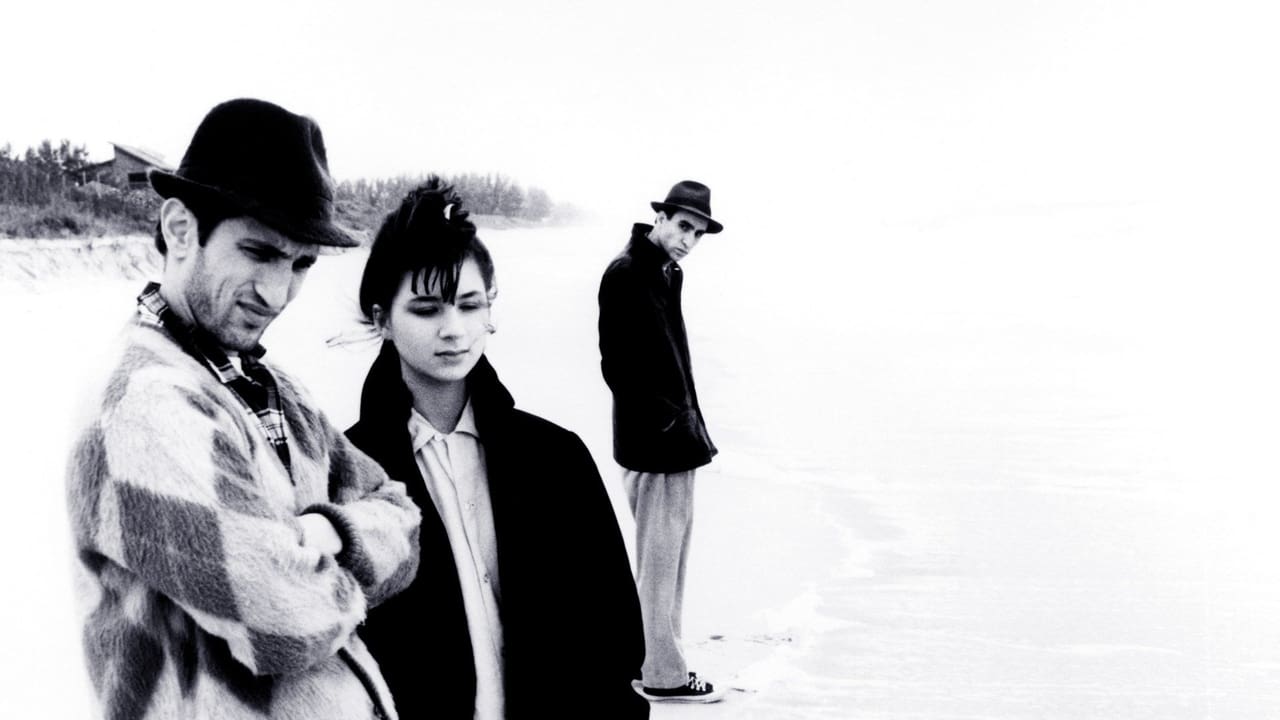
What strikes you immediately, even on a modern screen, is the film's deliberate emptiness. Jarmusch, already honing the minimalist aesthetic that would define his career (think Down by Law (1986) or Mystery Train (1989)), constructs the film in stark, self-contained vignettes separated by moments of pure black leader. The camera, often static, observes Willie (John Lurie), his friend Eddie (Richard Edson), and Willie's visiting Hungarian cousin Eva (Eszter Balint) navigate a landscape of drab apartments, desolate Cleveland streets, and eventually, a bleak Florida coastline. There’s a plot, technically – Eva arrives, stays with Willie, leaves for Cleveland, the guys follow, they impulsively drive to Florida – but it feels almost beside the point. The real substance lies in the spaces between words, the shared boredom, the awkward silences, and the quiet desperation simmering beneath their affectless exteriors. I remember first seeing it on a fuzzy CRT, the grain of the film stock feeling almost tactile, the blackouts like punctuation marks forcing you to contemplate the mundane scene you’d just witnessed.
### Portraits in Deadpan
The performances are key to the film’s strange magic. John Lurie, also the composer of the film's spare, evocative score, embodies Willie with a detached, almost resentful cool. He’s a small-time hustler trying desperately to project an image of American worldliness that feels hilariously paper-thin. His interactions with the equally laconic Eddie, played with perfect hangdog timing by Richard Edson (often recognized from his brief but memorable turn in Ferris Bueller's Day Off (1986)), generate a specific kind of deadpan humor born from their shared inertia and cluelessness. Their conversations about TV dinners, horse races, and the sheer uneventfulness of their lives are simultaneously funny and deeply melancholic.
Eszter Balint, in her film debut, is the quiet catalyst. Eva arrives from Budapest with a suitcase and a tape recorder playing Screamin' Jay Hawkins' "I Put a Spell on You" – a song choice that injects a rare jolt of raw emotion into their muted world. Her presence disrupts Willie and Eddie's stupor, forcing them, however reluctantly, into action, even if that action is just moving their boredom to a different location. Balint portrays Eva with a watchful intelligence, an outsider observing the peculiar landscape of American ennui. You get the sense she sees right through Willie's facade, even as she's drawn into their aimless orbit. There's a truthfulness in their understated exchanges, a recognition of how people often communicate more through shared glances and awkward silences than through grand declarations.
### From Leftovers to Landmark
Made for a reported $100,000-$120,000 (an astonishingly low figure even then), Stranger Than Paradise became an unexpected art-house sensation. Its triumph at the 1984 Cannes Film Festival, where it won the Caméra d'Or for best first feature film, signaled a shift. Here was proof that compelling cinema didn't require massive budgets or conventional storytelling. Jarmusch wasn't just making a film; he was forging a style. The long takes, the refusal to employ traditional shot-reverse-shot editing during conversations, the embrace of mundane reality – it all felt revolutionary. It arguably paved the way for a whole generation of independent filmmakers who found inspiration in its defiant minimalism and focus on character over spectacle. Finding this tape felt like discovering a secret language, a different way movies could be.
The film’s stark black-and-white cinematography, courtesy of Tom DiCillo (who would go on to direct his own indie gems like Living in Oblivion (1995)), isn't just an aesthetic choice; it mirrors the emotional palette of the characters. It renders the bleak urban landscapes and the supposedly sunny Florida coastline with the same detached beauty, suggesting that paradise, or the lack thereof, is more a state of mind than a location. Remember those discussions about whether Cleveland really looked that different from New York or Florida in the film? That was the point.
### The Enduring Chill
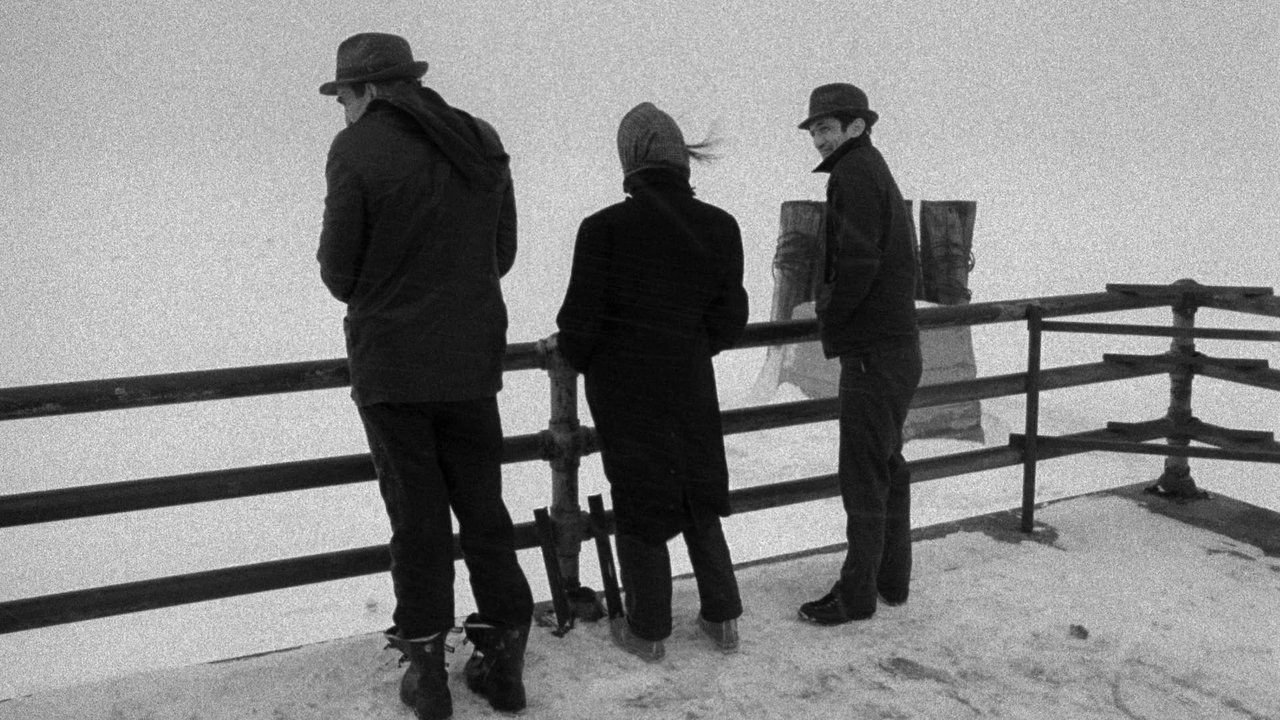
Stranger Than Paradise isn't a film that grabs you by the collar. It invites you to lean in, to observe, to find the profound in the prosaic. Its humor is dry, its pace is deliberate, and its conclusion offers no easy answers, just a final, ironic twist of fate that leaves the characters, and the viewer, adrift. It captures a specific feeling – the sense of being disconnected, of searching for something without knowing what it is, of finding companionship in shared aimlessness. Does its deliberate pacing test patience? Perhaps for some. But for those attuned to its unique frequency, it remains a masterclass in minimalist filmmaking and character study.
Rating: 9/10
This score reflects the film's undeniable artistry, its significant influence on independent cinema, and the enduring power of its unique atmosphere and deadpan performances. While its deliberate pacing might not resonate with everyone seeking conventional entertainment, its impact and stylistic brilliance are undeniable. It’s more than just a movie; it’s a perfectly preserved mood piece, a cool, quiet hum that lingers long after the static fades. What stays with you isn't a plot point, but the feeling of watching those three figures navigate a world that seems perpetually, beautifully, out of sync.