Okay, picture this: You're browsing the dusty shelves of your favourite video store back in the day – maybe a Friday night, the air thick with the smell of popcorn and possibility. Tucked between the Hollywood blockbusters, you stumble upon a brightly coloured VHS cover featuring a souped-up car, some questionable fashion, and a title that makes you pause: Manta, Manta. Maybe you grabbed it on a whim, maybe a friend recommended this slice of pure, unadulterated German car-culture craziness. If you did, you tapped into a phenomenon, a film that roared out of Germany in 1991 and became an unexpected cult sensation on its home turf.
Welcome to the Ruhrpott
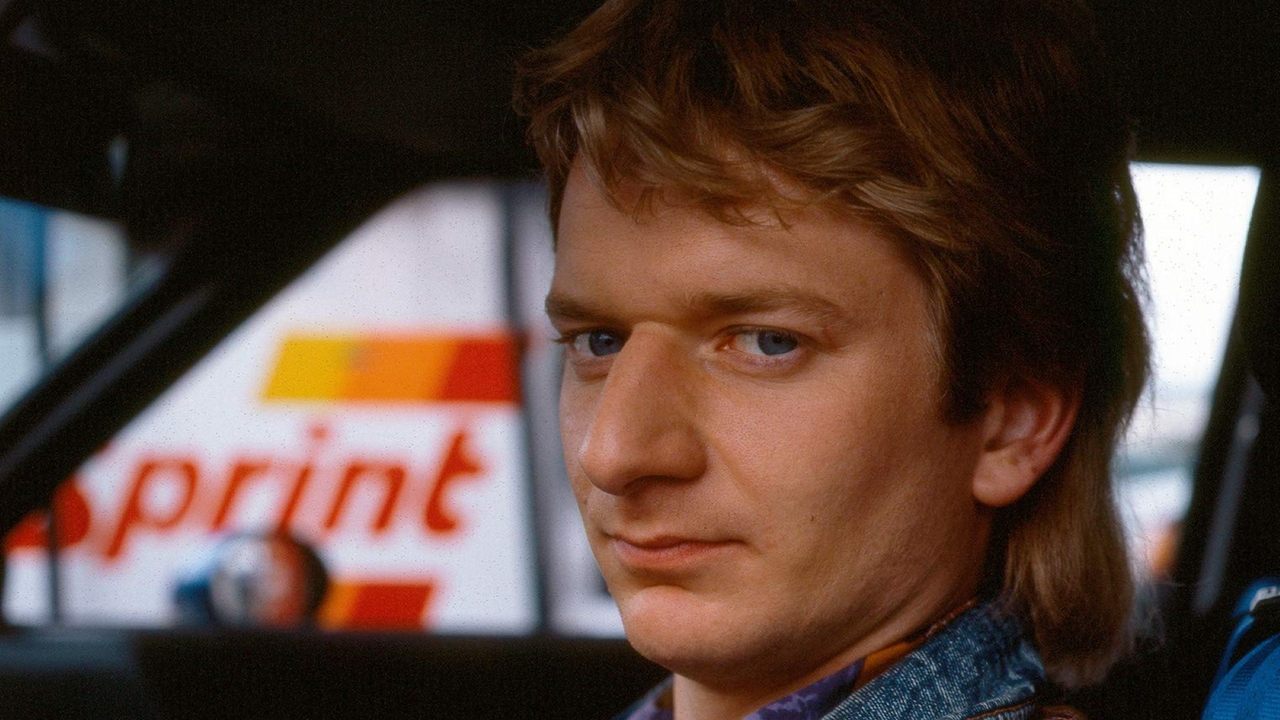
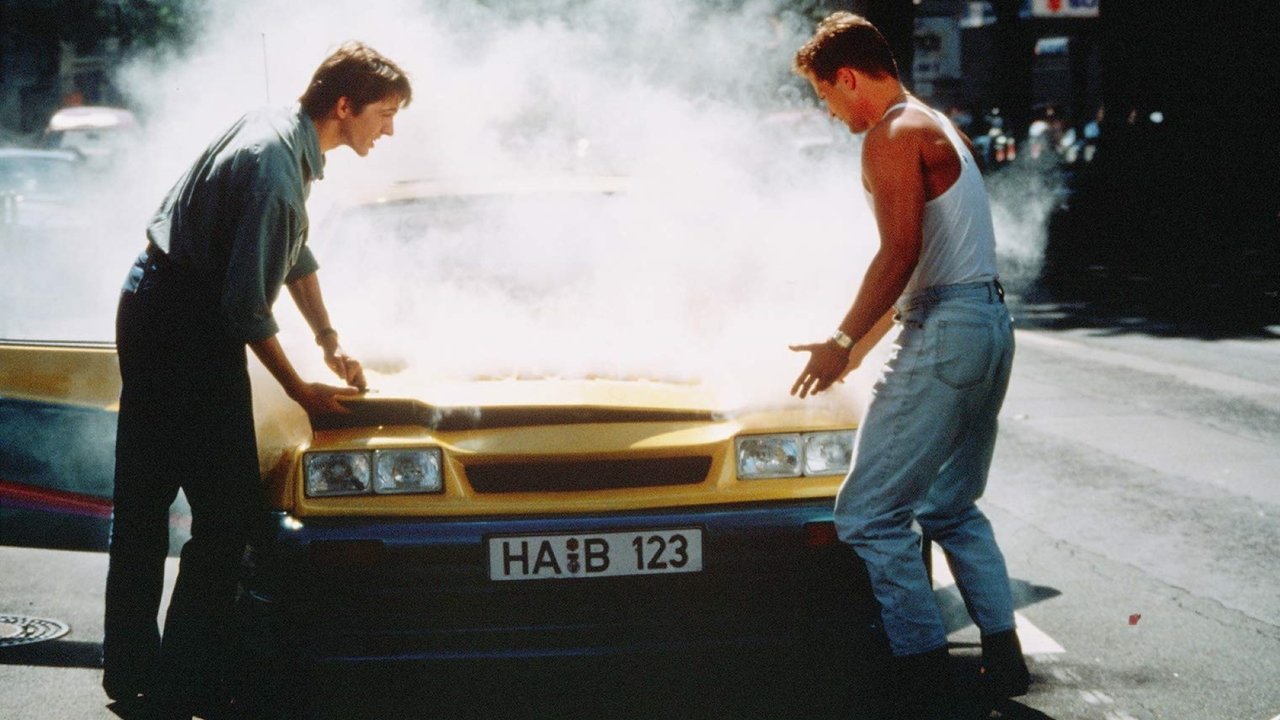
Manta, Manta drops us right into the heart of Germany's Ruhr Valley (the "Ruhrpott"), a landscape often associated with industry, but here reimagined as the playground for Bertie (Til Schweiger in his star-making role) and his crew. Bertie lives and breathes for one thing: his meticulously tuned Opel Manta GTE. Forget nuanced character studies; this is about primal loyalties – to your friends, your girl, and most importantly, your ride. The plot, penned by a team including director Wolfgang Büld, is wonderfully straightforward: Bertie gets goaded into a high-stakes race against Axel (Martin Armknecht), a sneering Mercedes-driving yuppie who represents everything Bertie’s blue-collar cool isn't. Complicating matters is Bertie's simmering relationship with the long-suffering Uschi (Tina Ruland), who’s getting tired of playing second fiddle to a lump of German engineering, and his well-meaning but disastrously clumsy best mate, Klausi (Stefan Gebelhoff).
More Than Just a Car Movie
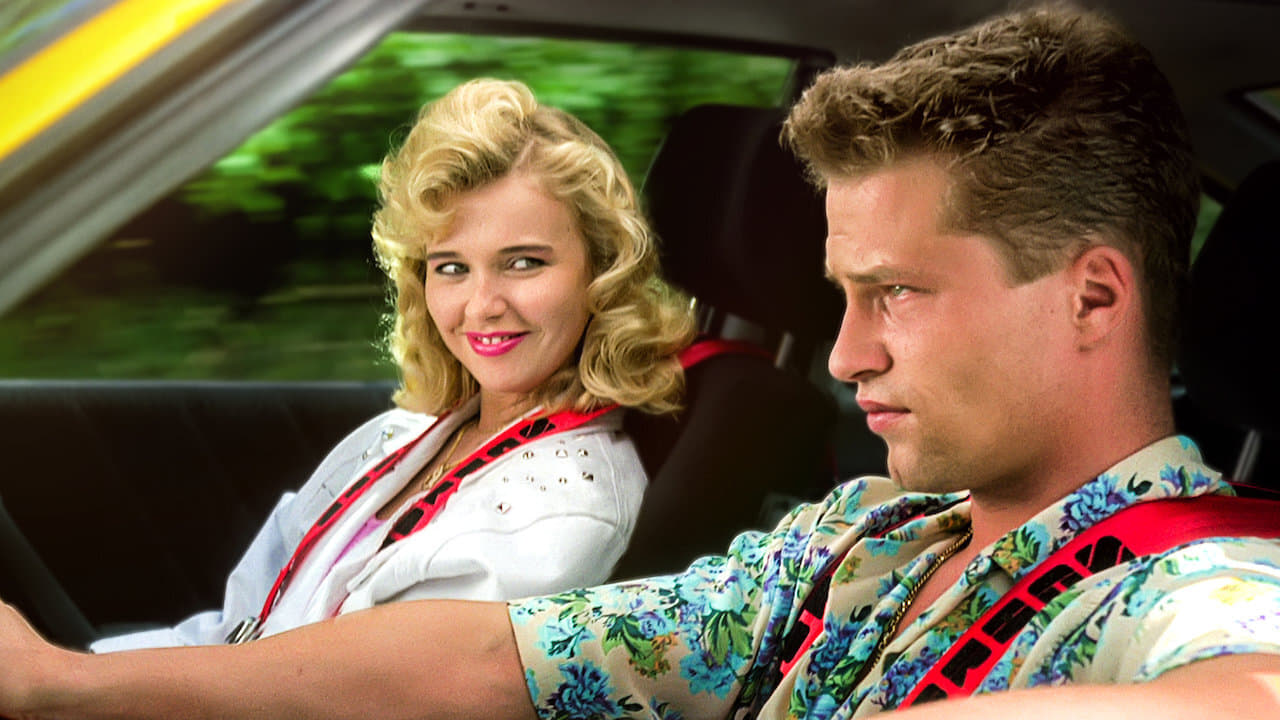
What makes Manta, Manta resonate, especially watching it now through a haze of nostalgia, is how perfectly it captures a specific moment. The Opel Manta, in 80s and early 90s Germany, wasn't just a car; it was a cultural signifier, often stereotyped as the chariot of choice for working-class guys with questionable taste in modifications and mullets. The film leans into this stereotype but does so with surprising affection. Bertie and his pals might be obsessed with spoilers and wide tires, but they have a code of honour. It’s this earnestness, this complete lack of irony, that makes the film so charmingly watchable today. You get the sense that Til Schweiger, who reportedly owned a Manta himself around this time and even performed some of his own driving, really got this world. His portrayal of Bertie is brimming with youthful energy and a charisma that hinted at the major European star he would become.
Pedal to the Metal, 90s Style
Let's talk action, because even in a comedy wrapper, Manta, Manta delivers some satisfying vehicular shenanigans. Forget sleek, CGI-enhanced physics-defying stunts. This is the era of practical effects, and it feels gloriously real. When cars drift, skid, or inevitably crunch metal (poor Klausi!), you feel the weight and impact. Remember how thrilling a simple, well-executed powerslide looked on a fuzzy CRT screen? The race sequences, particularly the final showdown, have a raw energy. Director Wolfgang Büld, perhaps better known for music documentaries before this, keeps things moving at a brisk pace, capturing the sheer joy and occasional terror of pushing these cars to their limits on public roads (or repurposed industrial sites). There's a tactility here – the screech of tires, the roar of engines – that modern, digitally smoothed action often lacks. It wasn't trying to be Bullitt; it was trying to be fun, and it succeeded.
The Supporting Crew and Ruhrpott Humour
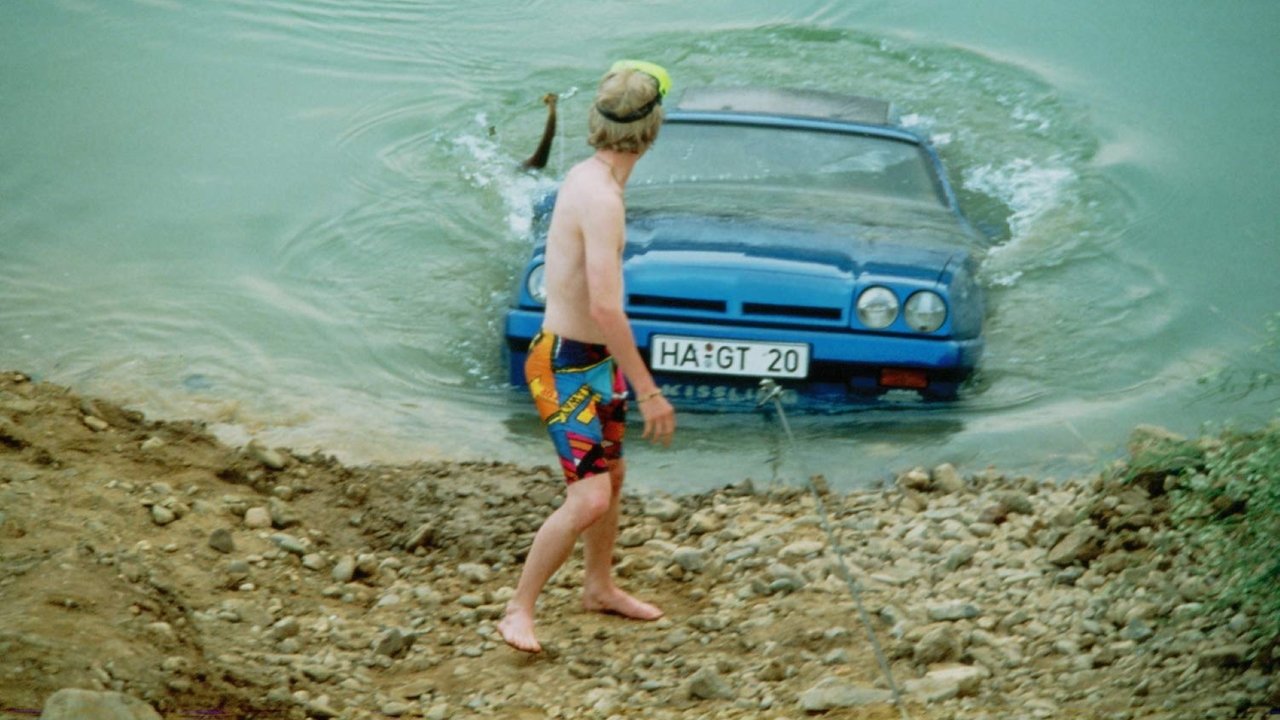
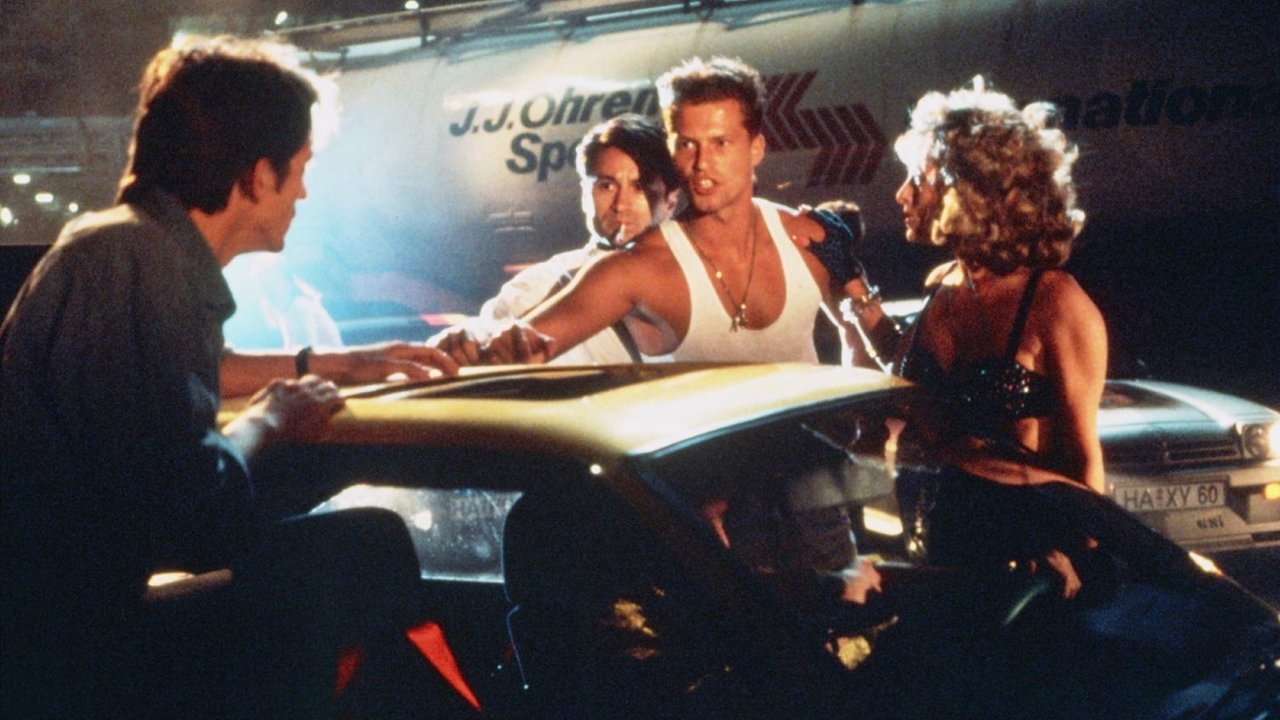
While Schweiger is the clear lead, the ensemble adds layers of goofy charm. Tina Ruland as Uschi provides the necessary emotional anchor (and participates in a gloriously 90s beauty pageant subplot). Stefan Gebelhoff steals scenes as the hapless Klausi, whose knack for accidental destruction drives much of the plot's urgency. Then there's Michael Kessler as Klausi's perpetually bewildered sidekick, offering deadpan reactions to the escalating chaos. The humour is broad, sometimes slapstick, and deeply rooted in the specific cultural clashes of the time – the Manta crew versus the disco crowd, the working-class heroes versus the arrogant rich guy. Some jokes might feel dated, sure, but the overall vibe is good-natured. And let's not forget the soundtrack – a blast of early 90s Euro-pop and rock that perfectly complements the visuals.
A Cult Phenomenon is Born
Manta, Manta wasn't exactly a critical darling outside Germany, but domestically? It was a smash hit, pulling in huge audiences and cementing its place as a beloved cult classic. It tapped into something real about German youth culture at the time, celebrating the underdog spirit and the love of automotive personalization. It’s fascinating that a film so specific to its time and place could generate such lasting affection – enough that a sequel, Manta Manta – Zwoter Teil, arrived over 30 years later in 2023, reuniting much of the original cast to massive success in Germany. It speaks volumes about the original's impact. Finding this on VHS felt like uncovering a secret handshake, a portal into a world both familiar in its themes (friendship, rivalry, young love) and entertainingly specific in its setting and automotive obsession.
VHS Heaven Rating: 7/10
Why the score? Manta, Manta is undeniably a product of its time, with broad humour and some plot threads that feel thin by modern standards. However, its infectious energy, genuine affection for its characters and culture, surprisingly fun practical car action, and Til Schweiger's breakout performance make it incredibly endearing. It perfectly captures the spirit of finding a slightly rough-around-the-edges gem at the video store – maybe not high art, but pure, unpretentious entertainment that leaves you smiling. It loses points for some dated elements and a plot you can see coming a mile off, but gains huge points for charm, nostalgia, and its status as a genuine cultural artifact.
Final Thought: Forget slick hypercars and digital explosions; Manta, Manta is a joyous ode to bolt-on modifications, blue-collar pride, and the days when the squeal of real tires on tarmac was the ultimate action movie soundtrack. Still revs up the fun, even after all these years.