Alright, settle back into that comfy armchair, maybe pop a fresh tape in the VCR in your mind, because tonight on VHS Heaven, we're digging out a real curiosity from the turn of the decade: 1990’s Heart Condition. This isn't your standard blockbuster fare; it's one of those high-concept oddities that Hollywood occasionally threw money at, hoping for magic. And while magic might be a strong word, what we got was undeniably… memorable.
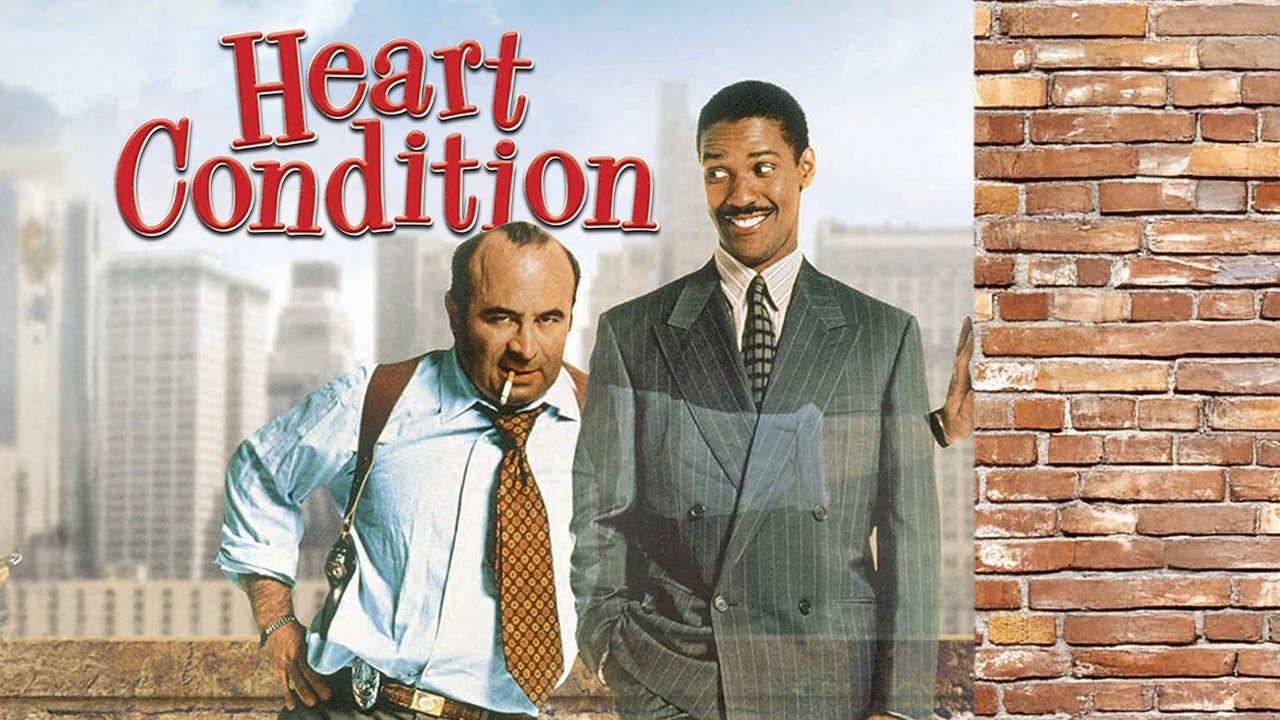
The premise alone sounds like something dreamed up after a very late night at the video store: Bob Hoskins plays Jack Moony, a bigoted, slobbish, chain-smoking LAPD detective whose unhealthy lifestyle finally catches up with him in the form of a massive heart attack. His life is saved by a heart transplant, but – here’s the kicker – the donor is Napoleon Stone (Denzel Washington), a suave, successful Black lawyer whom Moony despises… and who just happened to be murdered. Oh, and Stone isn't quite gone; his ghost is now tethered to Moony, visible only to him, determined to help solve his own murder. Yeah. Let that sink in.
### An Unlikely Pairing Powers a Strange Premise
Let's be honest, the concept walks a razor's edge. Tackling racism, mortality, and redemption through the lens of a supernatural buddy comedy? It’s ambitious, bordering on precarious, especially viewed through today's lens. But what prevents Heart Condition from completely derailing is the sheer force of its lead performances. Bob Hoskins, fresh off the global phenomenon of Who Framed Roger Rabbit (1988), leans fully into Moony's unpleasantness. He’s racist, sexist, eats like a garbage disposal, and treats his own body like a toxic waste dump. Hoskins, bless his Cockney soul, never shied away from playing rough characters, and he makes Moony believable, even if not entirely likeable initially. There’s a raw energy to his portrayal, that classic Hoskins intensity simmering beneath the grime.

Opposite him, you have Denzel Washington, radiating charisma even as a spectral observer. This was Washington on the cusp of superstardom – he'd just won his first Oscar for Glory (1989) the year before. It’s fascinating to see him here, playing the sophisticated, slightly ethereal counterpoint to Hoskins’s grounded grump. Washington brings a smooth elegance and sharp wit to Stone, ensuring the ghost isn't just a plot device but a character with his own frustrations and drive. The film absolutely hinges on their odd-couple chemistry, and thankfully, they spark off each other effectively, trading barbs and grudgingly finding common ground. Reportedly, Hoskins and Washington got along well off-screen, which likely helped sell their antagonistic-turned-begrudgingly-cooperative dynamic.
### Navigating Tonal Whiplash
The film, directed and written by James D. Parriott (a name more familiar perhaps from TV series like Voyagers! or Forever Knight), struggles mightily with tone. One minute it’s aiming for broad, almost slapstick comedy as Moony argues with an invisible Washington in public; the next, it’s dipping into police procedural territory as they investigate Stone's murder, involving shady deals and dangerous figures. Then, it attempts moments of genuine pathos, exploring Moony’s fractured relationship with his former flame Crystal (Chloe Webb, unforgettable from Sid and Nancy (1986)) and the underlying themes of prejudice and second chances.
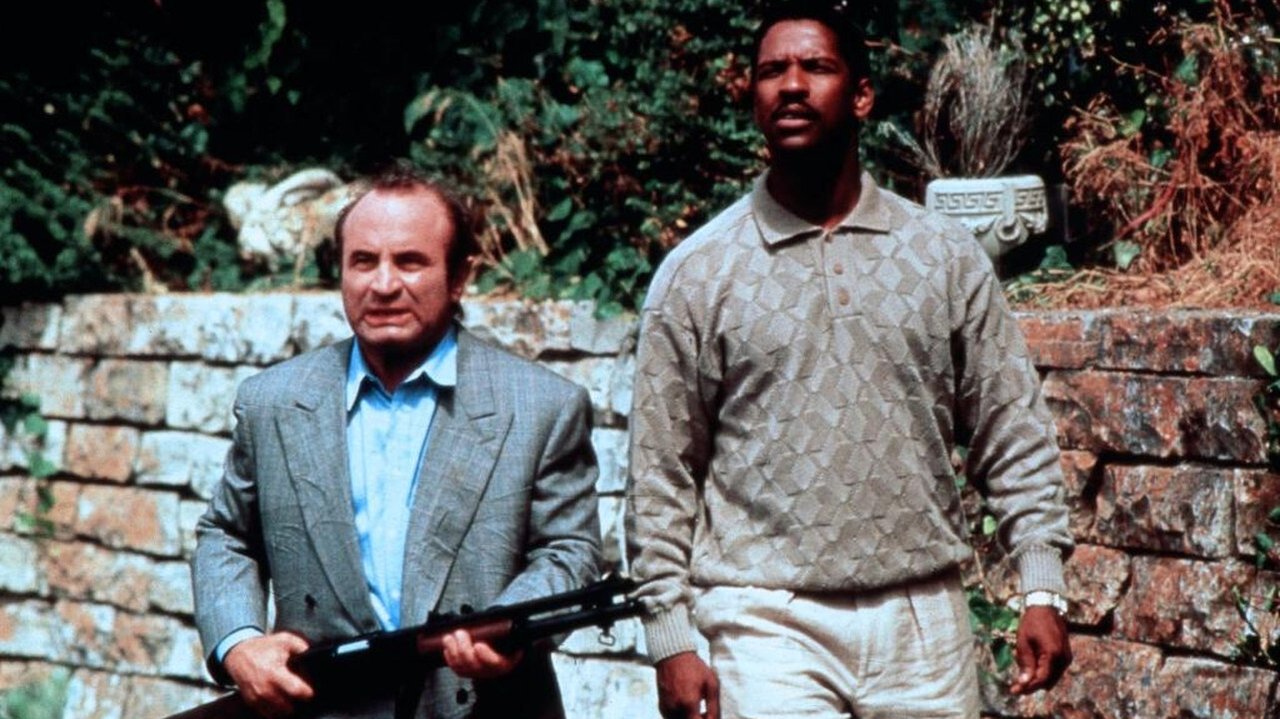
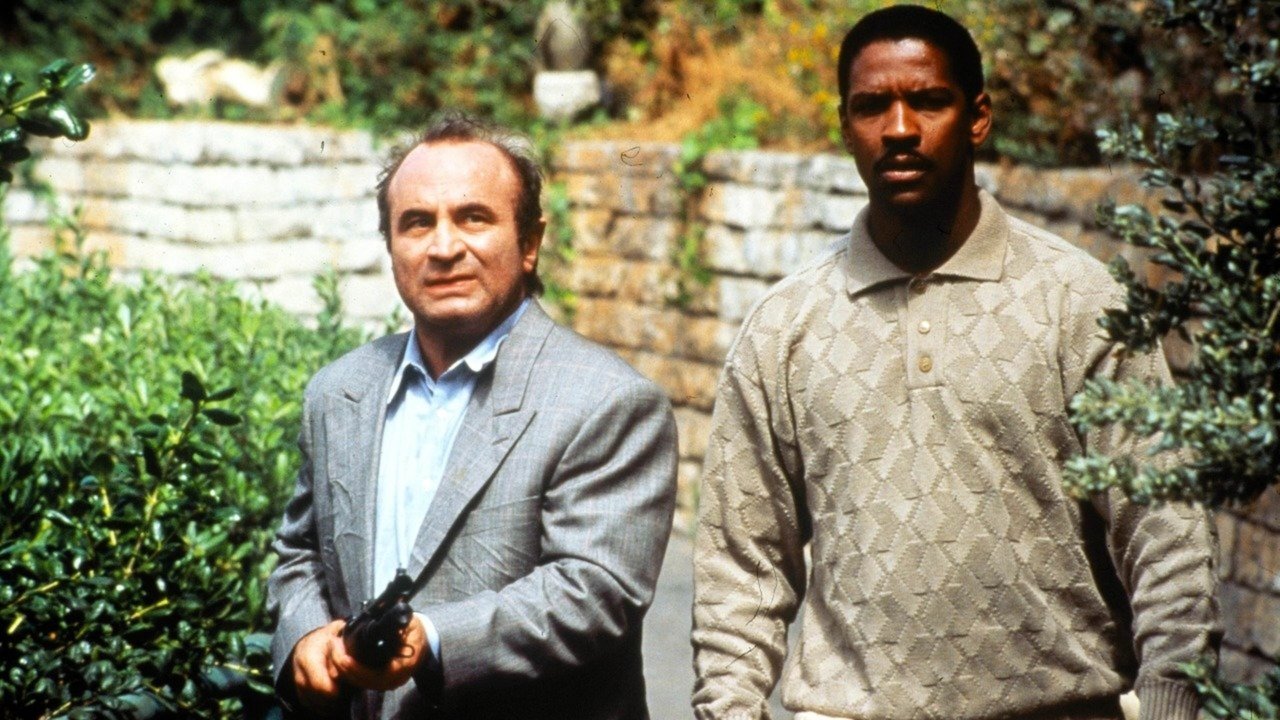
It's this juggling act that likely contributed to the film’s critical and commercial failure back in 1990. It reportedly cost around $20 million – a decent sum back then – but only managed to pull in about $4.1 million at the box office. Critics were largely unkind, finding the blend of serious themes and goofy comedy jarring. And they weren't entirely wrong; the transitions can feel abrupt, like switching channels between a sitcom and a gritty cop drama. Watching it now on that slightly fuzzy mental VHS playback, you can appreciate the attempt to do something different, even if the execution sometimes fumbles.
### Echoes of a Different Era
While not an action film per se, Heart Condition has moments rooted in that tangible, pre-CG filmmaking style we love. A couple of chases and confrontations feel grounded and messy in a way that reflects the era. There’s no slick digital trickery smoothing the edges. The focus is squarely on the characters and their reactions, not on elaborate effects – aside from the simple, effective conceit of Washington’s ghostly presence, achieved mainly through clever editing and performance. The film feels very much of Los Angeles circa 1990, capturing a specific time and place before the city’s on-screen portrayal became overly polished.
The supporting cast does solid work, but it’s really the Hoskins and Washington show. The score, a mix of jazzy noir elements and more conventional dramatic cues, tries to bridge the tonal gaps, sometimes successfully, sometimes less so. One interesting tidbit is that the core idea – a bigot receiving an organ from the very person they despise – has been explored in different ways over the years, but perhaps never with this particular supernatural twist. Heart Condition remains a unique, if flawed, entry in the buddy-cop genre.
### Final Verdict
Heart Condition is a fascinating relic from the turn of the decade, a film bursting with a bizarre premise and powered by two actors giving it their all. It’s tonally uneven, tackling sensitive issues with a sometimes clumsy comedic touch that feels very much of its time. Yet, there’s an undeniable charm to its ambition and the central performances. I distinctly remember renting this one back in the day, drawn in by the stars and the wild concept on the box art, and being thoroughly perplexed but also entertained. It’s a film that probably wouldn’t get made today, at least not like this.
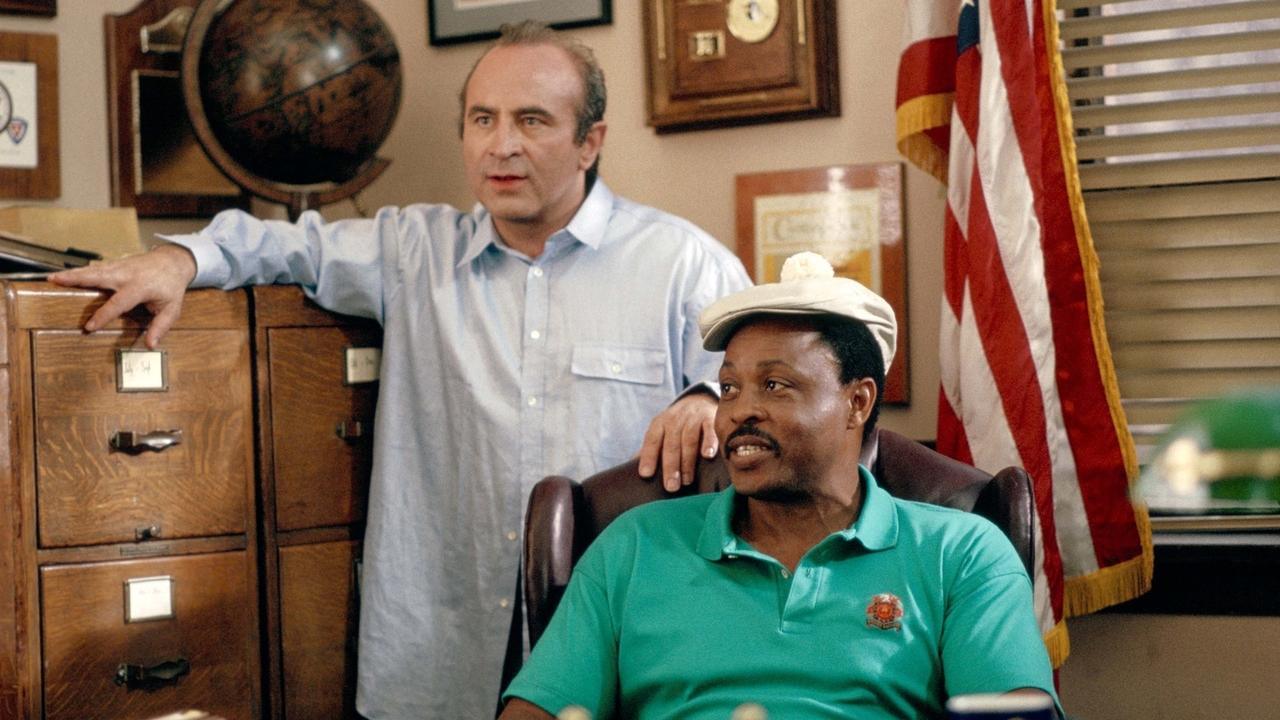
Rating: 6/10
Justification: The score reflects the film's undeniable strengths – primarily the compelling performances from Bob Hoskins and Denzel Washington and its truly unique premise. However, it's held back by significant tonal inconsistencies and a script that doesn't quite successfully blend its comedic, dramatic, and social commentary elements, explaining its initial failure. It's a flawed but interesting piece.
Final Thought: A cinematic transplant that's a bit rough around the edges, Heart Condition is pure early 90s high-concept ambition, worth revisiting for the leads alone – a ghostly reminder of when Hollywood swung for the fences, even if it didn't always connect cleanly.