Okay, settle back into that comfy spot on the couch, maybe imagine the faint whir of a VCR starting up. Remember 1996? The cinematic landscape was still buzzing from John Travolta's explosive comeback in Pulp Fiction (1994). So, when word got out he was playing an angel – not a cherubic figure of light, but a beer-drinking, cigarette-smoking, slightly paunchy celestial being hiding out in Iowa – you couldn't help but be intrigued. That delightful oddity, folks, was Nora Ephron's Michael, a film that landed with a gentle quirkiness rather than a thunderclap, offering a unique blend of fantasy, road-trip comedy, and romance that felt distinctively mid-90s.
### Not Your Average Angelic Visitation
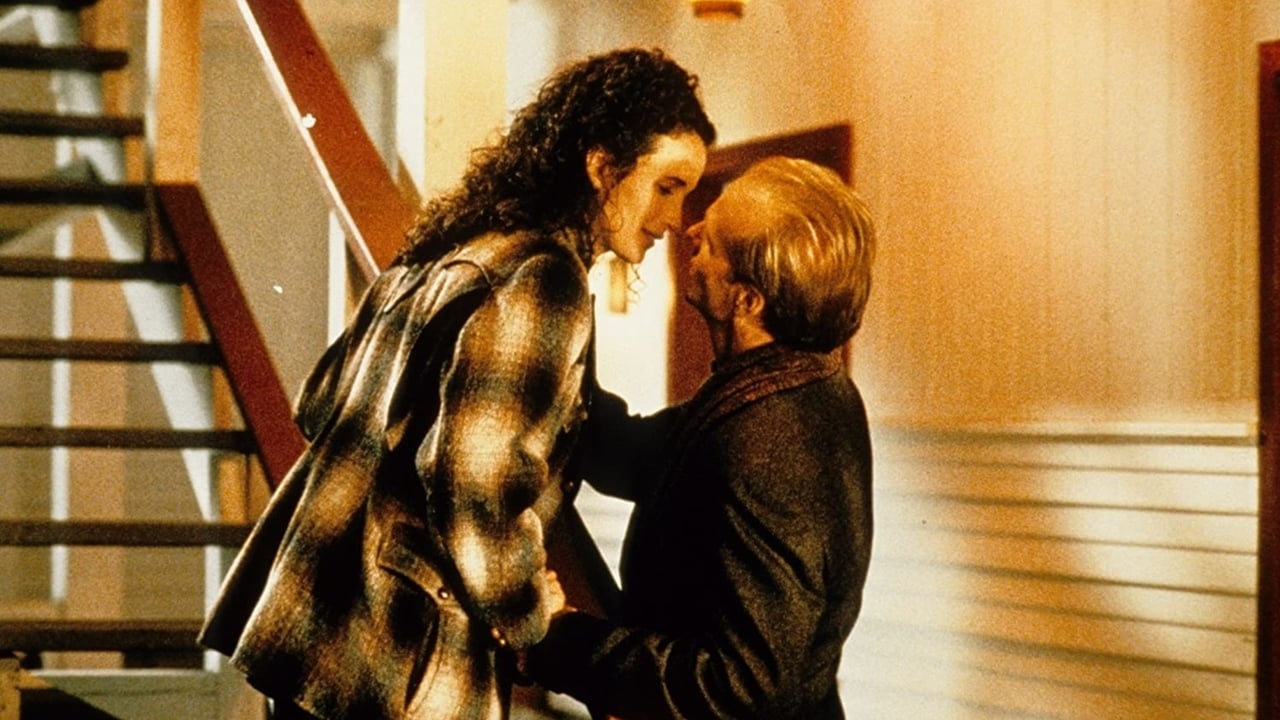
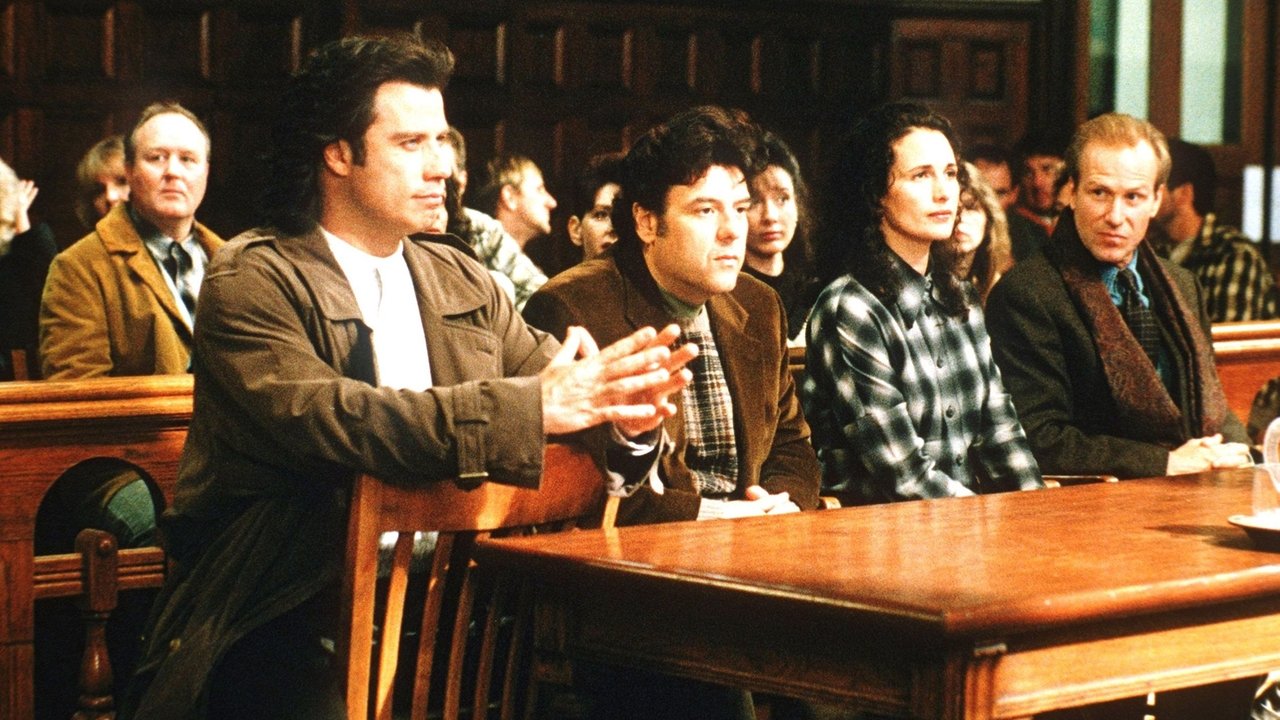
The premise itself is pure tabloid fodder, which is exactly where the story kicks off. Frank Quinlan (William Hurt), a cynical reporter whose career has seen better days, and Huey Driscoll (Robert Pastorelli, beloved as Eldin on Murphy Brown), a photographer accompanied by his trusty terrier Sparky, work for the National Mirror, a supermarket rag specializing in Elvis sightings and alien abductions. They get a tip: a woman named Pansy Milbank (Jean Stapleton in a lovely, warm cameo) claims to be housing a real-life archangel, Michael, in her rural Iowa motel. Seeing a chance for a career-reviving scoop, their skeptical editor Vartan Malt (Bob Hoskins) sends them down, adding newly hired "angel expert" Dorothy Winters (Andie MacDowell) to the mix. What they find isn't quite the ethereal being they might (or might not) have expected.
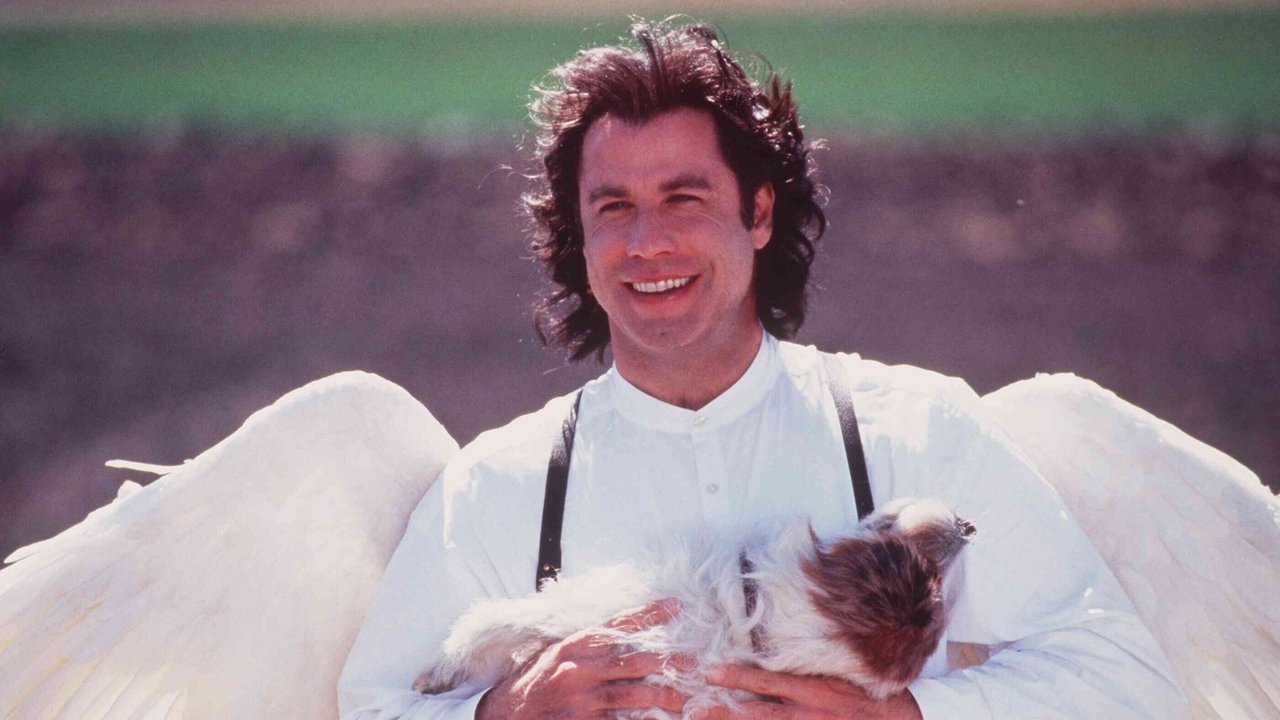
Travolta's Michael is the heart and soul here, and it's a performance that leans into charm and a certain earthy charisma. He smells faintly of cookies, attracts women like moths to a flame (sometimes literally!), enjoys sugar to an almost dangerous degree, and possesses magnificent, slightly ruffled wings he usually keeps tucked away. He’s messy, opinionated, and far more interested in earthly pleasures than heavenly pronouncements. It was a far cry from Vincent Vega, showcasing Travolta's surprising range and willingness to play against type, even if the character sometimes feels more like a magical plot device than a fully fleshed-out celestial being. A fun bit of trivia: Travolta reportedly gained weight for the role to achieve Michael's slightly gone-to-seed look, wanting him to appear comfortable and lived-in, not like a sculpted hero.
### On the Road with Heavenly Baggage
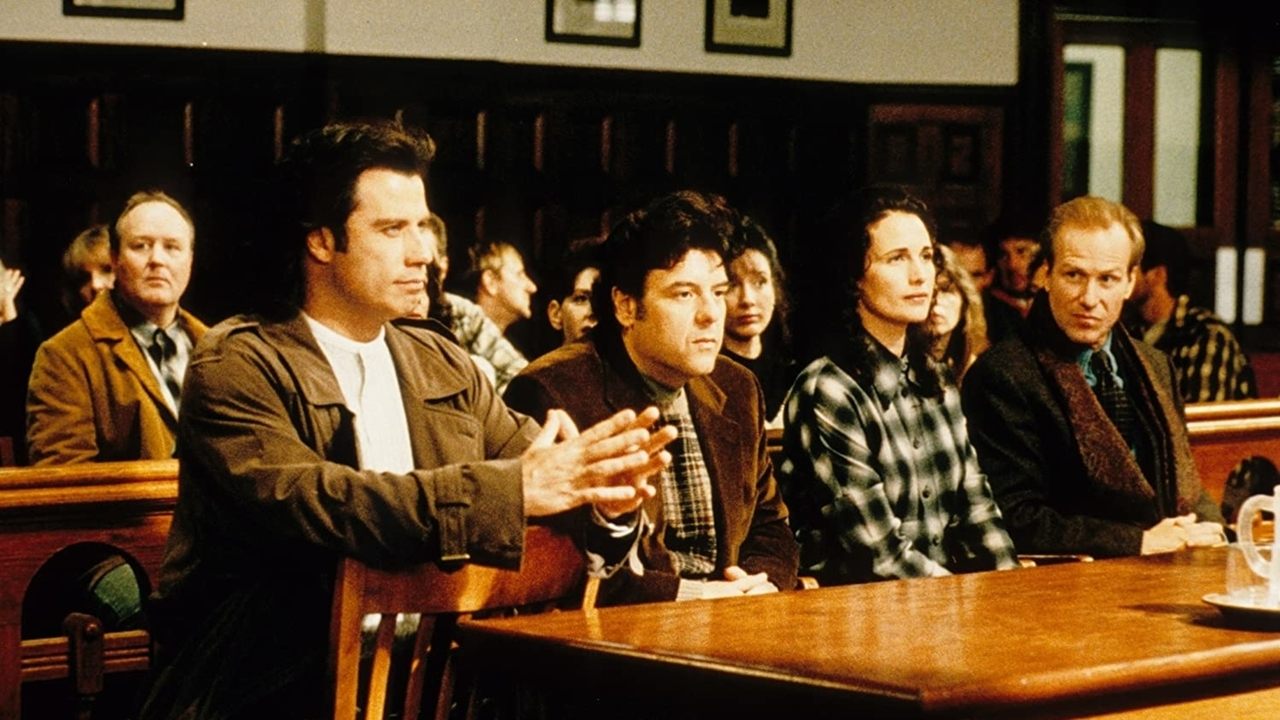
Much of the film unfolds as a road trip, with Frank, Huey, and Dorothy attempting to drive Michael back to Chicago before Christmas, hoping for that front-page story. Nora Ephron, co-writing with her sister Delia Ephron, Pete Dexter, and Jim Quinlan, brings her signature warmth and knack for witty dialogue, reminiscent of her work on Sleepless in Seattle (1993). The journey becomes less about proving Michael's authenticity and more about the connections formed between the characters. William Hurt, often known for more intense roles, plays Frank with a weariness that slowly melts away, while Andie MacDowell provides the earnest heart, initially burdened by past relationship woes but finding herself drawn to both Michael's magic and Frank's guarded vulnerability.
The film isn't without its schmaltz, leaning heavily into themes of belief, finding love unexpectedly, and embracing life's simple joys. It doesn’t aim for deep theological exploration; this is firmly in the realm of feel-good fantasy. Some might find it a tad too sweet or predictable, and its Rotten Tomatoes score (currently hovering around 36%) reflects a critical coolness even back then. However, it clearly struck a chord with audiences, grossing nearly $120 million worldwide against its $60 million budget – a testament to its accessible charm and Travolta's star power. Maybe we just needed a little uncomplicated magic in '96.
### The Ephron Touch and Retro Charm
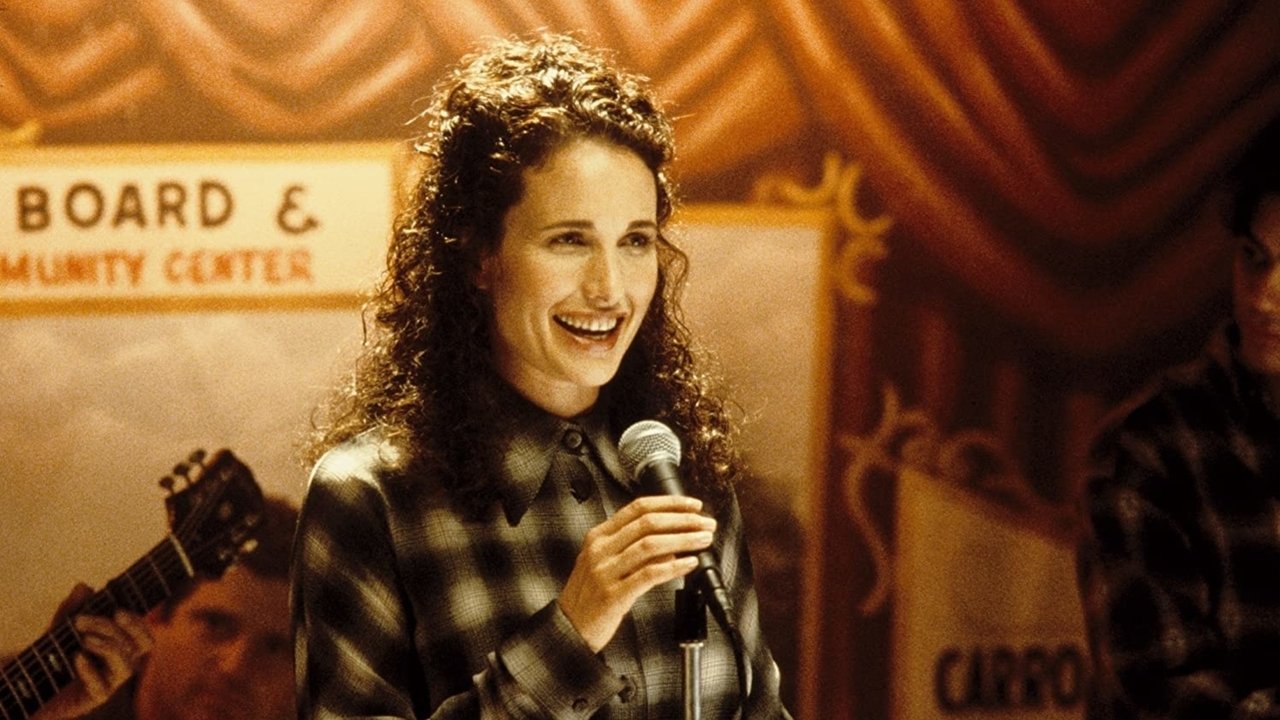
Nora Ephron directs with a light touch, letting the character interactions and the gentle humor breathe. The film benefits greatly from its scenic Iowa locations (much of it was filmed on location, adding authenticity to the small-town feel) and a wonderfully evocative score by Randy Newman. And who could forget the soundtrack? It was almost as big a hit as the movie, largely thanks to Van Morrison's "Brown Eyed Girl" playing during that iconic barroom dance scene where Michael works his angelic mojo. It's a moment of pure, unadulterated movie magic, cheesy perhaps, but undeniably effective and likely lodged in the memory of anyone who saw it back then.
Looking back, Michael feels like a cozy artifact from another time. The practical effects for the wings are endearingly tangible, a far cry from today's seamless CGI. There's a certain innocence to its approach, a willingness to be sentimental without apology. It might not be groundbreaking cinema, but it possesses a unique, comforting quality. I remember renting this one, perhaps slightly skeptical, and being won over by its sheer, good-natured strangeness and Travolta's surprisingly grounded portrayal of an ungrounded being. It was the kind of movie that felt perfect for a lazy weekend afternoon viewing on VHS.
VHS Heaven Rating: 6/10
Michael isn't aiming for the celestial heights of cinematic genius, and it knows it. It’s a bit uneven, undeniably sentimental, and the plot ambles more than it races. However, its quirky premise, John Travolta's uniquely charming performance, Nora Ephron's warm direction, and a dose of genuine heart make it a fondly remembered 90s fantasy-comedy. It might not convert cynics, but it offers a pleasant, feel-good diversion with a sprinkle of that decade's particular brand of movie magic.