Sometimes, a film doesn't just entertain; it reaches out from the screen and seems to understand something fundamental about why we watch movies in the first place. That feeling, that poignant acknowledgment of cinema's power as refuge, pulses at the very heart of Woody Allen's 1985 gem, The Purple Rose of Cairo. It’s a film that, much like its central conceit, feels both magically whimsical and deeply, achingly real.
### Escaping the Grey Depression
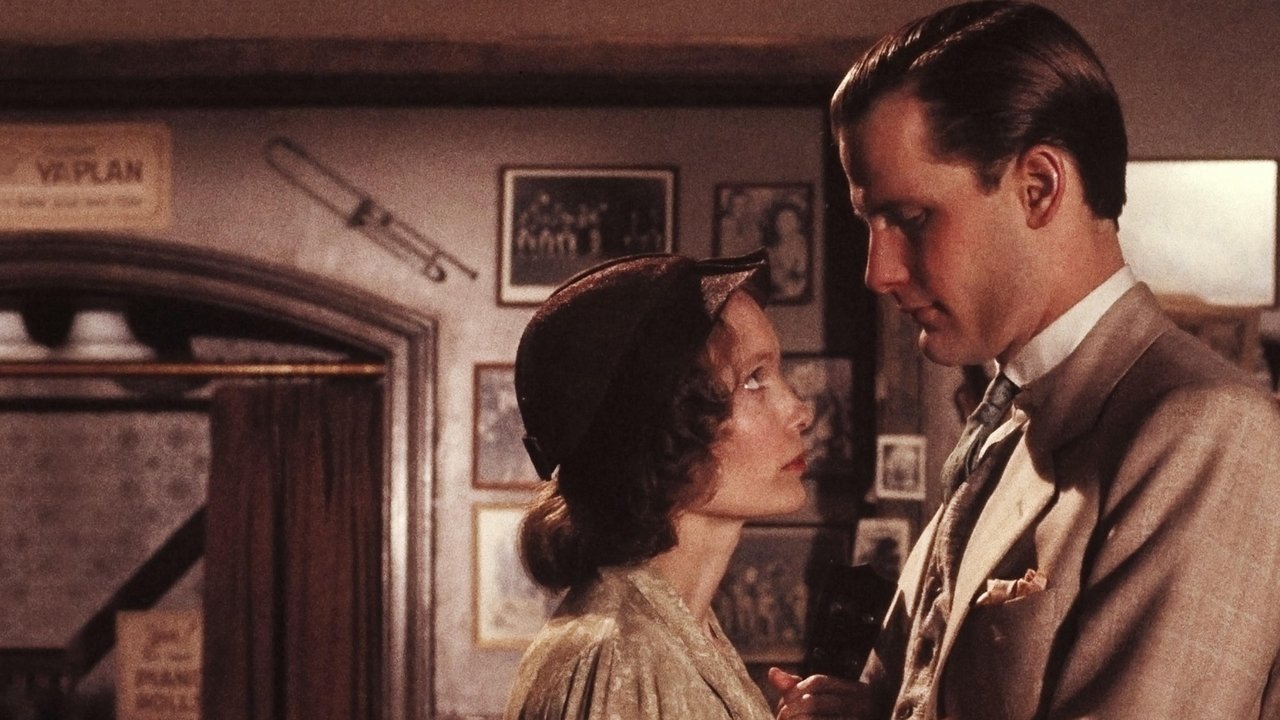
The story unfolds in Depression-era New Jersey, a time and place rendered in muted, weary tones by the legendary cinematographer Gordon Willis (who masterfully shot The Godfather series). Our guide is Cecilia (Mia Farrow), a waitress trapped in a drab existence. Her days are filled with drudgery, her evenings overshadowed by her loutish, unemployed husband, Monk (Danny Aiello, perfectly embodying small-time cruelty). Cecilia’s only solace? The flickering black-and-white fantasies playing at the local Jewel movie palace. She watches the same film, the titular The Purple Rose of Cairo, over and over, losing herself in its sophisticated world of champagne cocktails and pith-helmeted adventurers.
Farrow's performance here is simply extraordinary. She embodies Cecilia with a heartbreaking vulnerability and wide-eyed yearning that feels utterly authentic. It's not just sadness; it's a quiet desperation masked by a hopeful devotion to the screen. We see the weight of her world in her posture, the flicker of escape in her eyes as she gazes up at the silver screen. I recall renting this one on a whim back in the day, maybe from a slightly dusty corner of the 'Comedy' section, and being completely unprepared for the emotional depth Farrow brought. You don't just watch Cecilia; you feel for her.
### When the Screen Breaks the Fourth Wall
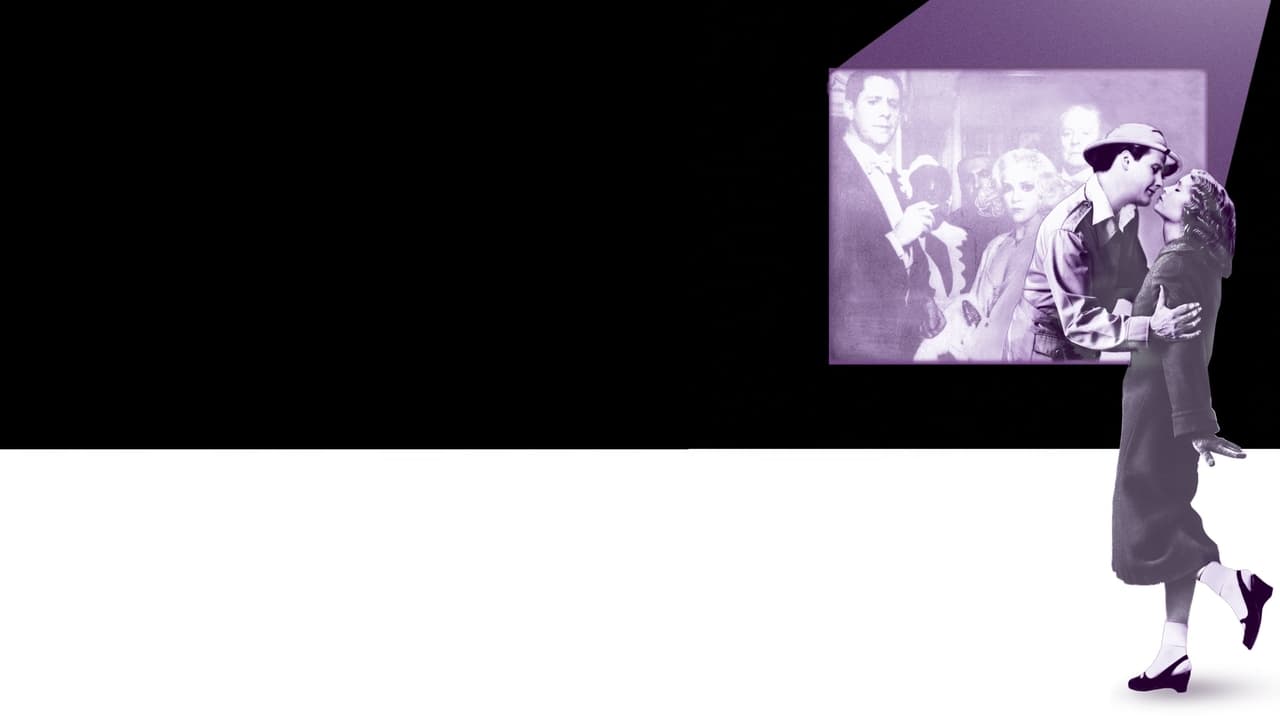
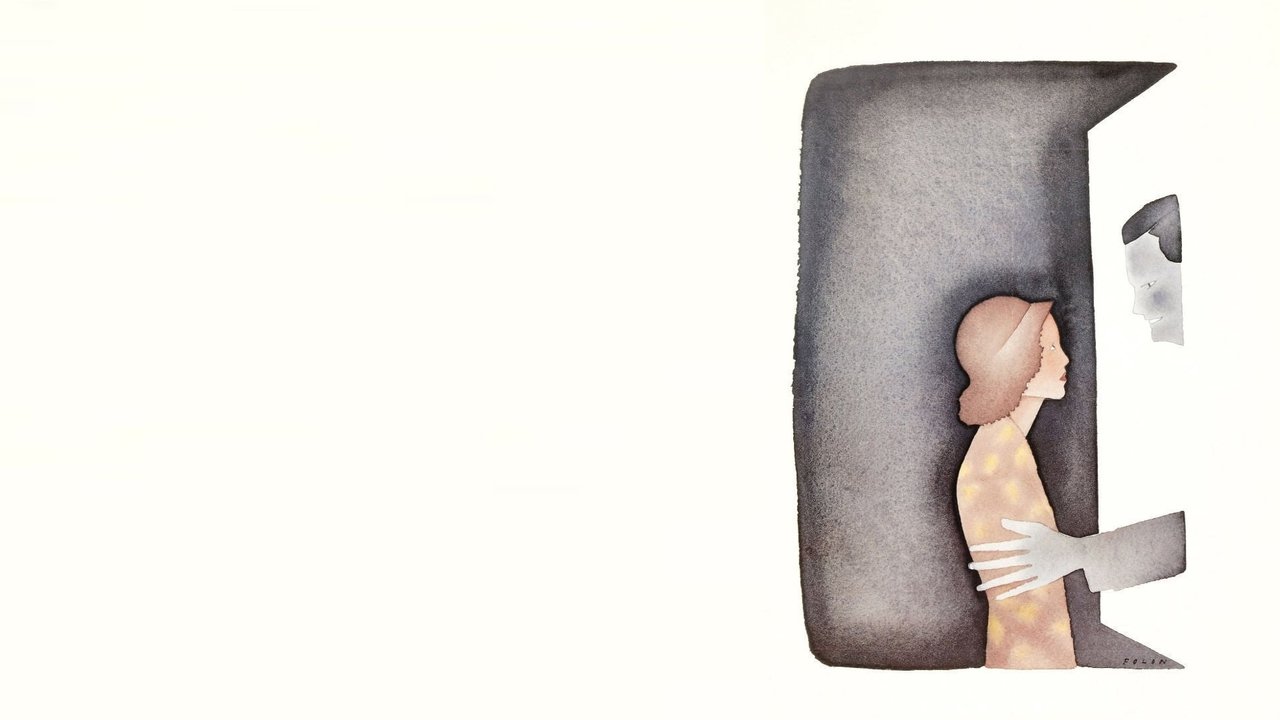
Then, the impossible happens. During yet another viewing, the handsome, adventurous explorer Tom Baxter (Jeff Daniels), notices Cecilia in the audience. He’s struck by her devotion, her repeated attendance. And then, in a moment of pure cinematic magic, he simply... steps off the screen and into her world, black-and-white hero entering the muted colors of her reality. It’s a conceit both charmingly absurd and profoundly touching. What would happen if the ideals we escape to suddenly became tangible?
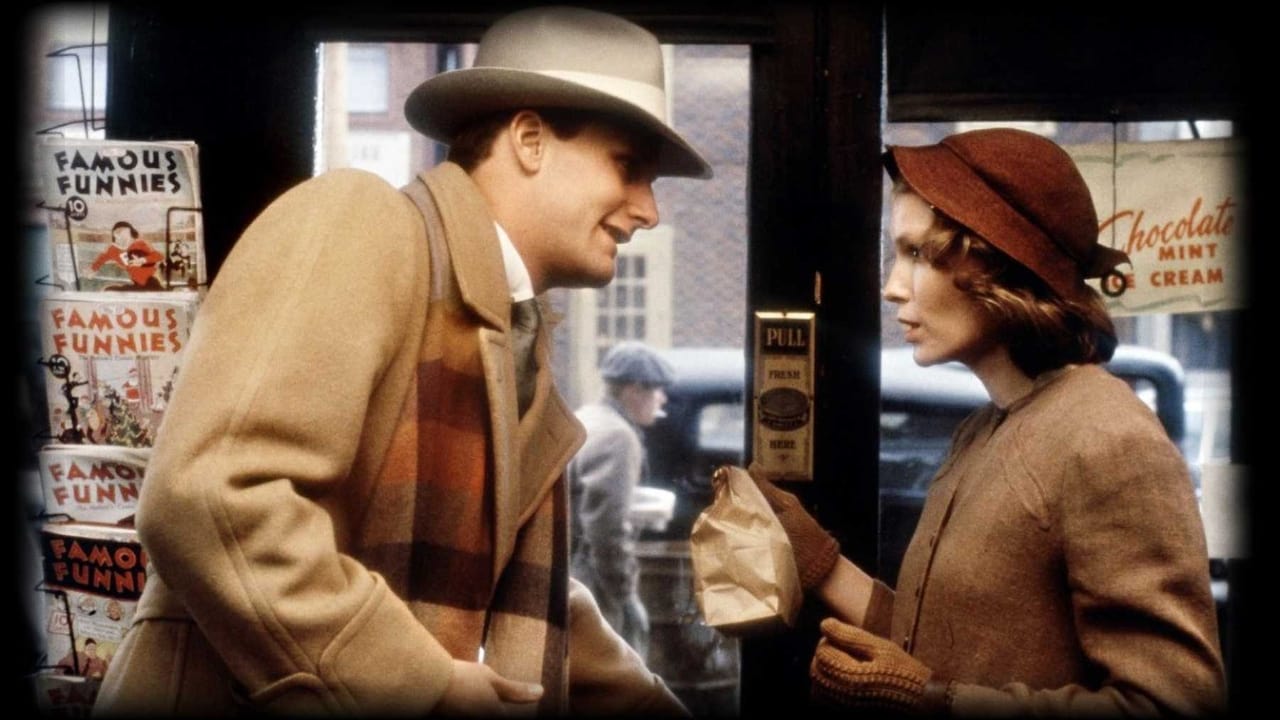
This is where Jeff Daniels truly shines, pulling off a remarkable dual performance. As Tom Baxter, he’s naive, earnest, and utterly confined by his character's script – he knows only the fictional Cairo, has prop money, and finds the concept of God baffling ("Is he in the film?"). He's the idealized romantic hero Cecilia craves. But then Daniels also plays Gil Shepherd, the Hollywood actor who played Tom Baxter. Gil arrives in town, panicked that his rogue character will derail his burgeoning career, adding layers of meta-commentary on stardom, creation, and ego. It’s fascinating to watch Daniels navigate both roles, often in the same scene. It's a challenging task, and it's perhaps telling that Michael Keaton was originally cast as Tom/Gil. He filmed for ten days before Allen felt he skewed a bit too modern, leading to the costly but ultimately perfect recasting of Daniels. You can almost feel the meticulous calibration Daniels brings – Tom’s earnestness never feels like parody, and Gil’s ambition never fully eclipses a certain bewildered charm.
### The Bittersweet Taste of Fantasy
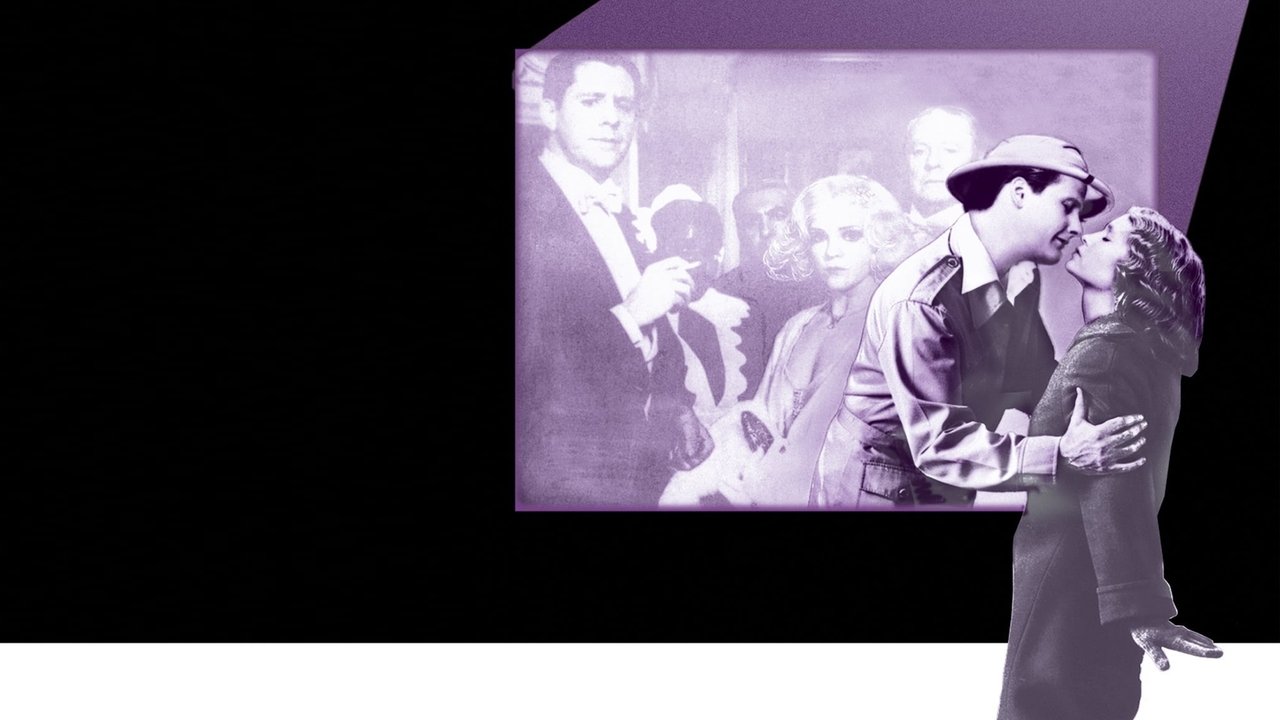
The film deftly explores the collision between these worlds. Tom’s movie-logic clashes hilariously and poignantly with the harsh realities of the Depression. Meanwhile, the other characters left behind on the screen are in chaos, unable to proceed with the plot now that a main character has simply walked away. Their bickering and existential confusion provide some brilliant comedic moments, highlighting the artificiality of the world Cecilia longs for.
But The Purple Rose of Cairo isn't just a high-concept comedy. Allen uses the fantasy premise to ask some surprisingly deep questions. Can manufactured ideals truly make us happy? What happens when the perfect fantasy confronts imperfect reality? Cecilia finds herself caught between the charmingly naive Tom and the flawed but real Gil, forcing her to choose between the dream and the dreamer. It's a choice that speaks volumes about the nature of love, illusion, and the sometimes painful necessity of facing the world as it is. Doesn't this dilemma resonate with the ways we sometimes idealize people or situations, only to grapple with their actual complexities?
### Allen's Tender Heart
Often celebrated for his witty dialogue and neurotic urban tales, The Purple Rose of Cairo reveals a more wistful, romantic side of Woody Allen. He himself has often called it one of his personal favorites among his own films, and it's easy to see why. It's crafted with such affection for its characters and for the very idea of movies themselves. The screenplay, which deservedly won BAFTA and Golden Globe awards (and an Oscar nomination), balances the fantastical premise with genuine emotional weight. There’s a tenderness here, a melancholy sweetness that lingers long after the credits roll. While perhaps not a box office smash upon release (earning around $10.6 million against a $15 million budget, partly inflated by the recasting), its reputation as a unique and moving piece of filmmaking has only grown.
Spoiler Alert for the ending discussion below:
The film’s ending is famously bittersweet, a real gut-punch delivered with quiet grace. Cecilia makes her choice, opting for what seems like the more 'real' possibility, only to be cruelly abandoned. Left alone once more, where does she go? Back to the cinema, of course. She sits down, tears welling, as Fred Astaire and Ginger Rogers glide across the screen in Top Hat (1935). Slowly, tentatively, a small smile begins to form. It’s a devastatingly poignant moment – acknowledging that while fantasy can’t replace reality, its power to soothe, to offer temporary refuge, remains undeniable.
End Spoiler Alert
***
The Purple Rose of Cairo is a love letter to the movies, but one written with an awareness of both their magical allure and their ultimate limitations. It captures that specific feeling of seeking refuge in the dark, letting the flickering images wash over you during hard times – something many of us who grew up haunting video stores can surely relate to. It’s funny, inventive, and carries an emotional depth that stays with you. Mia Farrow is luminous, Jeff Daniels is superb in his dual role, and Woody Allen directs with unusual tenderness.
Rating: 9/10
This rating reflects the film's masterful blend of fantasy and pathos, its brilliant central performances, and its thoughtful exploration of escapism and the enduring power of cinema. It feels near-perfect in its execution, with only the inherent melancholy perhaps preventing it from being an 'easy' watch for some.
Final Thought: It leaves you pondering the delicate dance between the dreams we chase on screen and the lives we actually lead, and perhaps appreciating the magic of movies all the more for their beautiful imperfection.