Alright, fellow tapeheads, let's rewind to 1993. The dust had barely settled from the Cell Games, Goku was chilling in the Other World, and we were all wondering who Earth's strongest defender was now. Then, popping up in video stores or maybe during a late-night anime block, came Dragon Ball Z: Bojack Unbound. Forget saving the world for a minute – how about a massive, no-holds-barred Intergalactic Martial Arts Tournament funded by the ridiculously wealthy X.S. Cash? It sounded like pure Z-fighter wish fulfillment, a chance for guys like Tien and Yamcha (bless 'em) to maybe score a win. Of course, this being DBZ, things go sideways fast.
### Welcome to the Danger Zone Tournament
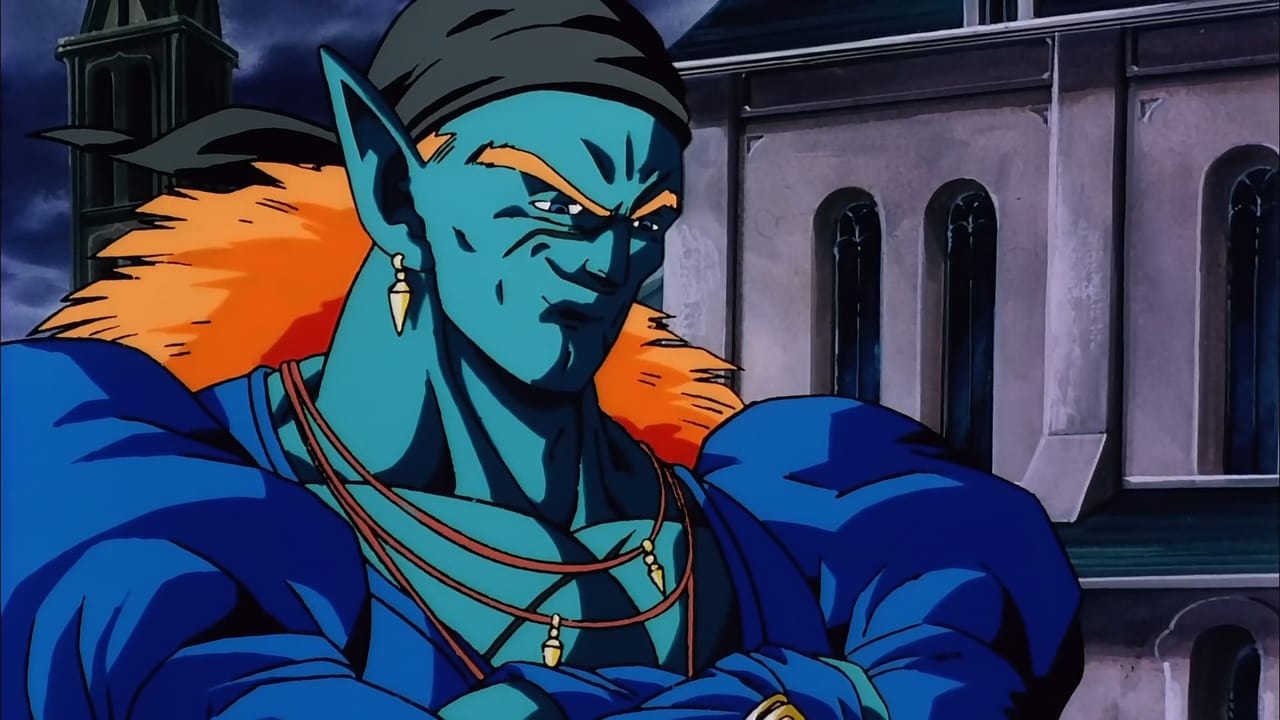
What starts as a seemingly lighthearted exhibition featuring Hercule (Mr. Satan, for the purists) and costumed "alien" fighters quickly reveals its dark underbelly. This isn't just any tournament; it’s the stage for the arrival of Bojack and his Galaxy Soldiers – a crew of space pirates sealed away eons ago by the Kais, now accidentally freed thanks to King Kai's planet getting blown up during the Cell fight (oops?). Director Yoshihiro Ueda, who worked extensively on the DBZ series and other films, delivers exactly what you’d expect from a 90s DBZ movie: escalating stakes and increasingly desperate battles.
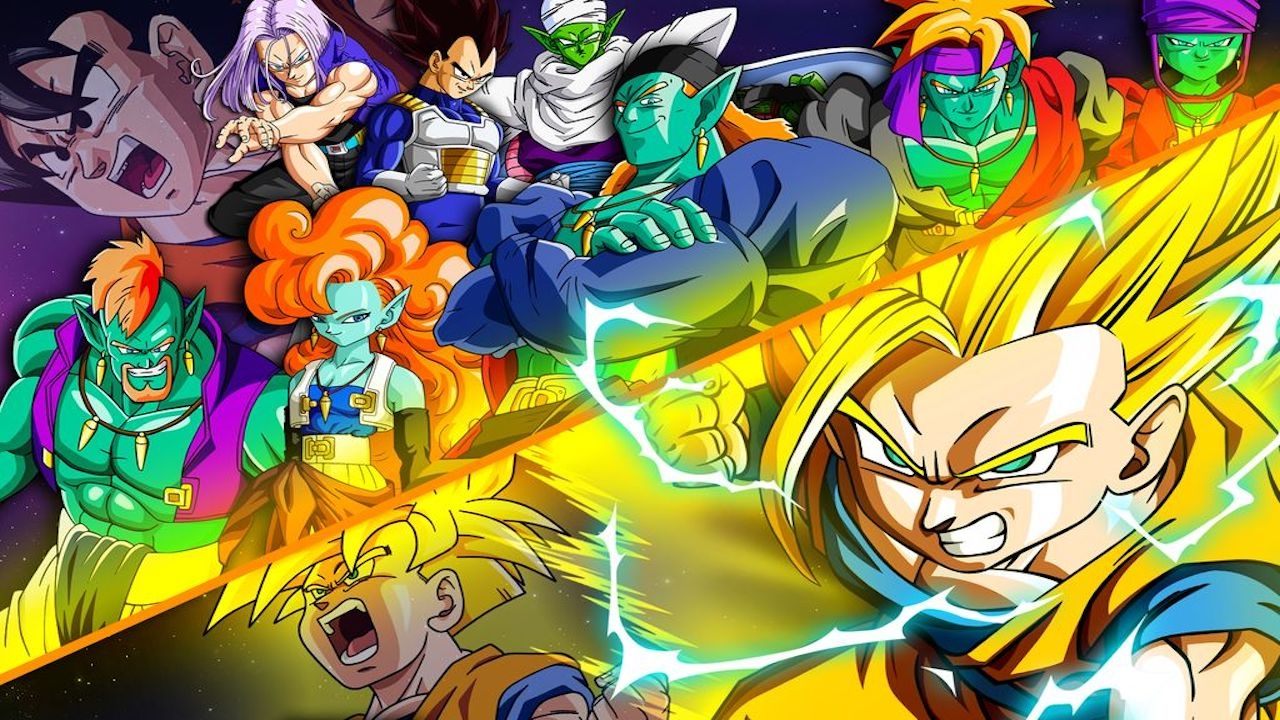
The setup is classic Takao Koyama, who penned a staggering thirteen of these DBZ theatrical outings. Koyama knew the formula: establish a threat, give the supporting cast a moment (usually to get utterly demolished), build tension, and let the Saiyans handle the fireworks. Akira Toriyama, the maestro himself, provided the character designs, giving Bojack and his crew (Zangya, Kogu, Bido, and Bujin) a distinct, menacing look that felt fresh yet perfectly fit the DBZ universe aesthetic. Remember seeing those designs for the first time? They just screamed "trouble."
### Gohan Steps Up (Again)
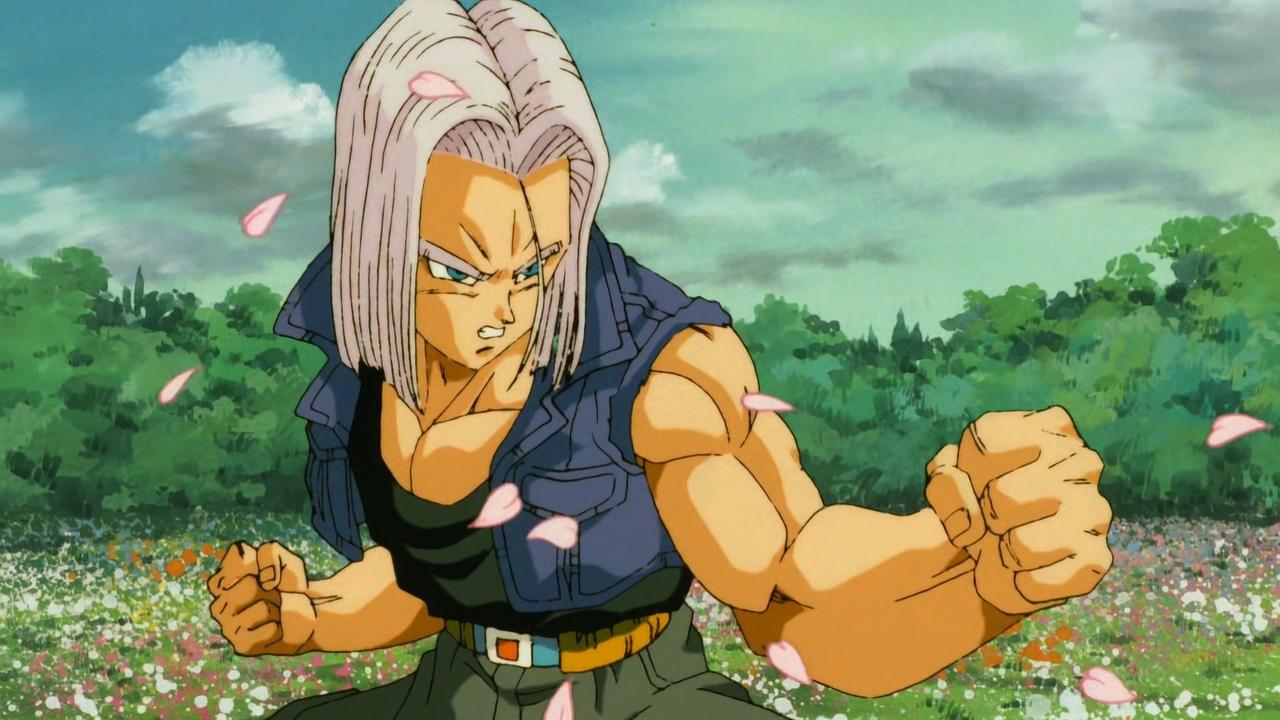
With Goku out of the picture, the spotlight naturally falls on Gohan (Masako Nozawa delivering that iconic blend of youthful uncertainty and explosive rage). This film serves as a fantastic bridge, showcasing Gohan grappling with his power and responsibility post-Cell. We see Piccolo (Toshio Furukawa) doing his stoic badass thing, Trunks arriving with his usual cool demeanor, and even Krillin (Mayumi Tanaka) getting some licks in. But Bojack Unbound is Gohan's show.
The action here feels incredibly kinetic, even by today's standards. Forget slick CGI – this is pure, hand-drawn cel animation fury. Every energy blast crackles, every punch lands with a visceral thwack amplified by that distinct early 90s sound design. Remember how those fights felt so raw and impactful on your flickering CRT? The animation quality, a clear step up from the weekly series, allowed for smoother movement and more detailed destruction. When Bojack transforms into his hulking green form, the sense of overwhelming power is palpable. There's a weight and physicality to the animation that modern digital techniques often smooth over.
### That Pure 90s DBZ Energy
Watching Bojack Unbound now is like mainlining pure, uncut 90s anime energy. The pacing is relentless once the villains reveal themselves. The stakes feel genuine because, for a good chunk of the film, our heroes are truly outmatched. The Galaxy Soldiers’ dirty tactics, like using energy threads to immobilize fighters, add a layer of strategy beyond just power levels. It wasn't just about who could punch harder; it was about overcoming their coordinated, ruthless assault.
A fun bit of context: this movie, originally titled Dragon Ball Z: The Galaxy's Last Stand!! The Super Incredible Guy in Japan (catchy, right?), hit theatres there in July 1993, perfectly filling the gap while the manga moved towards the Buu Saga. For many international fans, however, it arrived later on VHS, often with the iconic, and sometimes divisive, Funimation dub featuring a driving rock/metal soundtrack that undeniably shaped the viewing experience for a generation. Whether you prefer the original score or the headbanging riffs, the core intensity shines through.
The film isn't without its DBZ movie tropes, of course. The initial tournament setup feels a bit like padding until the real threat emerges, and some favorite characters get dispatched perhaps a little too quickly. But these are minor quibbles in what is arguably one of the tightest and most satisfying non-canon DBZ adventures.
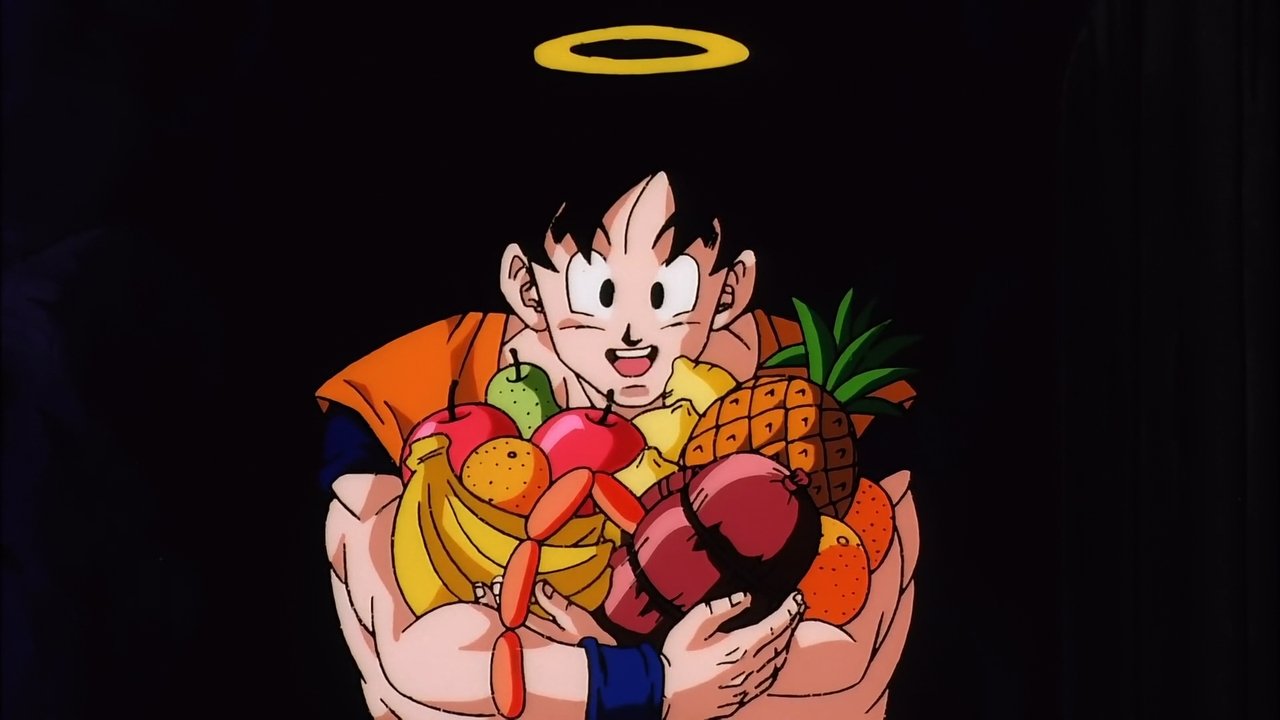
(Minor Spoiler Alert!) The climax, featuring Gohan once again tapping into his hidden rage (with a little spectral encouragement from dear old Dad), is pure DBZ catharsis. Seeing him unleash Super Saiyan 2 again felt earned and electrifying. It solidified his position as Earth's protector, even if the subsequent series arc would take him in different directions.
### Final Frame: Is It Still Unbound?
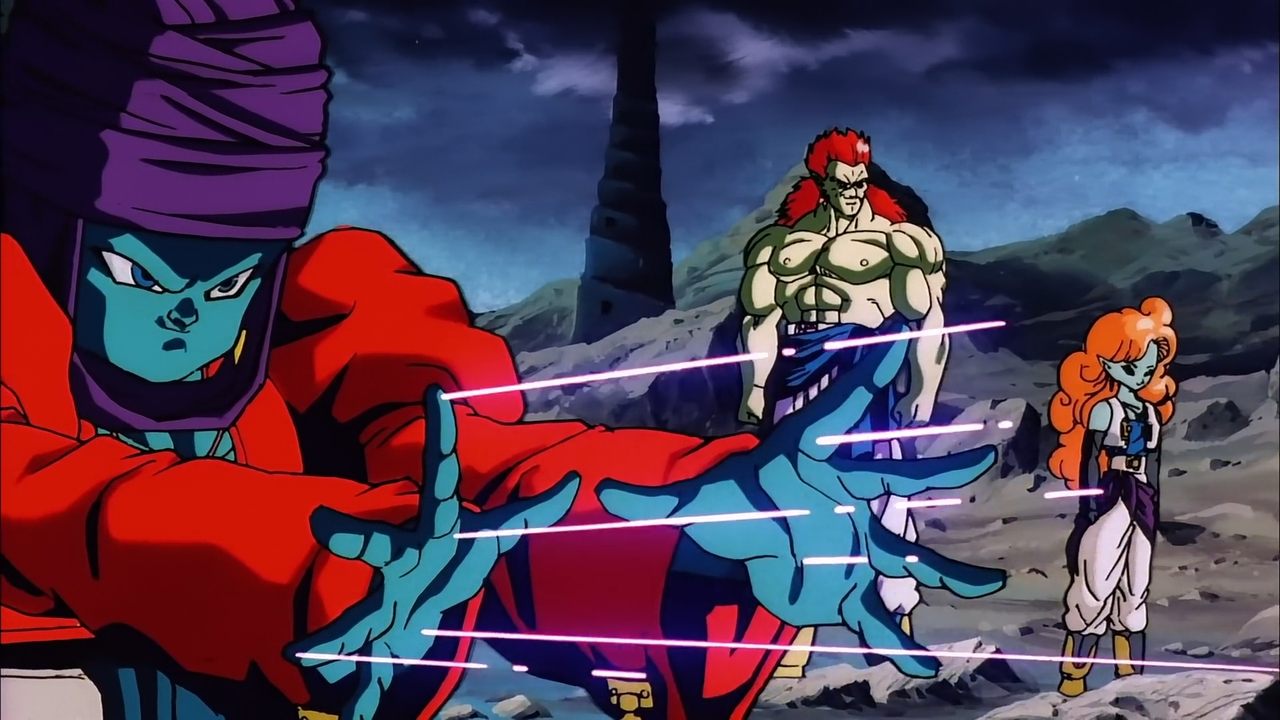
Dragon Ball Z: Bojack Unbound holds up remarkably well. It captures a specific, potent moment in the DBZ timeline, delivering focused action, memorable villains, and a crucial character beat for Gohan. The hand-drawn animation has a timeless energy, and the pacing keeps you locked in. It avoids the bloat of some later features and delivers a concise, powerful story.
Rating: 8/10 - Justification: A top-tier DBZ movie experience. It delivers intense, well-animated action, features strong character moments (especially for Gohan), boasts memorable villain designs by Toriyama, and perfectly encapsulates the post-Cell era vibe. While adhering to the DBZ movie formula, it executes it with precision and high energy, making it incredibly rewatchable. Minor pacing issues early on and the quick dispatch of some side characters keep it from absolute perfection, but it’s a standout entry.
Final Thought: For a blast of pure, concentrated 90s Saiyan fury served up before digital smoothing took over, Bojack Unbound remains a glorious slice of animated mayhem – a reminder of when Gohan truly held the fate of the galaxy in his hands. Definitely worth digging out of the tape archives.