Alright, pop that tape in the VCR, ignore the tracking lines for a second, and let’s talk pure, unadulterated 90s anime power. Remember the thrill of finding a new Dragon Ball Z movie down at the rental store? Tucked away in that small, often slightly disorganized anime section? Dragon Ball Z: The Return of Cooler (or Clash!! 100 Billion Power Warriors if you managed to snag an imported laserdisc or fan sub!) landed like a Senzu Bean-powered punch back in 1992, and watching it again now feels like uncovering a time capsule filled with speed lines, energy blasts, and the sheer joy of Saiyan smackdowns. This wasn't just another movie; this was Cooler, Frieza's arguably cooler (pun intended?) brother, back from oblivion and sporting a serious chrome upgrade.
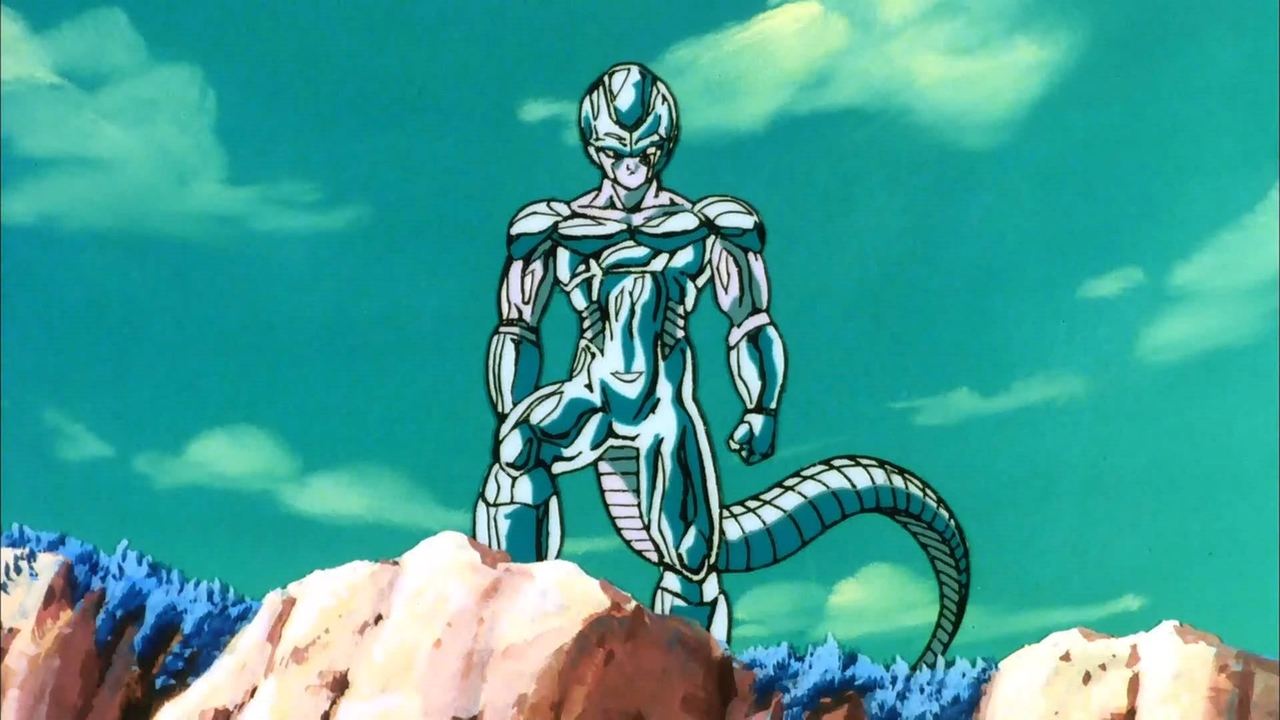
### Metal Might on New Namek
The setup is classic DBZ movie efficiency: the peaceful planet of New Namek is suddenly besieged by a terrifying, planet-devouring entity – the Big Gete Star. And who’s leading the charge? None other than Cooler, now rebuilt, enhanced, and capable of regenerating himself into an army of metallic duplicates. Naturally, Goku, Gohan, Piccolo, Krillin, and the gang arrive via capsule ship to investigate, setting the stage for an explosive reunion. Director Daisuke Nishio, a true veteran who helped shape the look and feel of the Dragon Ball and DBZ TV series, knew exactly what fans wanted: minimal plot friction, maximum action. Writer Takao Koyama, who penned a staggering number of these films, delivers a script that's lean, mean, and serves primarily as a launchpad for increasingly intense confrontations. It's a formula, sure, but when the formula involves Super Saiyans versus an army of nigh-indestructible metal tyrants, who's complaining?
### Hand-Drawn Havoc and a Prince's Debut
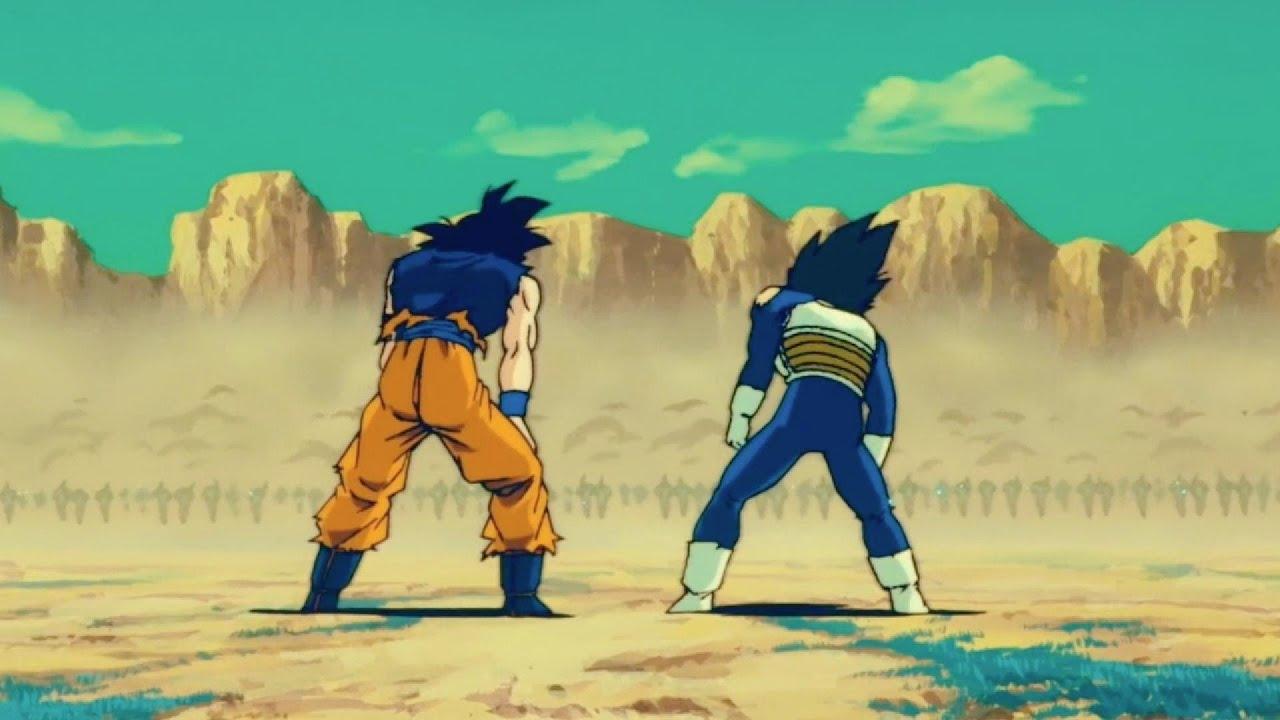
Let's get to the good stuff: the fighting. This film is relentless. The moment the Metal Coolers appear, the action barely pauses for breath. What stands out, watching it through modern eyes, is the raw, tactile energy of the hand-drawn animation. Every punch lands with a visceral thwack, emphasized by those signature impact frames. Energy blasts crackle with unstable power, not the smooth, almost sterile perfection we sometimes see today. Remember how real those rapid-fire martial arts exchanges felt? That’s the beauty of this era’s animation – you feel the effort, the speed, the sheer kinetic force conveyed through ink and paint cels. There's a certain weight and grit to it that CG, for all its flexibility, often struggles to replicate.
And then there's the arrival. For fans watching this unfold back in the day, the appearance of Vegeta was a genuine fist-pump moment. Voiced with simmering arrogance by the legendary Ryō Horikawa, this marked Vegeta's first proper outing in a DBZ movie, finally joining the fray alongside Goku. Seeing two Super Saiyans fighting side-by-side against an overwhelming threat? Absolute gold. It was the kind of team-up fans had craved, and the film delivered spectacular sequences of them battling legions of Metal Coolers across the Namekian landscape. A fun tidbit: Vegeta's inclusion was a massive selling point, capitalizing on his immense popularity during the Cell Saga era of the main series.
### Voices of Power and Escalating Threats
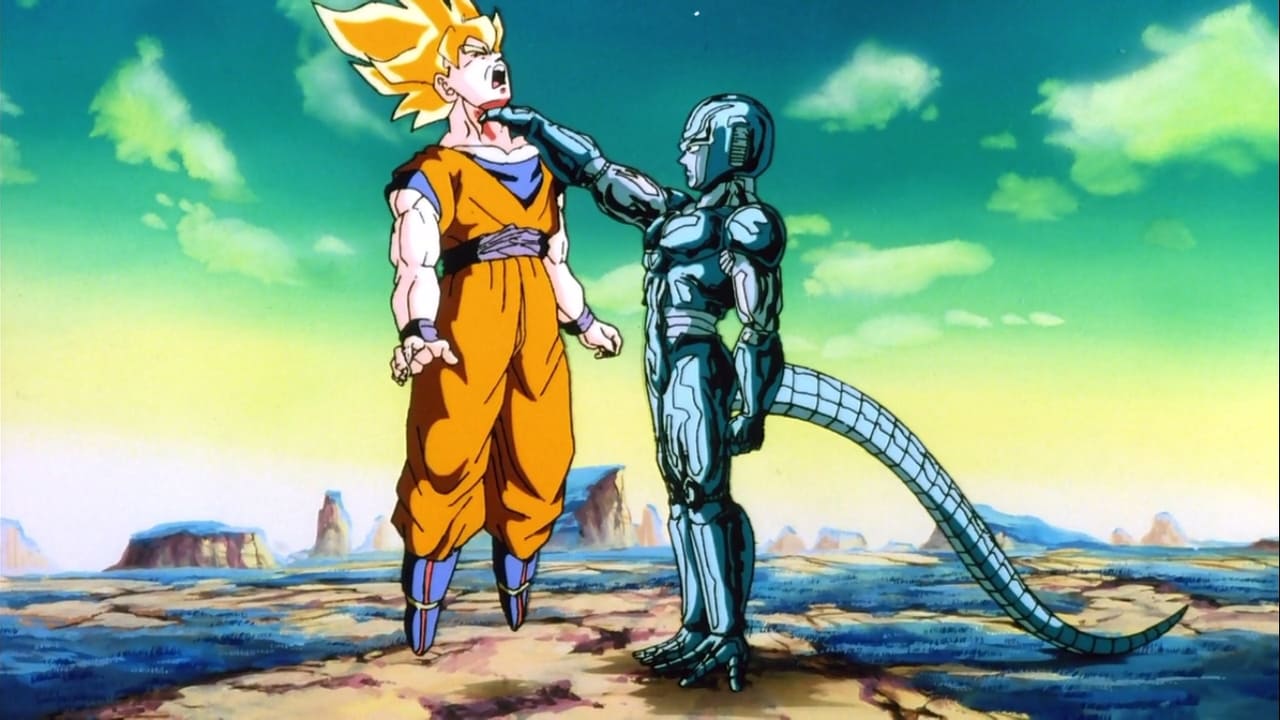
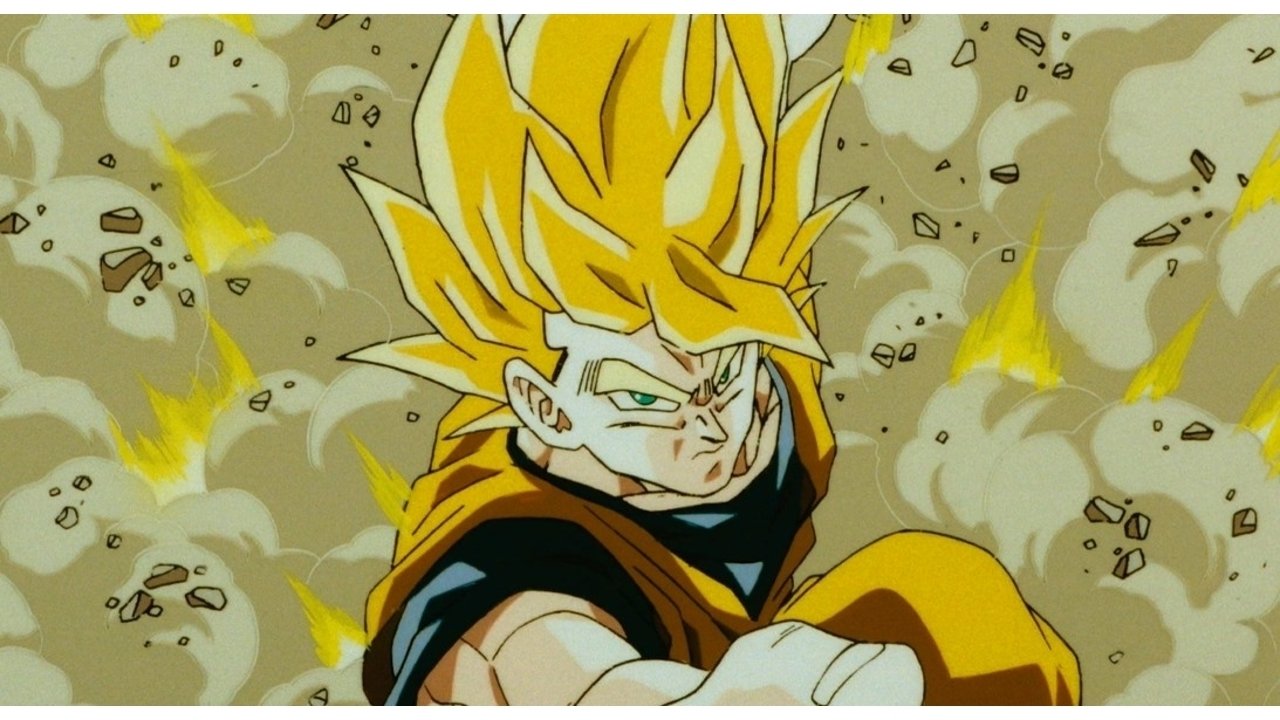
The sheer number of Metal Coolers thrown at our heroes creates a fantastic sense of desperation. While the plot point of "Oops, more clones!" might seem repetitive now, back then it just amplified the stakes. How could they possibly win against an infinite army led by an upgraded foe? Of course, Goku (voiced with eternal optimism and battle cries by the inimitable Masako Nozawa, who also pulls double duty as Gohan) finds a way. The Super Saiyan transformations still feel epic, heralded by Shunsuke Kikuchi's iconic, driving score – instantly recognizable themes that get the blood pumping. Even the supporting cast, like Toshio Furukawa's stoic Piccolo and Mayumi Tanaka's ever-reliable Krillin, get their moments to shine before the Saiyans inevitably take center stage. The film brilliantly captures that classic DBZ trope: just when you think the heroes have the upper hand, the villain reveals another layer of power or a fiendish trick.
The animation quality, while typical of Toei's theatrical output of the time (a step up from the TV series but not quite feature film lavishness by today's standards), excels in conveying scale and destruction. The Big Gete Star itself is a menacing presence, and the final confrontation within its core offers some memorably grotesque cybernetic imagery. It’s a testament to the artists and animators who, working without the digital tools of today, created such dynamic and imaginative sequences. They relied on clever layouts, speed lines, perspective tricks, and sheer artistic skill to make these super-powered beings feel real and dangerous.
### VHS Verdict
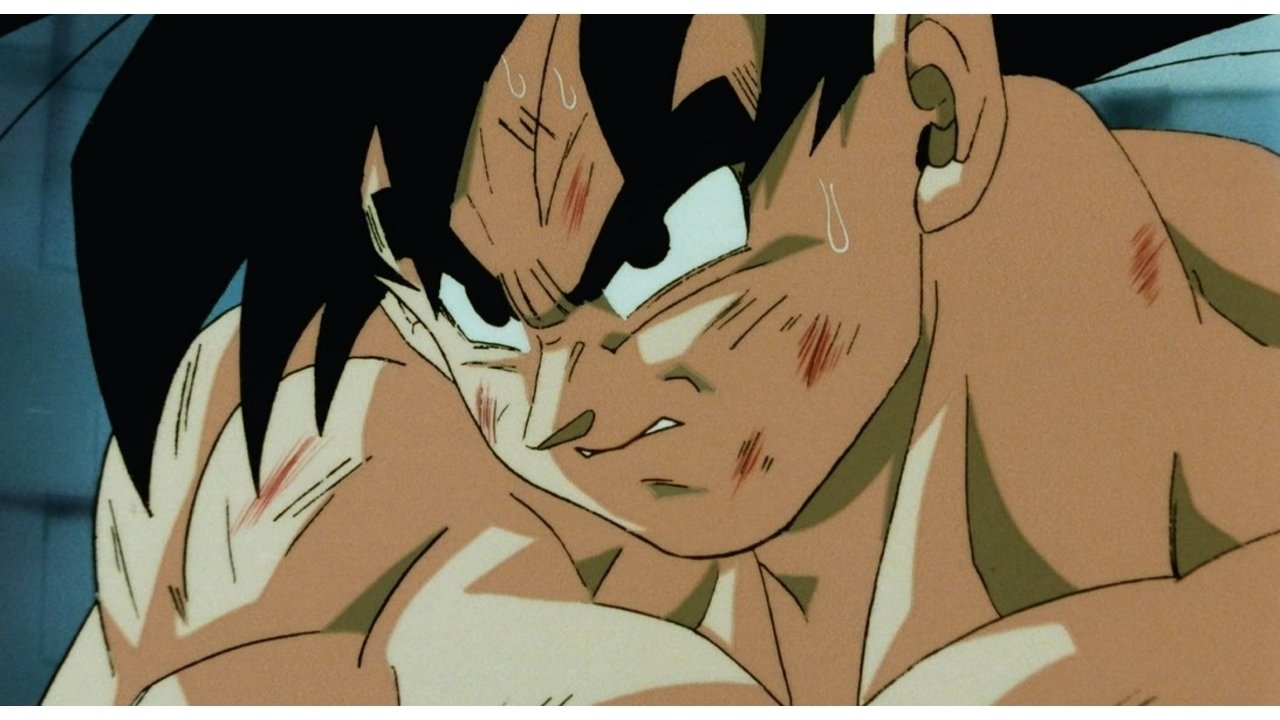
Dragon Ball Z: The Return of Cooler is pure, concentrated DBZ movie essence distilled onto magnetic tape. It’s fast, loud, packed with iconic characters doing what they do best, and features a genuinely cool villain concept. Does the plot hold up to intense scrutiny? Not really, but that was never the point. This was about the spectacle, the thrill of seeing favourite characters pushed to their limits, and experiencing that unique brand of high-octane, hand-drawn action that defined 90s anime. The inclusion of Vegeta alone makes it a standout entry in the series' filmography. Finding this gem at the video store was like hitting the jackpot.
Rating: 8/10 - The justification? It delivers exactly what it promises: wall-to-wall Saiyan action, a memorable villain, Vegeta's awesome movie debut, and that pure, uncut 90s DBZ energy. It knows its audience and hits all the right notes, even if the story is wafer-thin.
Final Take: Pure adrenaline cinema, 90s anime style. It might lack narrative depth, but grab some microwave popcorn, crank up the volume, and embrace the glorious, slightly fuzzy, power-level-shattering nostalgia trip. They just don't make 'em quite like this anymore.