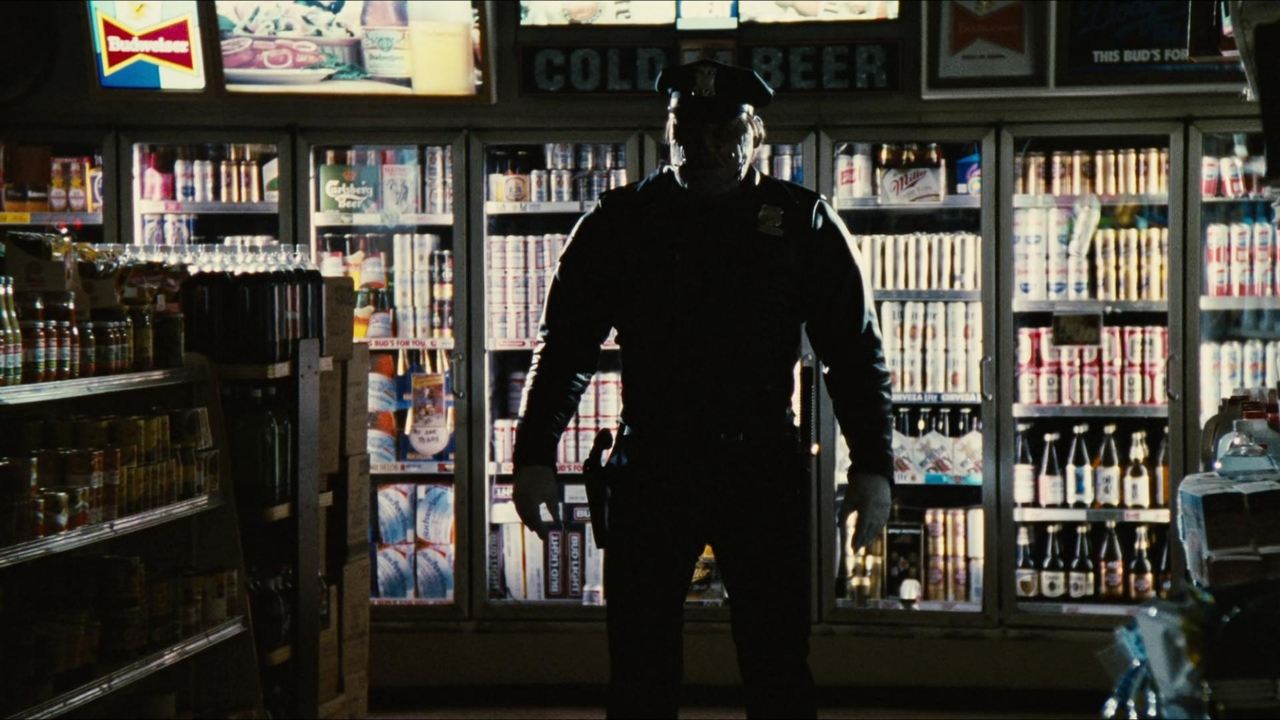
The flickering neon sign of a forgotten bodega cuts through the grime, casting long shadows where something fundamentally wrong stirs. It’s the kind of oppressive city heat that makes asphalt shimmer and tempers fray, the perfect breeding ground for the nightmare that is Matt Cordell. Forget easing back into the story; Maniac Cop 2 (1990) grabs you by the throat from the opening frames and rarely loosens its grip. This isn't just a sequel; it's an escalation, a doubling-down on the nihilistic dread and brutal action that made the original a video store staple.
Relentless Brutality, Amplified
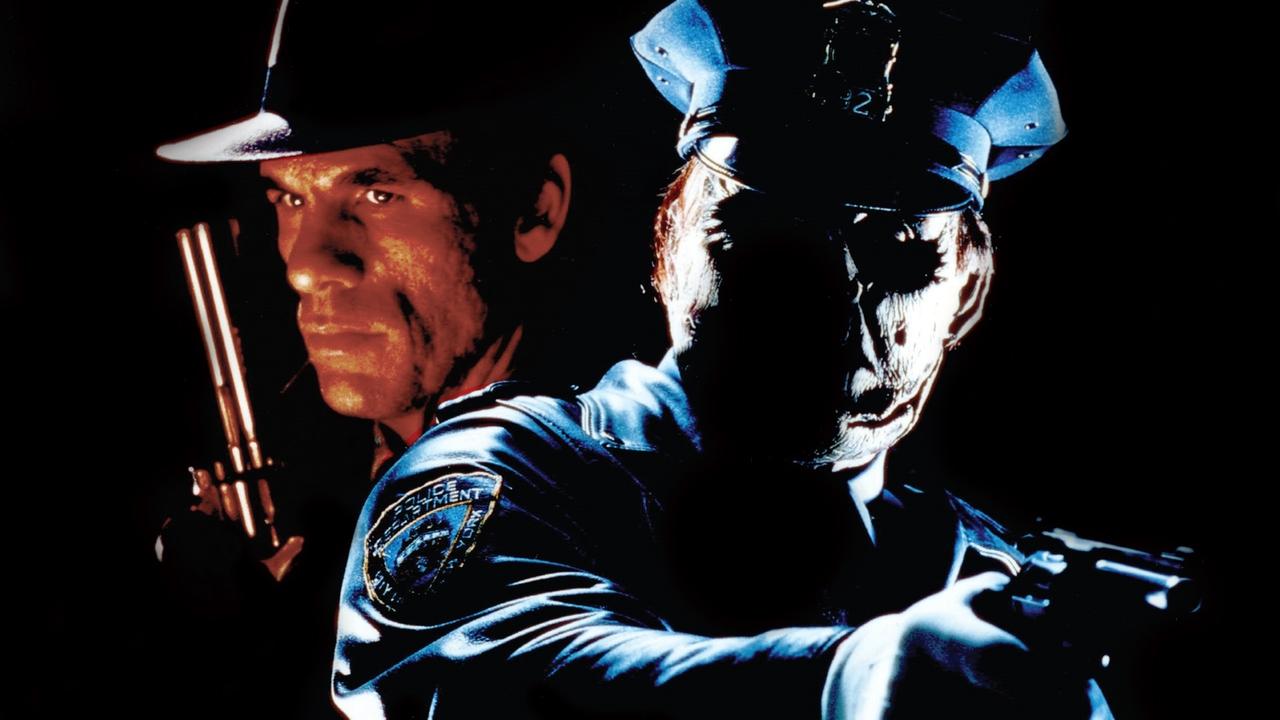
If the first Maniac Cop was a grimy procedural fused with a slasher, this follow-up, again steered by the confident hand of director William Lustig and penned by the legendary Larry Cohen, leans harder into the accelerator. Cordell (the imposing visage of Robert Z'Dar, though stuntman Leo Rossi reportedly donned the uniform for much of the action) is back from his watery grave, more overtly supernatural, seemingly indestructible, and radiating pure, focused vengeance. The plot kicks off with shocking immediacy, dispatching returning characters with a coldness that sets the tone – nobody is safe. This wasn't just narrative cleanup; Cohen reportedly hammered out the script quickly after the first film found unexpected lifeblood on home video, sensing the potential for something bigger, meaner.
The film throws Detective Sean McKinney, played with weary gravitas by Robert Davi (fresh off menacing Bond in Licence to Kill), into the fray. Davi embodies the cynical, seen-it-all New York cop archetype perfectly, a necessary anchor amidst the chaos. He’s paired with police psychologist Susan Riley (Claudia Christian, familiar to sci-fi fans from Babylon 5), who finds herself dangerously close to Cordell's warpath. Their investigation peels back layers of corruption and conspiracy, but the real draw is the feeling of an unstoppable force meeting increasingly desperate resistance.
A Symphony of Practical Mayhem
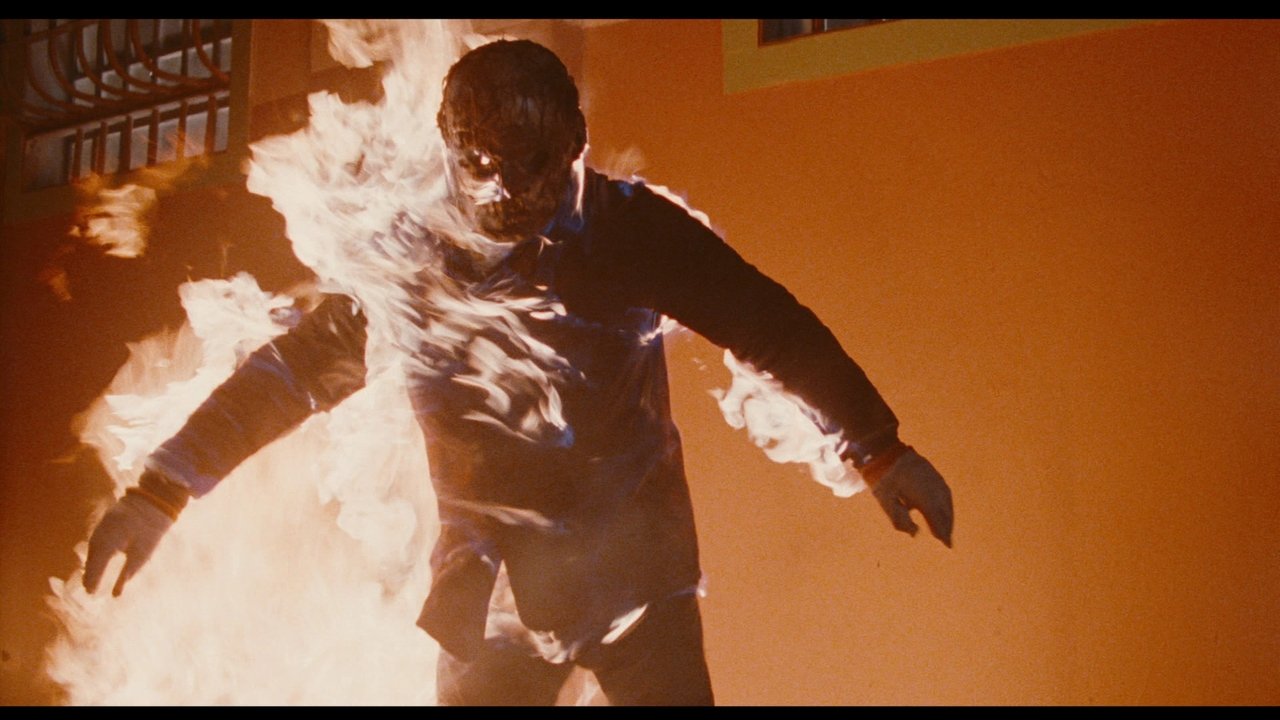
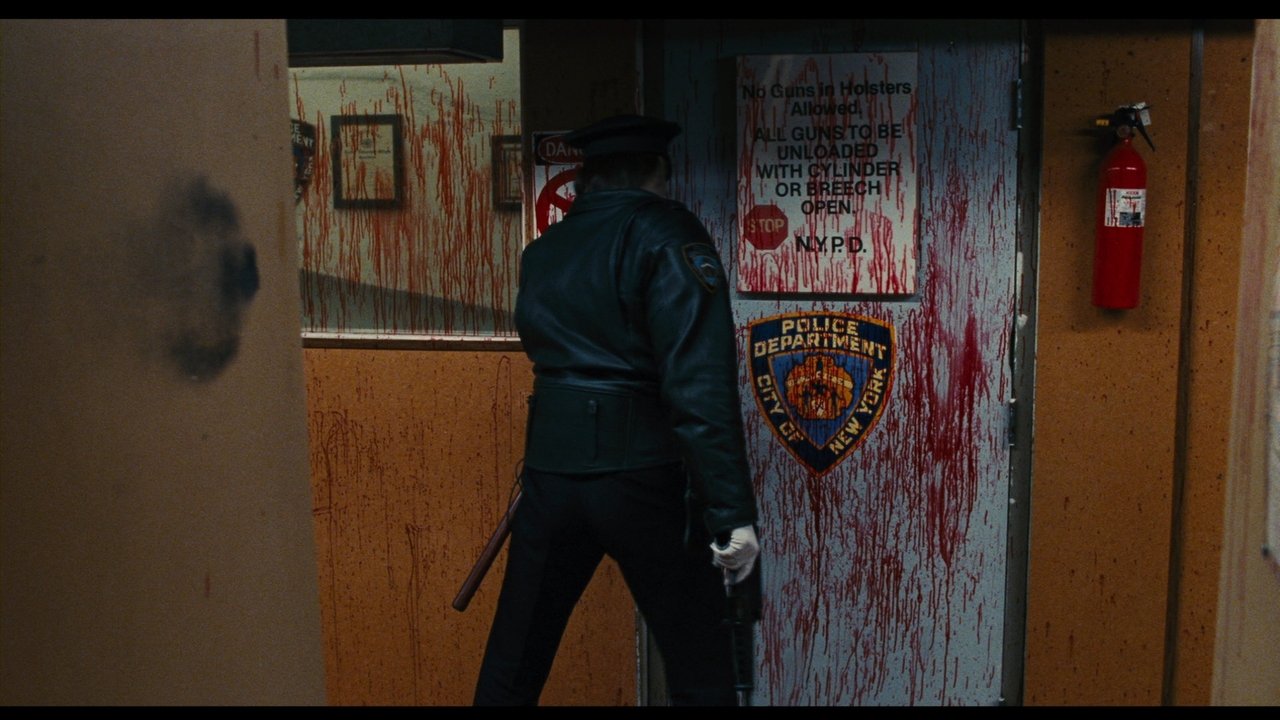
What truly elevates Maniac Cop 2 within the pantheon of late-80s/early-90s action-horror is its commitment to visceral, practical stunt work. Lustig orchestrates sequences that feel genuinely dangerous, imbued with a weight and impact often missing today. The handcuffed-to-a-runaway-car sequence? Pure adrenaline. And then there's that scene. The full-body burn stunt, performed by the unbelievably daring Spiro Razatos (who would become a top-tier stunt coordinator), remains absolutely jaw-dropping. Reportedly set ablaze for over 30 seconds while sprinting through a police station corridor filled with firing officers, it’s a moment of pyrotechnic insanity that perfectly encapsulates the film’s go-for-broke attitude. Forget CGI – this was flesh, fire, and sheer audacity captured on film, a testament to an era where stunt performers truly put it all on the line. Filming these elaborate sequences on the streets of New York undoubtedly presented its own set of logistical nightmares, adding another layer of gritty authenticity.
Cohen's Edge, Lustig's Grit
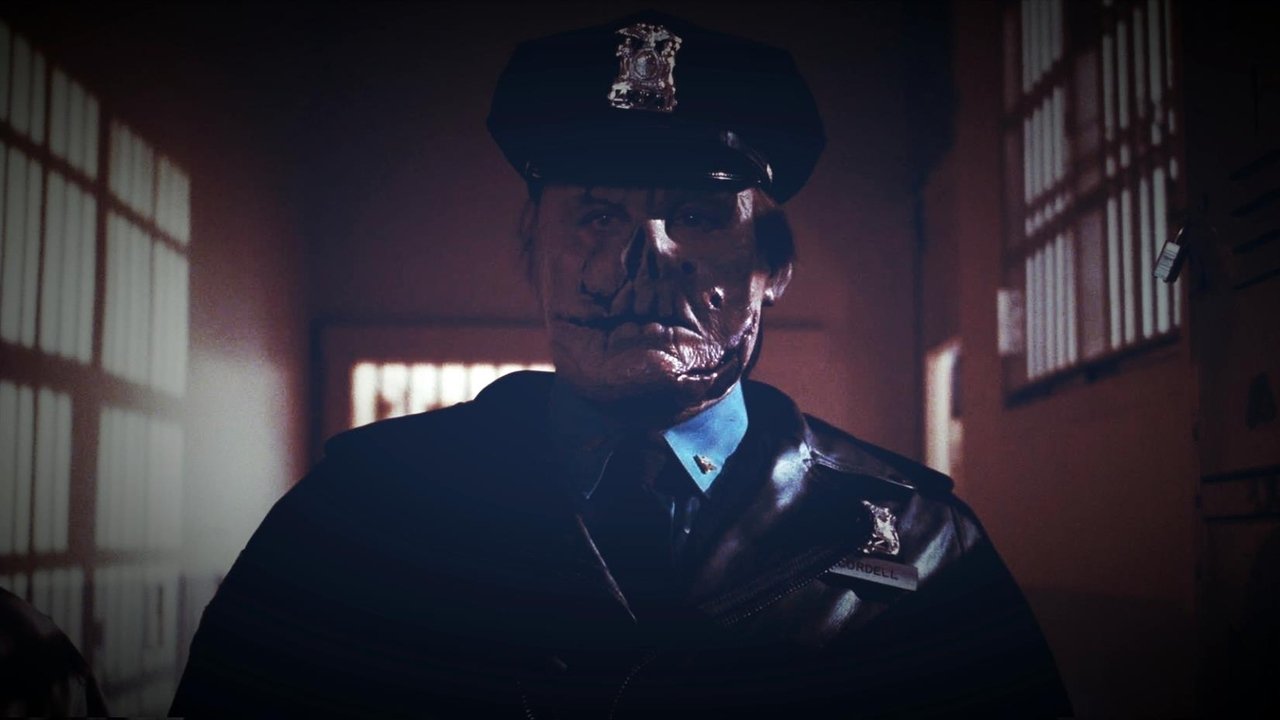
Beneath the explosions and high body count, Larry Cohen's script retains his signature satirical edge. Themes of police brutality, media sensationalism, and the breakdown of trust in authority figures bubble just beneath the surface. Cordell isn't just a monster; he's a grotesque manifestation of systemic failure, a vengeful spirit born from corruption. Lustig translates this onto the screen with stark, unvarnished visuals. His New York isn't romanticized; it's a decaying, hostile environment, mirroring the moral rot Cordell represents. The slightly increased budget (reportedly around $4 million) compared to the original clearly allowed for grander set pieces, but the film never loses its essential grindhouse soul.
The Undead Heart of the Franchise
While the original Maniac Cop established the premise, Maniac Cop 2 perfected the formula, delivering a relentless, action-packed, and surprisingly atmospheric experience. It confidently strides the line between slasher horror and explosive action thriller, creating a hybrid that feels distinct even today. The pacing is fierce, the kills are inventive (and often brutal), and Cordell solidifies his status as a truly memorable horror icon – that massive frame, the chilling silence, the unstoppable drive. Its strong performance on VHS and cable cemented its cult status, arguably surpassing the original in the eyes of many fans and leading directly to the somewhat troubled production of Maniac Cop 3: Badge of Silence (1993). Doesn't Cordell's chillingly simple design still feel effective in its brutalist horror?
***
Rating: 8/10
Maniac Cop 2 earns this score through sheer relentless energy, outstanding practical stunt work that has to be seen to be believed, and a perfect B-movie marriage of gritty action and supernatural horror. Robert Davi provides a compelling anchor, and the film confidently escalates everything that worked in the original. It’s a prime example of exploitation filmmaking firing on all cylinders, delivering exactly the kind of thrills VHS hunters craved.
This sequel isn't just more of the same; it's bigger, bolder, and bloodier. It stands as a high-water mark for action-horror crossovers of the era, a film that understood its premise and executed it with brutal efficiency and surprising style. A must-watch for anyone craving that specific blend of urban decay and unstoppable mayhem that defined so much great genre cinema from the turn of the decade. Pop this one in the VCR, turn down the lights, and prepare for Cordell's relentless pursuit.