The air hangs thick and heavy, smelling of damp earth and something else... something dry and rotting. It’s the scent that clings to certain corners of the horror genre, the ones set far from city lights, where the rustling in the fields isn’t just the wind. That’s the suffocating space William Wesley’s 1988 direct-to-video gem Scarecrows inhabits, a grimy, relentless little nightmare that feels unearthed rather than simply watched. Forget polished studio thrills; this is pure, uncut B-movie dread, served cold under a pale moonlight.
Escape into the Abyss
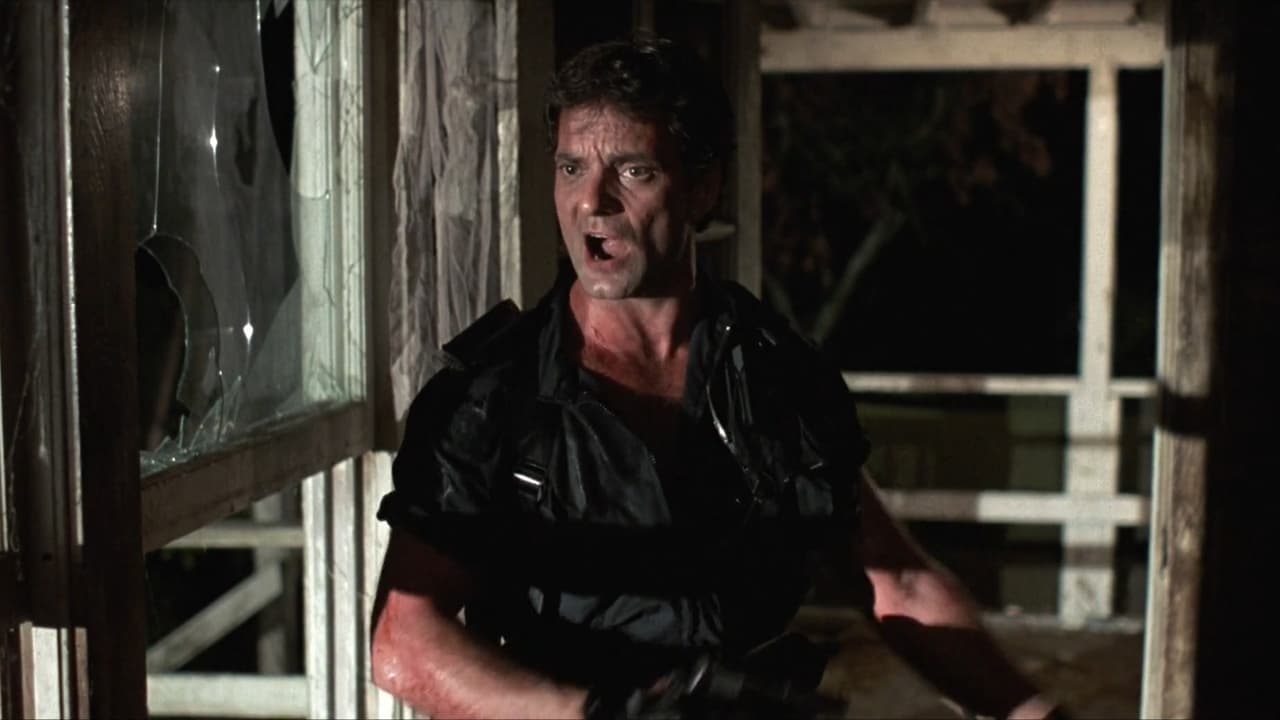
The setup is beautifully simple, almost pulpy: a team of paramilitary thieves pulls off a daring heist at Camp Pendleton, snatching millions. Led by the cold-blooded Curry (Ted Vernon), they hijack a plane with two hostages, intending to vanish into Mexico. But betrayal brews mid-air, forcing an emergency landing near a desolate, seemingly abandoned farmhouse bordered by endless, whispering cornfields. It’s a classic horror pressure cooker scenario, stranding desperate, armed individuals in isolation. But what awaits them isn't just the law, or each other. Something far older and more malevolent resides among the cornstalks.
Whispers in the Corn
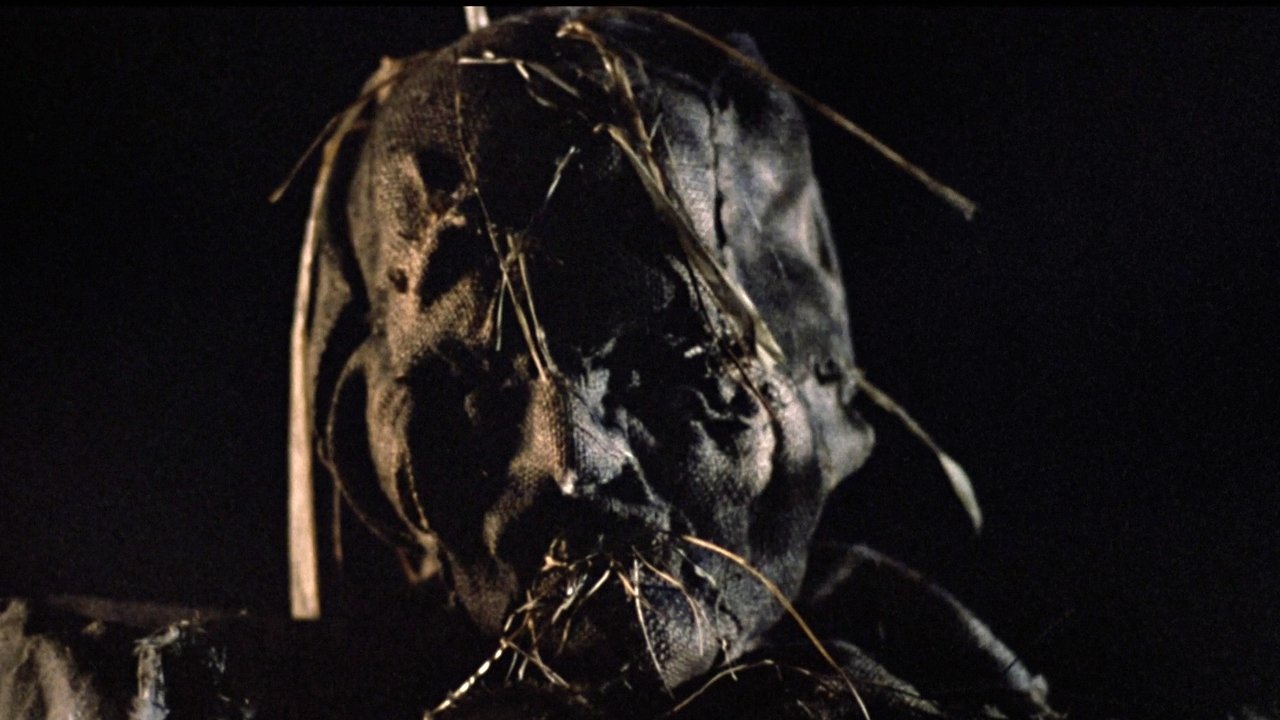
From the moment they stumble upon the Fowler farm, Scarecrows masterfully cranks up the unease. The place feels wrong. The silence is too deep, punctuated only by the eerie creak of the windmill or the rustle of unseen things in the corn. And then there are the scarecrows themselves – crudely stitched, menacing figures slumped on crosses, seemingly guarding the property. Wesley uses the landscape brilliantly; the vast, obscuring fields become a character in themselves, a labyrinthine hunting ground where visibility is limited and sound plays tricks on the mind. The score, often minimalist and droning, complements this perfectly, avoiding jump-scare stingers in favour of a persistent, gnawing tension. Remember how potent that kind of atmosphere felt, emanating from the fuzzy glow of the CRT? That’s the feeling Scarecrows taps into so effectively.
Handmade Horrors That Stick
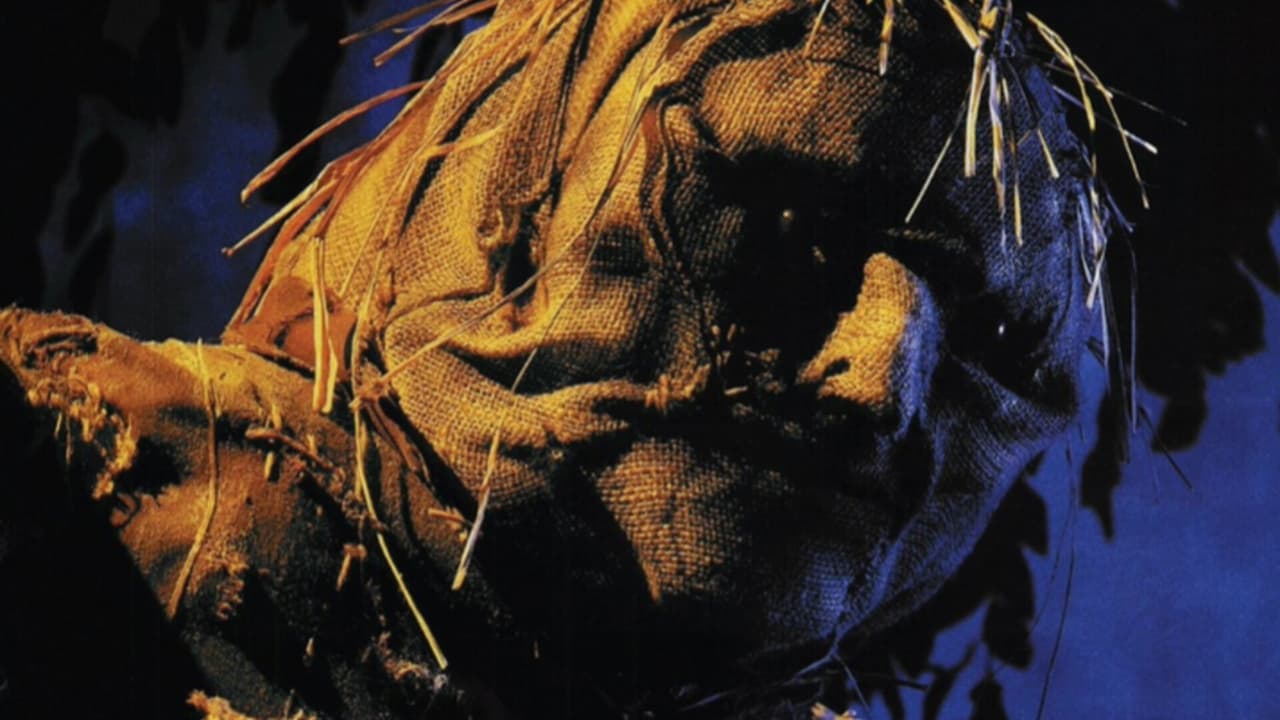
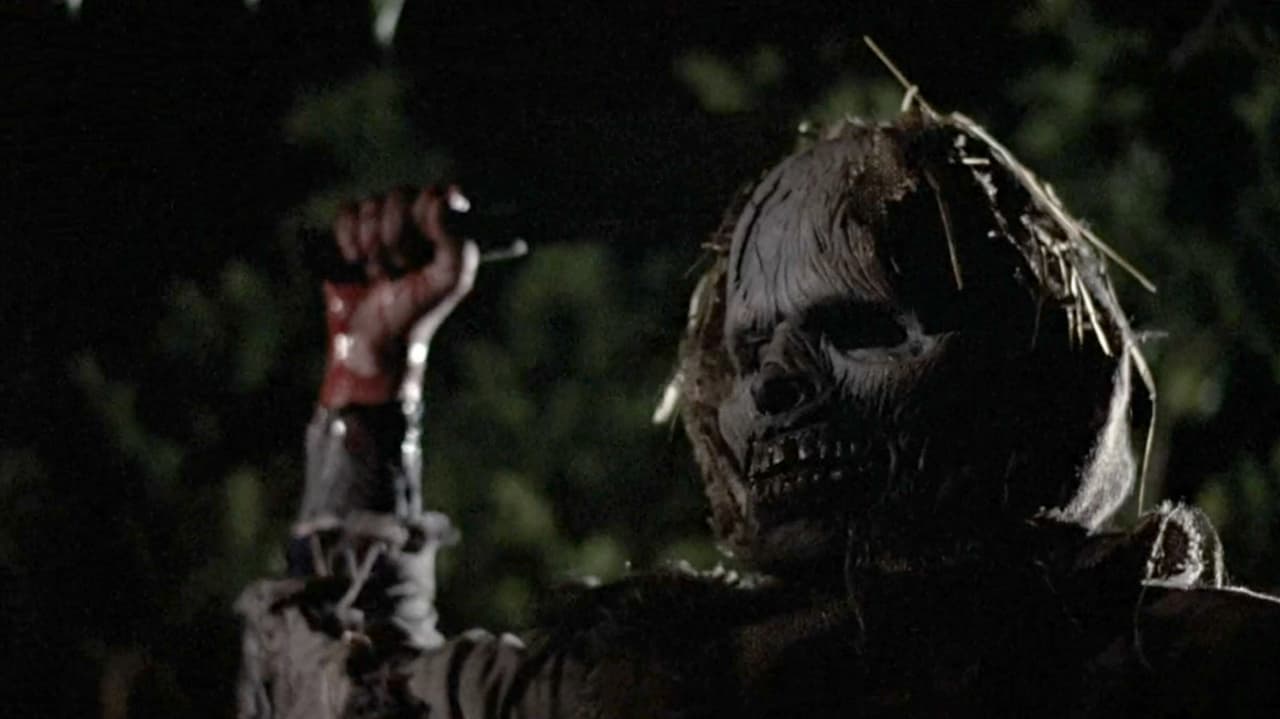
Let’s talk about the real stars here: the practical effects. In an era before digital polish sanded off all the rough edges, the gore and creature work in Scarecrows felt disturbingly tangible. The transformations, as victims are gruesomely stuffed with straw and cash, becoming grotesque parodies of the very things they coveted, are stomach-churning highlights. Credit goes to effects artist Norman Cabrera, who would later lend his talents to bigger productions like From Dusk Till Dawn and The Walking Dead. Here, working with what was reportedly a shoestring budget (estimates range from $375k to $750k, largely self-funded by director Wesley and lead actor/producer Ted Vernon – himself a fascinating figure, a former rockabilly musician and entrepreneur), Cabrera delivers visceral, unsettling imagery that burns itself onto your brain. There's a raw, nasty quality to the effects that CGI often lacks; you feel the tearing fabric, the crunch of straw, the violation of the human form. Doesn't that kind of visceral, handmade horror still feel uniquely chilling?
Desperation and Decay
The characters are largely archetypes – the ruthless leader, the greedy traitor, the reluctant accomplice, the terrified hostages – but the actors commit to the escalating panic. Ted Vernon embodies Curry's deteriorating control with simmering intensity, while others like Michael David Simms (as Bert) effectively portray the dawning terror. While character depth isn't the film's primary focus, their desperation fuels the narrative engine. Their greed and paranoia become their undoing, making them easy prey for the farm's silent guardians. The film doesn't waste time on complex motivations; it's about survival, primal fear, and the horrifying consequences of trespassing on cursed ground. It’s fascinating how Wesley and co-writer Richard Jefferies keep the 'why' behind the scarecrows ambiguous – are they supernatural entities, possessed figures, something else entirely? The lack of concrete answers only amplifies the dread.
A Low-Budget Triumph of Mood
Filmed near Davie, Florida, the production feels lean and mean, using its limitations to its advantage. The darkness isn't just aesthetic; it feels like a budgetary necessity embraced for maximum atmospheric impact. There are no flashy set pieces, just relentless, claustrophobic horror unfolding in the farmhouse and the suffocating corn. It’s a testament to resourceful filmmaking, proving that genuine scares don’t require blockbuster budgets, just a strong vision and a willingness to get nasty. The film bypassed a wide theatrical release, becoming a staple of video store horror sections, where its unsettling cover art practically dared you to take it home. I distinctly remember that VHS box art promising something truly disturbing, and for once, the contents delivered on that promise. It became a cult classic precisely because it felt like a forbidden discovery, a grainy transmission from horror’s grimy underbelly.
The Verdict
Scarecrows isn't a perfect film. The acting is occasionally uneven, and the plot mechanics are straightforward B-movie fare. But its strengths are undeniable and potent: a suffocating atmosphere of rural dread, shockingly effective practical gore effects, and an unrelenting commitment to its bleak premise. It eschews easy answers and jump scares for a slow-burn descent into nightmare logic that feels genuinely unnerving. It’s a film that understands the primal fear of the dark, the isolated, and the things that watch silently from the fields.
Rating: 8/10
This score reflects the film's exceptional achievement in atmosphere and practical effects, especially considering its budget, and its enduring power as a cult horror artifact. While characterization is thin, the sheer, visceral dread it conjures earns it high marks. It remains a stark, unsettling slice of 80s horror, a testament to the enduring power of suggestion, shadow, and things crudely stitched together with malice. It’s the kind of film that makes you eye roadside scarecrows with a newfound suspicion long after the tape has rewound.