There's a particular kind of quiet that settles over a landscape buried in snow, a silence that feels both peaceful and deeply unnerving. It’s this chilling quiet, perpetually threatened by the sudden violence of artillery, that permeates Pekka Parikka’s 1989 masterpiece, The Winter War (Talvisota). Finding this on a dusty VHS shelf, perhaps nestled between more familiar Hollywood war epics, felt like uncovering a stark, unvarnished truth about conflict, a world away from the flag-waving heroism often served up. This wasn't Rambo; this was something far colder, far more real.
Into the White Hell
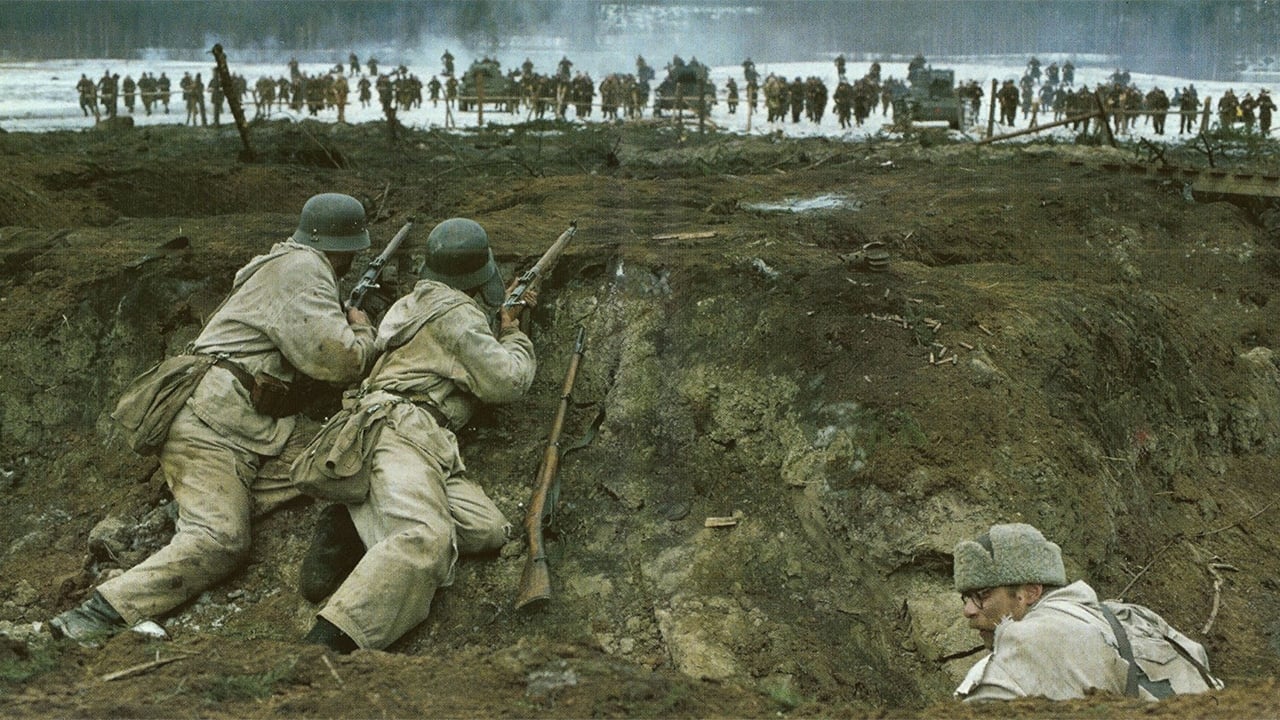
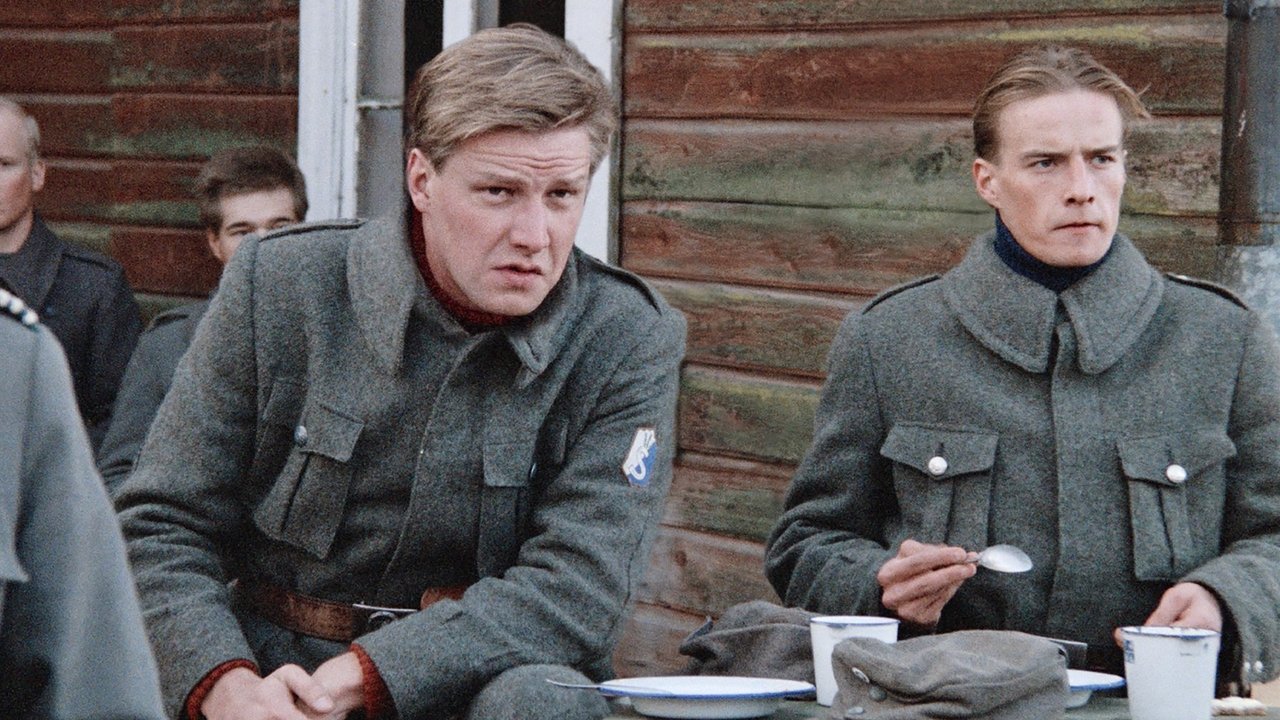
Based on the acclaimed novel by Antti Tuuri, The Winter War chronicles the harrowing 105 days of the titular conflict (1939-1940) through the eyes of a platoon of Finnish reservists from Kauhava in Ostrobothnia. These are ordinary men – farmers, labourers – plucked from their lives and thrust onto the Karelian Isthmus to face the overwhelming might of the Soviet Red Army. The film dispenses with grand geopolitical strategy, focusing instead on the visceral, moment-to-moment struggle for survival. We follow Martti Hakala (Taneli Mäkelä, in a performance of quiet, anchoring resilience) and his brother Paavo (Timo Torikka) as they, along with their comrades like the stoic Vilho Erkkilä (Vesa Vierikko), endure conditions that beggar belief.
What immediately strikes you is the film's commitment to authenticity. Parikka, who also co-wrote the screenplay, avoids any romanticism. The Finnish landscape is beautiful but utterly unforgiving, a vast expanse of snow and pine that offers little comfort against enemy fire or the brutal cold. The battle sequences are chaotic, terrifying, and utterly deglamorized. There are no slow-motion heroics here, only the frantic scramble for cover, the deafening roar of explosions, and the sudden, arbitrary nature of death. It captures the grinding attrition of trench warfare in a way few films manage, forcing you to feel the mud, the exhaustion, the gnawing fear. Doesn't this ground-level perspective feel so much more potent than a general's map?
A Nation's Effort, A Human Cost
Understanding the context of The Winter War's production adds another layer of appreciation. This was, at the time, one of the most ambitious and expensive films ever undertaken in Finland. It felt like a national project, a collective effort to tell a defining story of Finnish history and resilience – the "Miracle of the Winter War," where a small nation held back a superpower against impossible odds. This commitment is visible on screen. Reportedly, the production received significant cooperation from the Finnish Defence Forces, lending period-accurate equipment and even personnel as extras, which contributes immensely to the film's staggering realism. Imagine coordinating those large-scale battle scenes, not with CGI, but with practical effects, pyrotechnics, and hundreds of people in the freezing cold – a logistical feat mirroring the very conflict it depicts.
The performances are uniformly excellent, characterized by understatement and a profound sense of shared experience. Mäkelä, Vierikko, and Torikka lead a superb ensemble cast who embody the quiet courage, gallows humor, and simmering despair of men pushed beyond their limits. There are no cartoonish villains or flawless heroes, just human beings caught in the meat grinder. You see the bonds forged in shared terror, the private griefs endured in silence, the flicker of hope almost extinguished by relentless shelling. It’s in the small moments – a shared cigarette, a letter from home read aloud, a look exchanged in the trenches – that the film finds its deepest emotional power. Does the strength of these performances lie precisely in their refusal to overplay the drama, letting the situation speak its devastating truth?
Beyond the Battlefield
While primarily a war film, The Winter War also subtly explores themes of national identity, sacrifice, and the psychological toll of combat. The reservists fight not for glory, but for their homes, their families, their very existence. The film acknowledges the immense cost of their bravery, the scars left on those who survived, and the quiet tragedy of those who didn't. It doesn't shy away from the grim realities – frostbite, shell shock, the constant presence of death – but it portrays them with respect rather than exploitation.
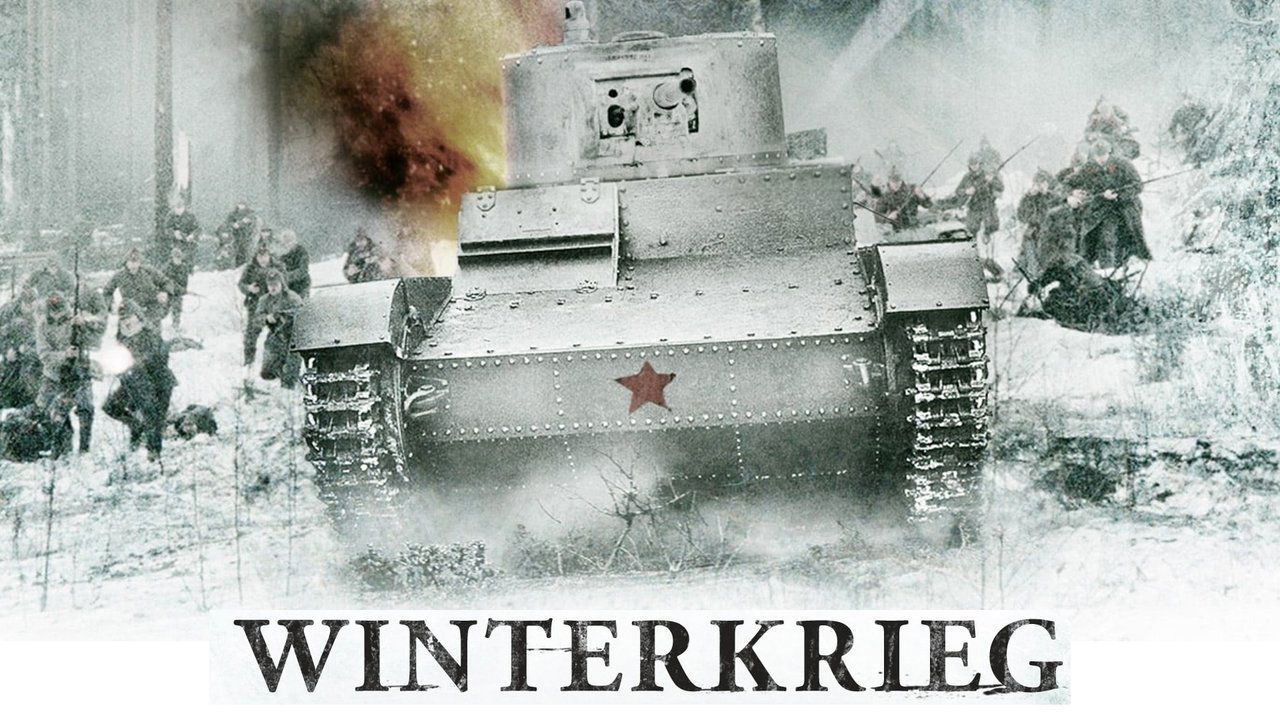
It's worth noting for the dedicated VHS hunters that there's also a significantly longer television miniseries version (running close to five hours compared to the film's roughly three). While the theatrical cut available on tape back in the day is powerful and arguably tighter, the series delves even deeper into the characters' lives and the broader scope of the conflict. Finding that version felt like uncovering yet another layer of this incredible story.
Rating and Reflection
The Winter War isn't an easy watch. It's bleak, intense, and emotionally draining. But it’s also an incredibly powerful and important piece of filmmaking. Its unflinching realism, compelling performances, and dedication to historical accuracy make it stand out, not just among 80s war films, but in the genre as a whole. It avoids the jingoism common in many Western war movies of the era, offering instead a deeply human and sobering look at the cost of conflict. For its masterful direction, stunning authenticity, and unforgettable portrayal of ordinary men in extraordinary circumstances, it earns a solid rating.
Rating: 9/10
This is a film that stays with you long after the VCR whirs to a stop. It’s a chilling reminder of the brutality of war, but also a profound testament to the endurance of the human spirit against overwhelming odds. What lingers most, perhaps, is that biting cold – not just of the Finnish winter, but of the stark realities the film forces us to confront.