What happens when a self-proclaimed master of seduction meets someone immune to his charms? It's a premise ripe for romantic comedy, but in James Toback's 1987 film The Pick-up Artist, there's a slightly off-kilter energy, a current of something more complex running beneath the surface sheen of late-80s cool. This isn't just about the chase; it's about the masks people wear and the vulnerabilities they try so desperately to hide. Watching it again now, on a format far removed from the slightly worn VHS tape I first encountered it on, the film feels like a fascinating time capsule, capturing two burgeoning stars navigating a script that seems unsure if it wants to be a breezy romance or something darker.
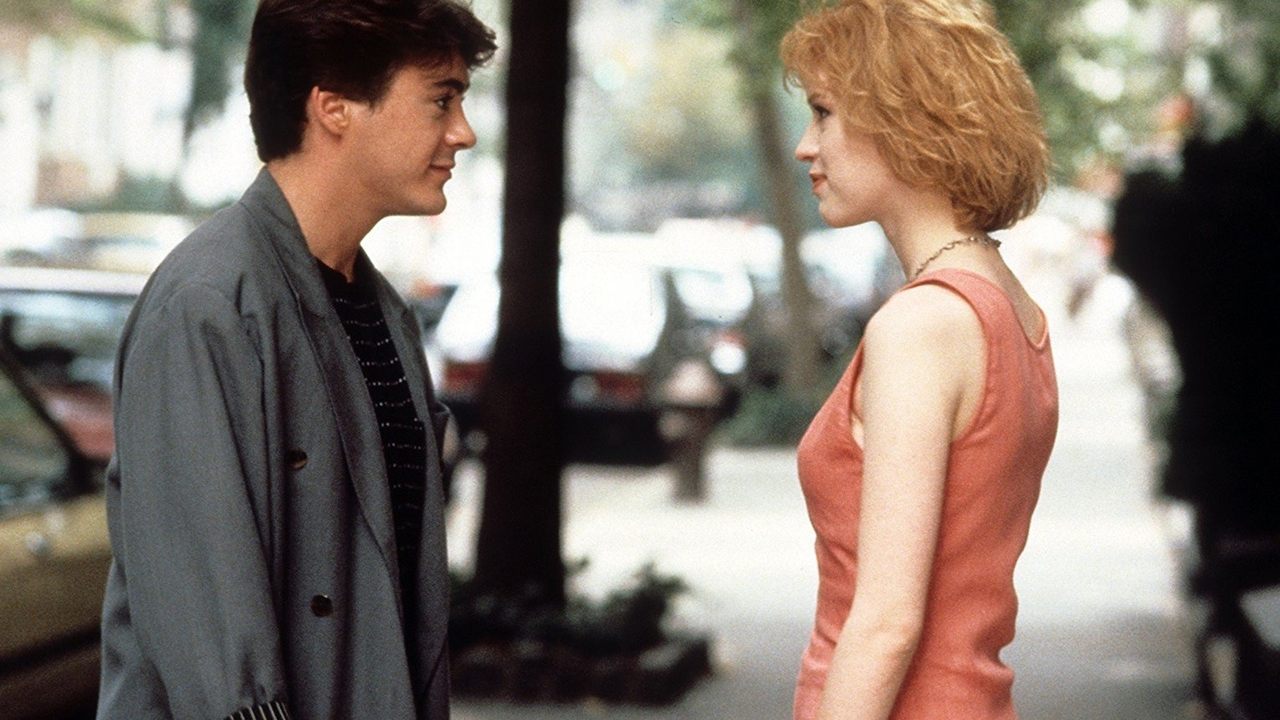
The Jericho Charm Offensive
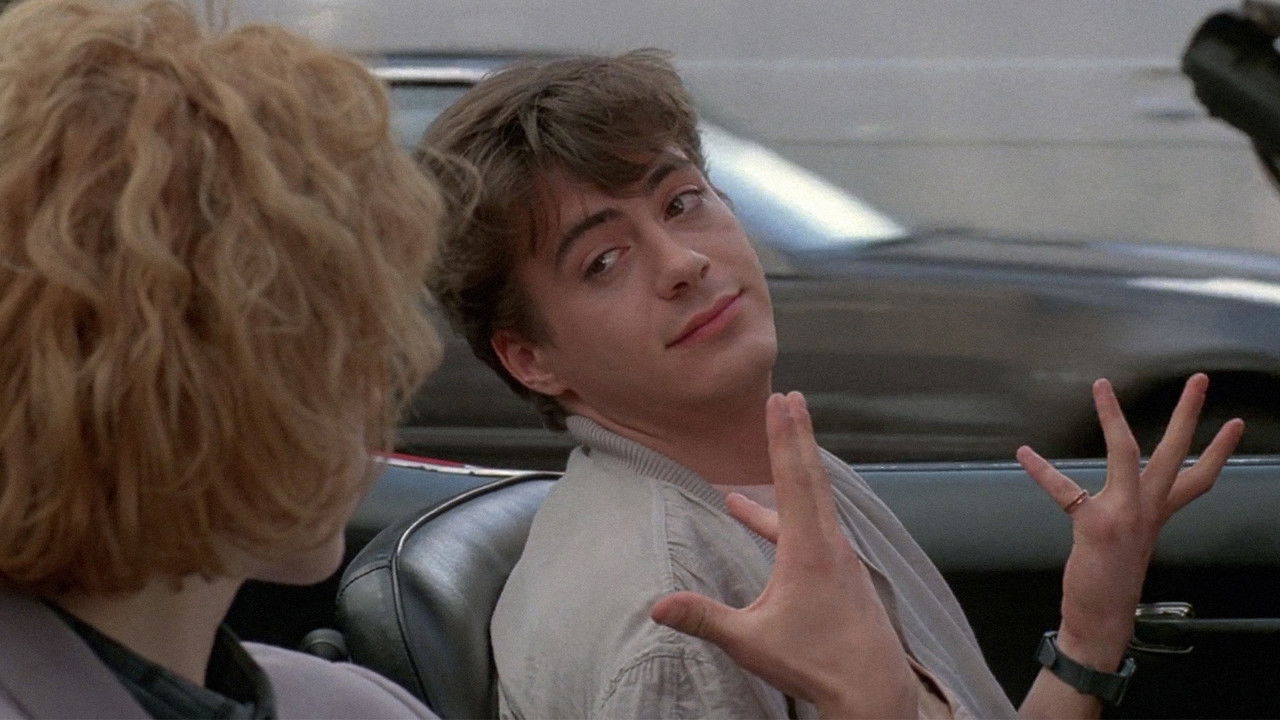
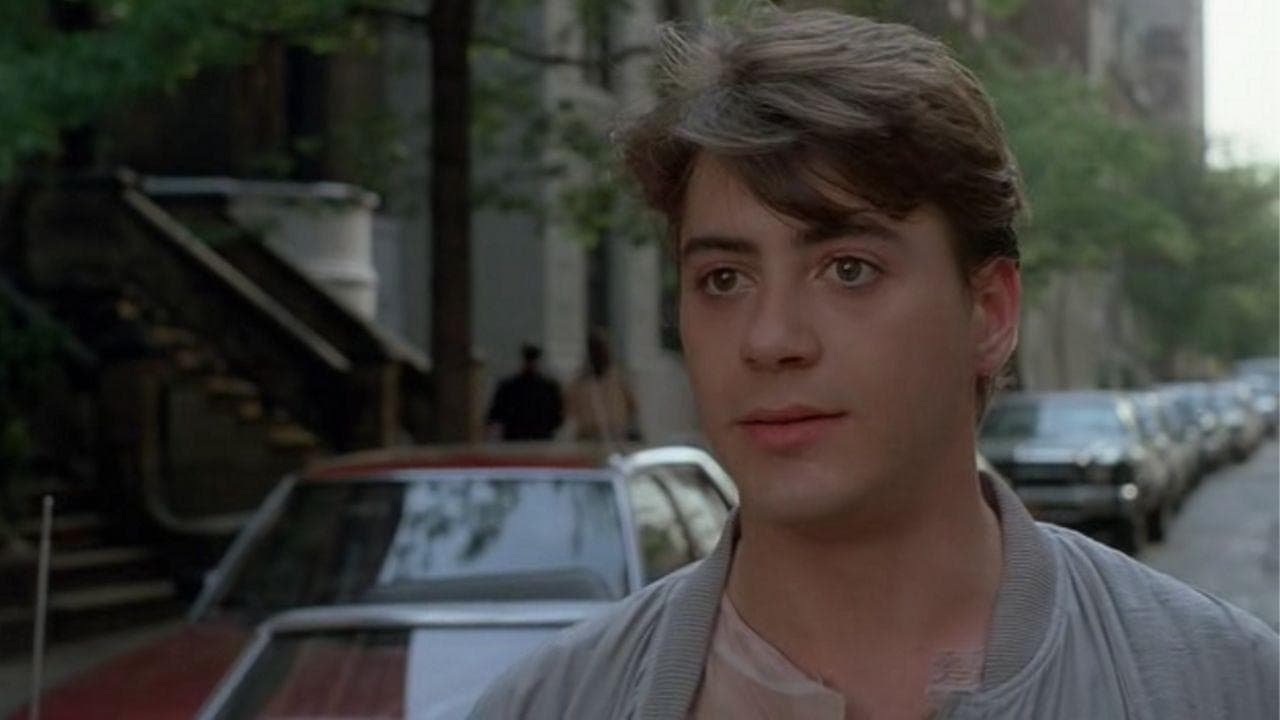
At the heart of the film is Jack Jericho, played by a young, impossibly energetic Robert Downey Jr. Jack isn't just a guy who likes women; he's a man obsessed with the art of the pick-up, treating every encounter as a performance piece, a test of his meticulously rehearsed lines and undeniable charisma. He bounces through the streets and museums of New York City, a whirlwind of snappy patter and practiced confidence. Downey Jr. absolutely crackles here. You see the raw talent, the lightning-fast delivery, the physical expressiveness that would define his career. He makes Jack magnetic, even when his methods border on the irritatingly persistent. You can't help but be drawn in by his sheer force of personality, even as you question the hollowness behind the act. It's a performance that feels both perfectly of its time and predictive of the star power to come. Does his relentless pursuit feel charming or creepy through a modern lens? That's a question the film itself seems to wrestle with.
Beyond the Teen Queen
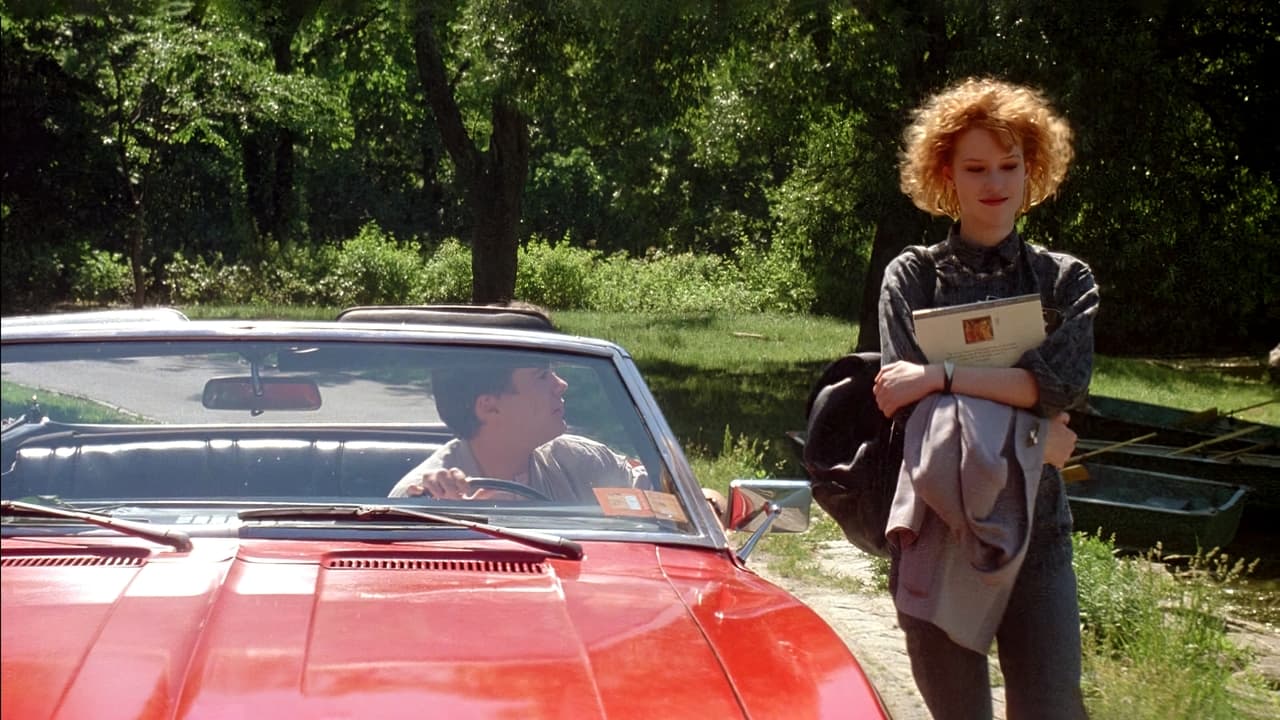
Enter Randy Jensen, played by Molly Ringwald. Fresh off her reign as the relatable heart of John Hughes' high school universe (Sixteen Candles (1984), The Breakfast Club (1985)), Ringwald steps into a different kind of role. Randy is guarded, witty, and seemingly unimpressed by Jack's elaborate routines. She works as a tour guide, carries secrets, and operates with a weariness that belies her age. Ringwald brings a quiet intelligence and melancholy to Randy. She’s not just an obstacle for Jack to overcome; she’s a person with her own complicated life, most notably involving her gambling-addicted father, Flash Jensen, played with a desperate intensity by the legendary Dennis Hopper. The scenes between Ringwald and Hopper carry a genuine weight, hinting at a much heavier story lurking just outside the frame of the romantic plot. It's this subplot, involving Flash's debt to the mob (personified by a chillingly brief cameo from Harvey Keitel), that pulls the film in a different direction, adding stakes that feel somewhat grafted onto the central romance.
Toback's Tangents and Tones
This tonal imbalance feels characteristic of writer-director James Toback. Known for more intense, character-driven studies like Fingers (1978) and later Two Girls and a Guy (1997) (also starring Downey Jr.), The Pick-up Artist feels like an attempt to channel his fascination with obsessive characters into a more commercially palatable format. Reportedly, Warren Beatty, acting as an uncredited producer and mentor to Toback, heavily influenced the script, perhaps nudging it towards a lighter, more conventional romantic arc than Toback might have initially envisioned. You can almost feel this tension in the final product – the snappy, almost screwball dialogue bumping against moments of genuine darkness and despair, particularly concerning Hopper's character. The plot meanders, sometimes feeling less like a structured narrative and more like a series of vignettes showcasing Downey Jr.'s charisma and exploring the gritty corners of NYC.
A Snapshot of '87 New York
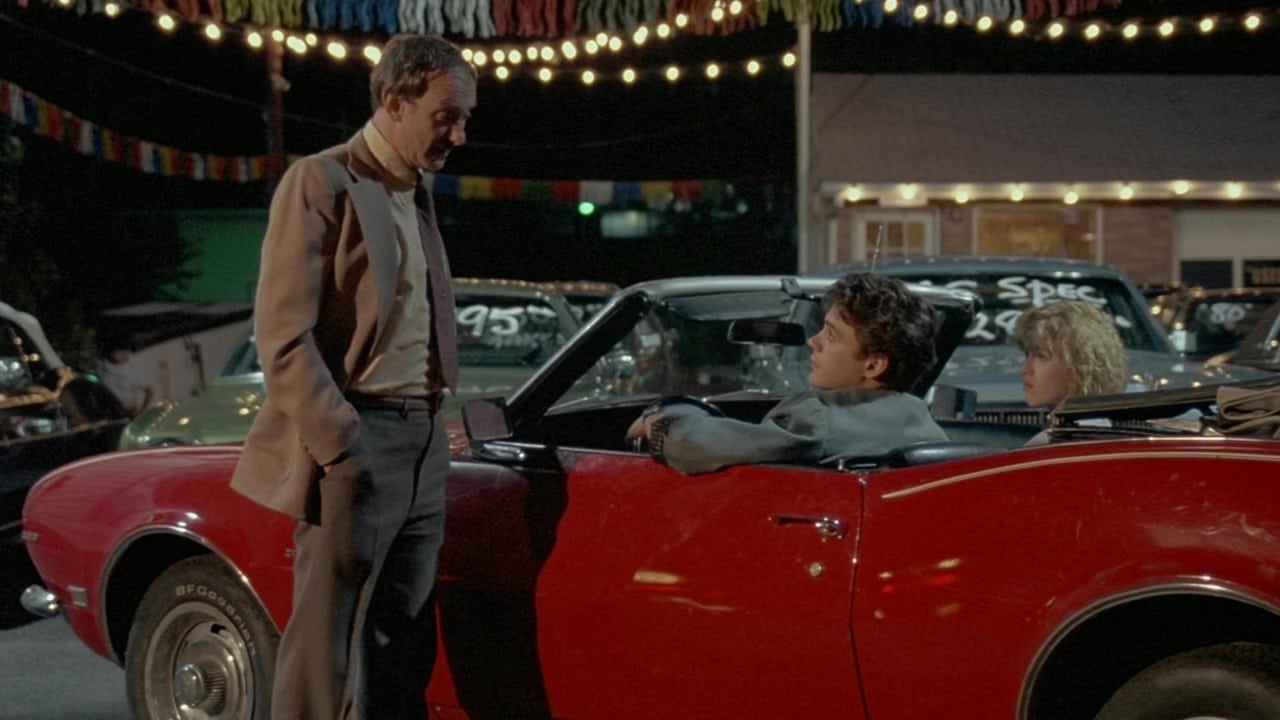
Beyond the central performances, the film functions wonderfully as a snapshot of its era. The fashion is distinctly late-80s, the soundtrack pulses with synth-pop, and the New York City locations feel authentic – bustling streets, grand museums, slightly seedy bars. There’s a texture to it, a sense of place that grounds the sometimes-uneven story. It captures a specific moment in time, before the city underwent further waves of gentrification, retaining a certain edge that complements the narrative's underlying anxieties. Watching Jack navigate these streets, tape recorder in hand to critique his own pick-up techniques, feels almost quaint now, a relic of a pre-internet dating world.
Charm, Flaws, and Lingering Questions
The Pick-up Artist isn't a perfect film. Its narrative focus wanders, and the blend of romantic comedy with gritty drama doesn't always mesh seamlessly. The central 'game' Jack plays feels dated, raising questions about consent and persistence that resonate differently today. Yet, it's undeniably compelling viewing, largely thanks to the incandescent performance of Robert Downey Jr. He practically vibrates off the screen, offering a tantalizing glimpse of the superstar he would become. Molly Ringwald provides a crucial, grounded counterpoint, and Dennis Hopper adds a shot of volatile desperation.
It didn’t exactly set the box office alight back in '87 (grossing around $16 million against an $11.6 million budget), perhaps reflecting its inability to fully commit to either effervescent romance or Toback's darker inclinations. But seen through the nostalgic lens of VHS Heaven, it’s more than just a footnote in its stars' filmographies. It’s a fascinating curio, a stylish if slightly muddled exploration of connection and artifice, powered by youthful energy and set against the vibrant backdrop of a bygone New York.
Rating: 6/10
This score reflects the film's undeniable charm, primarily fueled by Downey Jr.'s captivating early performance and its value as an atmospheric time capsule. However, its uneven tone, meandering plot, and dated central premise keep it from reaching classic status. It’s flawed, certainly, but possesses a strange magnetism that makes it worth revisiting.
What lingers most isn't the pick-up lines, but the sense of two young people fumbling towards something real, hidden beneath layers of carefully constructed personas. It makes you wonder: how much of the 'game' was just armor against loneliness?