The faint glow of the television, the whirring mechanics of the VCR spinning another tale… some nights, the stories that unfolded felt less like entertainment and more like grim inevitabilities playing out in shadows and gunfire. 1989’s Next of Kin is precisely that kind of film – a gritty, rain-slicked revenge saga where family ties pull tighter than a noose, dragging worlds together that were never meant to collide. It starts with a shock of violence, sudden and brutal, echoing long after the initial blast fades, setting a tone that rarely lets up.
Mountain Justice Meets Mean Streets
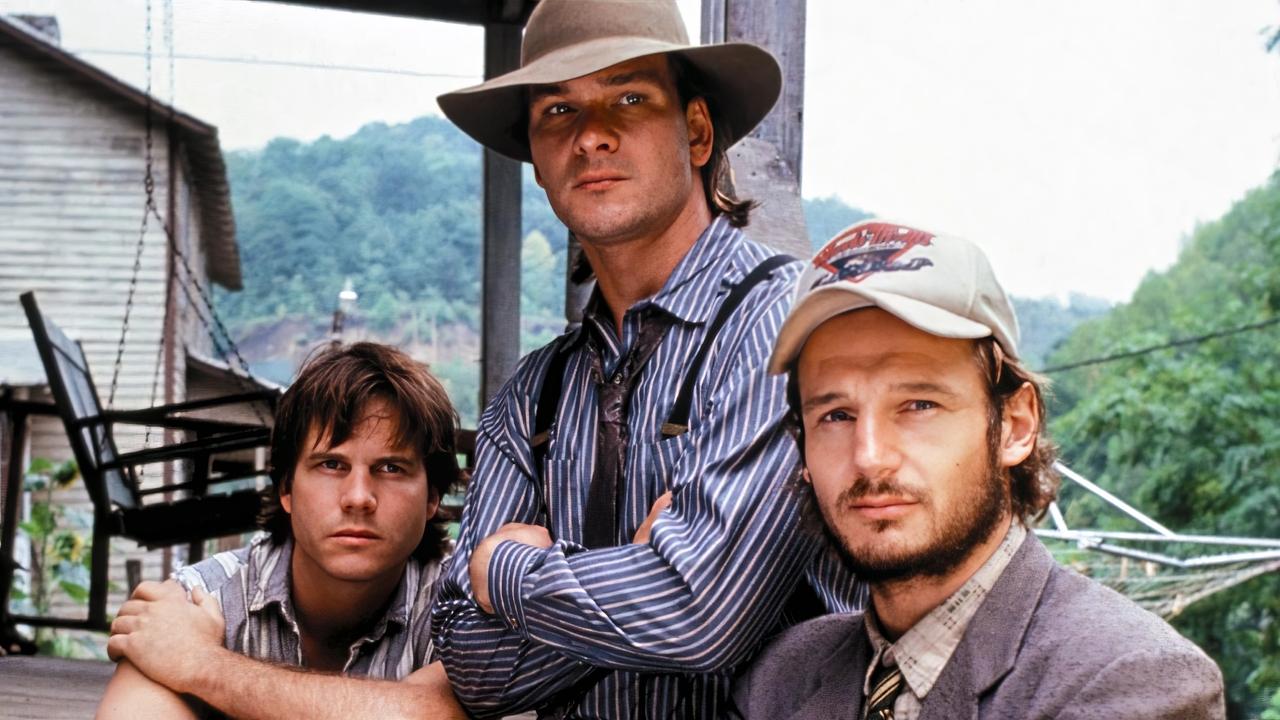
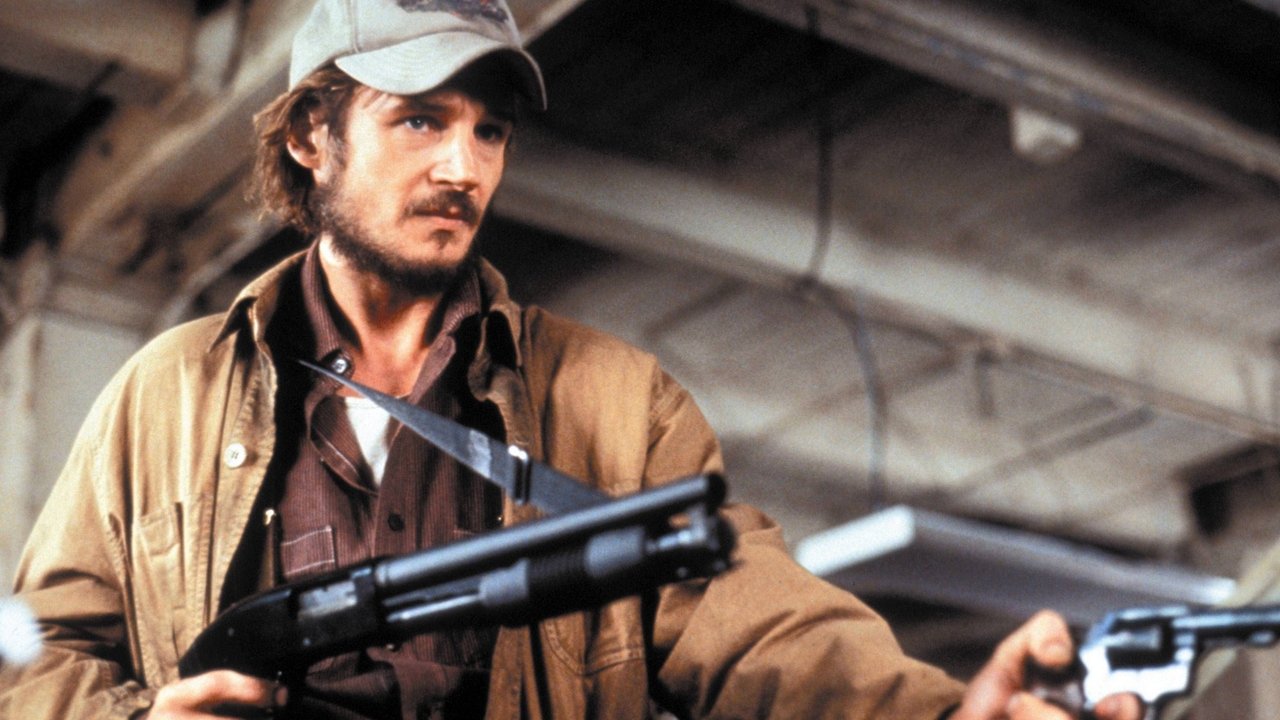
The premise itself hums with a low-frequency dread. Patrick Swayze, riding high on a wave of stardom from Dirty Dancing and Road House, stars as Truman Gates, a Chicago cop who traded his Appalachian roots for a badge and city life. He walks a tightrope between two worlds, a peacekeeper trying to reconcile the law of the land with the unspoken codes of his upbringing. But when his younger brother Gerald (a brief but effective appearance by the always welcome Bill Paxton) is ruthlessly executed by the Outfit, that tightrope snaps. The news travels back to the Kentucky hills, summoning Truman’s elder brother, Briar, played with a simmering, coiled intensity by a pre-superstardom Liam Neeson. Briar isn’t interested in Miranda rights or due process; he arrives in Chicago carrying the weight of generations of mountain justice, a force of nature ready to unleash hell on those responsible.
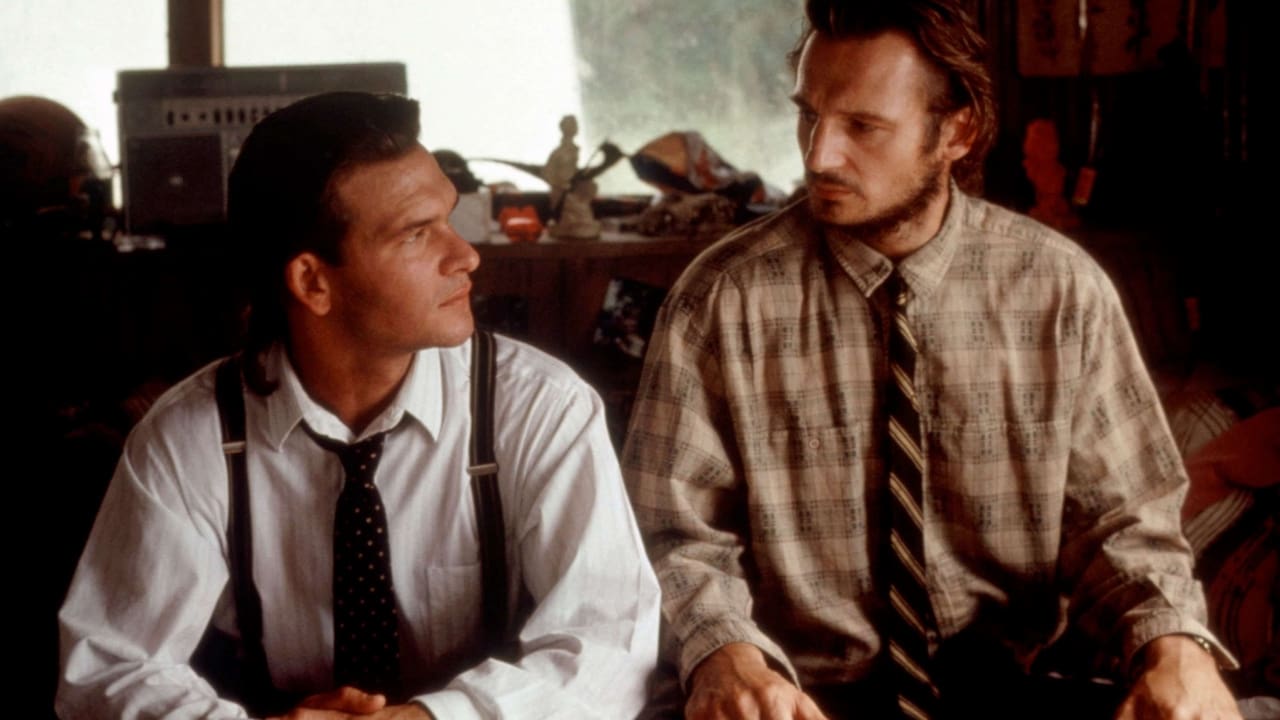
This clash is the dark heart of Next of Kin. Swayze brings his signature earnestness, portraying Truman’s anguish and internal conflict convincingly. He’s a man caught – loving his brother but fearing the bloody path Briar represents, needing justice but bound by the rules he swore to uphold. It’s a solid performance, grounding the film’s more operatic revenge elements. But it’s Neeson, as Briar, who truly commands the screen with a brooding presence. Sporting a sometimes-wandering accent but an unwavering conviction, he embodies the film's central tension: the raw, ancient call of blood demanding vengeance against the "civilized" structures of the modern world. Watching Neeson here, years before Schindler's List or his later action hero run beginning with Taken, is fascinating; you see the embers of that fierce screen authority already burning bright. Doesn't that stark contrast between the brothers, one upholding the law, the other embodying ancient retribution, still feel potent?
A City Drenched in Rain and Retribution
Director John Irvin, who previously helmed gritty fare like Hamburger Hill and the Schwarzenegger vehicle Raw Deal, brings a workmanlike efficiency to the proceedings. The Chicago depicted here isn't glamorous; it's a place of damp alleyways, shadowy docks, and cold institutional buildings, visually reinforcing the grim narrative. The film effectively contrasts this urban decay with fleeting glimpses of the misty, imposing Kentucky landscape, highlighting the cultural chasm Truman straddles. Irvin knows how to stage action, particularly the film's climactic cemetery shootout, which feels appropriately chaotic and desperate rather than slickly choreographed. The atmosphere is thick with impending violence, aided by a moody score from Jack Nitzsche.
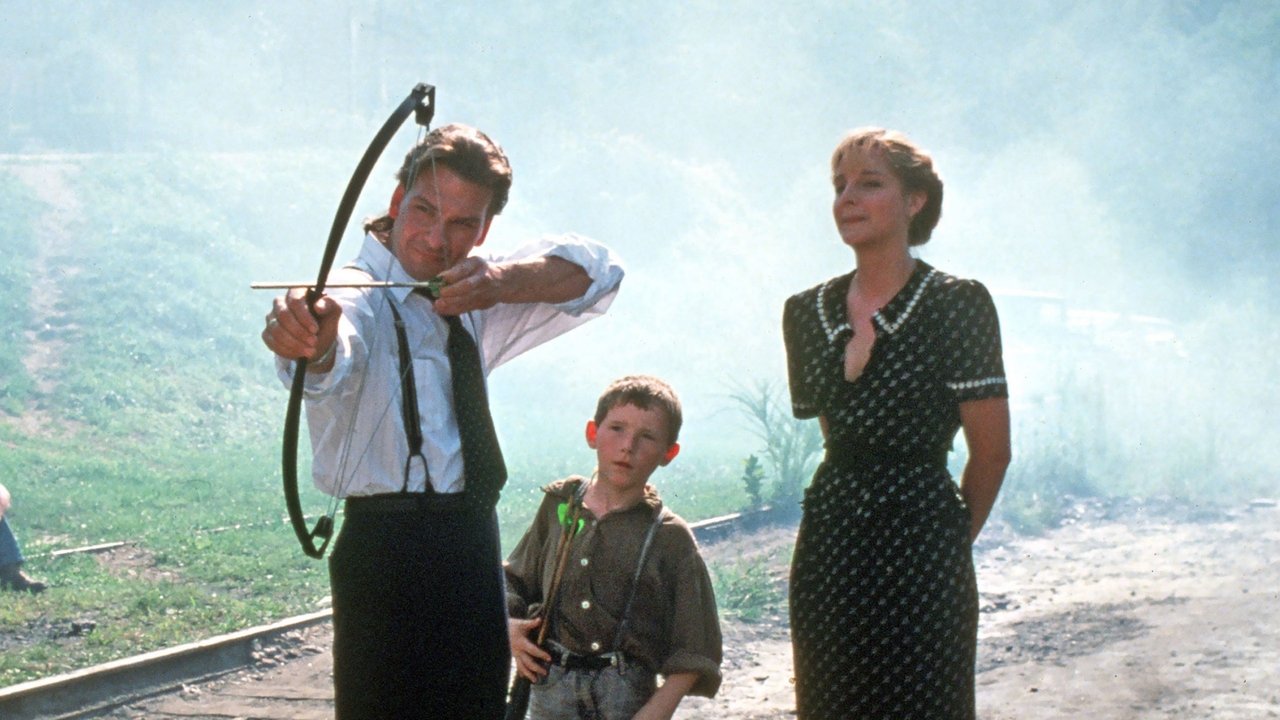
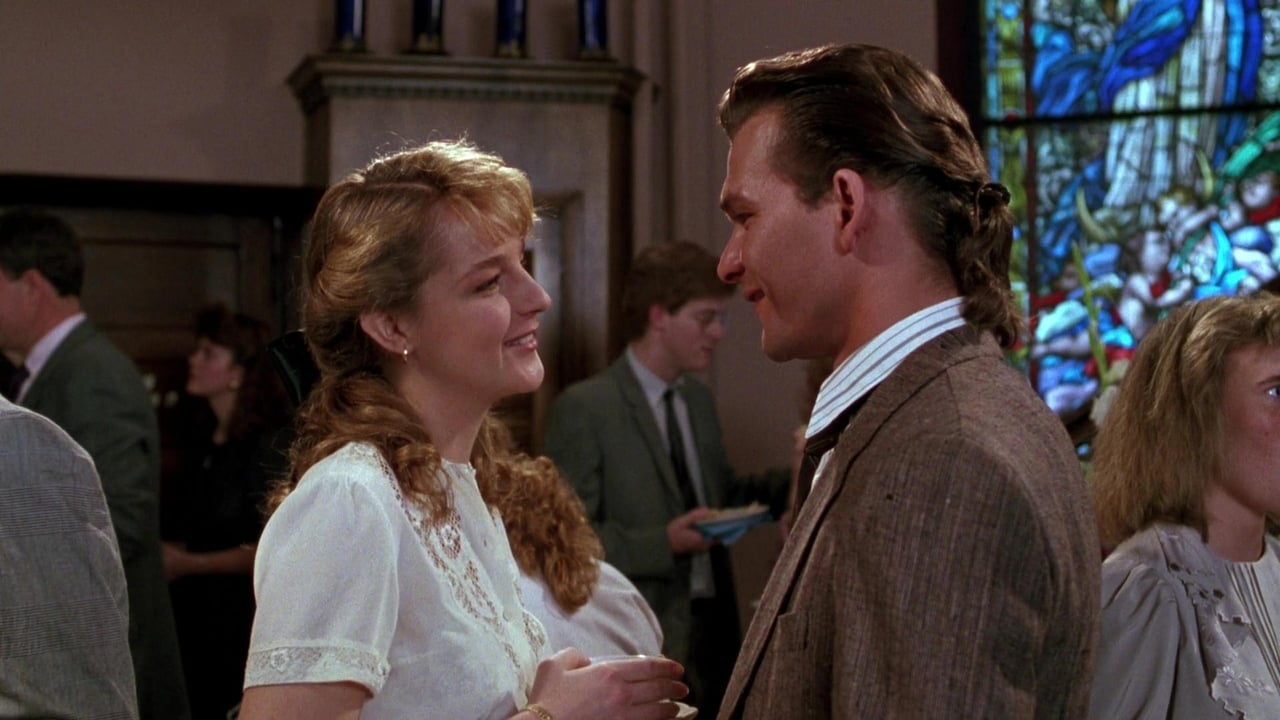
The antagonist fuelling this firestorm is Joey Rosselini, played with sneering menace by Adam Baldwin. Baldwin, already a familiar face from Full Metal Jacket and My Bodyguard, excels as the kind of casually cruel mobster who sees murder as just another business transaction. He’s not a complex villain, but he serves his purpose effectively, embodying the ruthless entity that shattered the Gates family. Supporting players like Helen Hunt as Truman’s concerned wife add texture, representing the normalcy threatened by the encroaching cycle of violence.
Forged in the VHS Fires
Next of Kin wasn't a critical darling upon release, often dismissed as a somewhat formulaic revenge thriller. It landed solidly in the middle ground commercially, pulling in around $45.7 million against its $12 million budget – a respectable return, especially for an R-rated thriller, but not the blockbuster status of some of Swayze's other hits. Yet, like so many films of its era, it found a robust second life on VHS. This was prime rental store fodder: a recognisable star, a compelling high-concept premise (hillbilly vs. mob!), and the promise of gritty action.
Part of its enduring appeal, I think, lies in its straightforward nature. It delivers what it promises: a tense, violent story about family loyalty and revenge, driven by strong central performances. There’s a tactile reality to the film’s world, a groundedness often missing in today's glossier action fare. You feel the chill of the Chicago wind, the grim determination in Briar’s eyes. Digging into its creation reveals the usual fascinating near-misses and practicalities of the era; finding locations that could convincingly double for both the urban sprawl and the Appalachian hollers presented its own set of challenges, crucial for selling the film's core conflict. The stunt work, particularly in the final act, feels visceral and impactful precisely because it relies on practical execution over digital trickery – remember how intense those cemetery shootouts felt back then, without the buffer of CGI?
The Verdict
Next of Kin isn't a revolutionary film. Its plot follows familiar beats of the revenge genre, and some characterizations lean into archetypes. Yet, it possesses a moody intensity and features compelling turns from its leads, particularly the fascinating juxtaposition of Swayze's conflicted cop and Neeson's harbinger of rough justice. It captures a specific late-80s action-thriller vibe – serious-minded, violent, and focused on character conflict amidst the shootouts. It’s a film that understands the darkness inherent in its premise and doesn't shy away from the grim consequences of vengeance. For fans of the era, it remains a satisfyingly bleak watch.
Rating: 7/10 - The score reflects a solidly crafted, atmospheric thriller elevated by its strong lead performances and compelling central conflict. While somewhat predictable in its narrative trajectory, its gritty tone, effective action, and the intriguing pairing of Swayze and Neeson make it a standout VHS-era gem that delivers on its dark premise, justifying its place in the collections of retro action fans.
It remains a potent reminder of a time when mainstream action films weren't afraid to explore the heavier, darker side of justice and family loyalty, leaving you with a chill that lingers like the damp Chicago air.