There's a peculiar dread that settles in familiar places after the lights dim and the doors lock. Think of your local grocery store – the bright aisles, the muzak, the mundane routine. Now imagine it after midnight, deserted, echoing, the friendly facade stripped away to reveal something cold and labyrinthine. That's the unsettling stage set by Scott Spiegel's 1989 slasher, Intruder (originally filmed as The Night Crew), a film that turns the checkout lane into a slaughterhouse.

Last Shift at Walnut Lake
The premise is pure slasher gold: the night crew of the Walnut Lake Market learns they're losing their jobs as the store is being sold. Tensions flare, old grudges surface, and a jilted, menacing ex-boyfriend (played with unnerving intensity by David Byrnes) shows up to harass final girl Jennifer (Elizabeth Cox). He storms off, seemingly the prime suspect when, wouldn't you know it, the staff starts getting picked off one by one in increasingly gruesome ways. But is the angry ex really the one wielding the meat hook, or is the killer lurking closer than anyone suspects? It’s a familiar setup, but the supermarket setting feels surprisingly fresh, turning everyday objects – box cutters, garbage disposals, meat grinders – into instruments of creative carnage. Remember how claustrophobic those aisles could feel even during the day? Now picture them trapping you.
Spiegelvision and Raimi Connections

Director Scott Spiegel, a key figure in the Sam Raimi creative circle (having co-written Evil Dead II (1987) and often appearing in cameos), brings a distinct visual flair to the proceedings. Intruder is packed with his signature unconventional shots – low angles from shopping carts, point-of-view perspectives through keyholes, reflections in phone receivers, even a shot seemingly from inside a ringing telephone bell. It’s playful, sometimes bordering on goofy, but it keeps the visuals dynamic and often enhances the disorientation and suspense. You can feel the Evil Dead energy bubbling just beneath the surface, a blend of shock and dark, almost slapstick, invention. Interestingly, the film was co-written and produced by Lawrence Bender, who was working as a grip at the time – just a few years before he'd help redefine indie cinema by producing Quentin Tarantino's Reservoir Dogs (1992). Talk about humble beginnings paying off.
Where the Real Meat Is: The Gore
Let's be honest, if you sought out Intruder back in the day, probably on a slightly worn rental tape, you weren't just there for the acting or the plot. You were there for the splatter. And oh boy, does Intruder deliver on that front. This film is legendary among gorehounds for its incredibly graphic and imaginative practical effects, masterminded by the then-fledgling KNB Efx Group (Greg Nicotero, Robert Kurtzman, and Howard Berger, who would go on to become giants in the industry).
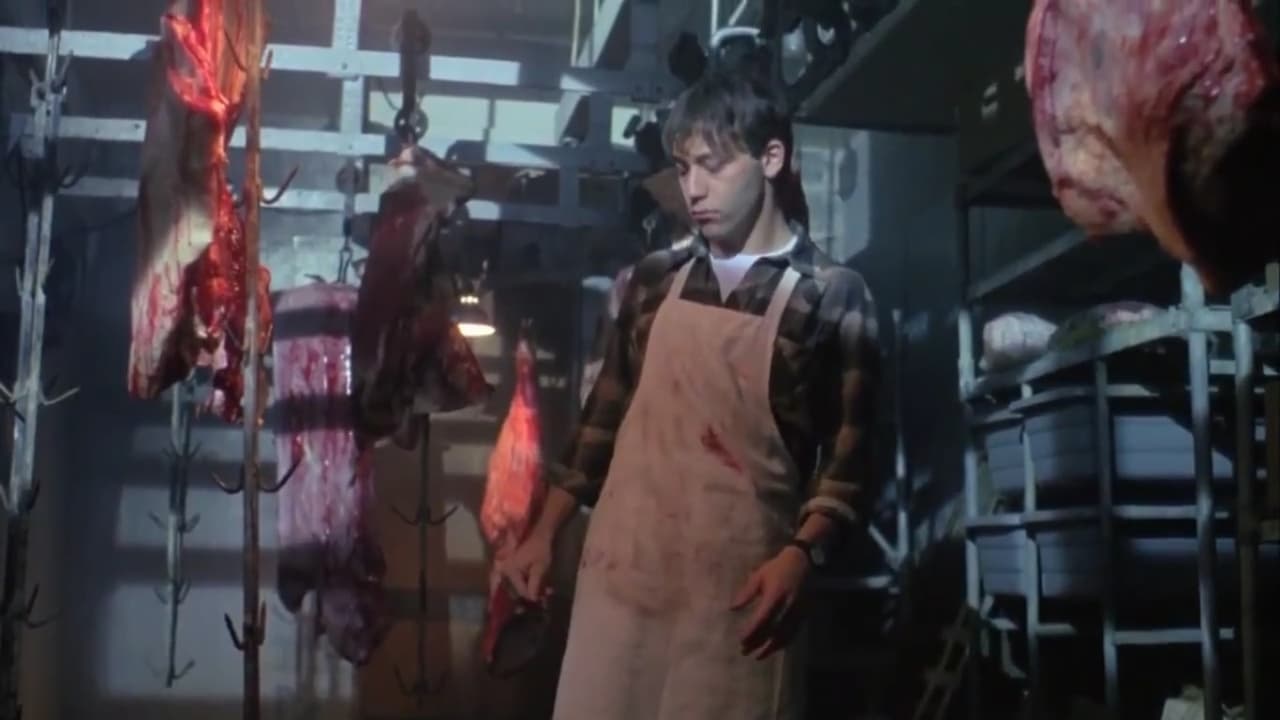
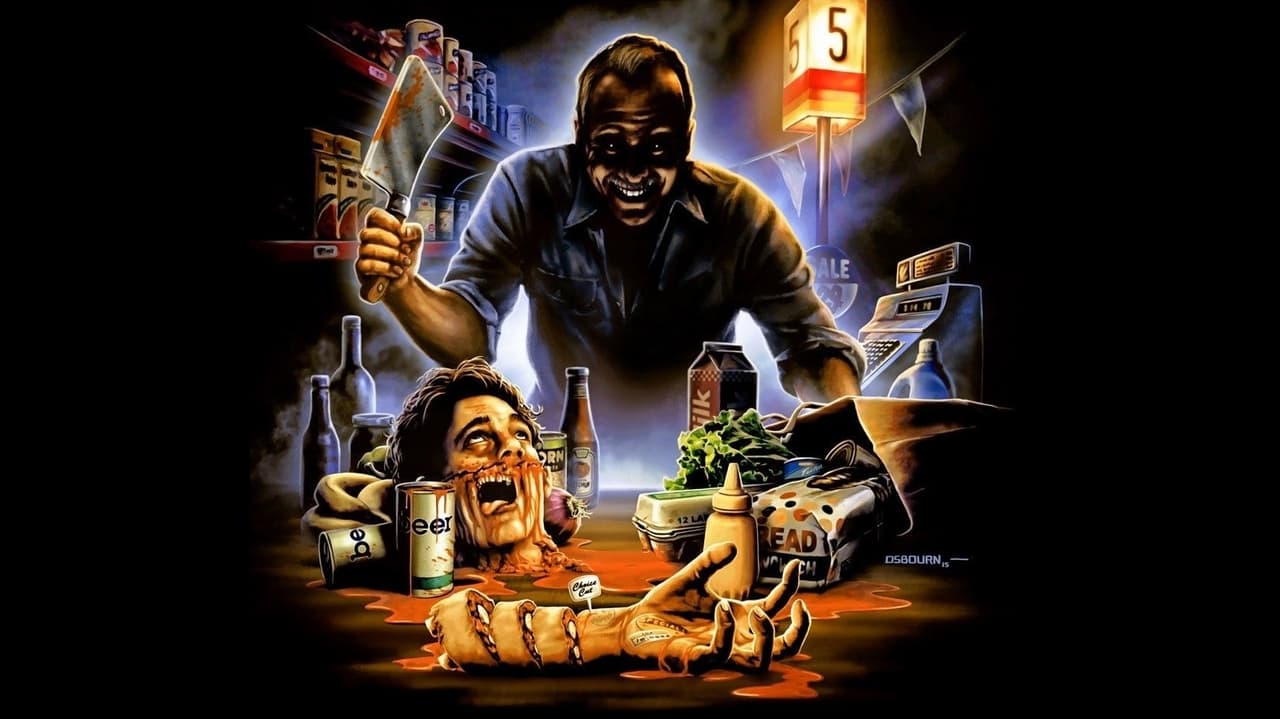
Forget quick cuts and implied violence; Spiegel lingers on the carnage. We get a head crushed in a cardboard bailer, a sickening encounter with a bandsaw, a spike through the skull, and other grisly demises that push the boundaries of late-80s practical effects. This dedication to the graphic reportedly led to significant cuts by the MPAA for the initial R-rated release. Thankfully, the unrated version, which became the stuff of legend on VHS and later DVD/Blu-ray, restores the full, gloriously messy vision. Seeing that uncut version for the first time felt like uncovering forbidden treasure, didn't it? The sheer audacity of the effects still holds up in a way CGI rarely achieves.
Stocking the Shelves with Familiar Faces
Part of the fun for fans of the Michigan Mafia (the Raimi/ Campbell crew) is spotting the cameos. Sam Raimi himself appears as Randy the butcher, Ted Raimi pops up as a stock boy in a comically ill-fated scene involving produce, and the chin himself, Bruce Campbell, has a blink-and-you'll-miss-it cameo as Officer Howard at the very end. Beyond the cameos, Danny Hicks (Jake from Evil Dead II) has a more substantial role as Bill, the store manager, bringing his unique brand of weathered charisma. Renée Estevez, sister to Emilio and Charlie Sheen, also adds a recognizable face as Linda. While the performances are generally what you'd expect from a low-budget late-80s slasher (serviceable, sometimes a bit stiff), the cast commits to the chaos.
From Aisles to Atmosphere
Despite the gore and occasional visual flourishes bordering on comedy, Spiegel does manage to wring genuine tension from the setting. The echoing silence of the empty supermarket, broken only by the hum of refrigerators or the squeak of a rogue shopping cart wheel, creates a genuinely creepy atmosphere. Spiegel apparently drew inspiration from his own time working the night shift at a real grocery store, and that authenticity grounds the horror. The final chase through the darkened store, with Jennifer desperately trying to evade the killer among the stocked shelves and hanging promotional signs, is effectively staged and suspenseful. Doesn't that final reveal, when the killer's identity clicks into place, still land with a decent thud?
Checkout Time
Intruder isn't high art, nor does it pretend to be. It's a down-and-dirty, mean-spirited slasher with a unique location and a commitment to practical gore that was becoming increasingly rare even by the late 80s. Its pacing can lag slightly in the first act before the carnage truly kicks off, and some dialogue might induce a chuckle for the wrong reasons. However, its inventive direction, standout effects work, and connection to the beloved Evil Dead filmmakers give it a special place on the cult horror shelf. It’s a film made by horror fans, for horror fans, reveling in the grue and showcasing surprising visual ingenuity on a shoestring budget (reportedly around $130,000).

Rating: 7.5/10
This score reflects Intruder's status as a top-tier gore film from the golden age of slashers. The practical effects are easily a 10/10 for creativity and execution within their era. The unique setting, Spiegel's quirky direction, and the fun cameos boost its score significantly. Points are slightly deducted for some uneven pacing early on and acting that’s enthusiastic but not always polished. Still, for fans of the genre and practical effects showcases, it's a must-see.
Intruder remains a testament to the nasty, inventive fun of late-80s horror – a blood-soaked love letter to the genre, best enjoyed after hours. It’s the kind of film that made browsing the horror aisle at the video store such a thrilling lucky dip.