The static hiss off the tracking adjustment, the whir of the tape... sometimes, the flickering images conjured aren't just monsters, but baffling cinematic apparitions. And few apparitions from the mid-90s VHS shelf are quite as baffling, quite as weirdly compelling, as the film initially known as The Return of the Texas Chainsaw Massacre. Forget the suffocating, sun-bleached dread of 1974. This isn't your father's Chainsaw. This is something... else.
Prom Night Apocalypse
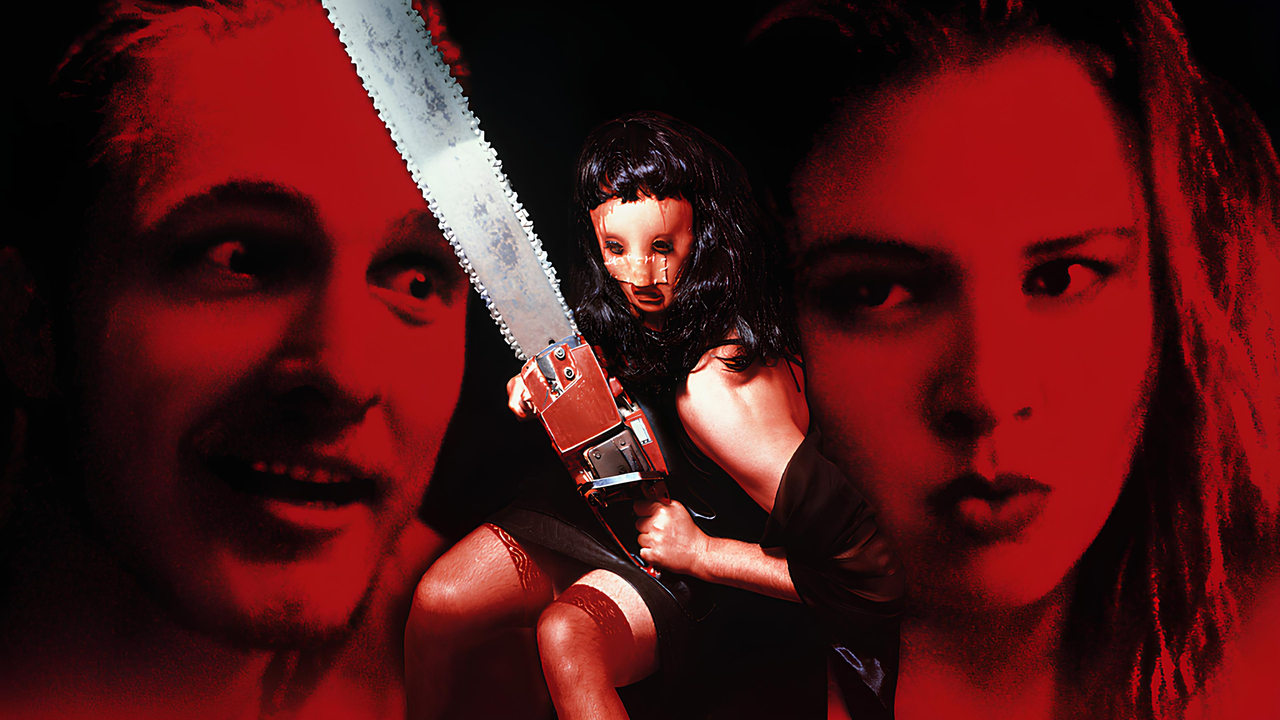
The setup feels familiar enough on paper: a group of teens heading home from prom night takes a wrong turn in the deep Texas woods. Heather (Lisa Marie Newmyer), Barry (Tyler Cone), Jenny (Renée Zellweger), and Sean (John Harrison) stumble into the clutches of the cannibalistic Sawyer clan. But any sense of gritty realism evaporates almost immediately. Co-writer of the original masterpiece, Kim Henkel, steps into the director's chair here, and the result feels less like a continuation and more like a fever dream interpretation, drenched in a bizarre, almost parodic energy that leaves you wondering exactly what you're watching. Is it horror? Is it black comedy? Is it just... profoundly strange?
Alright, Alright, Alright... What is Happening?
Let's cut to the chase: the main reason this film still flickers in our collective memory is the presence of two future Hollywood megastars in roles that are, frankly, unhinged. A pre-Jerry Maguire Renée Zellweger plays Jenny, our final girl, enduring a night of escalating absurdity with wide-eyed terror that occasionally morphs into baffling resilience. But the real spectacle is Matthew McConaughey as Vilmer Slaughter. Forget the smooth-talking rom-com lead; this is McConaughey dialed up to eleven, playing a tow-truck driving lunatic with a cybernetic, remote-controlled leg brace (a prop McConaughey reportedly brought to the audition himself, impressing Henkel) who howls philosophical non-sequiturs and seems to relish every psychotic moment. His performance is magnetic in its sheer unpredictability, swinging wildly between genuinely menacing and cartoonishly over-the-top. It’s the kind of raw, unrestrained performance you rarely see once an actor hits the A-list. You can almost feel the sticky Texas heat radiating off his manic energy. Remember finding this tape years later, after they were famous, and doing a double-take? That jarring recognition is part of the film's strange charm.
The Illuminati Did It?
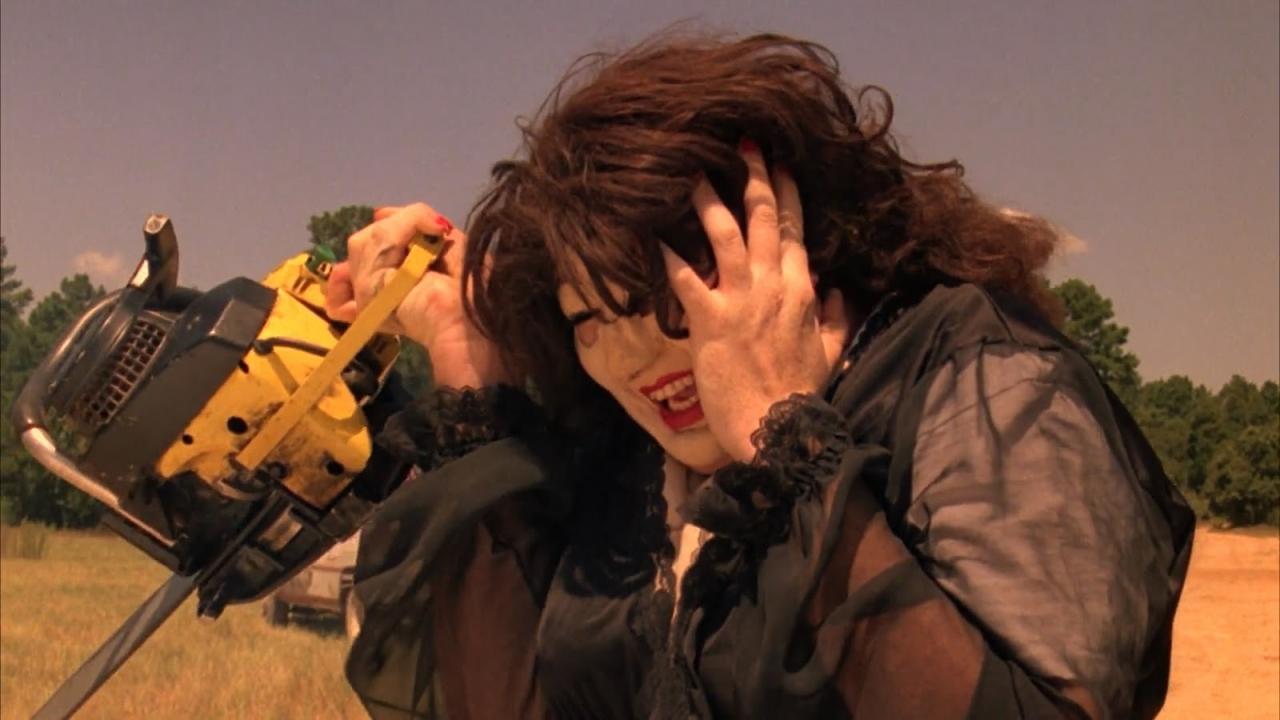
Beyond its future stars, Return makes some truly head-scratching narrative choices. Leatherface, played this time by Robert Jacks, is presented less as a terrifying force of nature and more as a shrieking, cross-dressing cipher who seems almost subservient to his maniacal family. Jacks apparently endured considerable discomfort in the heavy costume and mask during the humid Texas shoot. But the film's most infamous curveball is the introduction of a shadowy Illuminati-esque organization, represented by a mysterious suited man (Joe Stevens), who apparently employs the Sawyers to... provide humanity with transcendent experiences of horror? Or something? It's a plot thread so out of left field it feels less like a twist and more like a narrative car crash. Henkel has suggested he intended the film as a satire on the original and the state of horror, but the execution is so muddled, so tonally inconsistent, it's hard to grasp any clear satirical intent beyond general weirdness.
Shelved, Shamed, and Strangely Enduring
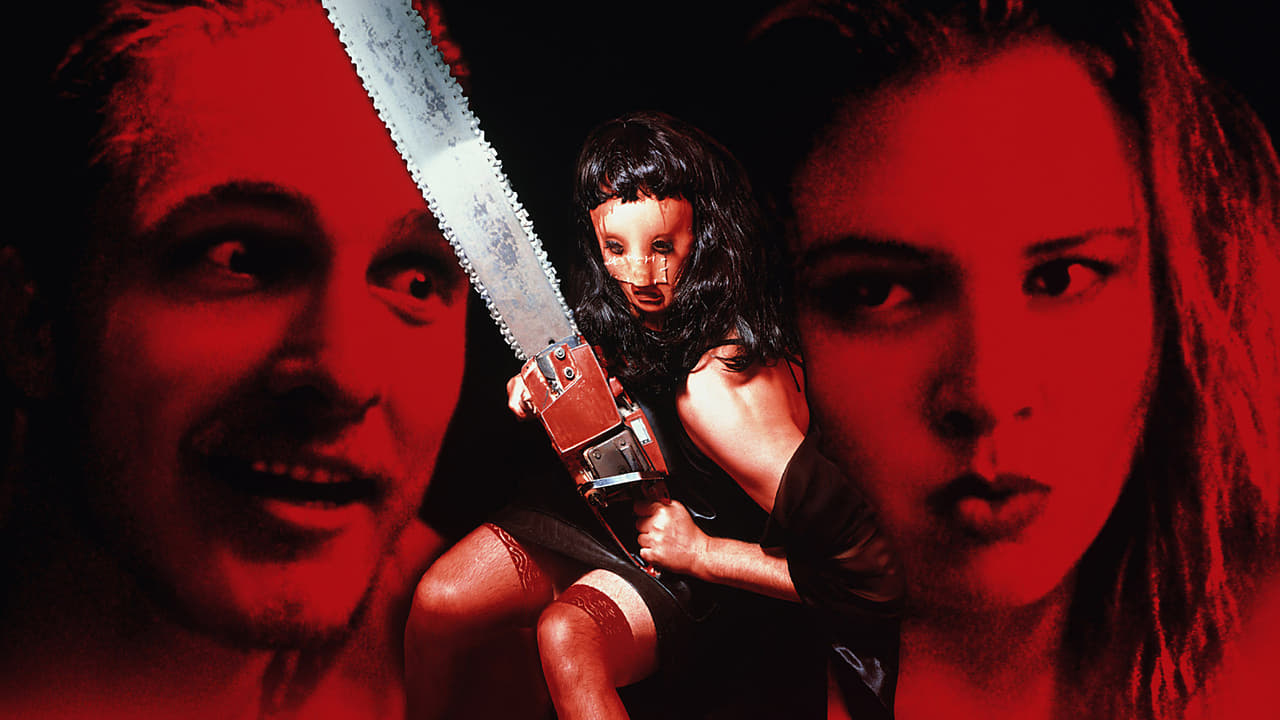
The production itself was reportedly chaotic, plagued by a low budget (estimated around $600,000) and creative clashes. Filmed in 1994, its release was famously delayed. Columbia Pictures initially picked it up, then shelved it. Only after Zellweger and McConaughey hit stardom in 1996 with Jerry Maguire and A Time to Kill, respectively, did the film resurface, often re-titled Texas Chainsaw Massacre: The Next Generation in a clear attempt to capitalize on its newly famous leads. Both actors have understandably distanced themselves from the film over the years, though McConaughey seems to have developed a wry affection for its cult status. Initial reviews were scathing, and its box office barely registered (under $200k). Yet, like a stubborn weed in the garden of horror history, it persists. It's a true VHS oddity, the kind of tape you might have rented purely out of morbid curiosity or because the video store guy gave you that look.
Does it capture the raw terror of Hooper's original? Not even close. The atmosphere isn't thick with dread; it's thick with confusion. The practical effects are minimal, the scares almost non-existent. But is it fascinating? In its own bizarre, train-wreck way, absolutely. It’s a time capsule of future stars giving utterly fearless (and perhaps misguided) performances, trapped in a film that seems gloriously unsure of what it wants to be.
***


VHS Heaven Rating: 3/10
Justification: The rating reflects the film's profound technical and narrative flaws, its tonal incoherence, and its failure as a conventional horror film. However, it avoids a lower score due to its undeniable cult curiosity factor, driven almost entirely by the bizarre, early performances of Zellweger and McConaughey, and its sheer, baffling weirdness which makes it strangely memorable. It's not 'good' by most metrics, but it's certainly something.
Final Thought: The Return of the Texas Chainsaw Massacre isn't a film you watch for scares; you watch it for the spectacle of future Hollywood royalty slumming it in absolute chaos, wrapped in one of the strangest sequels ever greenlit. It’s a testament to the weird corners you could find browsing those video store aisles – a true artifact of 'what were they thinking?' 90s horror.