There are whispers that begin long before the film unspools, echoes of a truth far stranger and more terrifying than fiction. "Don't let them bury me... I'm not dead!" The plea hangs in the air, a prelude to the suffocating darkness explored in Wes Craven's 1988 descent into Haitian Voodoo, The Serpent and the Rainbow. This wasn't Freddy Krueger territory; this felt chillingly different, grounded in whispered accounts and the very real political turmoil of its setting. Watching this on a flickering CRT, late at night, you felt the humid air and the pervasive dread seep right off the tape.
### Into the Heart of Fear
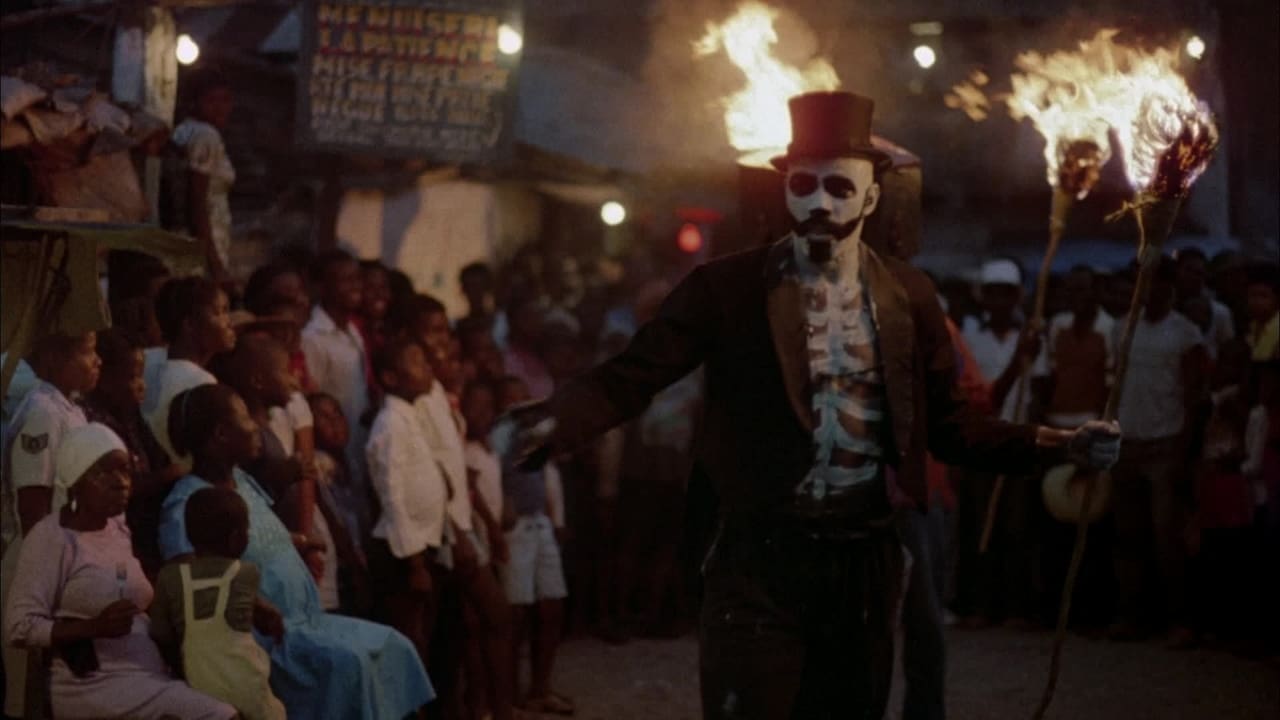
Based loosely (and controversially) on the non-fiction book by Harvard ethnobotanist Wade Davis, the film follows Dr. Dennis Alan (Bill Pullman, in an early leading role that demanded physical and psychological endurance) as he travels to Haiti. His mission, bankrolled by a pharmaceutical company, is to investigate reports of zombification – not the flesh-eating Romero kind, but the chilling folklore reality: individuals poisoned, buried alive, and resurrected as mindless slaves. Alan seeks the chemical agent, the "zombie powder," hoping to harness its anesthetic properties. What he finds instead is a nation gripped by fear, political instability under the crumbling Duvalier regime, and the terrifying power of Captain Dargent Peytraud (Zakes Mokae), the head of the Tonton Macoute secret police and a formidable Bokor (sorcerer).
The film plunges you headfirst into a Haiti rendered with palpable heat and menace. Craven, known then primarily for A Nightmare on Elm Street (1984) and The Hills Have Eyes (1977), masterfully shifts gears here. He trades overt supernatural slashing for a more insidious, psychological horror rooted in cultural beliefs, political oppression, and the horrifying violation of the mind and body. The atmosphere is thick with paranoia, where ancient rites clash brutally with modern cynicism.
### The Reality Behind the Terror
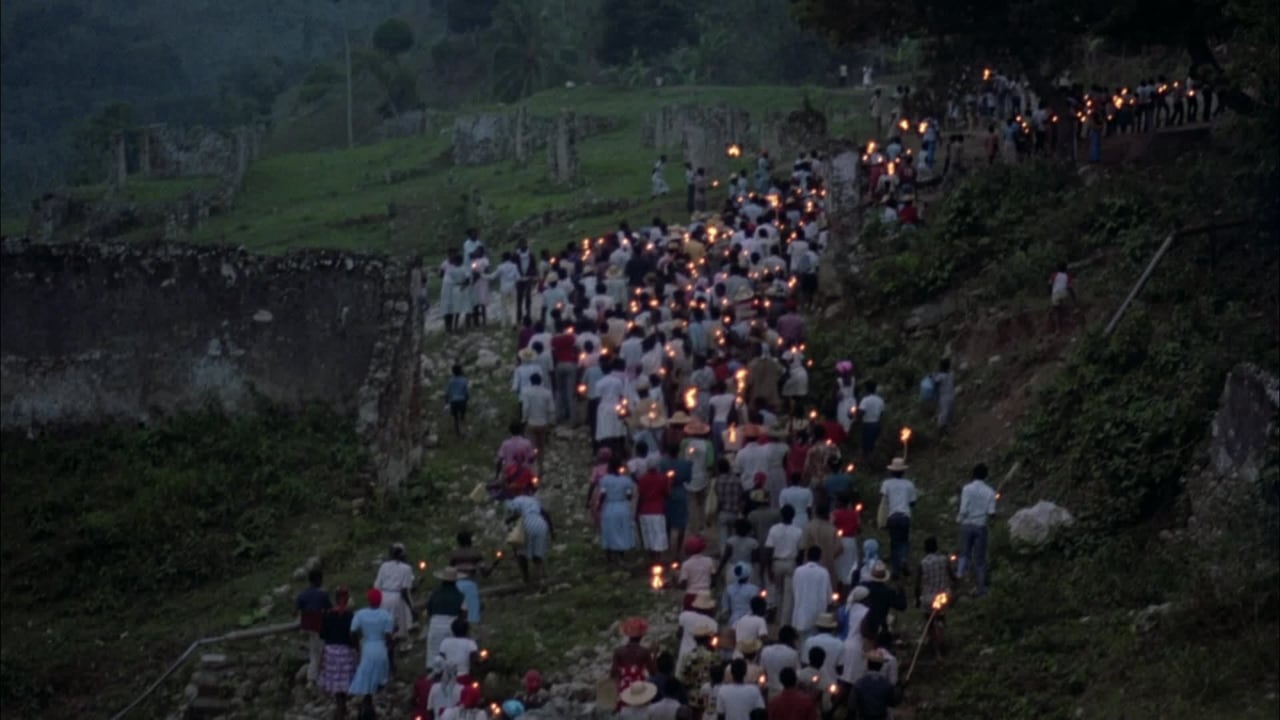
What elevates The Serpent and the Rainbow beyond typical genre fare is its unsettling connection to reality. Wade Davis’s book proposed tetrodotoxin, a neurotoxin found in pufferfish, as a key ingredient in the zombie powder, lending a terrifying scientific plausibility to the myth. The film leans into this, blurring the lines between supernatural horror and real-world terror. This wasn't just movie magic; it felt like pulling back a curtain on something dark and hidden.
The production itself mirrored the film's tension. Filming began in Haiti just as the brutal regime of Jean-Claude "Baby Doc" Duvalier was collapsing. The crew faced genuine danger and instability, lending an uncomfortable authenticity to the scenes of civil unrest and military presence. They were eventually forced to relocate to the Dominican Republic to complete shooting – a behind-the-scenes drama that underscores the very real dangers Alan faces on screen. You can feel that tension bleeding through the celluloid.

### Pullman Under Pressure
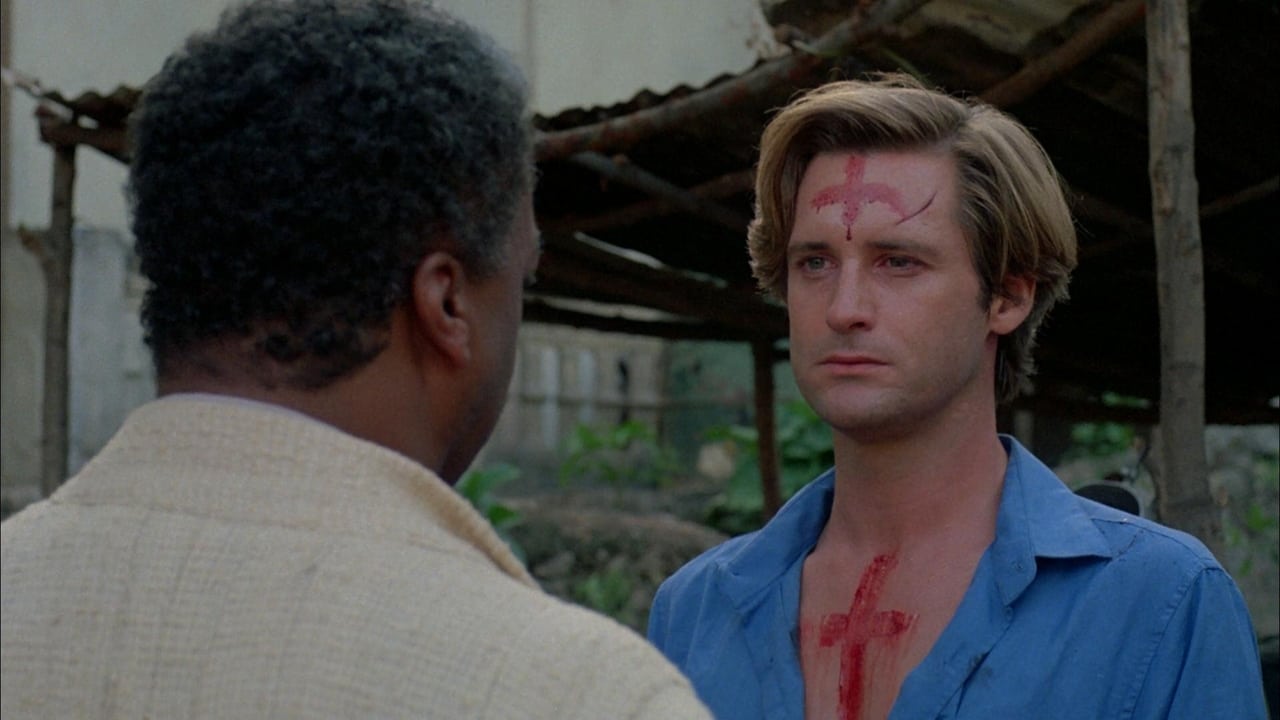
Bill Pullman delivers a compelling performance as the skeptical scientist increasingly drawn into a world he cannot rationally explain. He’s our anchor, the rational man adrift in a sea of the irrational. His journey is harrowing, culminating in that infamous premature burial scene. Rumours have long swirled about the filming of this sequence – the claustrophobia, the dirt, the very real tarantula placed on Pullman. While likely exaggerated over the years, Pullman himself has spoken about the intensity and inherent risks of the stunt work, which relied heavily on practical effects and his own commitment. It's a sequence that, even viewed now, retains a potent sense of visceral horror. Doesn't that image still crawl under your skin?
Opposite him, Zakes Mokae is absolutely magnetic as Peytraud. A veteran South African actor with immense stage presence, Mokae embodies calculated evil. He isn't a cackling ghoul; he's a figure of chilling authority, his power derived from both political brutality and mastery of the Voodoo arts. His piercing gaze and calm menace are unforgettable. Cathy Tyson provides a crucial counterpoint as Marielle Duchamp, a Haitian psychiatrist caught between modern medicine and the powerful traditions Peytraud represents.
### Craven's Vision and Voodoo Visions
While Craven grounds the film in a degree of reality, he doesn't shy away from visceral horror and surreal, dreamlike imagery. The nightmare sequences, though perhaps leaning more towards his Elm Street sensibilities, are effective and disturbing, visualizing Alan’s psychological breakdown and Peytraud's spiritual assaults. The practical effects, from the zombie makeup to the more nightmarish visions (like the infamous soup sequence), hold up surprisingly well, possessing that tactile quality often missing in modern CGI. The score by Brad Fiedel, who also scored The Terminator (1984), adds another layer of unsettling atmosphere, blending traditional-sounding rhythms with eerie synth textures.
Some critics at the time felt the film stumbled in its third act, perhaps veering too far into conventional horror tropes after its more grounded build-up. And yes, the final confrontation pushes the boundaries of the established reality. But for many who discovered this on VHS, nestled between slasher flicks and creature features, The Serpent and the Rainbow offered something unique – a thinking person's horror film steeped in anthropology, political commentary, and genuine, suffocating dread. It was a film that sparked conversations, made you google "tetrodotoxin," and perhaps look at the world with a little more unease.
### Legacy of the Loa
The Serpent and the Rainbow remains a standout entry in Wes Craven's filmography and a unique artifact of 80s horror. It dared to tackle complex themes within a genre framework, using Voodoo not just as spooky set dressing, but as a lens to explore power, belief, and the fear of losing control – of one's body, one's mind, even one's soul. It wasn't a massive box office hit (earning around $19.6 million on a $7 million budget), but its reputation grew steadily on home video, becoming a cult classic appreciated for its ambition, atmosphere, and that unforgettable central performance by Mokae.
Rating: 8/10
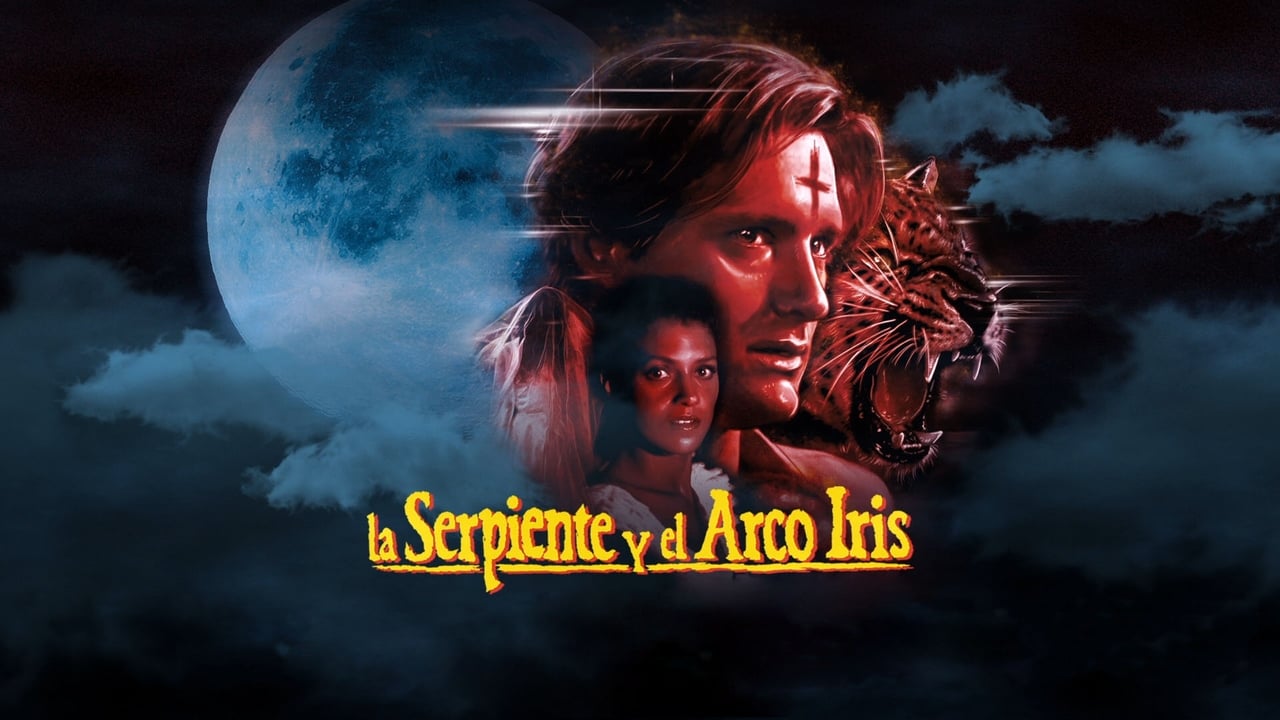
This score reflects the film's masterful atmospheric dread, its chilling central villain, the unsettling plausibility derived from its source material, and Pullman's committed performance. It successfully blends psychological horror with political thriller elements and disturbing practical effects. While the third act might dip slightly into convention for some, the journey there is so potent and unique within 80s horror that it earns its high marks.
It’s a film that lingers, not just for its scares, but for the unnerving questions it raises about the thin veil between life and death, science and superstition. It's a potent reminder from the VHS era that sometimes, the most terrifying stories are the ones whispered to be true.