Some tapes just felt… wrong sitting on the video store shelf. Not necessarily gory or lurid in their cover art, but emanating a kind of quiet malevolence. "Nightmare at Shadow Woods" – or "Midnight," as many of us first encountered it – was definitely one of those. Its unassuming box hinted at something grim lurking beneath the surface, a promise of unease rather than outright shocks. And pulling that tape out, feeling the heft of the plastic, you knew you were in for something potentially bleak, something far removed from the slicker slashers crowding the New Releases wall. This wasn't party horror; this felt like something dredged up from the murky backwoods of the American psyche, courtesy of a name synonymous with foundational dread: John A. Russo.
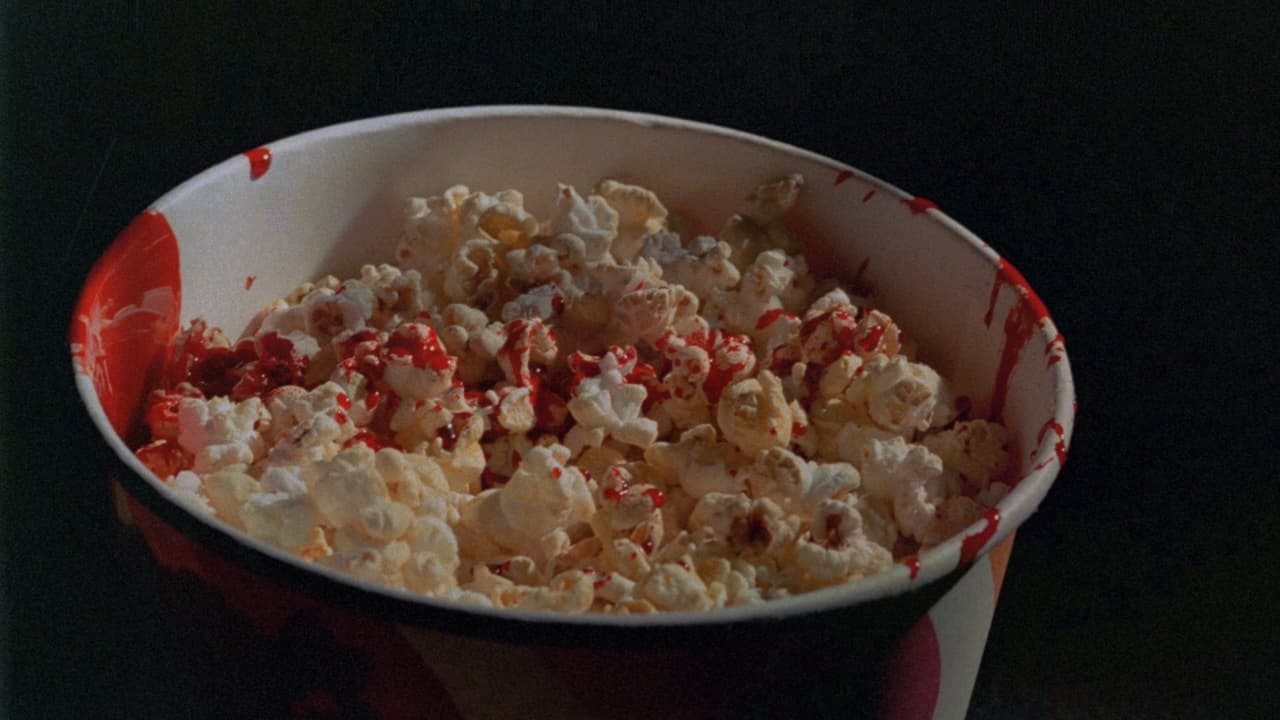
A Different Kind of Darkness
Yes, that John A. Russo, the co-creator who helped unleash the undead upon the world in 1968’s seminal Night of the Living Dead. Knowing his involvement immediately sets a certain expectation – not necessarily for zombies, but for a particular flavour of gritty, low-budget nihilism. "Nightmare at Shadow Woods" delivers on that front, trading flesh-eaters for a different kind of monster: a backwoods family steeped in Satanic ritual and murder. Forget jump scares; the horror here is insidious, built on creeping atmosphere and the chillingly mundane depiction of evil. Shot on a shoestring budget (reportedly around $150,000) in Russo's familiar Pennsylvanian stomping grounds, the film possesses a grainy, almost documentary-like feel that enhances its disturbing realism. The lack of polish becomes a strength, making the darkness feel tangible, inescapable.
An Unholy Family Portrait

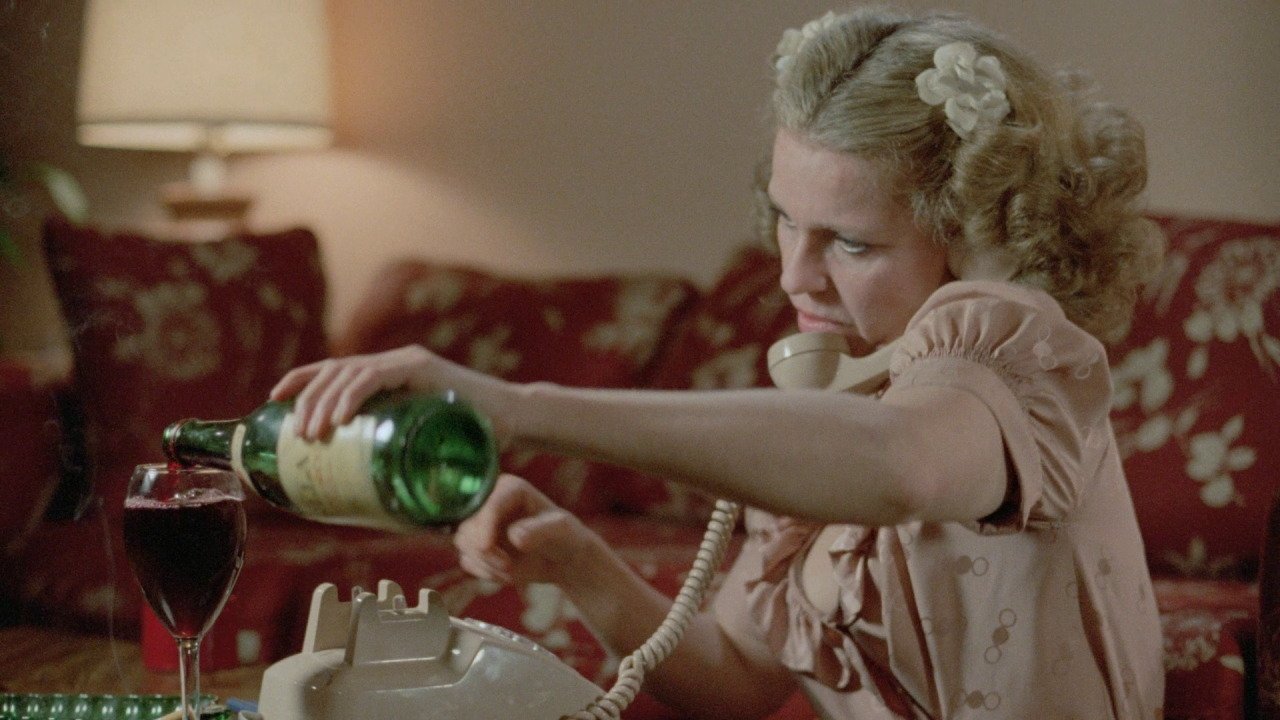
The story follows Nancy (Marianne Kanter), a teenage runaway escaping an abusive stepfather. Her vulnerability makes her immediate prey when she crosses paths with a seemingly helpful family led by the unnervingly off-kilter matriarch, Harriet (Louise Lasser). Lasser, famous for her neurotic comedic persona in TV's Mary Hartman, Mary Hartman, is genuinely unsettling here. Her performance isn't overtly theatrical; instead, she embodies a kind of weary, almost bored evil that’s deeply chilling. Her two sons, played by Mark Soper (as the deeply disturbed Abraham) and Tom (Lawrence Tierney Jr. – yes, son of the legendary tough guy), complete the picture of familial dysfunction twisted into something far more sinister. They aren't cackling villains, but broken people perpetuating a cycle of violence and twisted faith, planning to sacrifice Nancy in a ritual. Doesn't that quiet, almost casual malevolence feel more unnerving than any masked killer?
Russo's Raw Vision
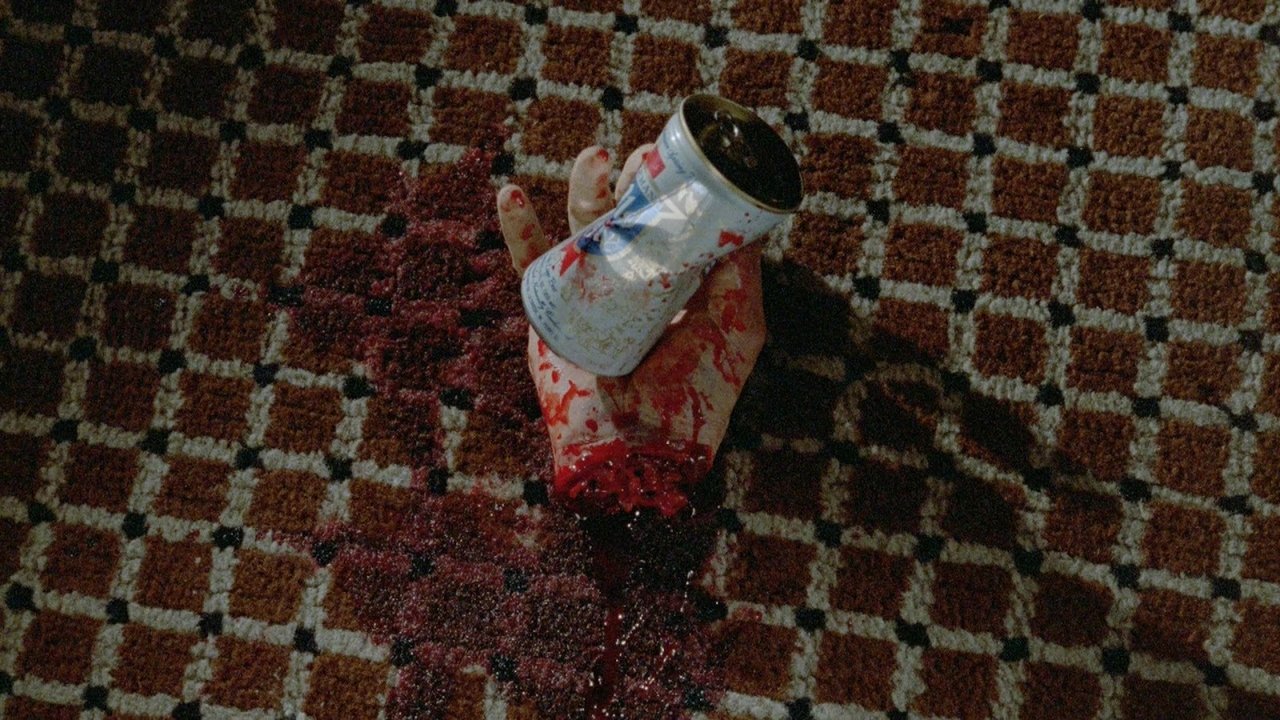
Working largely outside the studio system gave John A. Russo a certain freedom, and you feel that rough-hewn independence throughout "Nightmare at Shadow Woods". The pacing can be uneven, the dialogue occasionally clunky, and some performances outside the core cult family feel amateurish – all hallmarks of its low-budget origins. Yet, Russo crafts moments of palpable tension. The scenes within the family's dilapidated home are thick with unspoken threats, the surrounding woods feel genuinely menacing, and the film avoids easy outs. It’s a reminder that effective horror doesn't always need slick production values; sometimes, raw conviction and a commitment to a bleak worldview are enough. Reportedly, Russo faced challenges securing distribution, leading to the confusing title changes between "Midnight" and "Nightmare at Shadow Woods," further cementing its cult status as a film you had to actively seek out.
A Lingering Chill
What truly sets this film apart, especially within the often formulaic 80s horror landscape, is its refusal to offer comfort. The plot involving a pursuing police officer offers a glimmer of hope, but the film remains steeped in Nancy’s desperate struggle for survival against seemingly insurmountable, irrational evil. The climax and ending (Spoiler Alert! though arguably the film's tone telegraphs it) lean into a grim finality that likely left many viewers back in the day feeling cold and disturbed long after the VCR clicked off. It doesn't offer catharsis, just the lingering chill of encountering darkness in a place you least expect it – not a haunted house, but a seemingly ordinary family gone terribly wrong. It captures a specific kind of 80s anxiety, touching on themes of societal breakdown and hidden corruption lurking beneath tranquil surfaces, even echoing faint whispers of the era's Satanic Panic fears.
The Verdict

"Nightmare at Shadow Woods" (or "Midnight") is undeniably a flawed film. Its budget limitations are starkly visible, the pacing drags in spots, and it lacks the iconic status of Russo's earlier masterpiece. However, it possesses a unique and potent atmosphere of dread, anchored by Louise Lasser's chilling performance and Russo's unflinching commitment to a grim narrative. It's a potent example of how effective raw, regional horror filmmaking could be during the VHS boom – unsettling, memorable, and decidedly not for everyone. It feels like a genuine artifact from a time when horror could still feel genuinely nasty and unpredictable.
Rating: 6/10
This score reflects the film's undeniable atmospheric strengths, Lasser's standout role, and its place as a noteworthy, if rough-edged, entry from a horror pioneer. It loses points for pacing issues, variable acting quality outside the core antagonists, and production limitations that sometimes hinder rather than help. Still, for fans of gritty, downbeat 80s horror that crawls under your skin, this tape is a grim little gem worth digging out of the forgotten corners of the video store graveyard. It’s a reminder that sometimes, the most unsettling nightmares are the ones that feel disturbingly close to home.