The Naked Gun: From the Files of Police Squad!
Okay, let's rewind the tape. The fuzzy tracking lines clear, the familiar studio logo warbles slightly, and suddenly, you’re hit with a barrage of sight gags so dense, so relentlessly silly, it feels less like watching a movie and more like mainlining pure, unadulterated absurdity. We’re talking, of course, about The Naked Gun: From the Files of Police Squad! (1988), a film that didn't just make us laugh back in the day – it practically redefined the cinematic potential of utter stupidity, delivered with the straightest face imaginable.
### Seriously, Don't Call Him Shirley (Again)
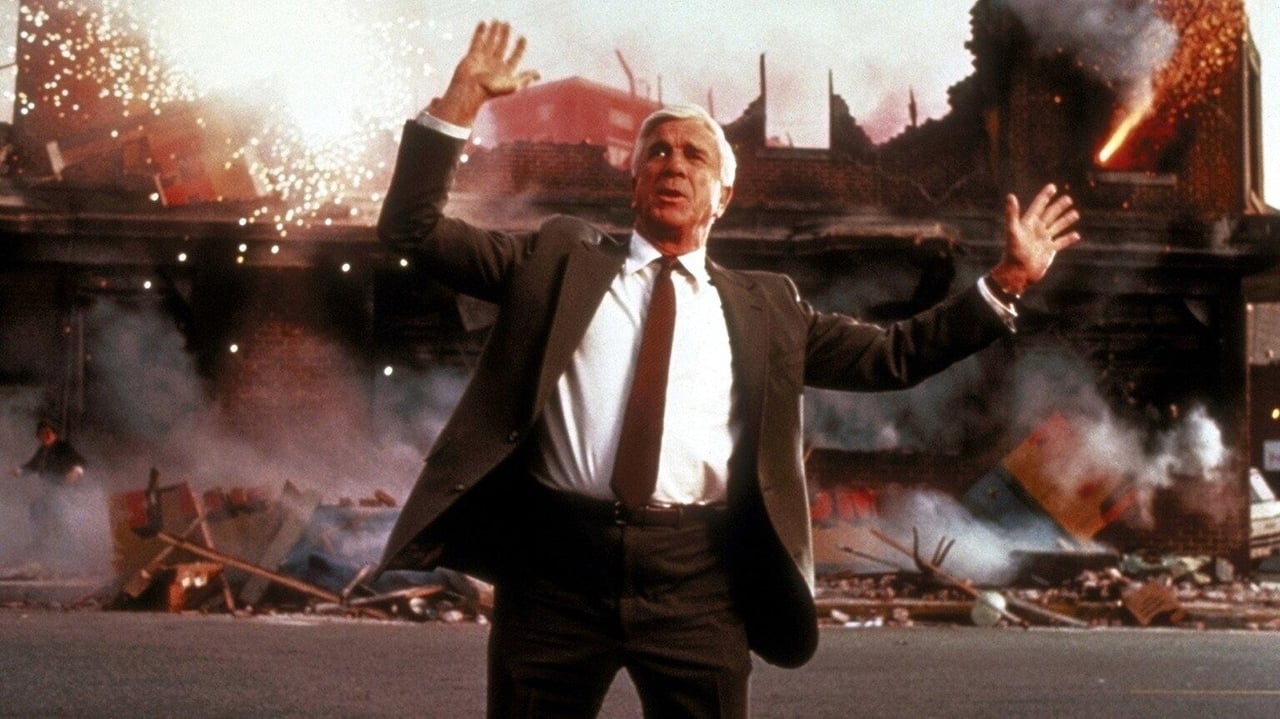
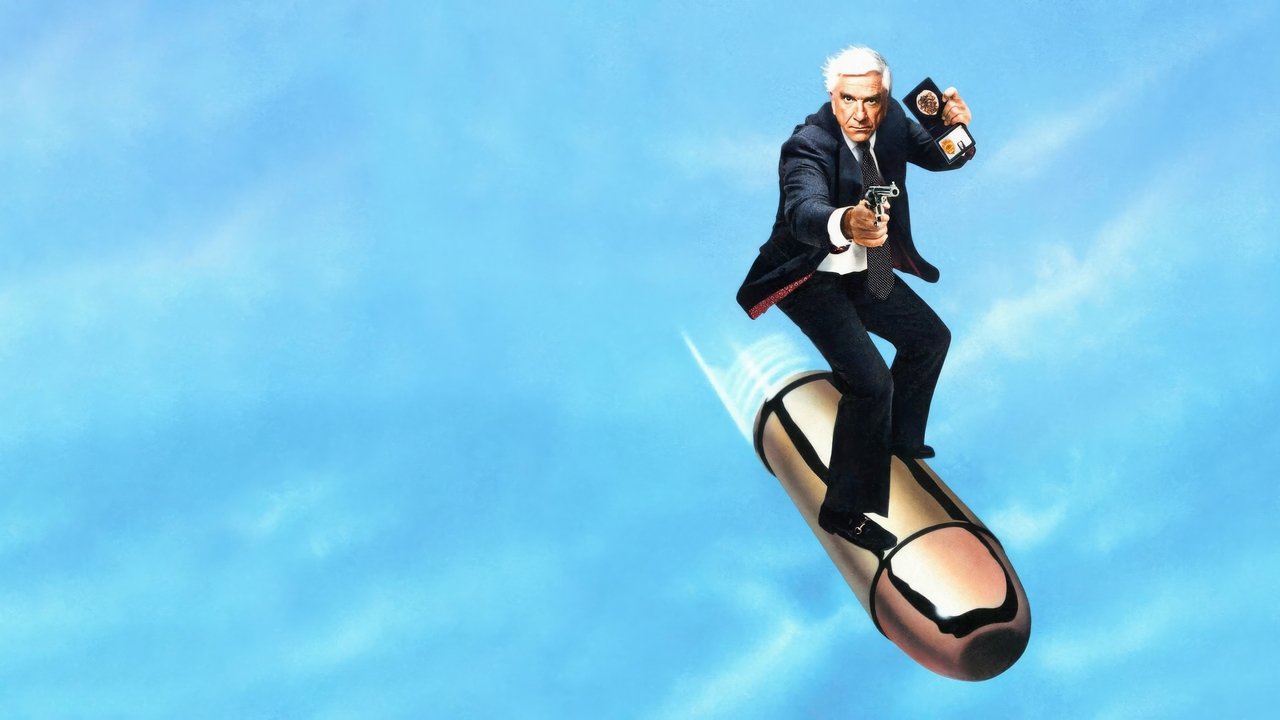
At the heart of this glorious chaos is the late, great Leslie Nielsen as Lieutenant Frank Drebin. Before Airplane! (1980) spectacularly flipped his career script, Nielsen was known for his distinguished silver hair and serious dramatic roles. Post-Airplane!, the Zucker-Abrahams-Zucker team (that’s David Zucker, Jim Abrahams, and Jerry Zucker, comedy royalty who also gifted us Top Secret!) realized they’d struck gold. Nielsen’s genius wasn't just in delivering ludicrous lines with gravitas; it was in his complete, unwavering commitment to the bit, navigating a world constructed entirely of puns, non-sequiturs, and background jokes with the stoic unawareness of a man genuinely trying to solve a crime.
This film spun directly out of the criminally short-lived TV series Police Squad! (1982), which famously tanked after only six episodes. A legendary (though perhaps apocryphal) quote attributed to an ABC executive claimed the show failed because "the viewer had to watch it in order to appreciate it." Thankfully, the ZAZ team, along with co-writer Pat Proft, knew the concept had legs – it just needed the big screen canvas (and budget) to truly explode. And explode it did, turning a modest $12 million investment into a $78 million+ box office smash (that's well over $190 million adjusted for today!).
### A Plot, Sort Of... Amidst the Punchlines
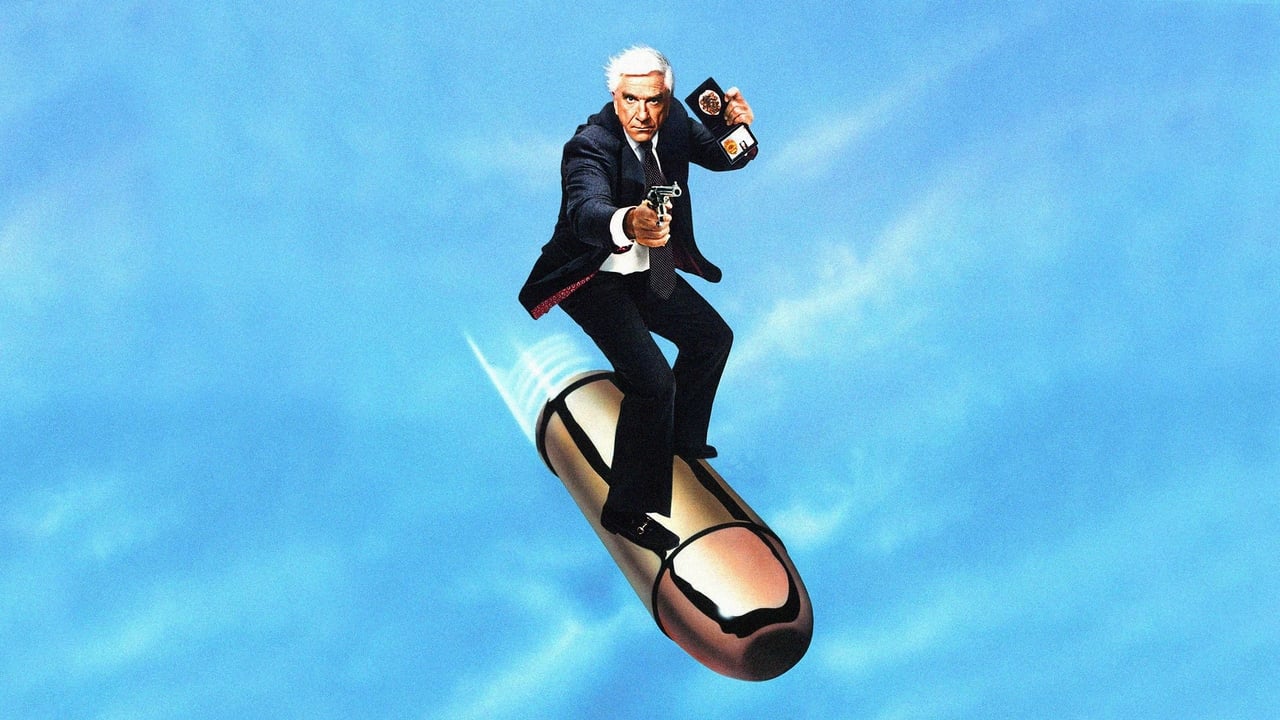
The premise involves Drebin stumbling onto a plot to assassinate Queen Elizabeth II during her visit to Los Angeles, orchestrated by the smooth-talking villain Vincent Ludwig, played with suave menace by Ricardo Montalbán. Fresh off his iconic turn as Khan in Star Trek II: The Wrath of Khan (1982), Montalbán provides the perfect straight man counterpoint to Nielsen's bumbling, lending an air of classic Hollywood villainy to the proceedings that only makes the surrounding silliness funnier. Caught in the middle is Ludwig's assistant, Jane Spencer, portrayed by Priscilla Presley. Her casting might have seemed surprising then, but she nails the blend of damsel in distress and bewildered straight-woman, generating genuine (and genuinely funny) chemistry with Nielsen.
But let's be honest, the plot is merely a flimsy clothesline upon which to hang an astonishing number of gags. The ZAZ style isn't just about jokes; it's about comedic density. Blink, and you'll miss three visual puns happening in the background while a fourth unfolds through deliberately obtuse dialogue in the foreground. It's a style that rewards repeat viewings – something those well-worn VHS tapes in our collections can attest to. I distinctly remember renting this one weekend and then immediately renting it again the next weekend because my friends and I were convinced we hadn't caught everything.
### The Craft of Chaos: Practical Gags Rule
Watching The Naked Gun today reminds you of a glorious era before CGI smoothed over every comedic edge. The humor here feels wonderfully physical and practical. Think about the driving test scene – the sheer destructive ballet of Drebin behind the wheel, culminating in launching the instructor through a windshield. That's real stunt work, carefully choreographed chaos captured in-camera. Remember the climactic baseball game sequence? It’s a masterclass in escalating absurdity, blending slapstick (Drebin impersonating the umpire), wordplay ("strike," "foul"), and bizarre character moments (Enrico Pallazzo!).
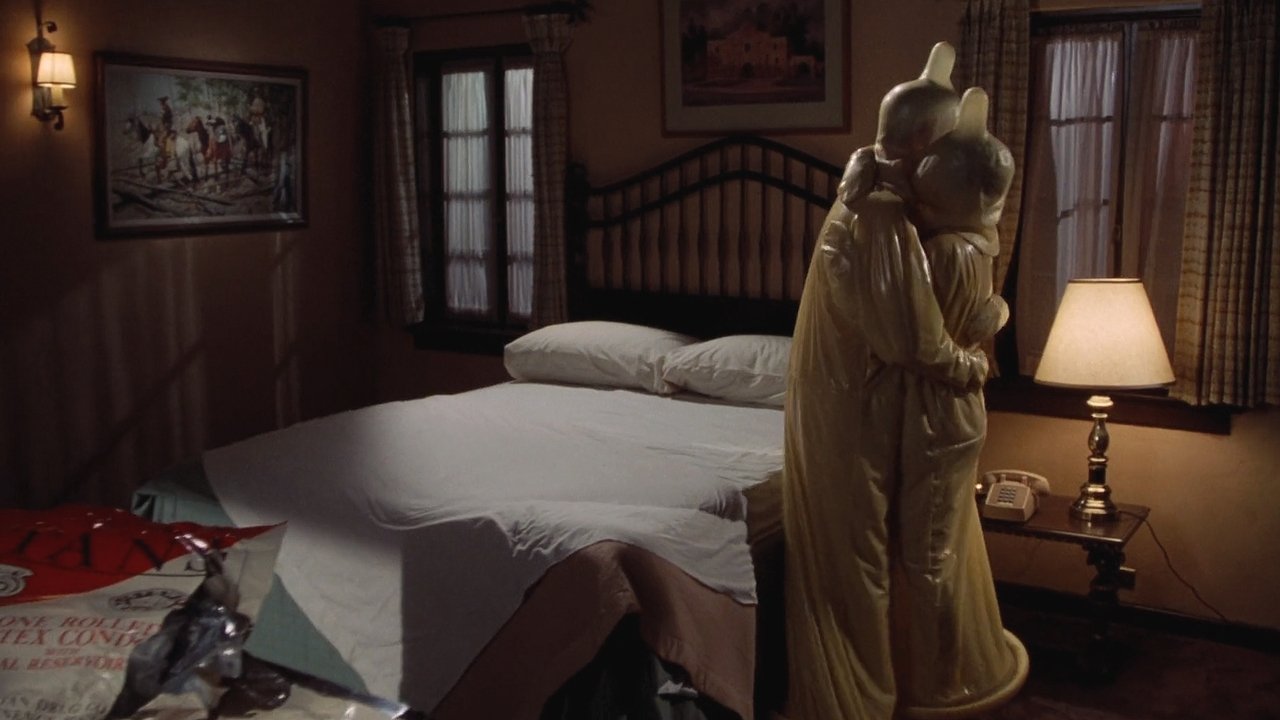
These weren’t digitally concocted gags; they were meticulously planned and executed Rube Goldberg machines of comedy. The filmmakers used clever editing, perspective tricks, prop manipulation, and good old-fashioned pratfalls. The scene where Drebin inadvertently destroys Ludwig's prized fighting fish required careful timing and likely several takes (and several doomed fish props, one hopes). Even the simple background gags – the statues moving, the endless stream of identical cars crashing – relied on practical ingenuity. It gives the comedy a tactile, almost raw quality that often feels missing in today's more polished, digitally-assisted comedies. You felt the impact, the crunch, the sheer commitment of the performers and crew to landing the joke, no matter how ridiculous.
### More Than Just Jokes
Beyond the laughs, the film benefits immensely from its supporting cast, including George Kennedy as the loyal Ed Hocken and O.J. Simpson as the perpetually injured Nordberg (a casting choice viewed very differently through the lens of history, but crucial to the film's original comedic fabric). The score by Ira Newborn perfectly mimics the serious tone of 80s cop dramas, making the onscreen absurdity even funnier by contrast. David Zucker's direction keeps the pace relentless, never letting the audience catch their breath before the next gag hits. It’s a masterclass in controlled comedic anarchy.
The film's success spawned two sequels, The Naked Gun 2½: The Smell of Fear (1991) and Naked Gun 33⅓: The Final Insult (1994), which continued the formula with diminishing, though still often hilarious, returns. But the original remains the gold standard, a perfect storm of inspired writing, pitch-perfect casting, and that uniquely ZAZ comedic sensibility.
Rating: 9/10
This rating feels absolutely earned. While some jokes inevitably land better than others across the decades, the sheer volume and inventive brilliance of the humor remain astonishing. Nielsen's performance is iconic, the supporting cast is game, and the commitment to practical, often physical comedy gives it a timeless, tangible appeal. It's not just funny; it's a landmark of screen comedy craftsmanship.
Final Thought: The Naked Gun is pure, uncut 80s comedy concentrate. Rewatching it on grainy VHS felt like rediscovering a secret formula for laughter – a reminder that sometimes, the smartest comedy is the kind delivered with the straightest, most gloriously idiotic face. Nice beaver! (Yes, I went there.)