The sweat seems to bead on the screen itself. You can almost smell the dust, the dry heat, the simmering resentment baking under the relentless French summer sun. That's the immediate, visceral impact of Yves Boisset's 1984 thriller, known in English-speaking territories as Dog Day, though its original French title, Canicule (Heatwave), perhaps better captures the oppressive atmosphere that permeates every frame. This isn't a comfortable watch; it’s a film that grabs you by the collar, shoves you into the parched landscape alongside its desperate characters, and dares you to look away.
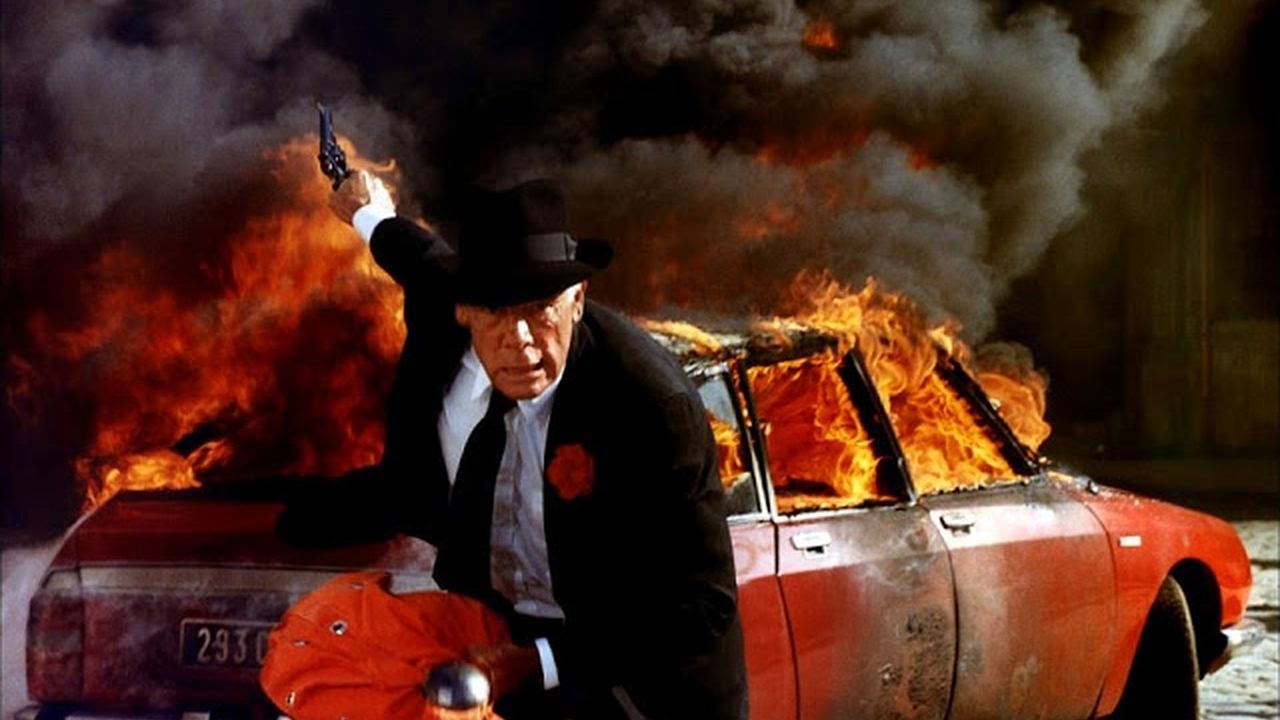
Finding this one on the shelves back in the day, maybe tucked away in the 'Foreign Films' or 'Thriller' section, often with cover art hinting at something intense, was its own kind of discovery. It promised something different from the usual Hollywood fare, something rougher around the edges. And Dog Day delivered exactly that – a potent, often brutal cocktail of American noir archetypes clashing violently with a distinctly European sensibility.
An Unlikely Guest, An Unwilling Host
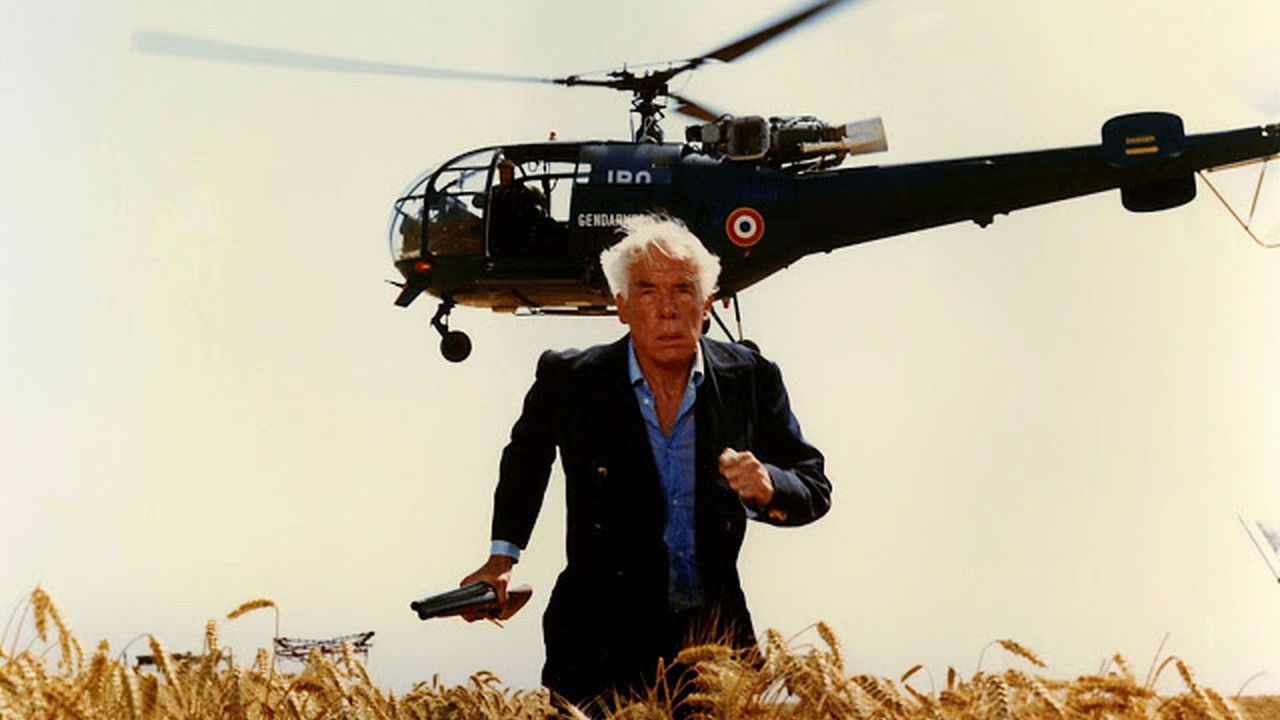
The premise is deceptively simple: Jimmy Cobb (Lee Marvin), a notorious American bank robber, finds himself wounded and on the run in rural France after a heist goes sideways. He stumbles onto an isolated, dilapidated farm, seeking refuge. What he finds instead is a powder keg of familial dysfunction – a simmering cauldron of greed, lust, resentment, and barely concealed psychopathy. The farm is lorded over by Horace (a superbly sleazy Victor Lanoux), inhabited by his put-upon wife Jessica (Miou-Miou), her strangely detached father (Jean Carmet), a volatile farmhand (David Bennent, memorable from The Tin Drum), and various other eccentric and unsettling figures. Cobb, the hardened criminal, inadvertently becomes the catalyst, the lit match dropped into this pool of gasoline.
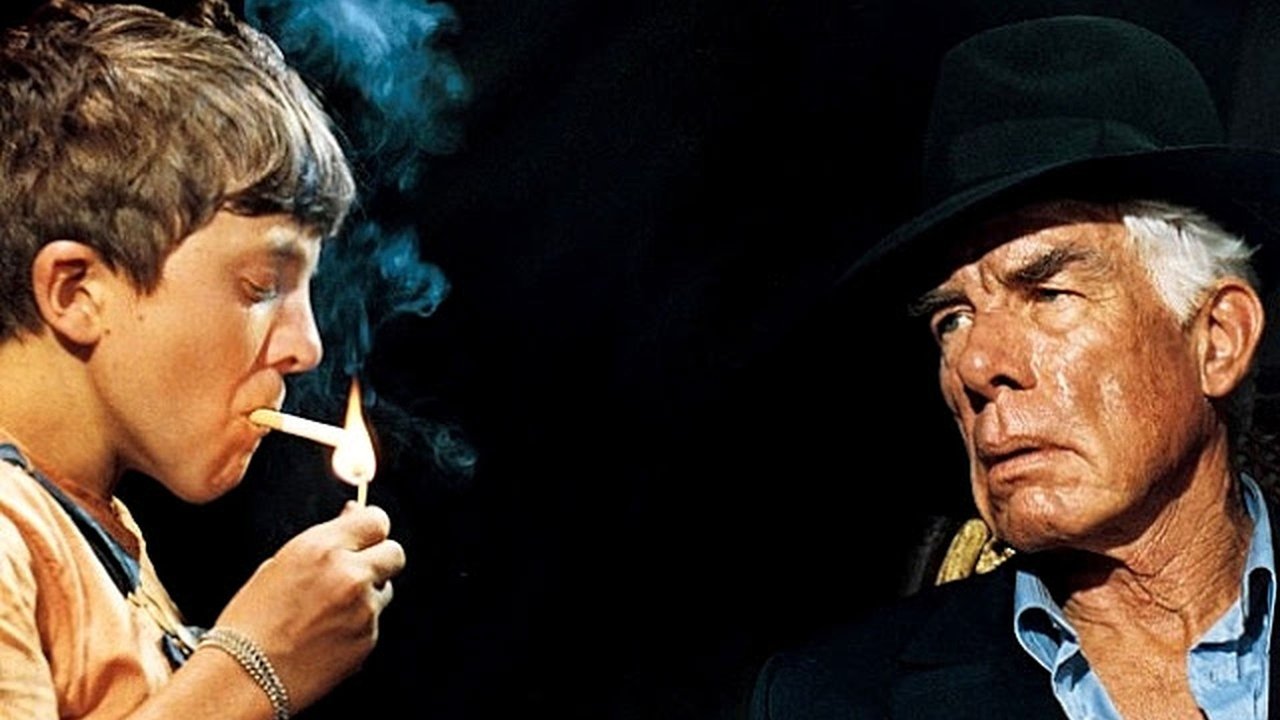
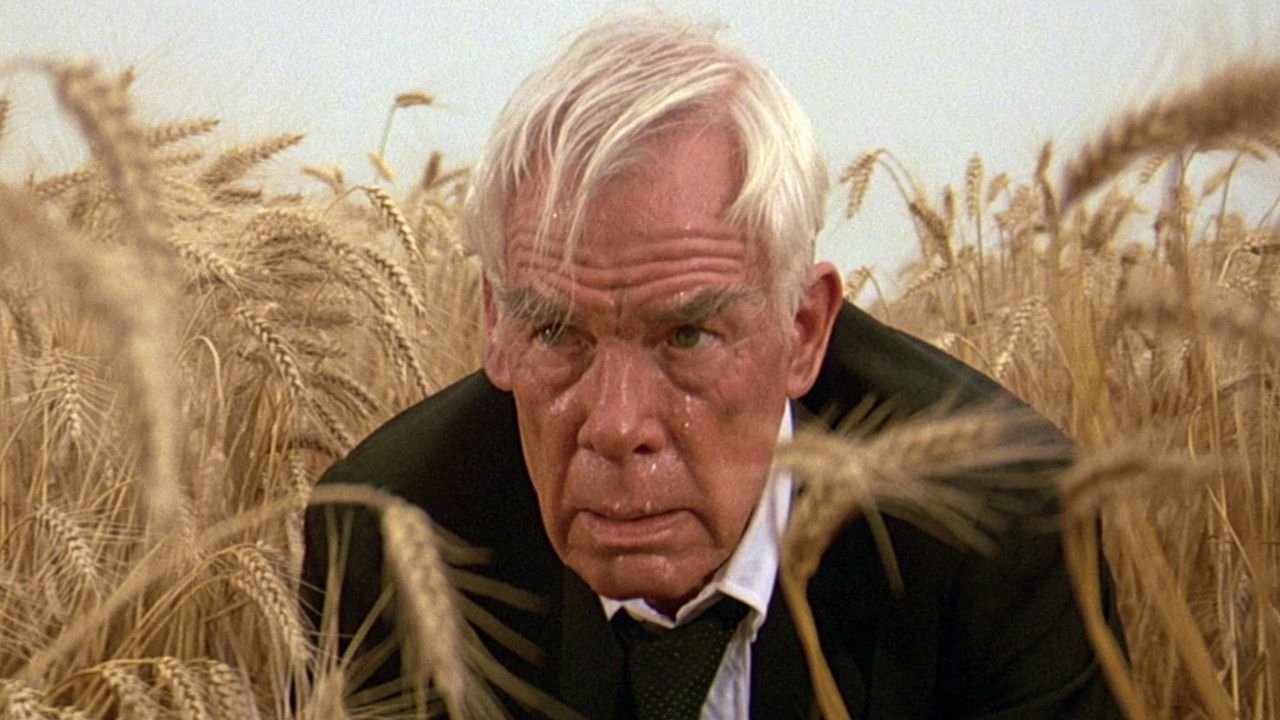
It's fascinating to see Lee Marvin here, in one of his last significant roles before his passing in 1987. The granite-faced toughness, the weary eyes, the coiled physicality – it's all pure Marvin, instantly recognizable from classics like Point Blank (1967) or The Dirty Dozen (1967). Yet, transplanting that iconic American presence into this sweltering French farmland creates a compelling friction. He’s the outsider, the perceived predator who quickly realizes he might be surrounded by far more dangerous animals. Marvin doesn't just play Cobb; he inhabits his exhaustion, his pragmatism turning to desperation. There's a profound weariness in his performance that feels utterly authentic, the weight of a violent life etched onto his face, amplified by the unforgiving sun. Reportedly, Marvin enjoyed the experience of working in France, embracing the change of pace, even if the film itself was relentlessly grim.
Rural Gothic, French Style
Director Yves Boisset, known in France for his politically charged thrillers and social commentaries, doesn't shy away from the ugliness. Working from the novel by Jean Vautrin (also titled Canicule), Boisset crafts a film that feels less like a standard crime story and more like a descent into a rural heart of darkness. The French countryside here isn't idyllic; it's isolating, primitive, a place where civilization feels thin and brittle. The farmhouse itself becomes a character – decaying, claustrophobic despite the open fields, trapping everyone in its cycle of misery.
The supporting cast is exceptional. Miou-Miou, always an actress capable of conveying complex inner lives, is magnetic as Jessica, a woman caught between desperate circumstances and her own desires. Her interactions with Marvin’s Cobb are charged with a strange mix of fear, calculation, and unexpected connection. And Jean Carmet, often beloved for more comedic or gentle roles in French cinema, is deeply unsettling as the seemingly passive patriarch, whose silence hides unnerving depths. His performance is a masterclass in understated menace. Boisset uses these actors not just to drive the plot, but to paint a bleak portrait of human nature pushed to its limits by heat, confinement, and greed.
Sweat, Blood, and VHS Memories
Let's be clear: Dog Day / Canicule is a harsh film. The violence, when it erupts, is sudden, shocking, and decidedly unglamorous. It reflects the desperation of the characters and the brutal environment. Watching it now, on a crisp digital format, it retains its power, but I can distinctly recall the slightly grimy, raw feel it had on VHS. That format somehow complemented the film's texture – the grain of the tape mirroring the grit of the story. It felt immediate, unfiltered. This wasn't escapism; it was a confrontation.
Interestingly, the film's journey from Jean Vautrin's acclaimed novel to the screen wasn't entirely smooth. Adapting the dense, atmospheric book required stripping down some elements while amplifying the tension inherent in Cobb's arrival. Boisset focused tightly on the pressure-cooker environment of the farm, making the setting as much an antagonist as any human character. Filmed largely in the Beauce region of France, known for its vast, flat agricultural plains, the location perfectly underscores the feeling of exposure and inescapable fate. There’s nowhere to hide, not from the law, not from the heat, and certainly not from the darkness within the farmhouse walls.
Does it hold up? Absolutely, perhaps even more so now. In an era often saturated with stylized violence, Dog Day's brutal honesty feels stark and impactful. It’s a film that explores the thin veneer separating civility from savagery, questioning who the real monsters are – the professional criminal or the seemingly ordinary people consumed by their own festering desires. What happens when desperation meets opportunity in a place where the sun seems to have baked away all morality?
Rating: 8/10
This rating reflects the film's potent atmosphere, Lee Marvin's commanding late-career performance, and its unflinching portrayal of desperation and greed. It’s a superbly crafted, often deeply uncomfortable thriller that achieves exactly what it sets out to do. The harshness might deter some, and it's certainly not a feel-good movie, but its power is undeniable. It's a stark reminder of the kind of challenging, adult-oriented genre films that thrived in the European cinema of the 80s and found their way onto our rental shelves.
Dog Day / Canicule lingers long after the credits roll, leaving you with the taste of dust and the unsettling feeling of having witnessed something primal and disturbingly human unfold under that unforgiving French sun. A true, sun-scorched gem of 80s Euro-crime.