Okay, fellow travellers through time and tape, settle in. Sometimes, amidst the neon glow and explosive action that defined so many video store aisles in the 80s, you’d stumble across a cover that promised something… different. No Stallone flexing, no high-concept sci-fi. Just a quiet image, perhaps, hinting at a depth that felt unusual for a Friday night rental. Terence Davies's Distant Voices, Still Lives (1988) was often one such tape – a film that doesn't grab you by the collar but rather seeps into your consciousness, leaving an indelible mark long after the tracking lines have faded. It’s a film that doesn't just depict memories; it feels like memory itself.
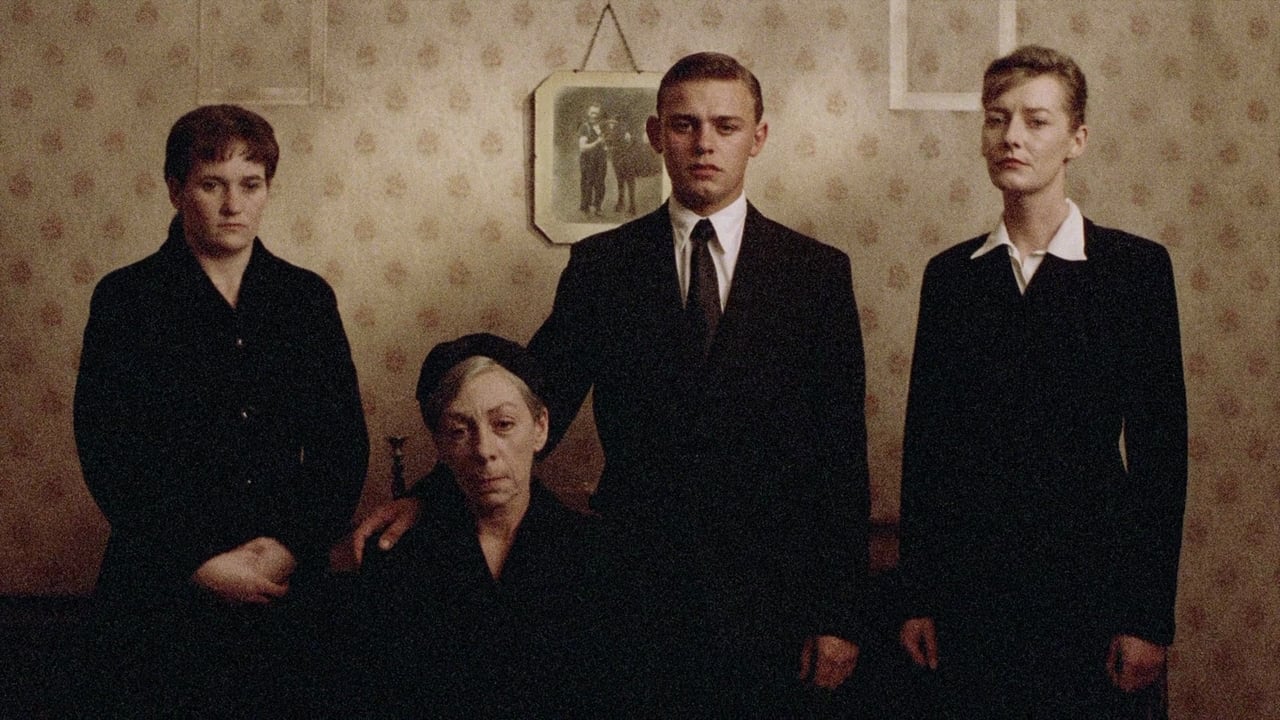
Echoes in the Hallway
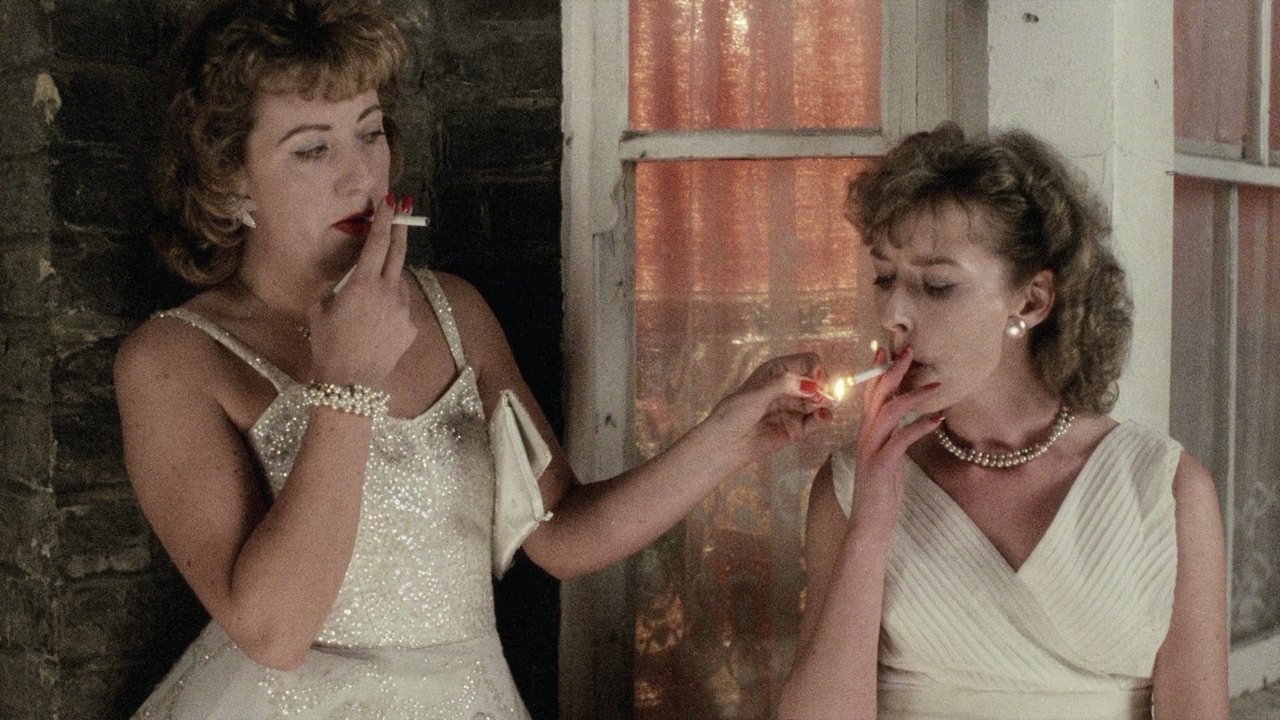
Forget linear storytelling. Davies throws the rulebook out the window, crafting a cinematic experience that mirrors the fragmented, emotionally charged way we recall our past. We drift through time, anchored around key family events – weddings, christenings, funerals – in a working-class Liverpool household during the 1940s and 50s. There’s no driving plot in the conventional sense; instead, we get powerful vignettes, like flipping through a worn photo album where each image unlocks a potent mix of joy, sorrow, and fear. The 'Distant Voices' are the songs and conversations echoing from the past, while the 'Still Lives' are these carefully composed, often static shots that hold moments frozen in time, heavy with unspoken feeling. It’s a structure that initially might feel disorienting if you were expecting Die Hard, but surrender to its rhythm, and it becomes hypnotic.
A Father's Shadow, A Family's Song
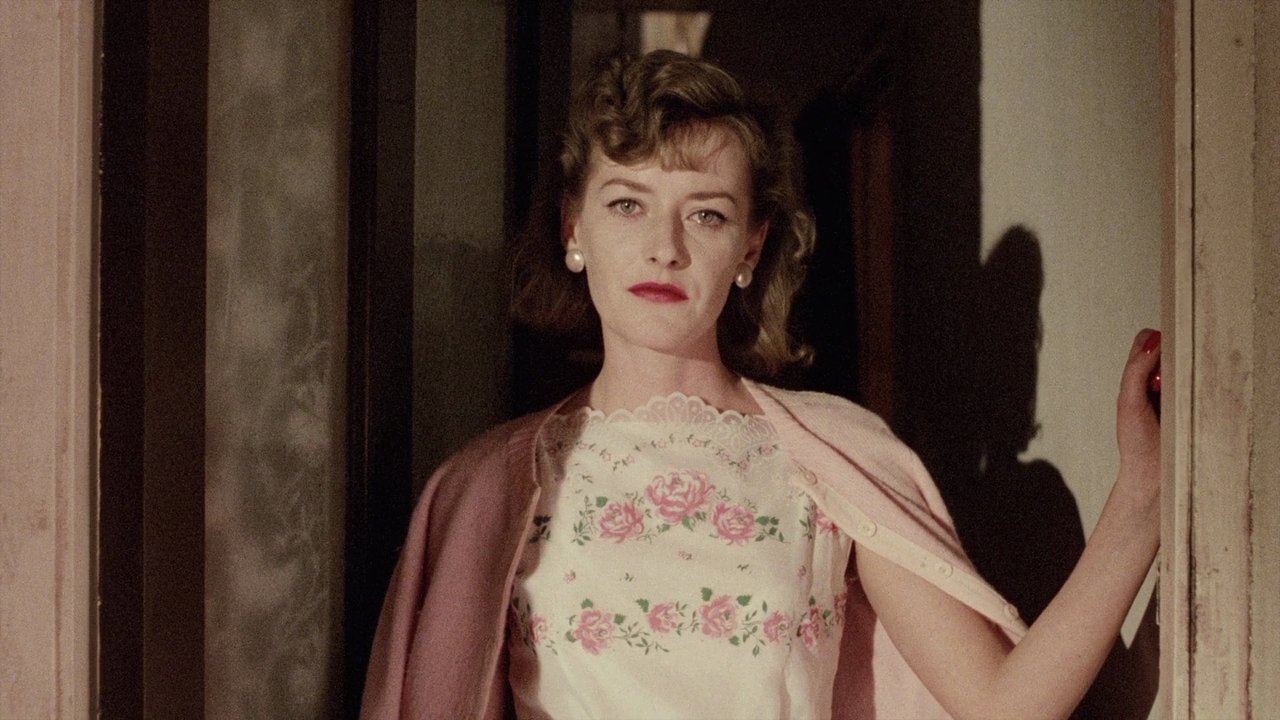
At the heart of this fragmented recollection looms the figure of Tommy, the father, portrayed with terrifying conviction by the late, great Pete Postlethwaite. Long before his memorable turns in films like In the Name of the Father (1993) or The Usual Suspects (1995), Postlethwaite delivered a performance here that chills to the bone. His Tommy is a man capable of sudden, brutal violence, often followed by moments of forced joviality or pathetic self-pity. He casts a long, dark shadow over the family, his unpredictable tyranny shaping their lives. Yet, this isn't solely a portrait of suffering. Counterbalancing the fear is the incredible resilience of the mother (a quietly powerful Freda Dowie) and the children (including Angela Walsh as Eileen). Their strength is found not in direct confrontation, which would be unthinkable, but in endurance, shared glances, and crucially, in song. The pub singalongs and family gatherings, filled with popular songs of the era, are not mere nostalgia; they are acts of communal defiance, brief, soaring moments of light and solidarity against the pervading darkness. Doesn't the way they cling to these moments of shared joy speak volumes about the human need for connection, even in the bleakest circumstances?
The Art of Remembering
Terence Davies, drawing heavily on his own upbringing (this film is deeply autobiographical), directs with an painterly eye. Each frame feels meticulously composed, often resembling classic portraiture. The camera rarely rushes; it observes, allowing moments to breathe and resonate. The use of light and shadow is masterful, often isolating characters or bathing scenes in a melancholic glow. It’s a visually stunning piece, especially considering its modest origins.
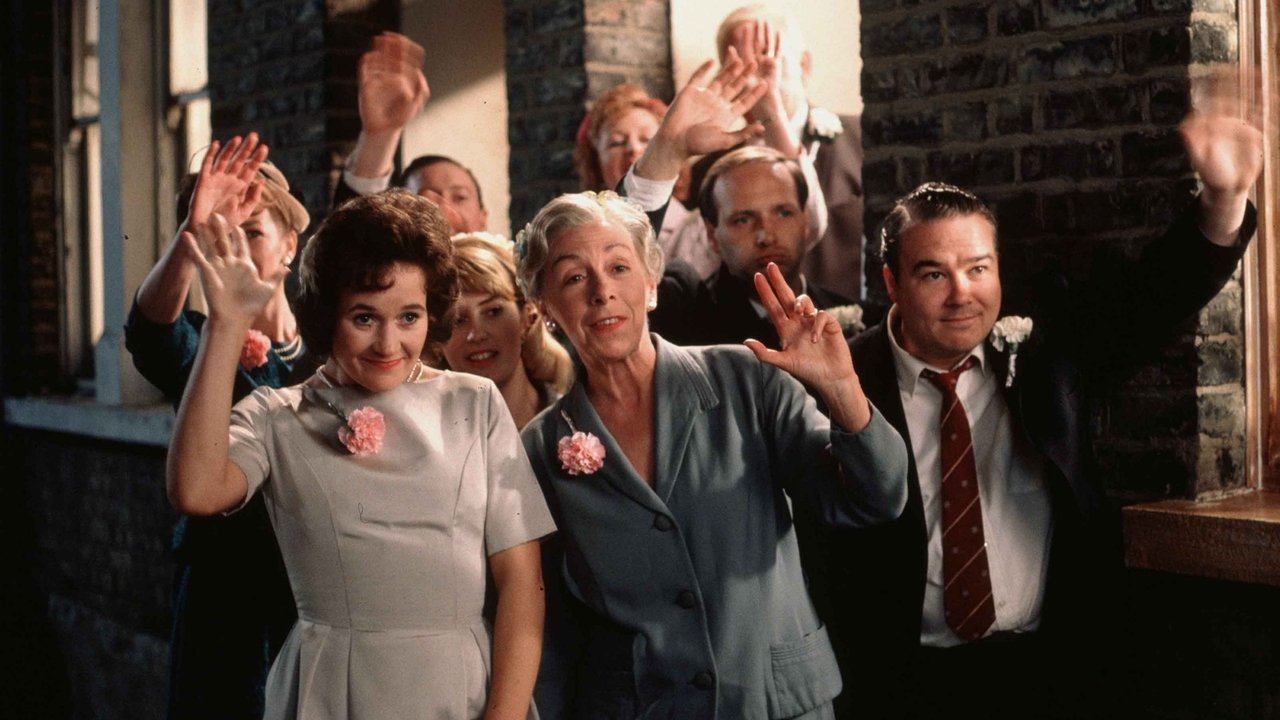
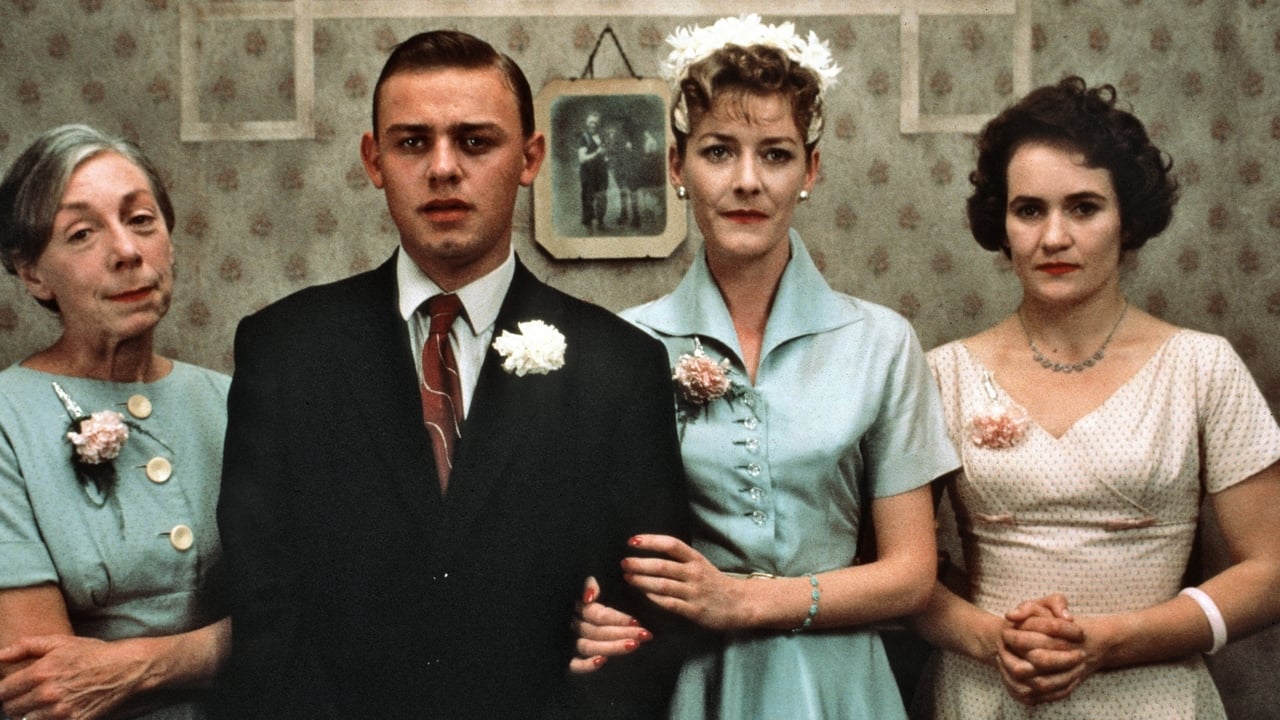
Here’s a fascinating piece of trivia that illuminates the film’s unique feel: Distant Voices, Still Lives was actually made as two separate short films, shot years apart – Distant Voices in 1985 and Still Lives in 1987 – funded separately by the British Film Institute and Channel 4. Davies then seamlessly stitched them together. Knowing this perhaps explains the film’s episodic nature, yet the thematic and stylistic cohesion is remarkable, a testament to Davies' singular vision. It wasn't a blockbuster by any means (likely costing under £1 million combined), but its critical reception was stellar, winning major awards and often cited as one of the greatest British films ever made. Finding this gem on a VHS shelf, perhaps nestled between mainstream comedies, felt like uncovering a hidden masterpiece.
Why It Lingers
This isn't an 'easy' watch. The depictions of domestic abuse are unflinching and deeply unsettling. There are long stretches of quiet observation that demand patience. Yet, the film's power lies in its profound honesty and empathy. It captures the complex tapestry of family life – the love intertwined with pain, the laughter through tears, the way mundane moments become sacred memories. It refuses easy answers or neat resolutions. It asks us to consider how trauma echoes through generations, but also how bonds of love and community provide solace. The performances feel utterly authentic, lived-in. You believe these people, their struggles, their small victories. Watching it again now, decades later, its emotional resonance hasn't dimmed one bit. If anything, the passage of time only deepens its themes of memory and loss.
Rating: 9/10
This score reflects the film's status as a near-perfect execution of a unique artistic vision. While its deliberate pacing and harrowing subject matter might not be for everyone expecting typical 80s escapism, its emotional depth, stunning craft, unforgettable performances (especially Postlethwaite's), and profound exploration of memory make it a masterpiece of British cinema. It’s a film that earns its place not through explosions or catchphrases, but through quiet, devastating truth.
What stays with you most profoundly after the credits roll isn't the violence, but the resilience – the echoes of song lingering in the hallways of memory, a testament to the enduring human spirit. A rare, precious find from the shelves of VHS Heaven.