## Beyond Silence (1996): Listening to the Spaces Between Notes
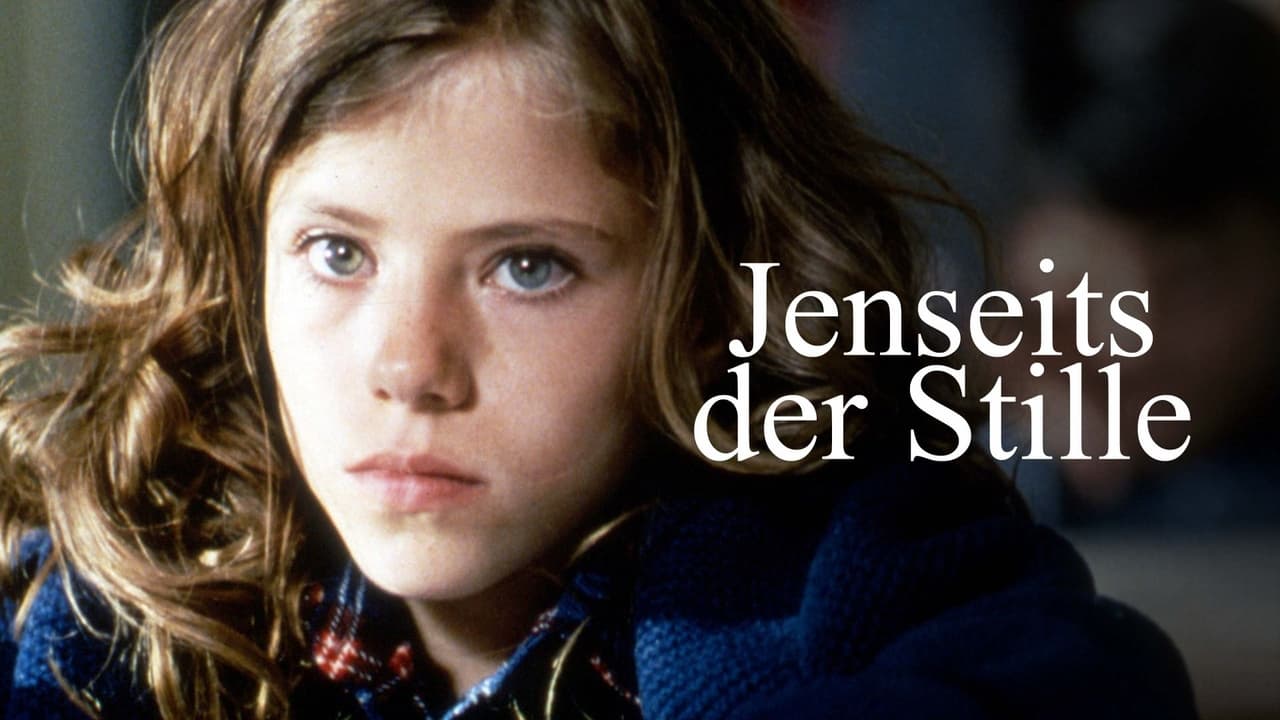
There are films that shout from the video store shelves, their bold covers promising explosions or laughter. And then there are the quieter ones, the ones you might have overlooked, tucked away perhaps, promising something less tangible but potentially more profound. Caroline Link's debut feature, Beyond Silence (original German title: Jenseits der Stille), is one such film. Released in 1996, it arrived near the twilight of the VHS era's peak dominance, a German drama that found its way onto international shelves partly thanks to a well-deserved Academy Award nomination for Best Foreign Language Film. Watching it again now, decades later, it feels less like a time capsule of '90s filmmaking and more like a timeless exploration of family, communication, and the often-painful journey of finding your own voice when you've spent your life speaking for others.
The film introduces us to Lara, a young girl growing up as the hearing child of deaf parents, Martin (Howie Seago) and Kai (Emmanuelle Laborit). She is their bridge to the hearing world – translating phone calls, negotiating bank loans, even interpreting the nuances of a parent-teacher conference. It's a responsibility she carries with a maturity that belies her age, portrayed with astonishing naturalism by newcomer Tatjana Trieb. What makes these early scenes so powerful is the lack of sentimentality. Lara's role isn't presented as tragic, but simply as the reality of her family life, a unique dynamic built on love but also inherent complexities. Director Caroline Link, who also co-wrote the screenplay with Beth Serlin, drew inspiration from her own childhood experiences occasionally interpreting for her deaf parents, infusing the narrative with an undeniable authenticity.
### The Sound of Separation
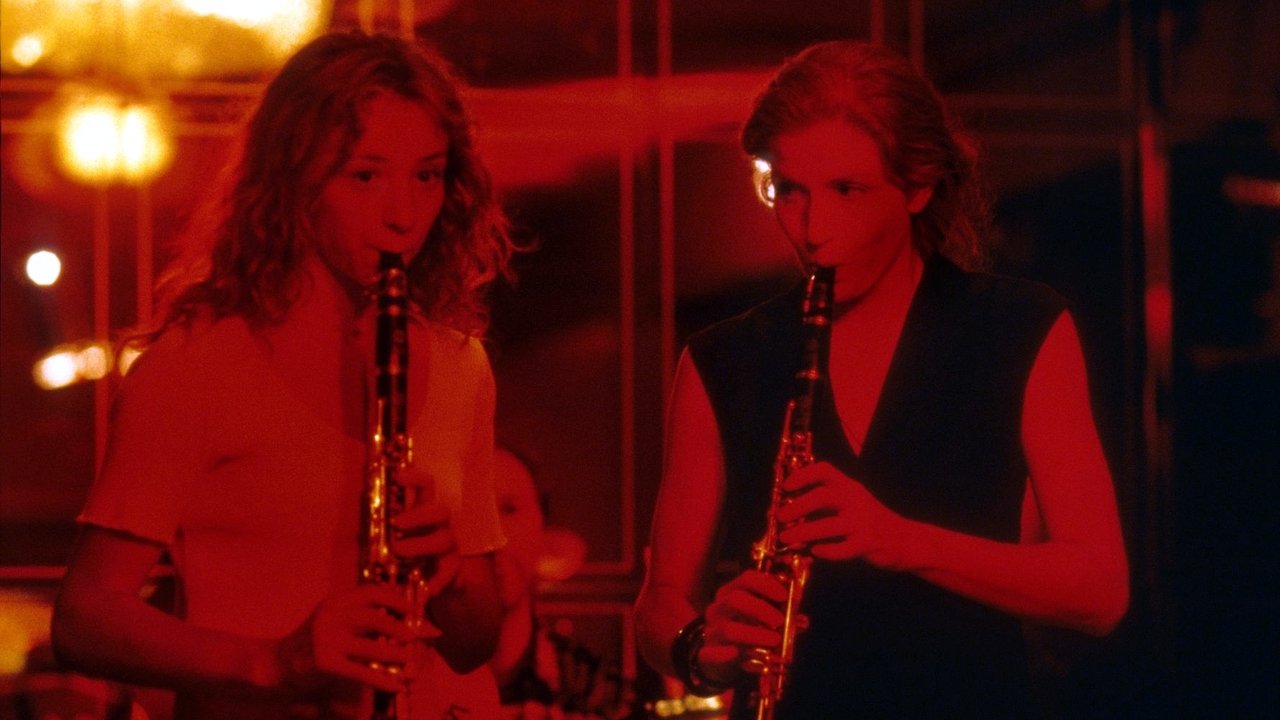
Everything changes when Lara receives a clarinet from her Aunt Clarissa (Sybille Canonica), herself a passionate musician who becomes a mentor figure. Music opens up a new world for Lara, one her parents fundamentally cannot share. This isn't just a hobby; it's a language, a form of expression that is solely hers, and it inevitably creates a rift. The film navigates this growing distance with remarkable sensitivity. Martin, Lara's father, feels bewildered and perhaps betrayed by his daughter's burgeoning passion for something so alien to his experience. Howie Seago, a prominent deaf American actor known for his stage work, brings a quiet intensity to Martin. His frustration and love are palpable, conveyed through expressive signing and nuanced body language that transcends any language barrier for the viewer. It's a testament to the casting that both Seago and French deaf actress Emmanuelle Laborit (playing Kai) bring such lived-in reality to their roles.
One fascinating production detail is that young Tatjana Trieb actually learned to play the clarinet for the film, adding another layer of realism to Lara's journey. Similarly, Sylvie Testud, who takes over the role of Lara as a young woman seeking independence and a place at a music conservatory, committed to learning German Sign Language (DGS) for her performance. These commitments shine through, grounding the film's emotional core in believable effort and skill.
### Bridging Worlds, Finding Self
The film isn't just about the divide between the hearing and deaf worlds; it's about the universal struggle of children differentiating themselves from their parents, forging their own identities while navigating the love and obligation they feel towards their family. Link's direction is unobtrusive, allowing the performances and the emotional weight of the story to take center stage. She uses sound and silence thoughtfully – the muffled quiet of Martin and Kai's world contrasts sharply with the swelling notes of Lara's clarinet or the bustling sounds of Berlin.
There's a scene where Lara tries to convey the feeling of music to her father, placing his hands on the clarinet as she plays. It's a moment thick with unspoken emotion – connection and disconnection existing simultaneously. Can he truly understand? Does she truly want him to? These are the kinds of questions Beyond Silence leaves lingering in the air, refusing easy answers. It acknowledges the beauty and the limitations of familial bonds, especially when faced with such fundamental differences in experiencing the world.
The film was a significant critical and commercial success in Germany, winning multiple German Film Awards (the Deutscher Filmpreis) before gaining international attention with its Oscar nod (it ultimately lost to the Czech film Kolya). It resonated, I think, because it tells a specific story – the CODA (Child of Deaf Adults) experience – with such universal emotional truth. It touches on themes of ambition, loss, forgiveness, and the bittersweet process of growing up and away.
### Final Reflections
Rewatching Beyond Silence, perhaps on a worn-out tape dug out from a box or streamed in modern clarity, feels like reconnecting with a quiet but powerful friend. It doesn’t rely on the bombast that defined so many films of its era. Instead, its strength lies in its subtlety, its heartfelt performances, and its willingness to sit with uncomfortable emotions. It’s a film that reminds us that communication happens in myriad ways – through sign, through music, through a shared glance, or even through the silences themselves. It asks us to listen more closely, not just to sound, but to the people around us. What makes a family bond truly unbreakable, even across seemingly insurmountable divides?
Rating: 9/10
This score reflects the film's exceptional emotional depth, the authenticity brought by its cast (particularly the deaf actors and the young Tatjana Trieb), Caroline Link's sensitive direction in her feature debut, and its timeless exploration of universal themes through a unique lens. It's a near-perfect execution of a challenging premise, marred only slightly perhaps by a pacing that might feel deliberate to some modern viewers accustomed to faster cuts. Still, its power is undeniable.
Final Thought: Beyond Silence is a poignant reminder, nestled perhaps between louder action flicks on the rental shelf of memory, that sometimes the most resonant stories are the ones whispered, not shouted.