The low hum of the VCR, the click of the tape engaging… sometimes the starkest chills weren’t conjured by ghosts or masked killers, but by the cold, hard realities reflected in films like Gary Sherman’s Wanted: Dead or Alive. Released in 1987, this wasn’t your typical explosive 80s action fare. It carried a different weight, a grittier, more grounded sense of menace that felt unnervingly plausible, mirroring the anxieties simmering beneath the decade's neon surface. Forget the bombastic heroes; this film plunges you into the grimier corners of Los Angeles, guided by a man whose legacy is as loaded as his weapon.
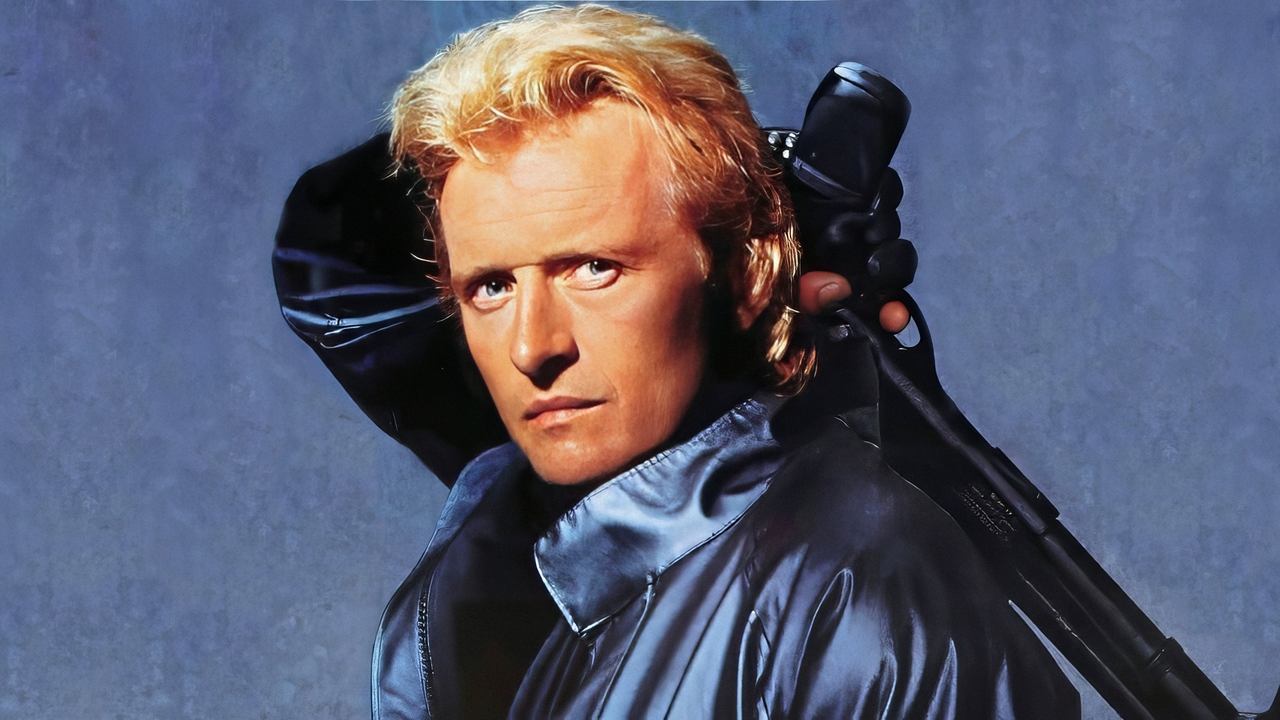
That man is Nick Randall, brought to life with icy precision by the inimitable Rutger Hauer. Fresh off memorable turns in films like Blade Runner (1982) and The Hitcher (1986), Hauer embodies Randall not as a superhero, but as a highly skilled professional operating in the shadows. He’s a modern-day bounty hunter, a specialist whose lineage, we subtly learn, traces back to Josh Randall, the character made famous by Steve McQueen in the classic TV series of the same name. This wasn't just a cool Easter egg; it added a layer of mythos, hinting at a code and a history passed down through generations, now confronting distinctly modern threats. I distinctly remember renting this tape, drawn in by Hauer's face on the cover and the promise of something tougher, less cartoonish than the standard action heroes dominating the shelves back then.
### A Different Kind of Predator
The plot ignites with brutal efficiency. A wave of bombings rips through Los Angeles, orchestrated by the ruthless international terrorist Malak Al Rahim. Stepping into this surprisingly chilling role is none other than Gene Simmons of KISS fame. Casting Simmons was certainly a bold move, leaning into his larger-than-life persona but channeling it into cold-blooded villainy. While perhaps not classically nuanced, there's an undeniable unsettling quality to his portrayal – the sheer arrogance and lack of empathy radiating from him feels genuinely dangerous. It’s a performance that divides viewers even today, but within the film's gritty context, his almost alien lack of remorse works surprisingly well. Does anyone else remember the slight jolt of seeing the 'Demon' himself playing it so straight and deadly serious?
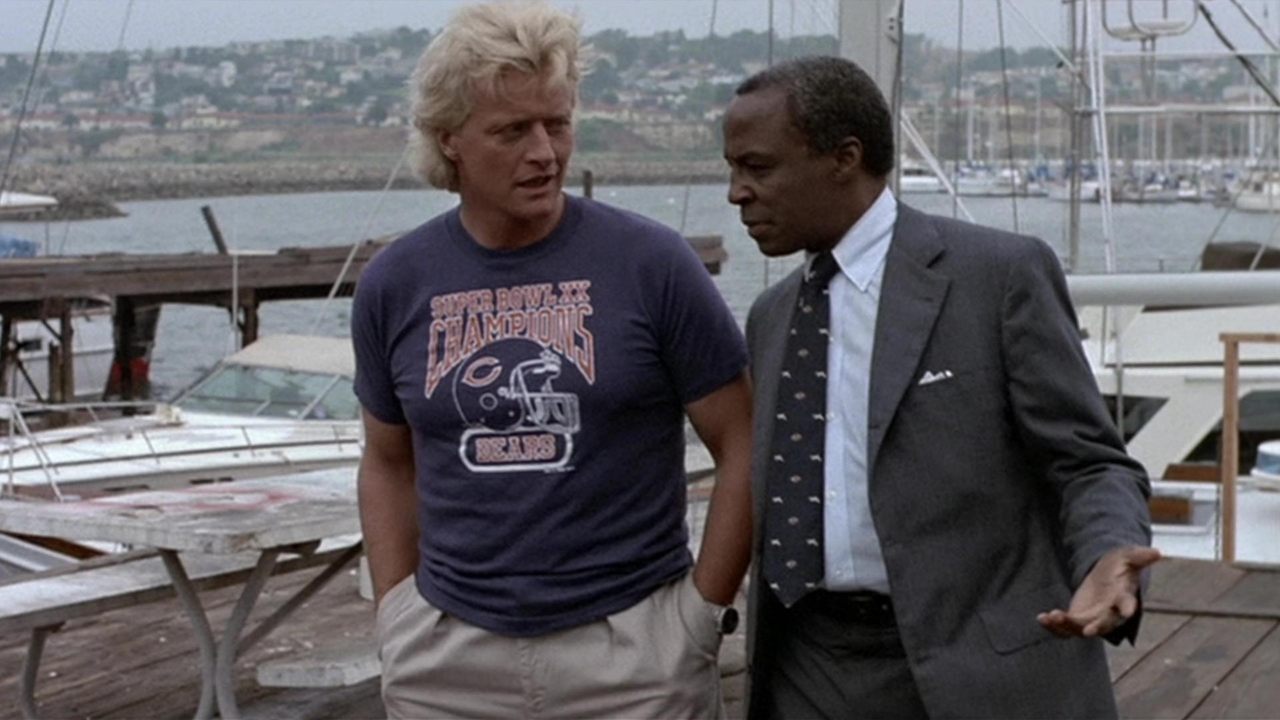
The CIA, represented by the ever-reliable Robert Guillaume (bringing his usual gravitas), needs someone to track Malak. They turn to Randall, the one man with the skills and the underworld connections to potentially bring him down. This sets up a tense cat-and-mouse game across the sprawling, often sun-bleached yet somehow still shadowy landscapes of L.A. Director Gary Sherman, already known for the atmospheric dread of Dead & Buried (1981), doesn't shy away from the darkness here. He crafts sequences, particularly the initial bombing and later confrontations, with a starkness that emphasizes consequence and collateral damage over flashy spectacle.
### Grit, Gunpowder, and Practical Effects
What makes Wanted: Dead or Alive still resonate is its commitment to a certain kind of realism, at least within its action framework. The stunts feel impactful, the shootouts have a sense of chaotic danger, and the practical effects, while perhaps dated by today's CGI standards, possess a tangible quality that lands harder. Remember that final confrontation at the shipyard? The explosions feel real because they were real – pyrotechnics carefully orchestrated on location, a far cry from digital fireballs. Sherman knew how to build tension through atmosphere – the score is effective, often understated, letting the ambient sounds of the city and the stark visuals do the heavy lifting.
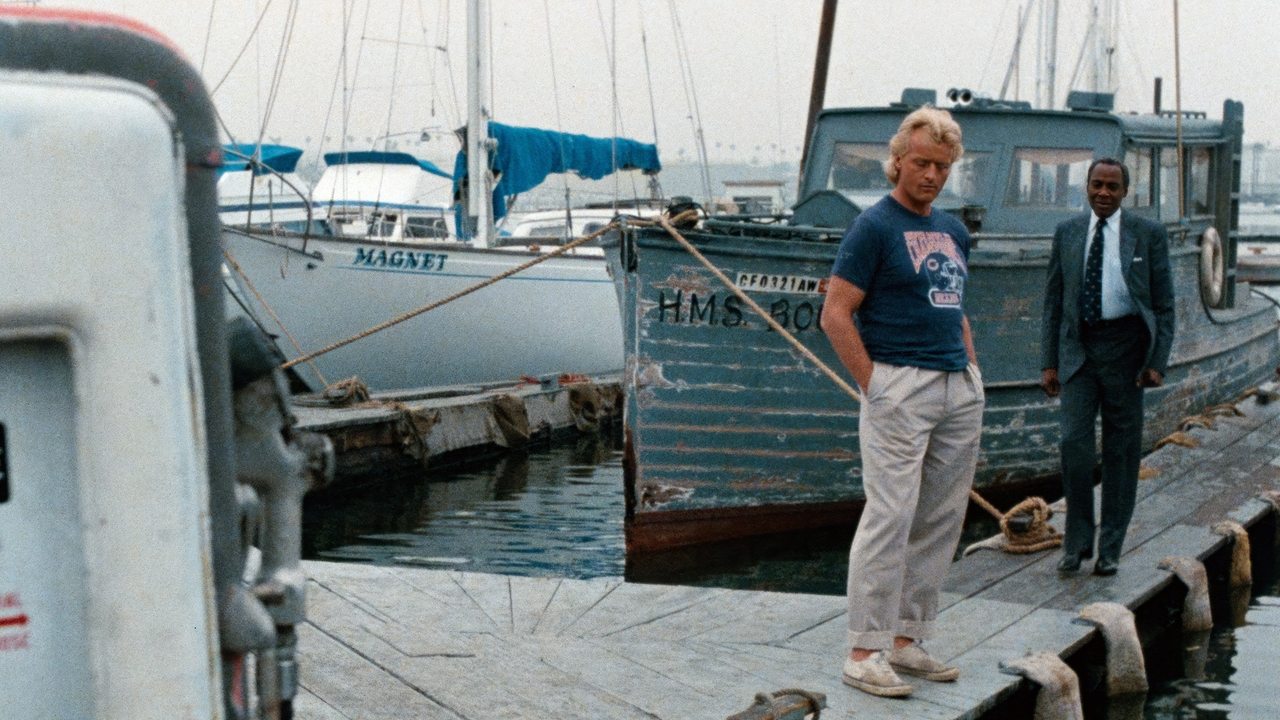
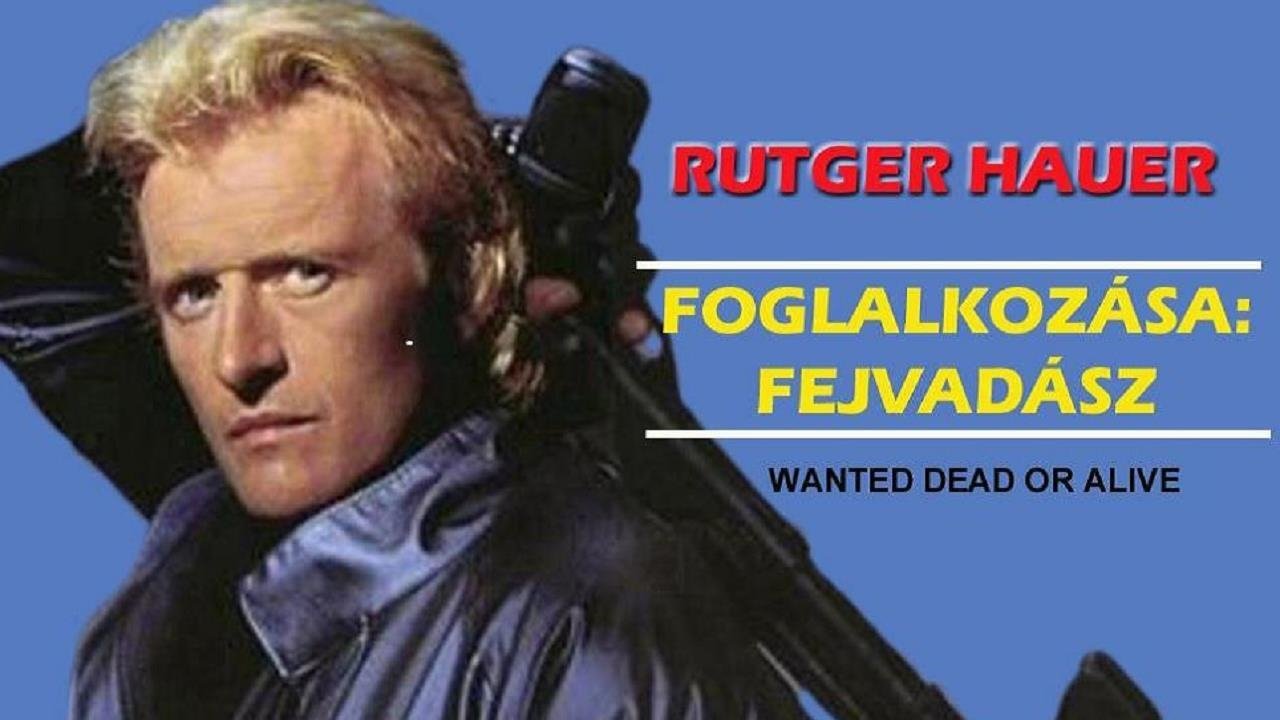
The film wasn't a massive box office smash, earning back roughly $7.5 million on its estimated $10 million budget. Perhaps its darker tone and more complex (for the genre) protagonist didn't quite align with the prevailing tastes for invincible heroes. Yet, it found its audience on home video, becoming a cult favorite for those who appreciated Hauer's intense performance and the film's willingness to engage with slightly more challenging themes than its contemporaries. It's a snapshot of a specific moment – the late 80s grappling with global tensions, filtered through the lens of a neo-Western thriller. The fact that Randall utilizes surprisingly sophisticated (for the time) tech alongside his old-school tracking skills adds another interesting layer. Reportedly, Hauer himself was drawn to the script precisely because Randall wasn't just a brute, but an intelligent strategist, a point that comes across clearly in his focused portrayal.
### Legacy in the Shadows
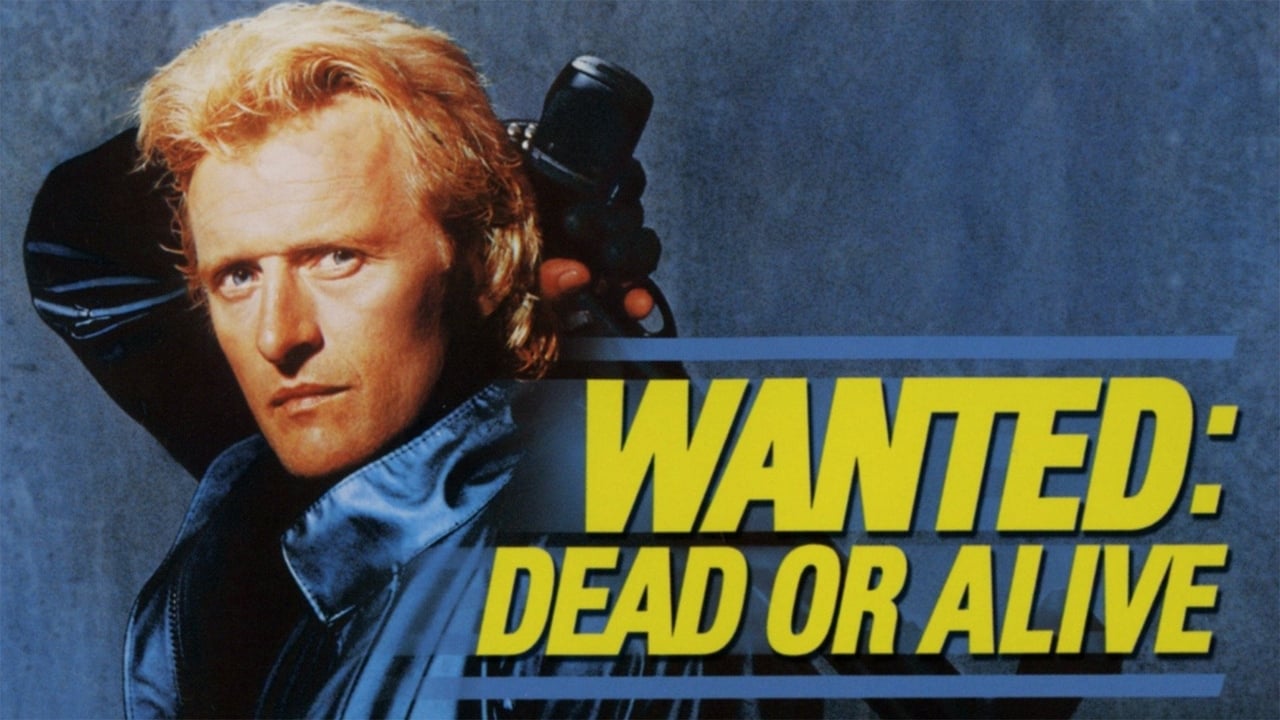
Wanted: Dead or Alive isn't perfect. The plot occasionally relies on convenient turns, and some supporting characters feel underdeveloped. But its strengths lie in its mood, its lead performance, and its surprisingly grim take on the action genre for its time. It captures that specific late-80s anxiety, the feeling that the world was becoming a more dangerous, unpredictable place. Hauer delivers a masterclass in contained intensity, making Randall a compelling, morally ambiguous figure you can't look away from. It’s a film that feels less like a power fantasy and more like a tense descent into a necessary darkness.
Rating: 7/10
This score reflects a genuinely effective and atmospheric 80s thriller anchored by a commanding central performance. While not groundbreaking, its gritty tone, practical action, and the fascinating link to the classic TV show give it a distinct edge. It earns its place on the shelf as more than just another action programmer; it’s a tightly wound, often chilling piece of retro filmmaking that understood tension better than many of its louder counterparts. It remains a potent reminder of Rutger Hauer's unique screen presence and a solid example of the kind of grounded, tough-edged thriller that thrived in the VHS era.