### That Awkward Moment After the Wall Fell
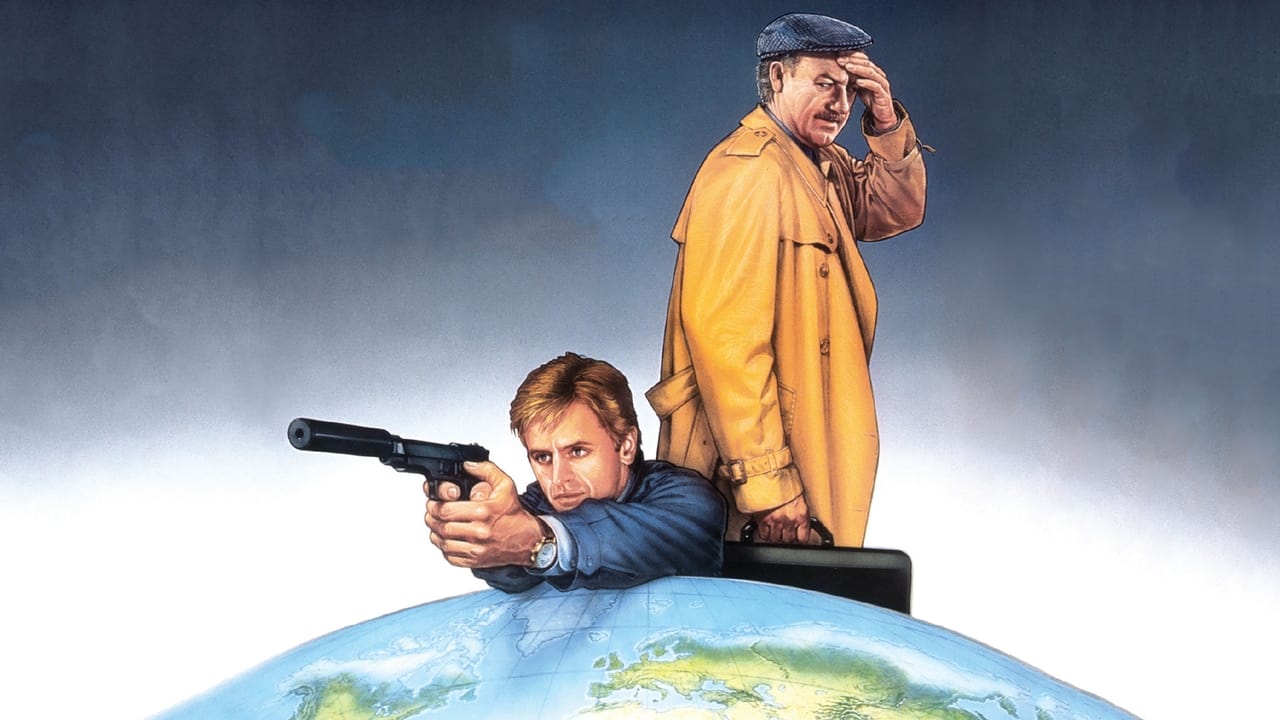
There's a peculiar kind of film that emerged right around the turn of the 90s – the Cold War thriller that arrived just as the credits were rolling on the actual Cold War. Suddenly, the familiar chessboard of global espionage felt tilted, the pieces sliding off. Watching Nicholas Meyer's Company Business (1991) today feels a bit like uncovering a time capsule from that exact moment of geopolitical whiplash. It’s a film steeped in the tradecraft and cynicism we knew, yet adrift in a world rapidly rendering its conflicts obsolete. It asks, perhaps unintentionally, what happens to the spies when the game changes overnight?
### A Final, Fumbled Handoff
The setup is classic spy stuff, albeit tinged with a weary resignation. Gene Hackman, embodying institutional fatigue like few others could, plays Sam Boyd, a veteran CIA operative nudged out towards pasture. He’s handed one last “simple” task: escort Piotr Grushenko (Mikhail Baryshnikov), a KGB mole traded back to the Soviets, along with $2 million, to Berlin for a prisoner exchange. Naturally, simplicity is the first casualty. The swap goes sideways, Boyd and Grushenko are double-crossed by both sides, and suddenly these two enemies, relics of a dying conflict, are forced into an uneasy alliance, hunted through the streets of a newly unified Europe. What unfolds isn't quite the high-octane chase one might expect, but rather a slower, more character-focused journey of two dinosaurs blinking in the new dawn.
### The Odd Couple of Espionage
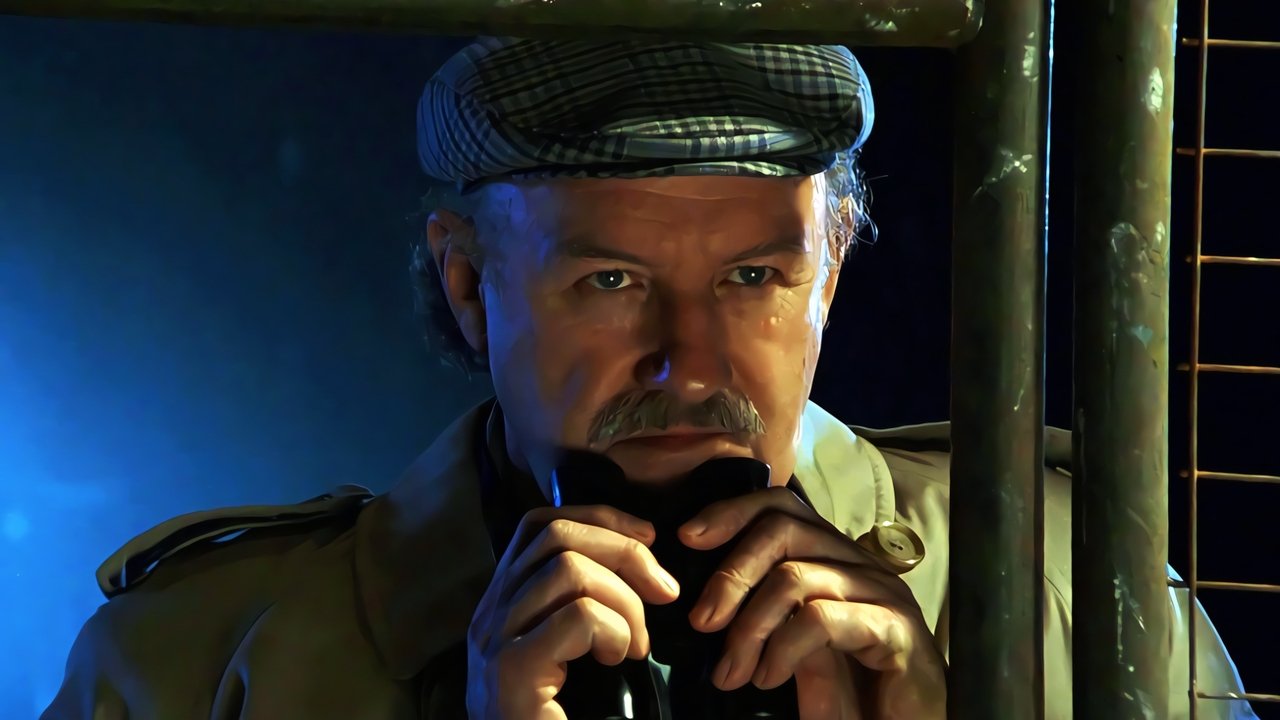
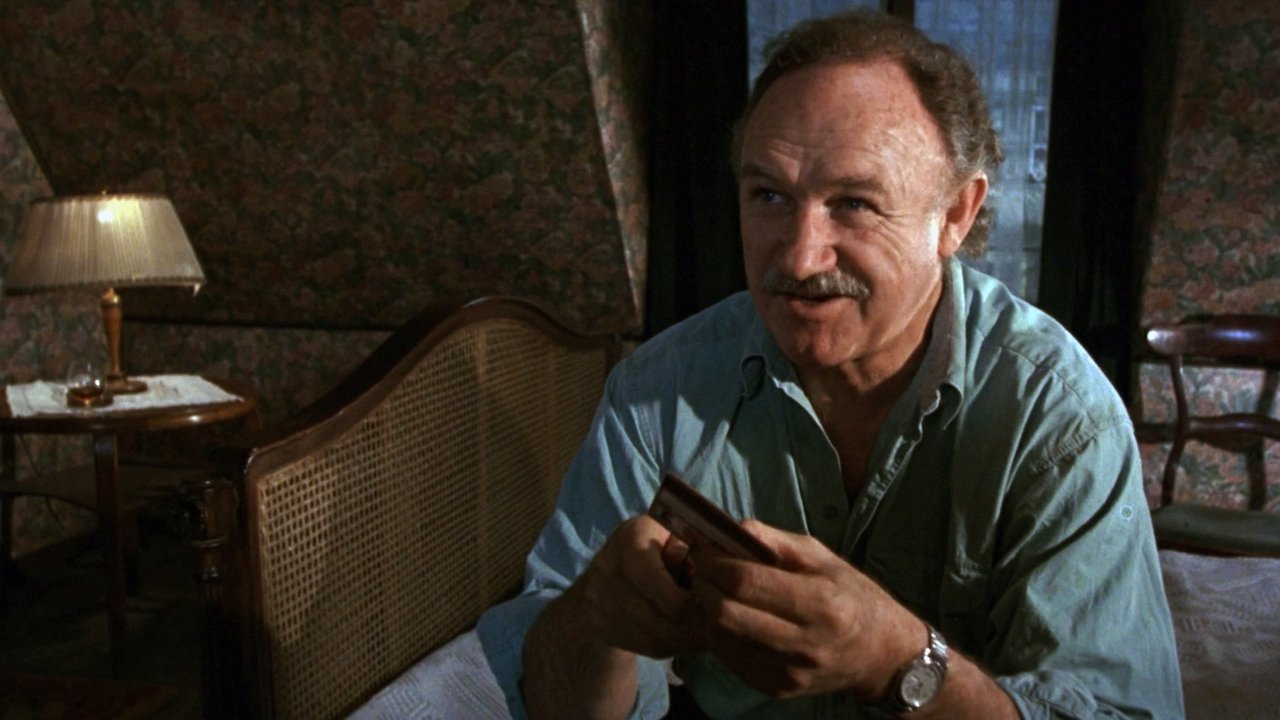
The film truly rests on the shoulders of its two leads. Hackman is, well, Hackman. He brings that unparalleled ability to convey world-weariness, quiet competence, and simmering frustration often directed at bureaucratic idiocy – here personified by the reliably sharp Kurtwood Smith as Boyd's handler. Hackman’s Boyd isn't a superspy; he’s a mid-level manager in a dangerous business, tired of the paperwork and the politics. You feel the weight of years of compromised ideals in his performance.
The real curiosity, of course, is Baryshnikov. Primarily known for his breathtaking ballet career and perhaps White Nights (1985), casting him as a hardened KGB operative felt like a gamble. Yet, he pulls it off with a surprising degree of cynical charm and understated physical presence. He doesn’t try to match Hackman’s seasoned grit; instead, he offers a different flavour of disillusionment – wry, pragmatic, and perhaps more adaptable to the shifting sands than his American counterpart. Their interactions, full of suspicion slowly melting into grudging respect, form the core of the film's appeal. It’s less about action fireworks and more about the quiet moments of understanding between two men who defined their lives by a conflict that no longer defines the world.
### Meyer's Muted Vision
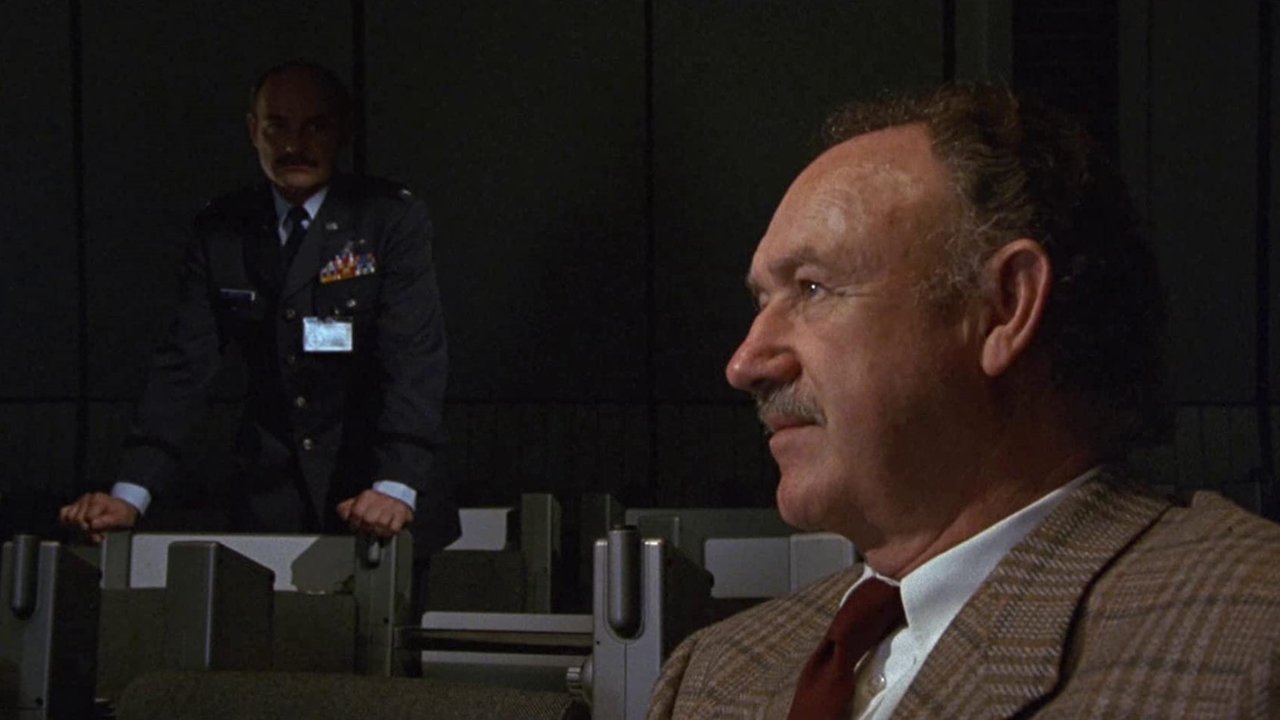
Behind the camera was Nicholas Meyer, a director and writer many of us knew from the intelligent genre highs of Time After Time (1979) and, most notably, Star Trek II: The Wrath of Khan (1982) and Star Trek VI: The Undiscovered Country (1991) – the latter itself dealing with the end of a fictional Cold War analogue. Knowing Meyer's pedigree raises expectations for sharp plotting and thematic depth. Company Business, however, feels somewhat muted compared to his best work. The pacing can meander, and the plot, involving missing funds and layers of agency betrayal, sometimes feels less like a taut thriller and more like an existential shrug.
Interestingly, the film's original working title was reportedly "Dinosaurs." It’s a title that perfectly encapsulates the movie’s central theme: these spies, Boyd and Grushenko, are creatures of a bygone era, struggling to navigate a landscape where their skills and lifelong enmities are suddenly irrelevant. Meyer leans into this melancholy, but the script occasionally struggles to balance the character study with the demands of the spy genre, resulting in a tone that feels slightly uneven – not quite funny enough to be a dark comedy, not quite tense enough to be a gripping thriller.
### Berlin Blues and Box Office Woes
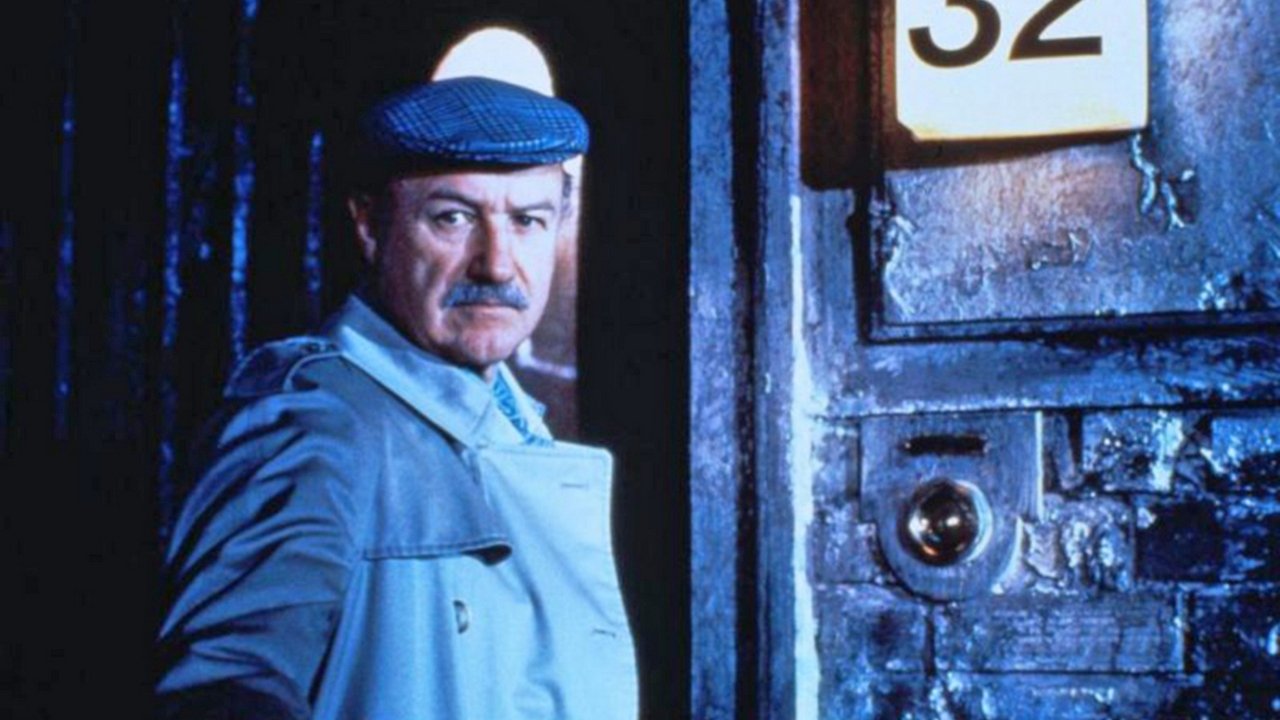
Filming on location in Berlin and elsewhere in Europe shortly after the Wall's fall lends an undeniable authenticity. The grey, uncertain atmosphere of the city mirrors the characters' own disorientation. Yet, this timeliness might have also been its commercial undoing. Released into a world eager to move past the Cold War narrative, a film dissecting its dying embers, budgeted at a respectable $18 million, sadly tanked at the box office, reportedly pulling in only about $1.5 million domestically. Perhaps audiences weren't ready for a spy film that felt less like a triumphant conclusion and more like a quiet, slightly bewildered epilogue. I remember seeing this one on the shelf at the local video store, the cover art promising a certain kind of Hackman intensity, but the film itself delivered something... quieter, more contemplative.
### A Forgotten Footnote Worth Finding?
So, why revisit Company Business? It’s certainly no lost masterpiece. Its plot mechanics creak a bit, and it never fully commits to being one specific thing. But for fans of Hackman, it’s another reliably strong performance. For those intrigued by Baryshnikov's acting ventures, it’s a solid and perhaps surprising showcase. And for anyone fascinated by that specific, fleeting moment in history – the immediate aftermath of the Cold War – the film captures a unique mood of uncertainty and obsolescence. It’s a character piece disguised, somewhat imperfectly, as a spy thriller.
Rating: 6/10
The score reflects a film elevated significantly by its lead performances and its intriguing, if melancholic, thematic concerns. Hackman and Baryshnikov deliver, grounding the sometimes-unfocused narrative. However, the uneven tone and lack of genuine thrills prevent it from reaching the heights of the genre or Meyer's own best work. It earns its points for being a thoughtful, atmospheric snapshot of a very specific historical moment, carried by two pros navigating the end of their world.
Final Thought: It’s a quiet echo from the VHS shelves, a reminder that even as walls came down, some ghosts of the Cold War lingered, wondering where to go next.