What price would you pay for the world? Not in dollars, or power, but in the currency of the soul – in faith, sanity, and everything you hold dear? This isn't a question posed by a typical Cold War thriller, though the threat of annihilation hangs heavy. Instead, it’s the haunting core of Andrei Tarkovsky's devastatingly beautiful final film, The Sacrifice (1986). Finding this tape on the rental shelf, perhaps nestled between action flicks and horror staples, was often an act of cinematic chance-taking back in the day. Popping it into the VCR wasn't about escapism; it was an invitation to confront something profound, something that settles in your bones long after the static hiss of the tape rewinding.
A Birthday Shadowed by Doom
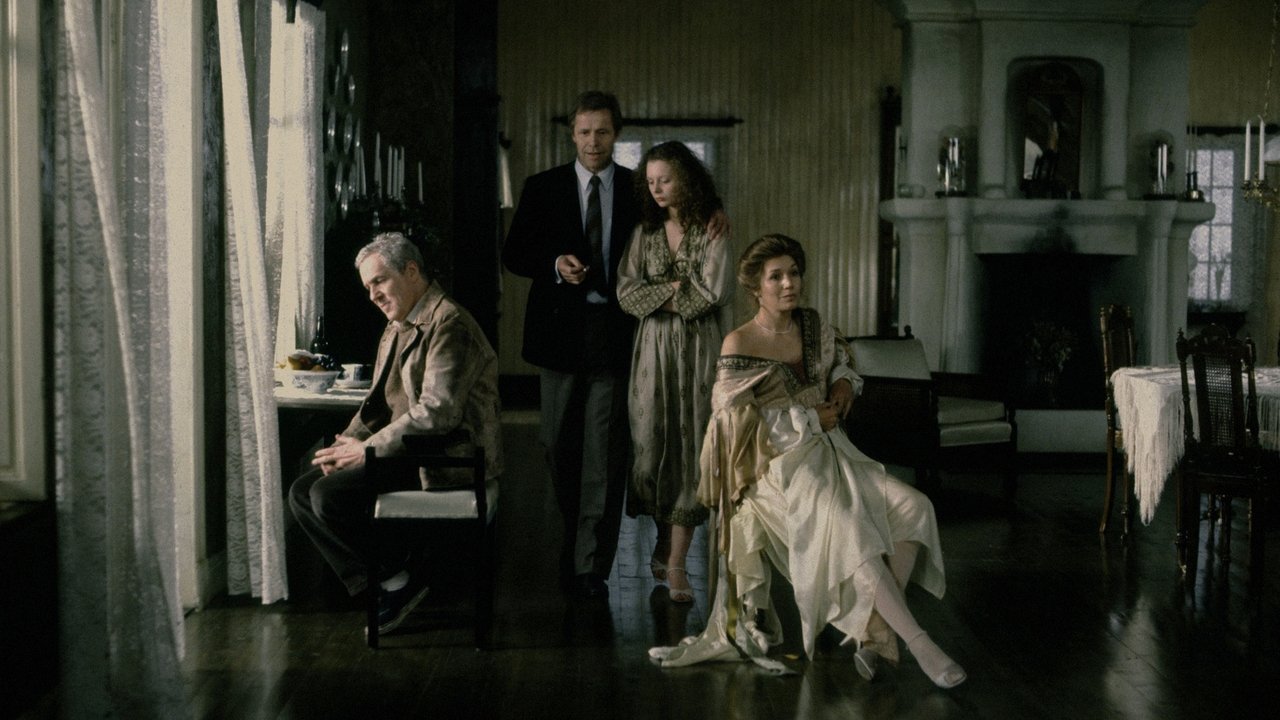
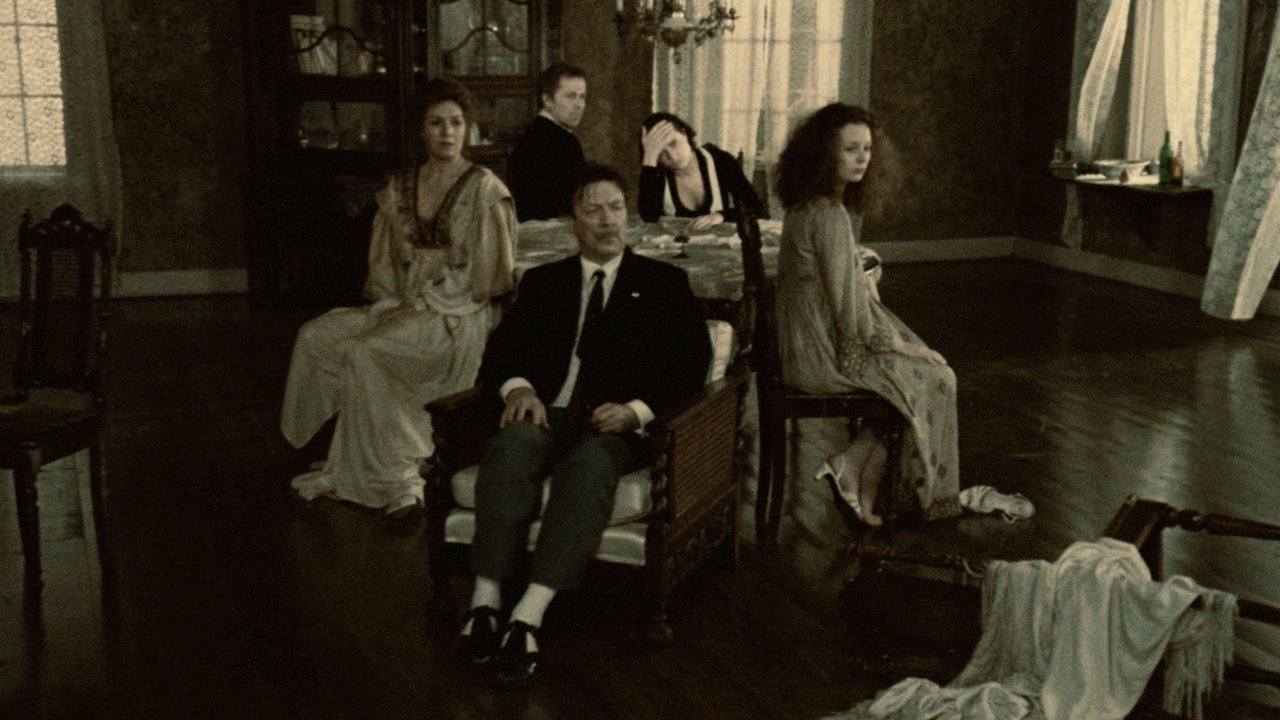
The film unfolds on a remote Swedish island, centering on Alexander (Erland Josephson), an aging intellectual, writer, and former actor celebrating his birthday with family and friends. The atmosphere, even before the dreadful news arrives, is thick with unspoken tensions and a certain melancholic beauty, captured exquisitely by legendary cinematographer Sven Nykvist (a frequent collaborator with Ingmar Bergman, whose influence feels present). When crackling radio reports announce the unthinkable – imminent nuclear war – the veneer of civilization cracks. Panic, despair, and philosophical resignation ripple through the small gathering. It’s amidst this existential terror that Alexander makes his desperate pact: he vows to renounce everything he loves, his family, his home, even his ability to speak, if only God will avert the apocalypse.
The Burden of Belief
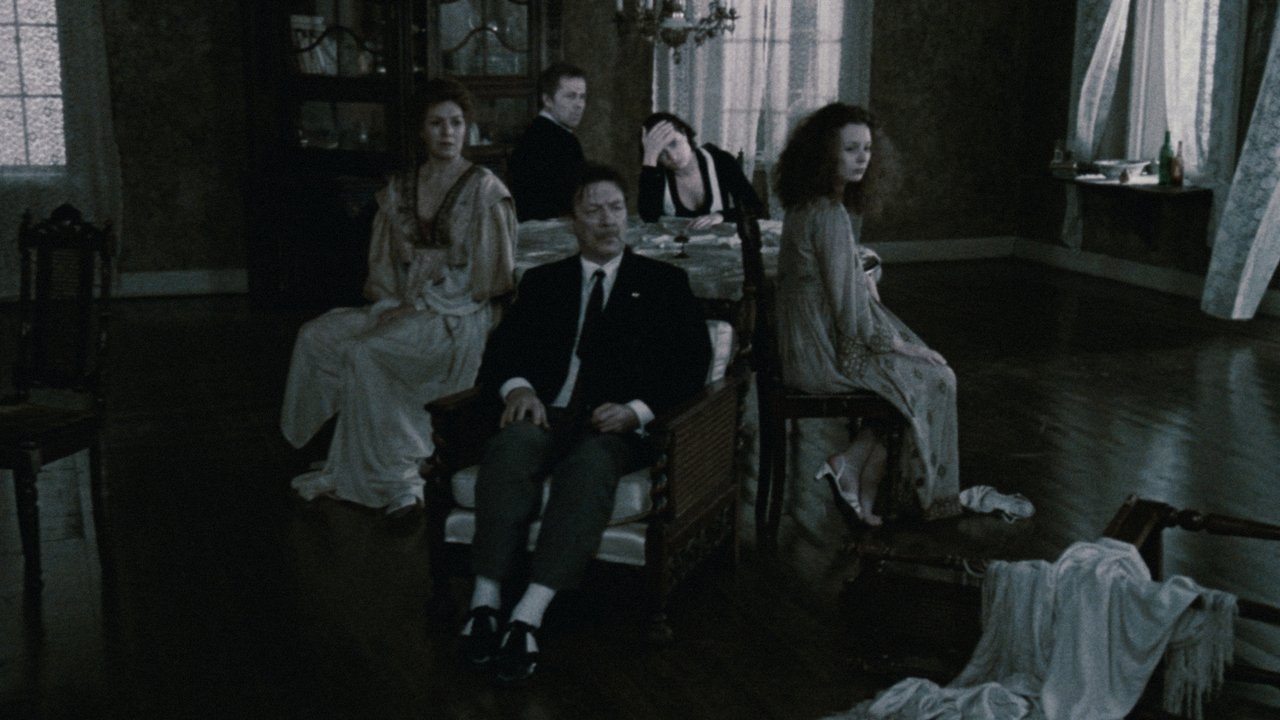
Tarkovsky, a director known for his deeply spiritual and philosophical explorations in films like Solaris (1972) and Stalker (1979), isn't interested in the mechanics of war, but in the landscape of the human spirit under ultimate duress. Alexander’s sacrifice isn't heroic in a conventional sense; it's agonizing, possibly futile, perhaps even bordering on madness. Erland Josephson, himself a veteran of Bergman's intense character studies, delivers a performance of staggering vulnerability. We see the intellectual wrestling with primal fear, the rationalist clutching at straws of faith. His anguish feels utterly authentic, the raw nerve endings of a soul laid bare. Supporting players like Susan Fleetwood as his distressed wife Adelaide and Allan Edwall as the enigmatic postman Otto, who offers cryptic advice, contribute significantly to the film's unsettling, dreamlike quality.
Sculpting with Time and Fire
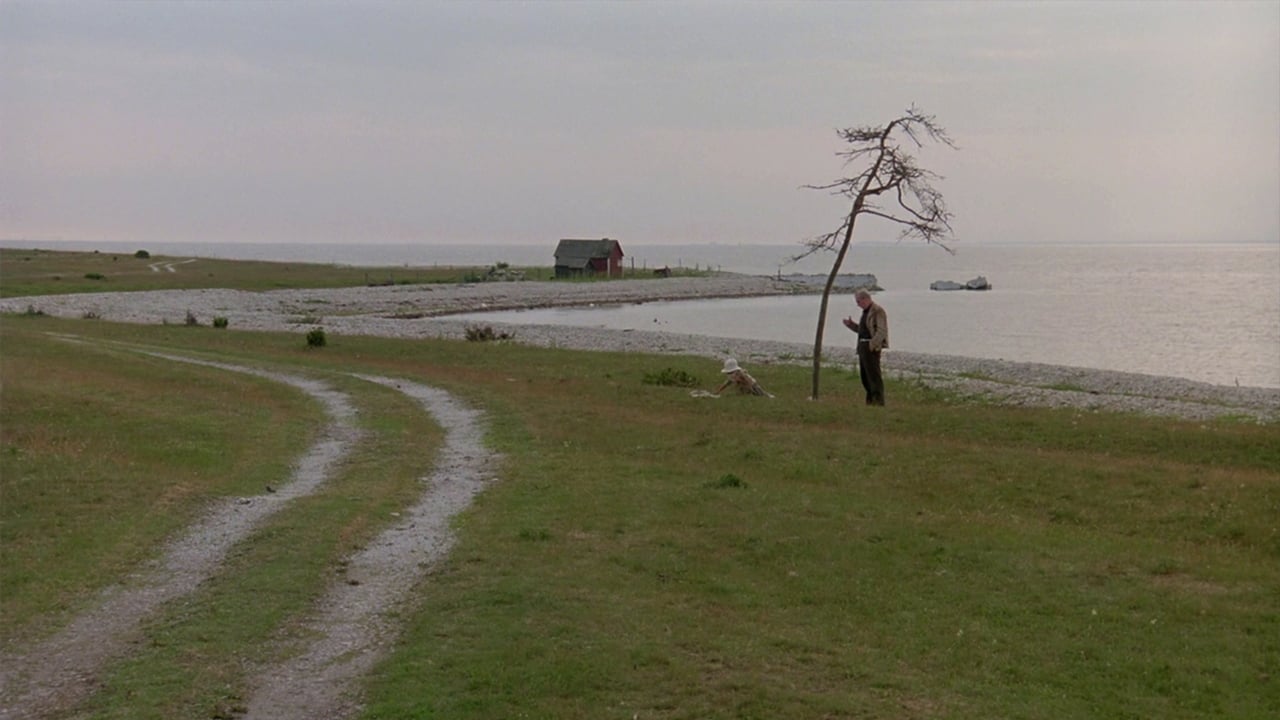
Watching The Sacrifice is an exercise in patience, rewarding contemplation. Tarkovsky employs his signature long takes, shots that linger, forcing us to observe, to feel the weight of time passing as the characters grapple with their fate. The compositions are painterly, meticulously crafted, turning the stark Swedish landscape into a character itself. This deliberate pacing, so different from the rapid-fire editing often found in 80s cinema, allows the themes to resonate deeply. It demands your attention, drawing you into Alexander’s psychological and spiritual ordeal.
This commitment to artistic vision famously extended to the production itself, marked by an almost mythic intensity. Tarkovsky was gravely ill with cancer during the making of the film (it would tragically be his last) and was working in exile from his native Soviet Union. This profound personal context – facing his own mortality while crafting a story about sacrifice for the world's continuation – imbues the film with an almost unbearable poignancy. It's dedicated to his son, Andriosha, "with hope and confidence."
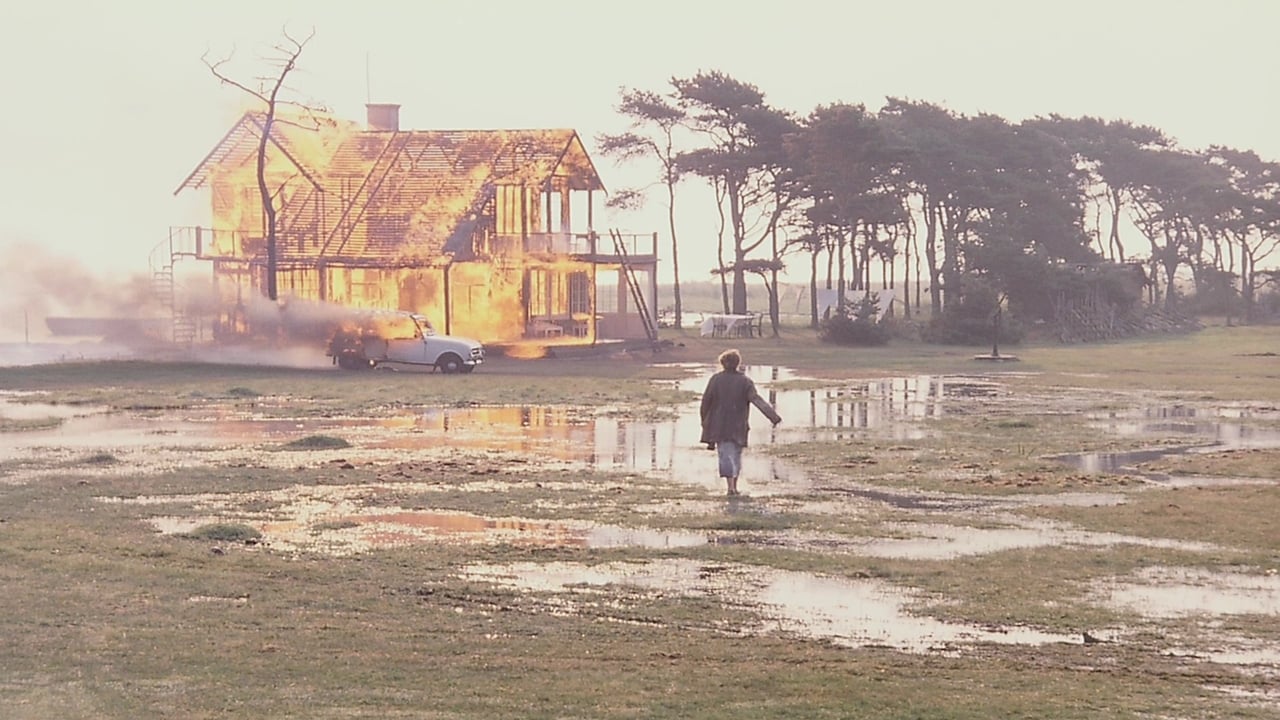
Perhaps the most legendary story involves the climactic burning of Alexander's house, a sequence meant to represent the finality of his sacrifice. In a devastating mishap, Sven Nykvist's camera jammed during the first attempt, capturing none of the meticulously prepared, single-take destruction. With the light fading and immense pressure mounting, the crew worked frantically through the night to rebuild the facade enough for a second attempt at dawn. Imagine the tension, the desperation! They succeeded, capturing one of cinema's most unforgettable and symbolically charged images, but the story remains a testament to the harrowing lengths Tarkovsky and his team went to realize his vision. Filming on the remote island of Gotland further isolated the production, amplifying the film's themes of separation and introspection.
An Enduring, Unsettling Masterpiece
The Sacrifice wasn't destined for multiplex success or mountains of merchandise. Its initial run garnered critical acclaim, including the Grand Prix at the 1986 Cannes Film Festival (which Tarkovsky was too ill to accept in person), but it remained firmly in the realm of art house cinema. Finding it on VHS felt like uncovering a hidden, potent truth. It’s a film that doesn't offer easy answers. Does Alexander's sacrifice work? Is Otto merely a facilitator, or something more? What does the ambiguous ending truly signify? Tarkovsky leaves these questions hanging, trusting the viewer to engage with the film's deep spiritual and philosophical currents. It challenges our notions of faith, reason, and the very nature of meaningful action in a world teetering on the brink.
Rating: 9/10
This score reflects the film's undeniable power as a piece of cinematic art. The direction is masterful, the central performance is deeply affecting, and Nykvist’s cinematography is breathtaking. It’s a profound, visually stunning meditation on ultimate themes. However, its deliberately slow pace and demanding nature mean it requires significant investment from the viewer; it's not casual viewing, hence docking a single point for sheer accessibility within the broader VHS landscape. Its artistic merit, though, is virtually unimpeachable.
The Sacrifice remains a challenging, deeply rewarding experience. It’s a film that truly feels like a final testament, heavy with the weight of the world and the quiet desperation of hope. What lingers most isn't necessarily the plot, but the atmosphere of hushed dread pierced by moments of aching beauty, and the enduring question: when faced with the end, what truly matters?