Okay, settle back into that worn spot on the couch, maybe adjust the tracking just so in your mind's eye. Tonight on VHS Heaven, we're pulling a tape from that slightly more adventurous section of the old video store shelf: Tinto Brass's sun-drenched, provocative 1985 offering, Miranda. Forget explosions and car chases; the 'action' here is of a distinctly different, very Italian, and undeniably 80s vintage.

You wouldn't necessarily expect a steamy slice of mid-80s Italian erotica to trace its lineage back to an 18th-century comedy, but there you have it. Miranda is loosely based on Carlo Goldoni's classic play La locandiera (The Mistress of the Inn). This connection is perhaps the first fascinating layer to peel back – a "Retro Fun Fact" that hints at the film's playful, almost theatrical structure beneath its more obvious sensual surfaces. It’s a clever nod, grounding the film’s explorations of female desire in something classical, even as Brass, Italy's maestro of cinematic flesh (infamous for Caligula (1979) and fresh off The Key (1983)), steers it into decidedly more explicit territory.
### The Innkeeper's Tale
Set in the picturesque Po Valley shortly after World War II, the premise is simple: Miranda (Serena Grandi) runs a local tavern while awaiting news of her husband, missing since the war. Is he alive? Dead? While pondering his fate, she doesn't exactly sit idle. Miranda engages in dalliances with three distinct suitors: Norman, a pragmatic American engineer (Andy J. Forest), Carlo, a wealthy, older diplomat (Franco Interlenghi, a veteran Italian actor), and Berto, a young, virile truck driver (Andrea Occhipinti). Each relationship explores a different facet of desire and connection, all filtered through Miranda's unapologetic embrace of her own sexuality.
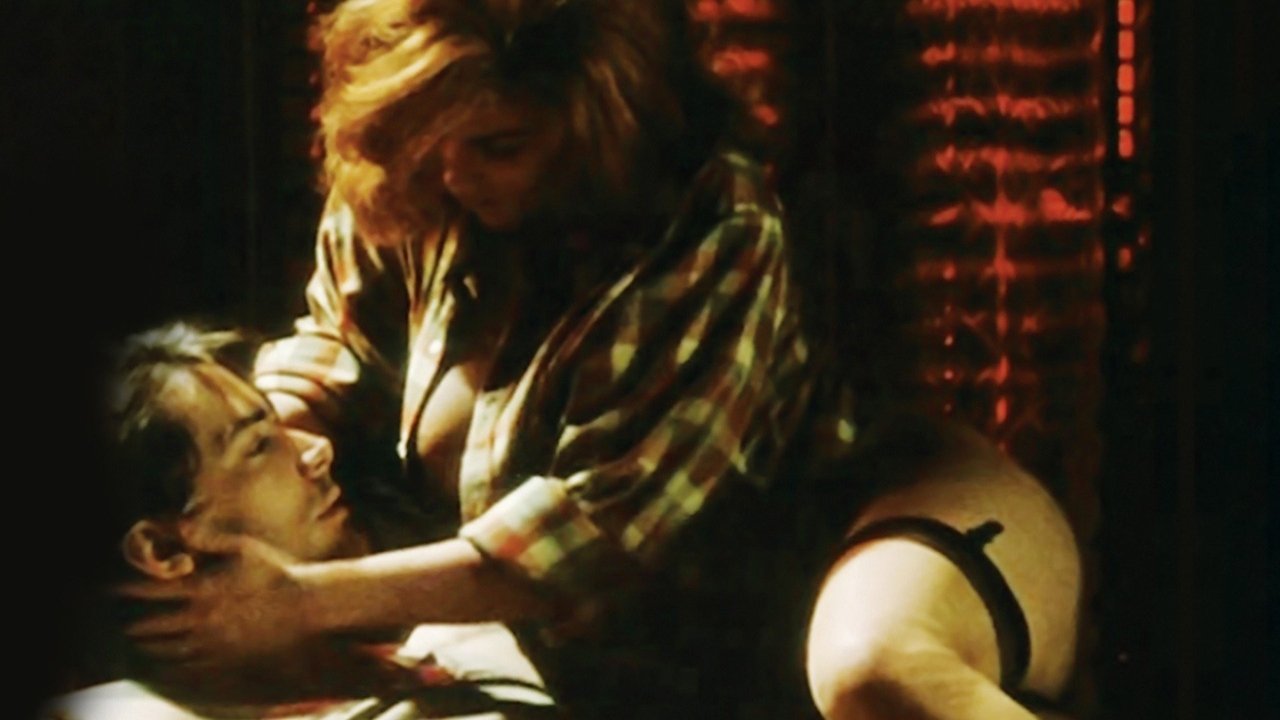
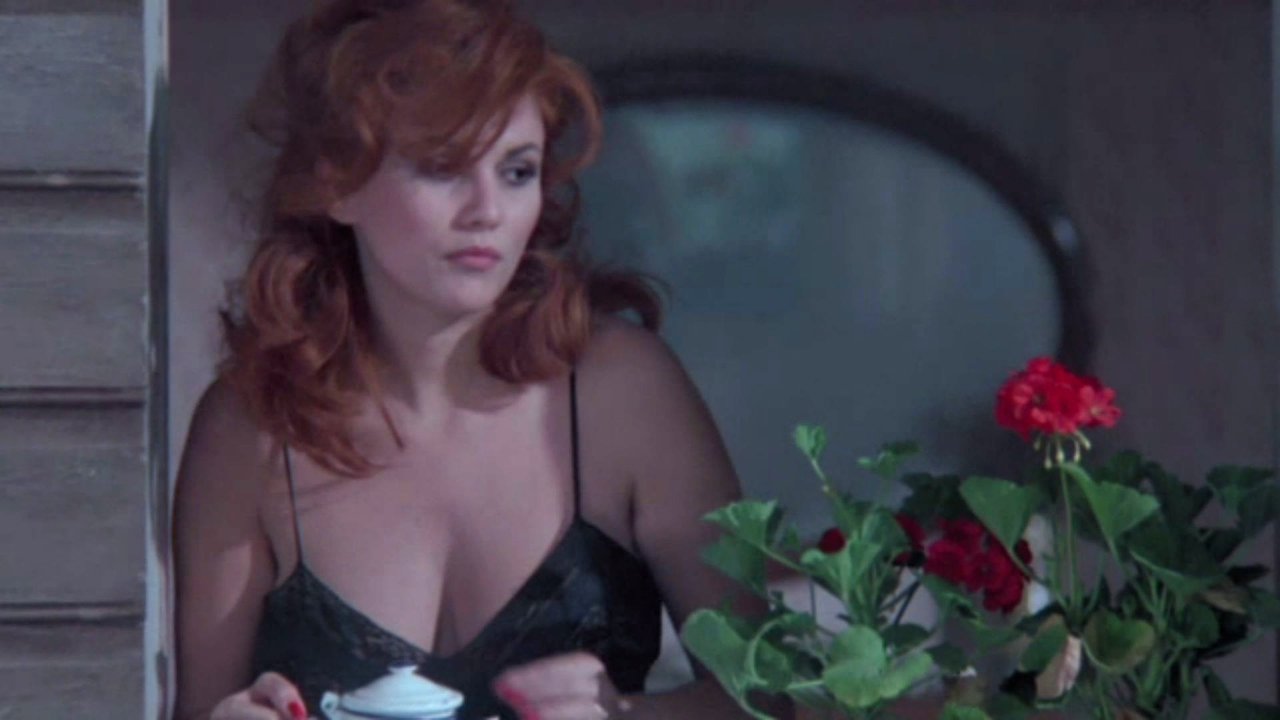
Serena Grandi, in the role that instantly cemented her as a major Italian sex symbol of the decade, is the undeniable centerpiece. It's impossible to discuss Miranda without focusing on her magnetic, voluptuous presence. Brass's camera famously adores the female form, and Grandi becomes his primary subject, often framed in lingering close-ups or through voyeuristic angles (mirrors are practically a supporting character in a Brass film!). Yet, Grandi brings more than just physicality; there's a knowing confidence, a playful spark in her eyes that elevates Miranda beyond mere objectification. She's clearly in control of her choices, navigating the attentions of her suitors with a self-aware charm. This film made her career, virtually overnight.
### Brass Tacks: Style Over Substance?
Let's talk about the Tinto Brass effect. Forget gritty realism; this is heightened, sun-kissed sensuality. The cinematography often feels like a warm, slightly hazy dream, emphasizing textures, skin, and the rustic beauty of the Italian countryside setting. This wasn't about complex narratives or deep character arcs in the conventional sense. Brass was crafting visual celebrations of eroticism, often with a cheeky, almost comedic undertone. The 'practical effects' here aren't explosions, but the deliberate framing, the focus on specific body parts, the way light hits skin – techniques designed to provoke a very direct, visceral reaction in the viewer. Remember watching something like this back then? It felt worlds away from Hollywood prudishness, a glimpse into a more open, European sensibility, even if viewed on a fuzzy, perhaps slightly illicit, VHS copy.
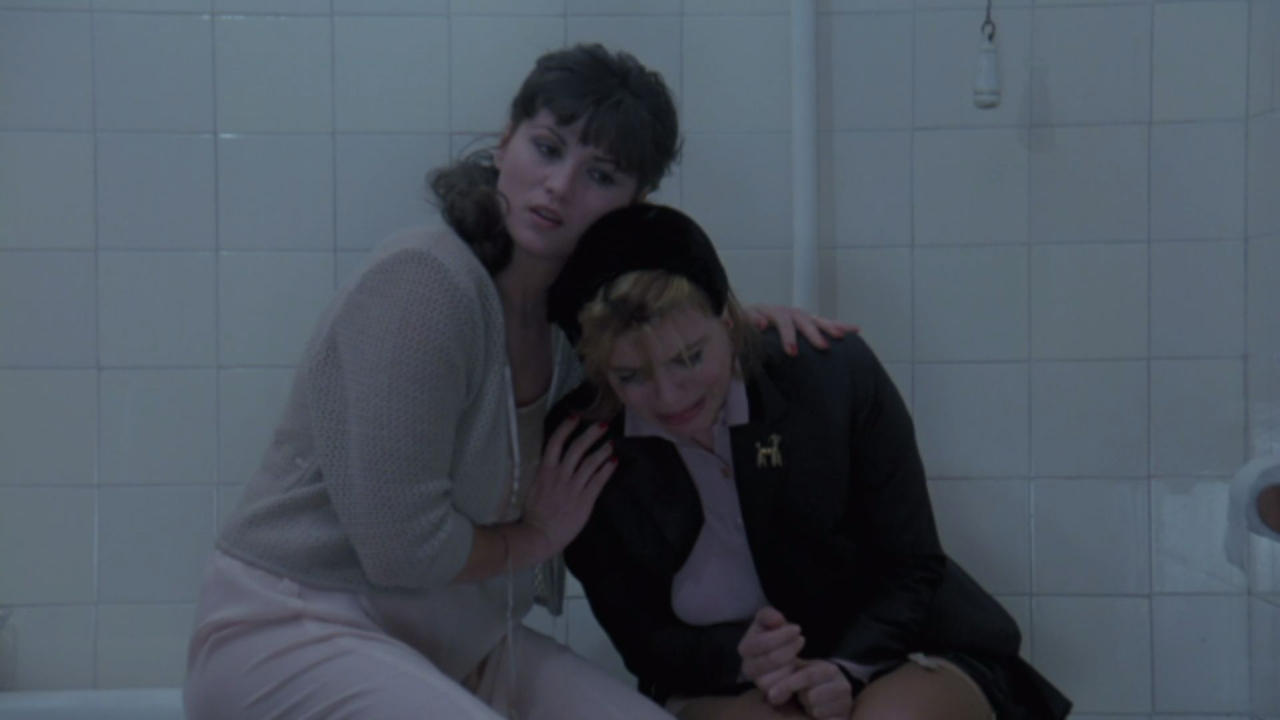
While some might dismiss it as pure exploitation (and let's be honest, the male gaze is strong here), there's an artistry to Brass's approach that sets it apart from cruder fare. There's a deliberate composition, a rhythm to the editing, and often, a surprisingly upbeat, almost whimsical score that contrasts with the nudity. It’s a film that wants you to enjoy looking, without shame or apology. For its time, especially finding this on tape outside of major art-house circles, it felt daring, a push against the lingering conservatism of the early 80s. It certainly wasn't aiming for critical plaudits in the Anglosphere, but it found its audience, becoming a significant cult video hit across Europe and among adventurous renters elsewhere.
### More Than Just Skin Deep?
Does Miranda offer profound insights? Perhaps not in the way a Bergman film does. But it does present a portrait of a woman actively exploring her desires, making choices based on her own needs and whims, which felt somewhat refreshing amidst the often simplistic portrayals of female sexuality in mainstream 80s cinema. The Goldoni source material lends it a structure – the suitors representing different archetypes – that adds a touch of narrative discipline to Brass's visual preoccupations.
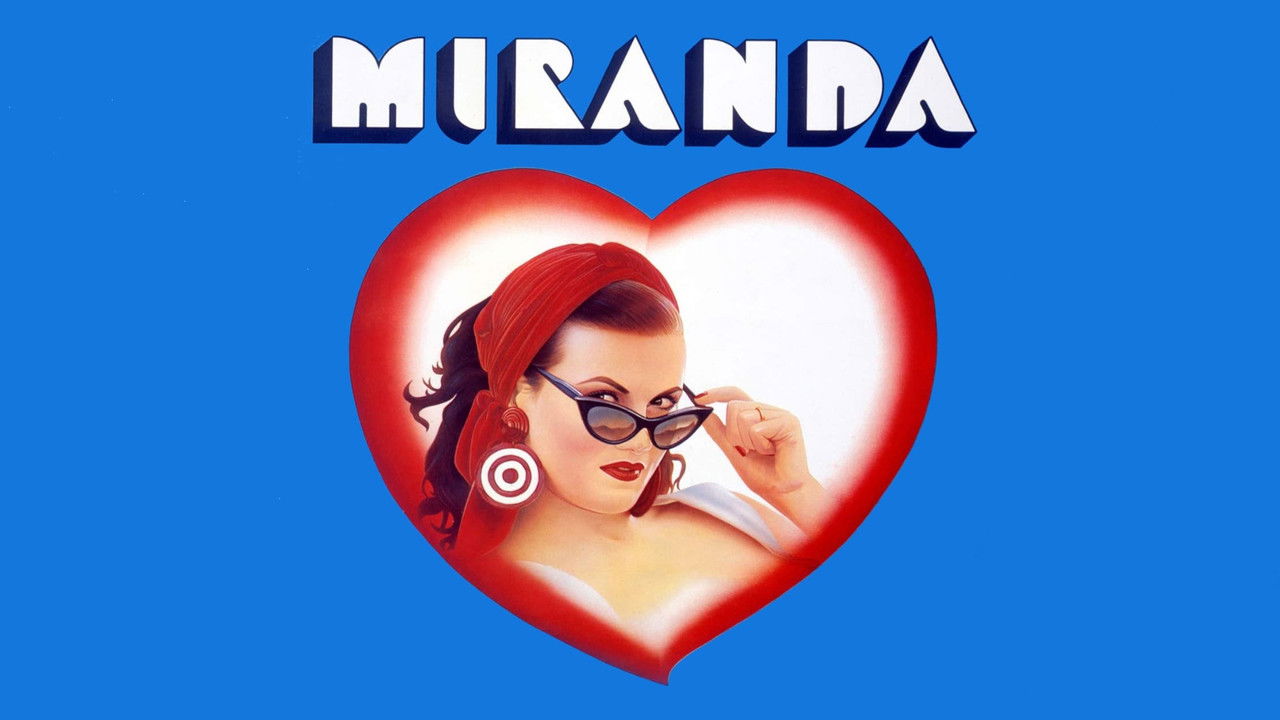
The supporting cast does its job, mainly orbiting Grandi. Andrea Occhipinti provides youthful energy, while Franco Interlenghi brings a touch of seasoned gravitas. The dialogue is functional, serving mostly to move Miranda from one encounter to the next. It's the visual language that truly dominates. I distinctly remember the cover art for this tape being ubiquitous in certain video store sections – promising exactly the kind of European arthouse-meets-erotica vibe it delivered.
Rating: 6/10
The Score Explained: Miranda isn't high art, nor is it trying to be. It's a Tinto Brass film, and judged on those terms – as a stylish, unapologetically sensual, and visually focused piece of 80s Euro-cult cinema – it largely succeeds. Serena Grandi is captivating, the visuals are distinctively Brass, and its connection to Goldoni adds an unexpected wrinkle. It loses points for narrative thinness and a perspective that some will find dated or objectifying. However, for fans of this specific niche, or those seeking a potent dose of 80s Italian cinematic sensuality, it delivers exactly what it promises.
Final Thought: Forget gritty realism; Miranda is pure 80s Euro-erotic escapism, best viewed with an appreciation for its specific, sun-drenched aesthetic and the formidable screen presence it unleashed in Serena Grandi – a true VHS-era curio.