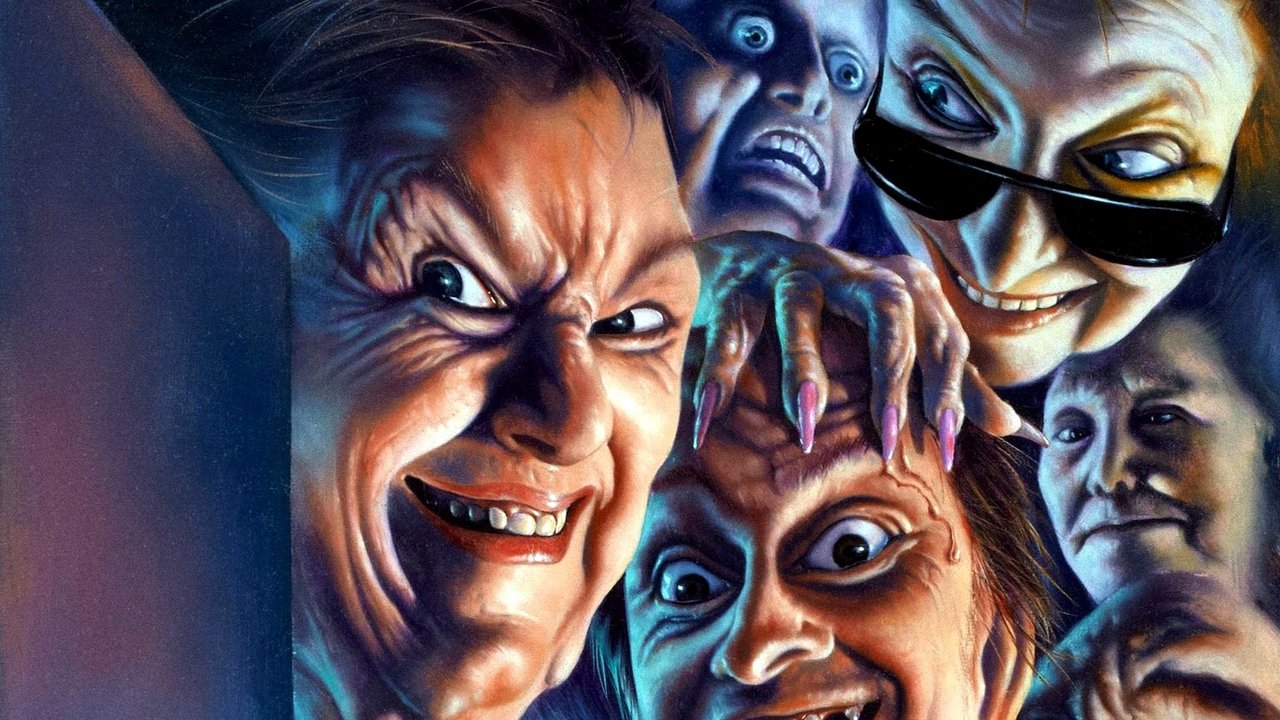
Okay, fellow tapeheads, dim the lights, maybe crack open a Jolt Cola if you can still find one, and let's rewind to a truly unique slice of late-80s horror heaven: Waxwork (1988). This wasn't the kind of movie that dominated the multiplexes, oh no. This was the kind of gem you unearthed in the glorious, sprawling aisles of the video store, maybe drawn in by the slightly lurid cover art promising monsters and mayhem. And boy, did it deliver, albeit in its own wonderfully bizarre way.
### Step Right Up, Don't Be Shy!
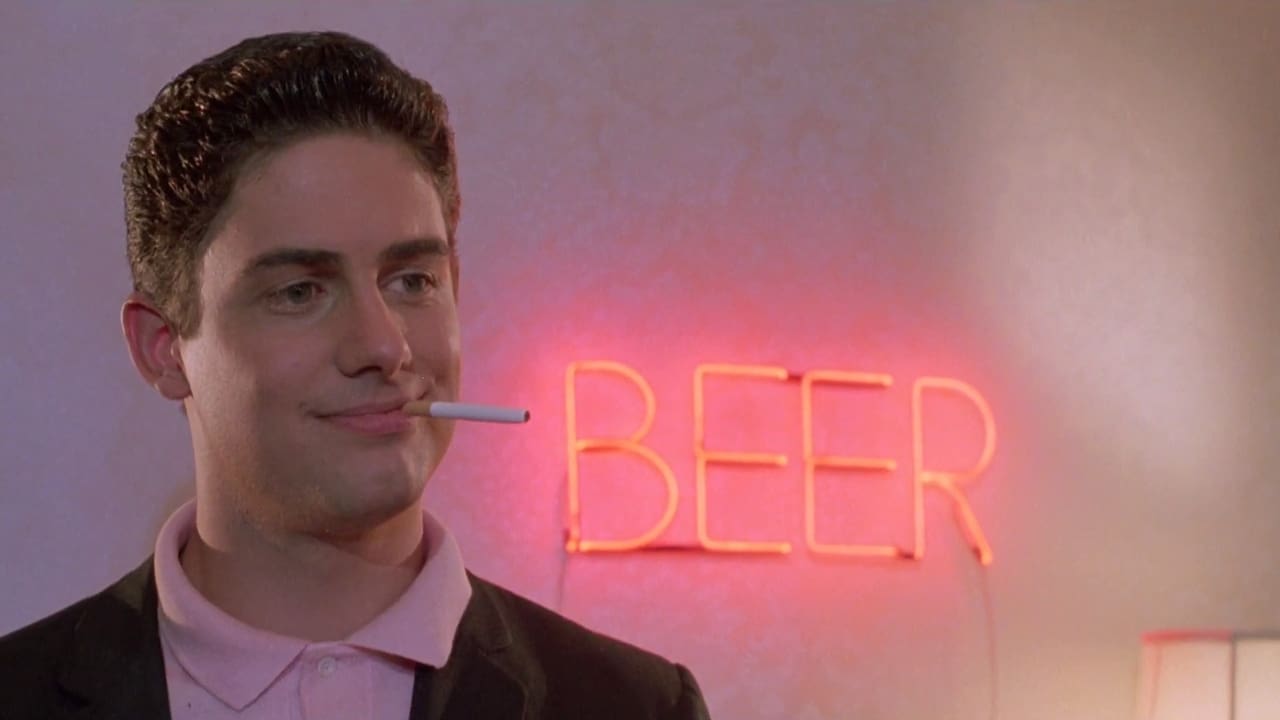
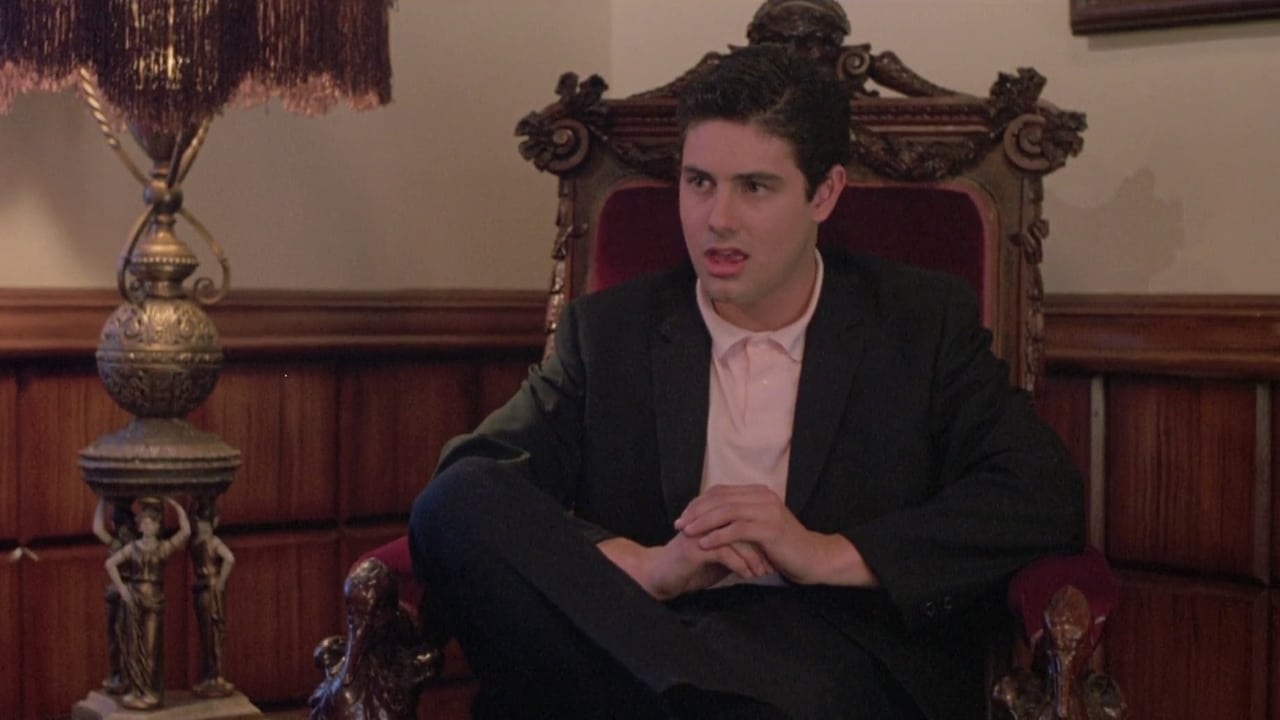
Waxwork throws us headfirst into a setup both classic and slightly absurd: a group of privileged college kids – Mark (a post-Gremlins Zach Galligan), Sarah (Deborah Foreman, forever our Valley Girl), China (Michelle Johnson), and Tony (Dana Ashbrook, soon to be Bobby Briggs in Twin Peaks) – stumble upon a mysterious new wax museum that pops up overnight. The proprietor, the impeccably sinister Mr. Lincoln (David Warner, radiating pure class and menace as only he can), invites them to a private midnight viewing. The catch? Stepping across the velvet ropes transports you into the exhibit, turning you into a victim within its deadly historical or monstrous tableau. It’s The Twilight Zone meets Hammer Horror by way of a John Hughes movie, and it’s glorious.
### A Bloody Smorgasbord of Genre Fun
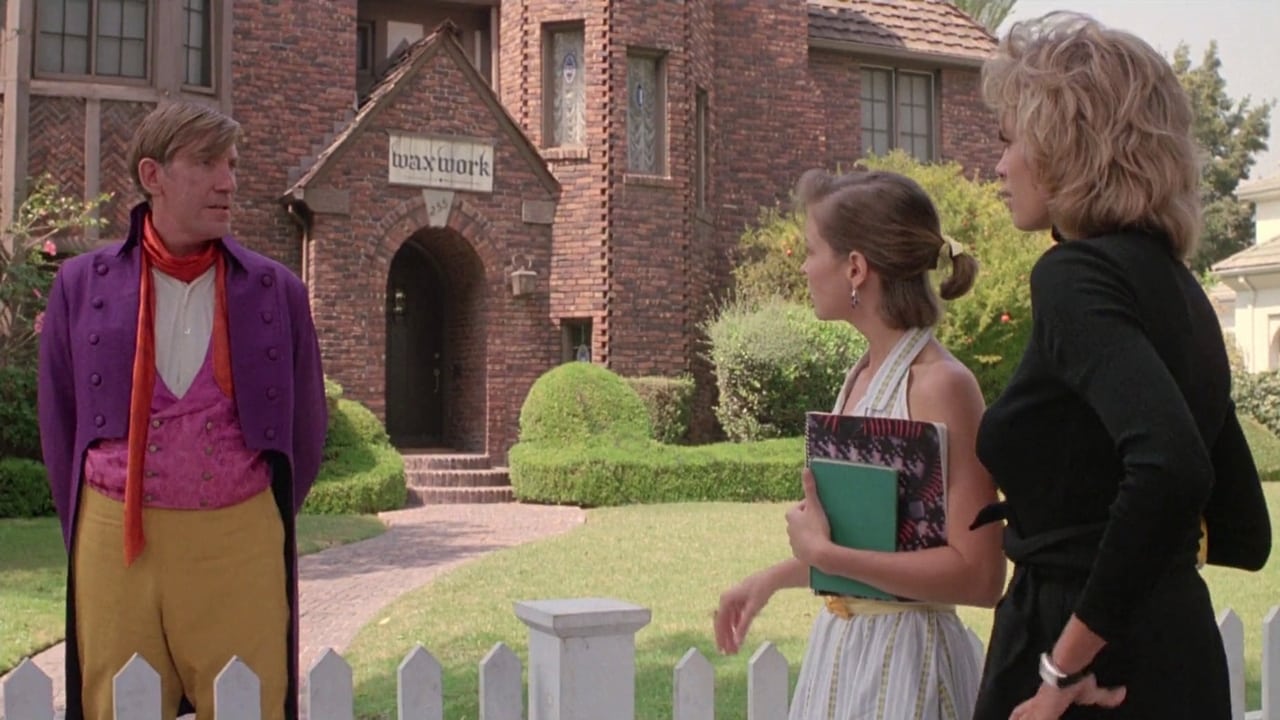
What makes Waxwork such a blast, especially viewed through the warm static glow of memory (or a decent digital transfer nowadays), is its sheer, unadulterated love for classic horror tropes. Writer-director Anthony Hickox (who’d later give us Hellraiser III: Hell on Earth and the quirky Sundown: The Vampire in Retreat) isn't just making a horror movie; he's throwing a party and inviting all his favorite monsters. Forget subtlety; this film dives headfirst into distinct, gory vignettes.
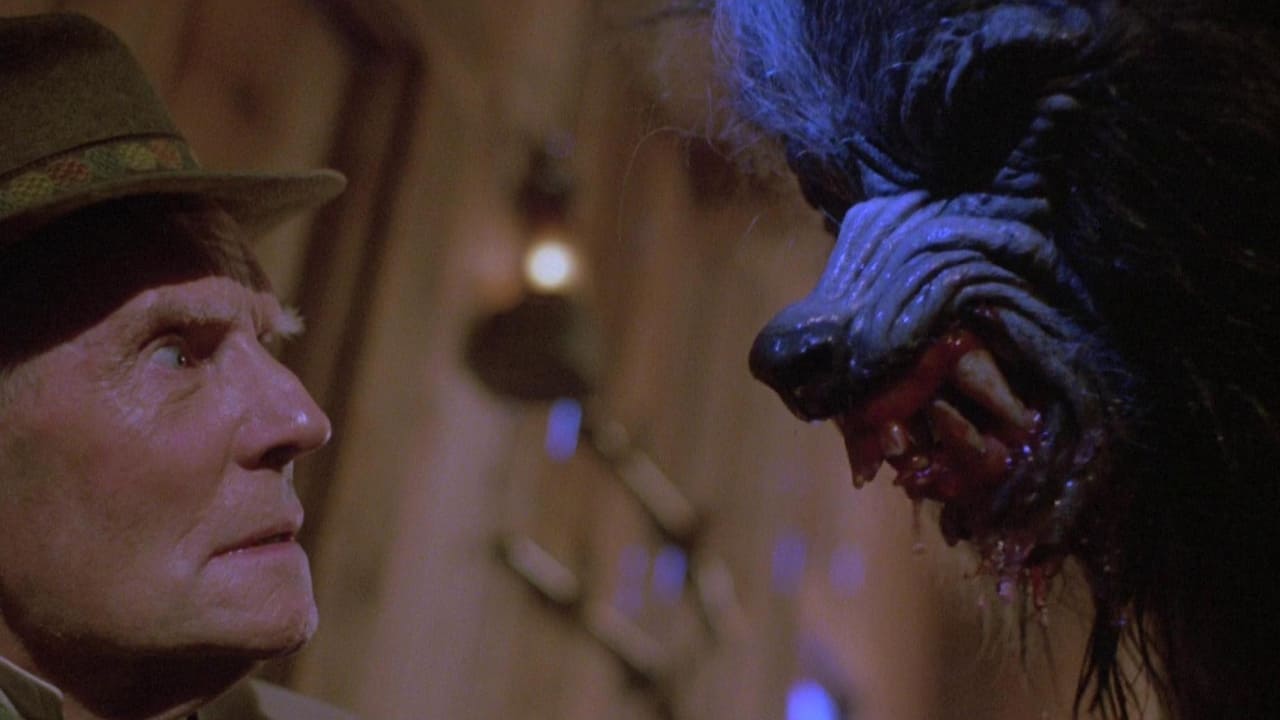
One minute, Tony is battling a surprisingly hairy and vicious werewolf in a moonlit forest (remember how visceral those transformation effects felt back then, all stretching skin and popping joints?), the next, China is getting seduced (and messily dispatched) in a lavish vampire castle that feels ripped straight from a classic Universal or Hammer production. There’s a mummy sequence, a trip into a black-and-white zombie nightmare clearly homaging George A. Romero's Night of the Living Dead (1968), and even a run-in with the Marquis de Sade (J. Kenneth Campbell, chewing the scenery with delightful relish).
Retro Fun Fact: Each vignette was designed to feel like a mini-movie tapping into a different horror subgenre. Hickox reportedly wanted to ensure that if audiences didn't like one sequence, they might enjoy the next. It gives the film an anthology feel, even within its overarching plot.
### Practical Magic and 80s Charm
Let's talk effects, because that's where Waxwork truly shines with that unmistakable 80s B-movie magic. This was the era of latex, Karo syrup blood, and ingenious practical solutions. The werewolf transformation, while perhaps not An American Werewolf in London (1981) level, has a raw, painful energy. The vampire sequence is surprisingly bloody – heads roll, fountains of crimson erupt – with a palpable, messy physicality that modern CG often lacks. Seeing real squibs pop, real (stunt) bodies fall, real sets get trashed... it just felt different, didn't it? There’s an inherent grittiness, an understanding that what you were seeing was physically created, often under tight budget constraints (Vestron Pictures, the distributor, was known for getting a lot of bang for their buck on the home video market).
Sure, some of the acting is a bit broad, and the dialogue occasionally dips into pure 80s cheese ("Don't you know smoking stunts your growth?"), but that's part of the charm! Galligan brings his likeable everyman quality, Foreman is a resourceful final girl, and Warner anchors the whole affair with effortless gravitas. Look out too for Patrick Macnee (Steed from The Avengers!) as Mark's concerned godfather, Sir Wilfred, who gets to deliver some crucial exposition and join the climactic fray.
### The Grand Finale (Almost)
The film culminates in an absolutely bonkers final battle within the waxwork itself, as historical figures and monsters break free for an all-out brawl against our heroes and some reinforcements. It's chaotic, inventive, and utterly over-the-top, featuring everything from axes and swords to shotguns and Uzi submachine guns. Think Night at the Museum but R-rated and fueled by pure monster-movie adrenaline.
Retro Fun Fact: The original script apparently called for an even bigger battle royale involving legions of historical villains resurrected by Lincoln. While much of this was scaled back for budget reasons, remnants of that ambition leak through in the sheer delightful chaos of the finale we got. It makes you wonder what might have been, but honestly, the existing climax is already pretty wild.
Waxwork wasn’t a critical darling upon release, often seen as uneven or tonally inconsistent. But for those of us prowling video store shelves, it became a beloved cult classic. It was weird, gory, funny, and packed with monsters – a perfect Friday night rental. Its mix of horror and comedy paved the way for more self-aware genre flicks in the 90s, and it even spawned a sequel, Waxwork II: Lost in Time (1992), which leaned even heavier into parody and time-travel shenanigans.
Rating: 7.5 / 10
Justification: Waxwork earns its score through sheer audacious fun, impressive practical gore effects for its budget, and an infectious love for horror history. It's undeniably cheesy in parts and the plot is pure B-movie pulp, but its creative vignettes, standout villain performance from David Warner, and gonzo finale make it a standout example of late-80s genre filmmaking. It knows exactly what it is and leans into it with gusto.
Final Thought: Forget pristine digital perfection; Waxwork feels most at home with a bit of tracking fuzz – a glorious, gory theme park ride through horror history that’s still a wickedly good time, especially if you remember when monsters felt satisfyingly messy.