### Memphis Nocturne
Some films unfold like perfectly plotted machines, every gear clicking precisely into place. Others drift like smoke through a quiet room, leaving behind impressions, feelings, and questions rather than neat conclusions. Jim Jarmusch's Mystery Train (1989) is definitively one of the latter. Watching it again after all these years, pulling that well-worn tape from its sleeve, feels less like revisiting a story and more like stepping back into a specific, hazy, late-night mood – a mood steeped in the melancholic allure of Memphis, Tennessee. It doesn't grab you by the lapels; it invites you to sit awhile, listen to the rhythm of the city, and observe the quiet intersections of disparate lives.
### Strangers on a Train (of Thought)
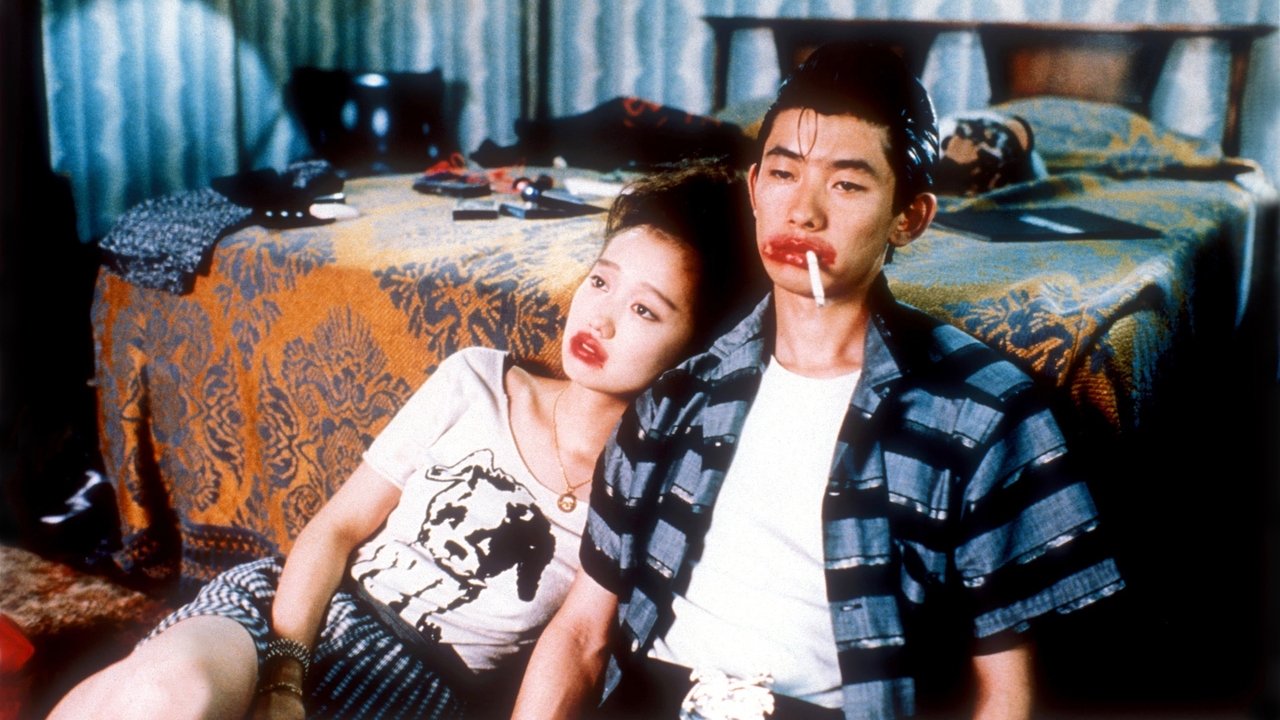
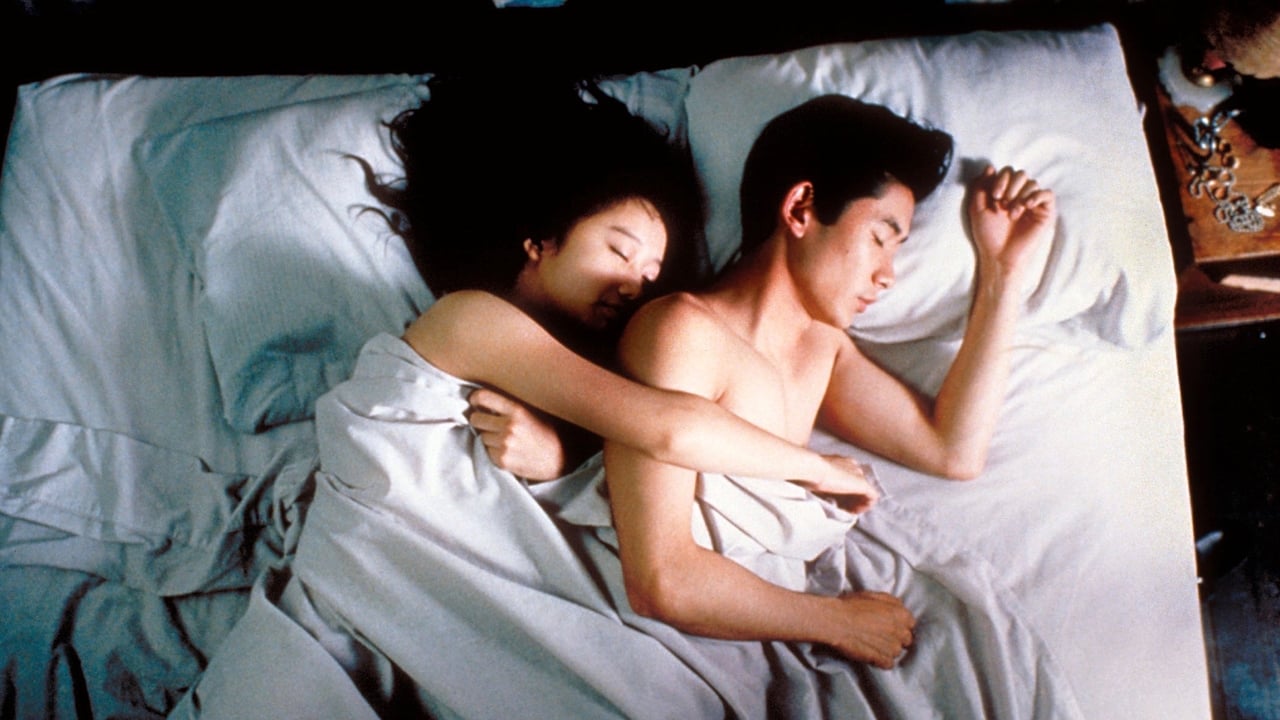
The film unfolds in three distinct but subtly interwoven vignettes, all converging over a single 24-hour period at the dilapidated Arcade Hotel. We first meet Jun and Mitzuko (Masatoshi Nagase and Youki Kudoh), a young Japanese couple obsessed with American rock 'n' roll, making their pilgrimage to the home of the blues and the King himself. Their wide-eyed fascination mixed with cultural dislocation is utterly charming. Nagase plays Jun with a cool, rockabilly-inflected reserve, while Kudoh's Mitzuko bubbles with an infectious, almost naive enthusiasm. Their interactions, often filtered through a slight language barrier and differing opinions on Carl Perkins versus Elvis, feel remarkably authentic. Jarmusch allows their conversations to meander, capturing that specific blend of excitement and alienation that travel often brings. I remember finding their dynamic so fresh back then – a far cry from the usual Hollywood depictions of tourists.
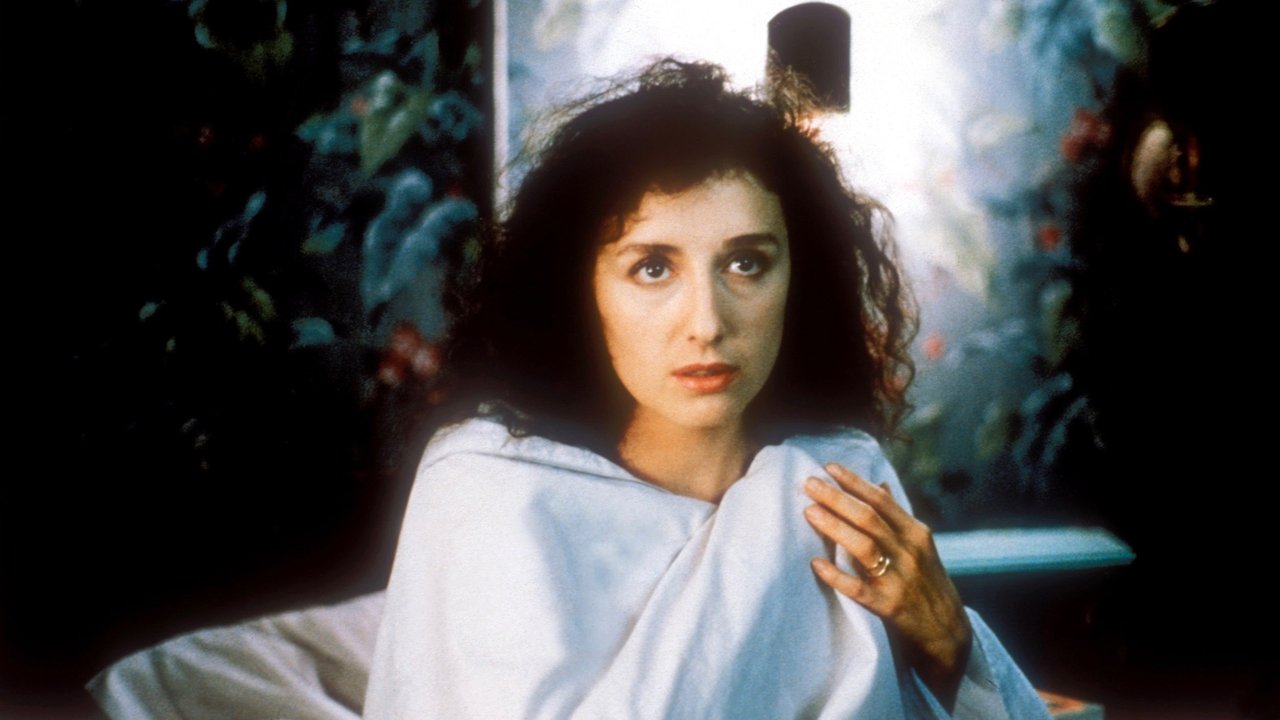
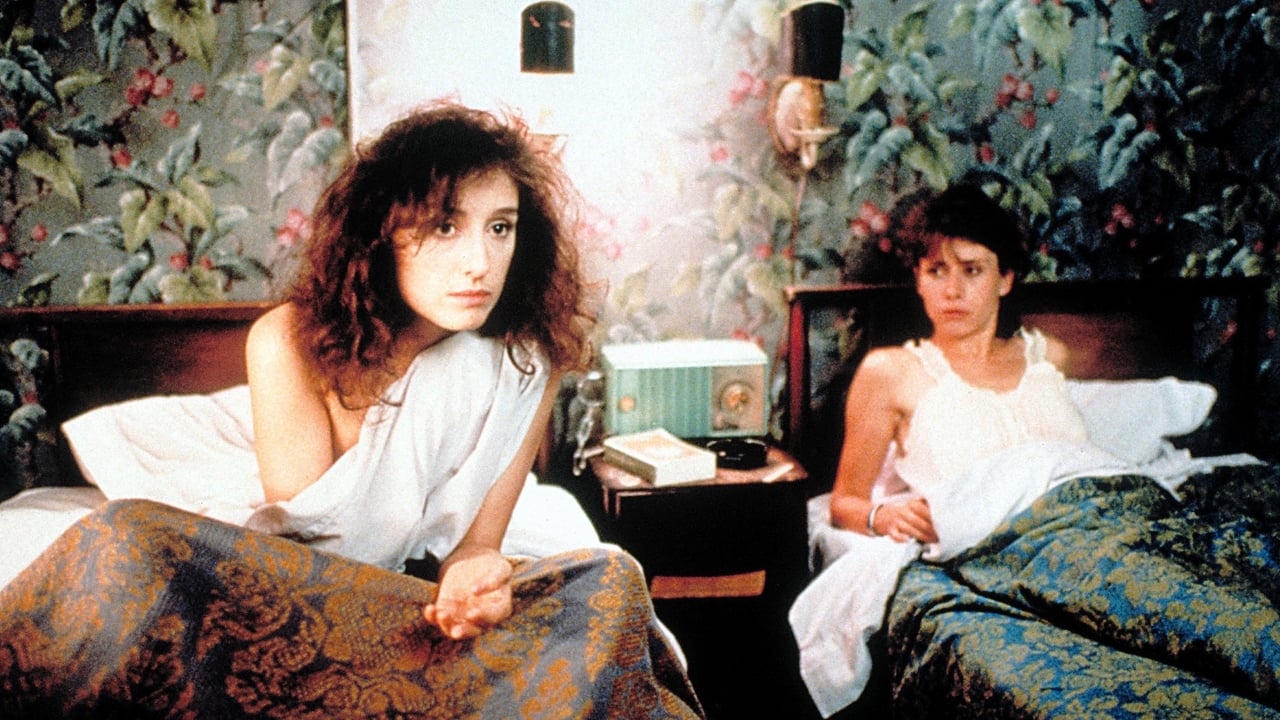
The second story, "A Ghost," follows Luisa (Nicoletta Braschi, Jarmusch's frequent collaborator and wife), an Italian widow stranded in Memphis overnight while escorting her husband's coffin back home. Forced to share a room with the chatty and recently dumped Dee Dee (Elizabeth Bracco), Luisa encounters what might be the ghost of Elvis Presley. Braschi conveys a world of weariness and quiet grief with minimal dialogue, her expressive eyes doing much of the heavy lifting. This segment dips into the surreal, playing with the city's pervasive Elvis mythology in a way that feels both poignant and slightly absurd. It’s less about scares and more about loneliness and the ghosts of the past – both personal and cultural.
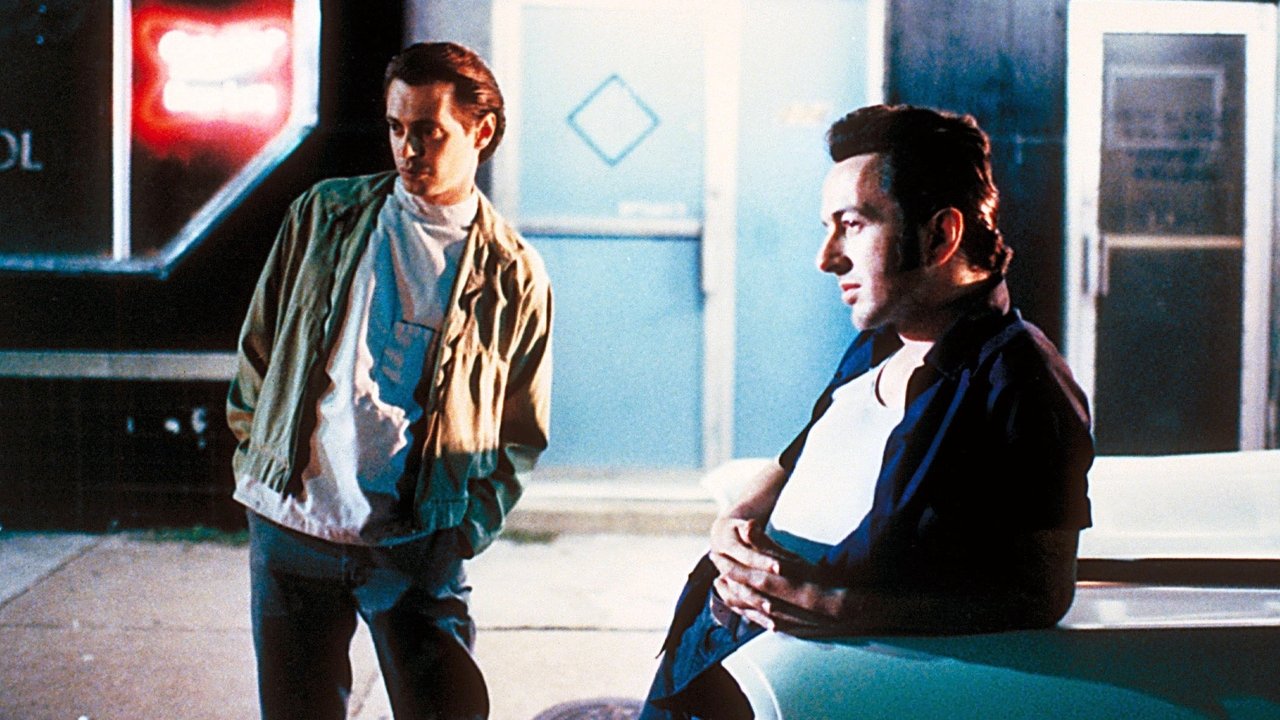
Finally, "Lost in Space" introduces us to Johnny (Joe Strummer, frontman of The Clash, in a surprisingly soulful performance), his reluctant brother-in-law Will Robinson (Rick Aviles), and their buddy Charlie (Steve Buscemi). Reeling from job loss and relationship troubles, Johnny (nicknamed 'Elvis' by his friends, naturally) gets dangerously drunk and commits a crime, forcing the trio to hide out in the same hotel. Their segment brings a jolt of volatile energy, fueled by alcohol and desperation. Strummer, who reportedly replaced another actor just days before shooting began, brings a wounded charisma to Johnny. It's a stark contrast to the earlier stories, yet it resonates with the same themes of being adrift and searching for connection, however flawed.
### Threads in the Fabric
What elevates Mystery Train beyond a simple anthology is how Jarmusch subtly weaves these narratives together. It’s not through overt plot intersections, but through shared spaces, sounds, and symbols. The desk clerk and bellhop – played with iconic, deadpan brilliance by the legendary Screamin' Jay Hawkins and a young Cinqué Lee (Spike Lee's brother) respectively – act as bemused constants, observing the transient guests. Hawkins, for whom Jarmusch specifically wrote the role, is magnetic; his commanding presence and matching bright red suits (which he apparently loved) are unforgettable. Fun fact: Hawkins enjoyed the flamboyant suit Jarmusch had made for him so much, he reportedly requested to be buried in it!
The characters hear the same snippets on the radio – specifically Elvis Presley's haunting rendition of "Blue Moon" – connecting them through the airwaves. A single gunshot echoes through the night, heard or reacted to differently in each story, binding their timelines. These aren't plot twists; they're atmospheric threads, reinforcing the sense that while these lives run parallel, they inhabit the same strange, slightly magical Memphis night. It’s a testament to Jarmusch’s unique vision, honed in earlier works like Stranger Than Paradise (1984), finding poetry in the mundane and connection in isolation. The film’s distinctive look, crafted with cinematographer Robby Müller, uses color deliberately, bathing the Memphis night in deep blues and reds, enhancing the dreamlike quality. Filming on location, using places like the famed Arcade Restaurant, adds another layer of authenticity to this love letter to the city's soul.
### Lingering Resonance
Mystery Train isn't a film that shouts its importance. It operates in a minor key, finding beauty in quiet moments, cultural clashes, and the enduring power of music. It’s a film about being foreign – whether geographically, emotionally, or situationally. Does the slow pace and minimal plot frustrate some viewers? Perhaps. It certainly felt different from the high-octane fare dominating video store shelves back in '89. But its deliberate rhythm is precisely the point. It asks you to slow down, observe, and absorb the atmosphere. The performances feel lived-in, the dialogue naturalistic yet tinged with Jarmusch's signature offbeat humor. The film went on to win the Best Artistic Contribution award at Cannes that year, a nod to its unique style and coherence of vision, achieved on a relatively modest indie budget of around $2.8 million.
For those of us who discovered gems like this tucked away on the VHS shelves, Mystery Train remains a standout – a cool, contemplative piece that captures a specific time and place with wit and understated soul. It’s a film that lingers, much like the echo of a blues riff drifting through the humid Memphis air.
Rating: 8/10 - This score reflects the film's masterful atmosphere, unique structure, and brilliant, understated performances. While its deliberate pace might not appeal to everyone, its artistic vision is undeniable, perfectly capturing a melancholic yet strangely hopeful mood. It's a quintessential late-80s indie gem that feels just as cool and relevant today.
Final Thought: What stays with you most isn't a single event, but the collective feeling – the shared loneliness and fleeting connections under the watchful gaze of Elvis's ghost, forever haunting the heart of Memphis.