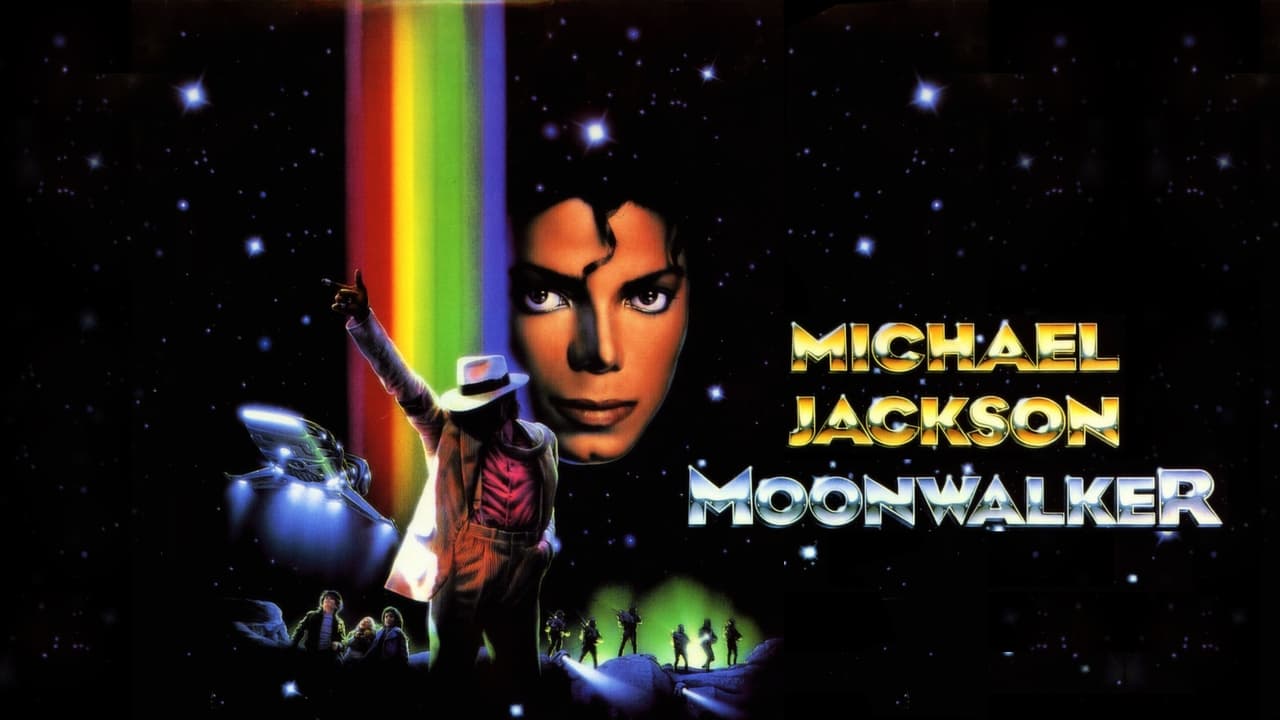
Alright, fellow travellers on the magnetic tape highway, let's rewind to a time when one man dominated the pop culture landscape like few others. 1988. The King of Pop was at his zenith, and instead of a conventional concert film or narrative feature, Michael Jackson gifted the world... Moonwalker. Calling it just a "movie" feels like selling it short; this wasn't something you simply watched, it was an event, a kaleidoscopic blast of music, dance, and pure, unfiltered Jacksonian imagination beamed directly into our living rooms via the magic of VHS. Forget linear storytelling; Moonwalker felt more like plugging directly into MJ's creative cortex.
### Not Quite a Movie, More Like a Mixtape
Dropping the tape into the VCR wasn't like starting a typical film. Moonwalker unfolds as an anthology, a collection of short films and extended music videos loosely threaded together. It kicks off with a blistering live performance of "Man in the Mirror," instantly reminding you of Jackson's incredible stage presence. Then, it transitions into a career retrospective montage, charting his journey from the Jackson 5 days to the Bad era – a whirlwind tour that felt like cramming pop history into hyperdrive. Directed largely by Jerry Kramer (with key segments by others like Colin Chilvers), the film feels less like a cohesive narrative and more like flipping through the wildly different channels of Michael Jackson's mind. Remember the claymation "Speed Demon" sequence? Jackson, pursued by cartoonish fans and paparazzi, transforms into a motorcycle-riding rabbit named Spike. It's utterly bizarre, charmingly dated, and features some genuinely impressive stop-motion work for its time. Then there's the visually inventive "Leave Me Alone" video, a Grammy-winning piece tackling media intrusion with surreal carnival imagery – a theme that would become increasingly central to Jackson's life.
### Stepping into Club 30s
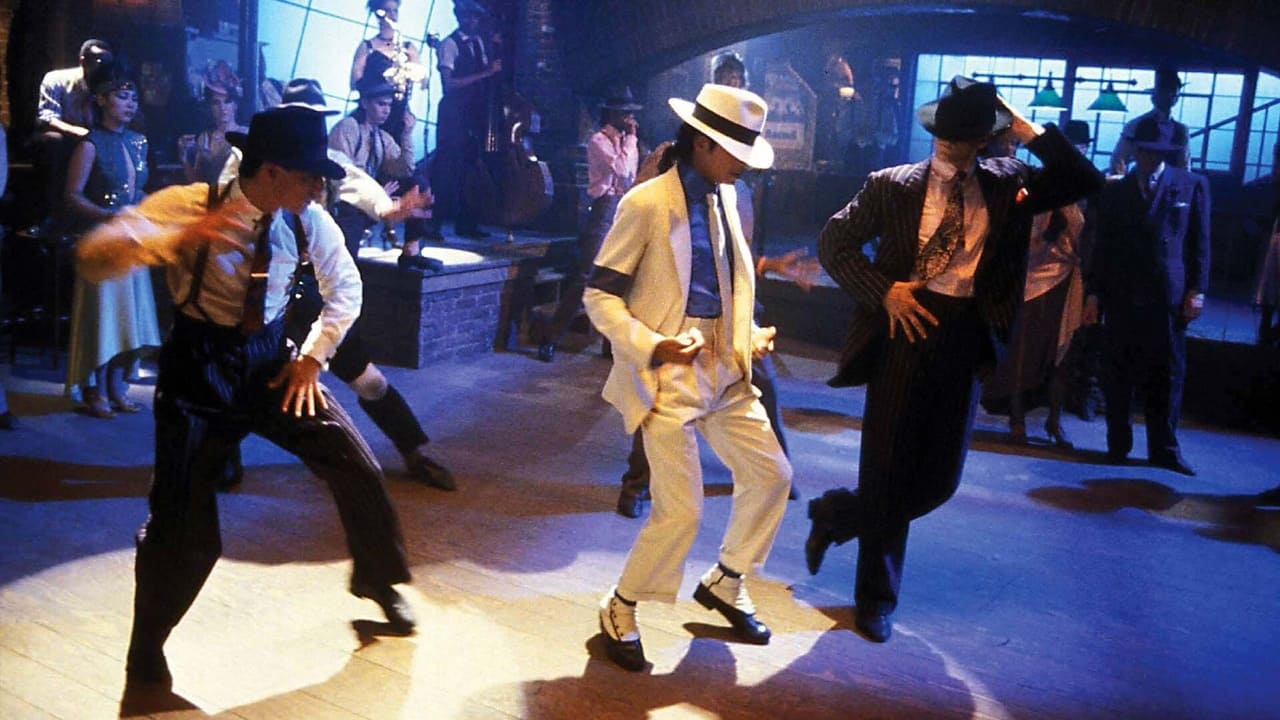
The undeniable heart of Moonwalker, the sequence burned into the collective memory of anyone who saw it back then, is "Smooth Criminal." This wasn't just a music video; it was a mini-movie unto itself, a stunning piece of filmmaking directed by Colin Chilvers, who had previously supervised special effects on films like Superman (1978). Set in a smoky, atmospheric 1930s nightclub, it features Jackson as a white-suited Zoot Suit-era gangster figure facing off against the sinister Mr. Big, played with genuinely unsettling menace by Joe Pesci. Fresh off roles that often blended comedy and threat, Pesci leans fully into villainy here, commanding an army of stormtrooper-like soldiers.
But the plot, involving kidnapped children (including a young Sean Lennon) and Jackson's magical quest to save them, is almost secondary to the sheer spectacle. The choreography is legendary – intricate, sharp, and executed with superhuman precision by Jackson and his dancers. And then there's that lean. The gravity-defying forward tilt that left jaws on shag carpets across the globe. How did they do it?
Retro Fun Fact: While wires were used in the film, the effect for live shows was achieved through patented shoes designed by Jackson and his team that hooked onto pegs deployed on stage. Seeing it executed so flawlessly on screen, however, felt like pure movie magic back in '88. The entire "Smooth Criminal" segment reportedly cost more than many feature films of the era, contributing significantly to Moonwalker's estimated $22 million budget – an astronomical sum for what was essentially planned as a collection of shorts.
### Robots, Spaceships, and Star Power
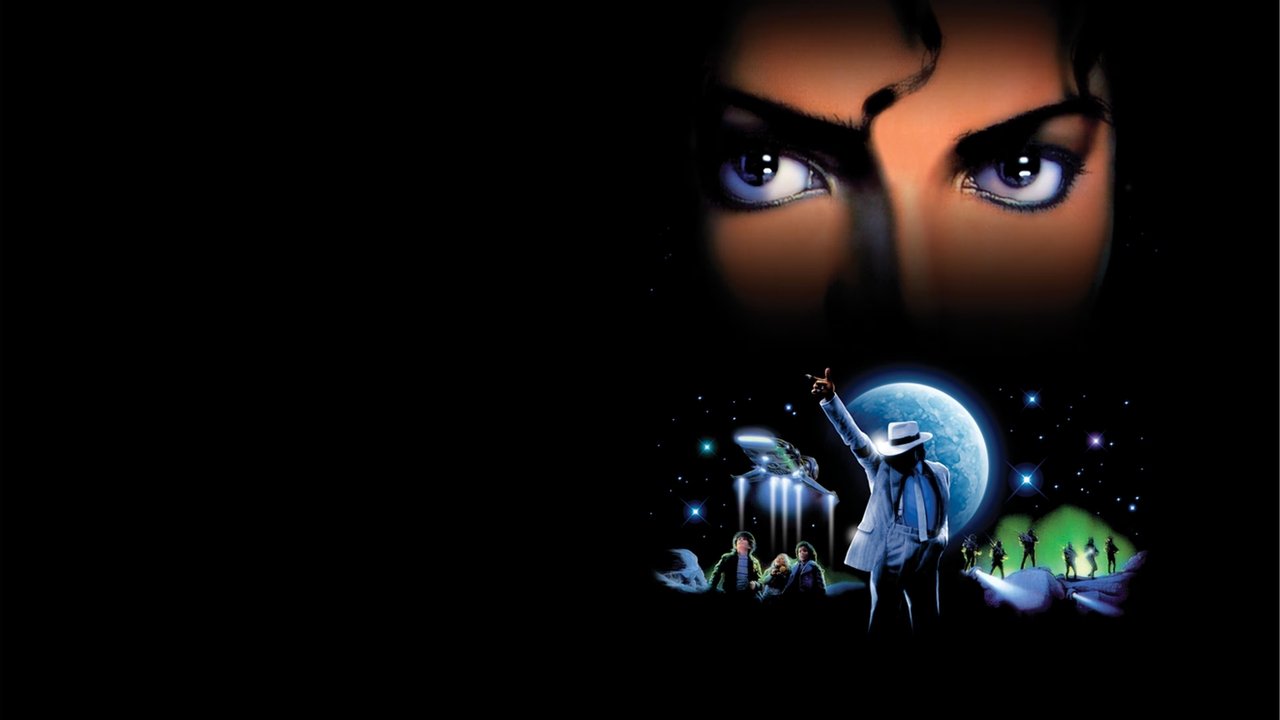
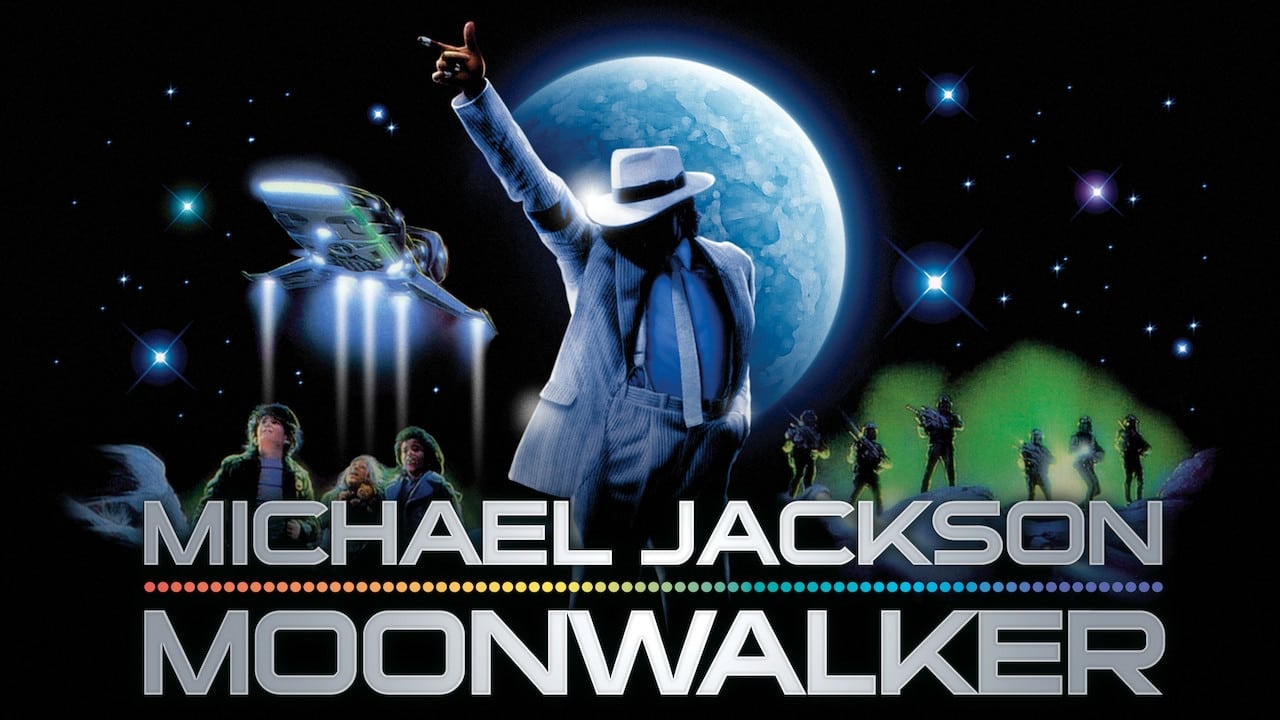
Beyond "Smooth Criminal," the narrative thread (such as it is) continues with Jackson using a wishing star to transform into various high-tech vehicles – first a sleek Lancia Stratos Zero concept car, then a giant, laser-shooting robot, and finally a spaceship – to defeat Mr. Big and rescue the kids. It’s pure Saturday morning cartoon logic mixed with blockbuster special effects ambitions. While the effects might look a bit quaint by today's standards, back on a fuzzy CRT screen, seeing Michael Jackson morph into a towering metallic warrior felt undeniably cool. It tapped into that childhood fantasy of having superpowers, of being able to become anything to fight the bad guys.
Retro Fun Fact: Moonwalker had a somewhat unusual release. While it received theatrical runs in Europe and elsewhere (becoming a box office hit), in the US and Canada, plans for a theatrical release were scrapped, partly due to Jackson's satisfaction with sales of the Bad album and perhaps concerns about the unconventional format. Instead, it went straight to home video in early 1989, becoming a massive seller and a must-have tape for fans. It even spawned a popular Sega Genesis video game, cementing its place in late-80s pop culture.
### A Strange Trip Worth Taking?
Let's be honest: Moonwalker is uneven. The narrative connections are tenuous at best, and some segments feel more like vanity projects than compelling cinema. The overarching plot involving Mr. Big and the children feels underdeveloped, serving mainly as a framework to hang spectacular set pieces on. It’s undeniably self-indulgent at times.
Yet, its flaws are part of its charm. It’s a time capsule of peak Jackson mania, a testament to his unparalleled artistry as a performer and his wildly ambitious, sometimes bizarre, creative vision. It’s a film bursting with ideas, energy, and groundbreaking visuals that pushed the boundaries of the music video format. Watching it again evokes that specific late-80s feeling – a mix of awe at the spectacle, confusion at the narrative leaps, and sheer enjoyment of the incredible music and dance. We might not have desperately wanted a gadget from the movie, but plenty of us were definitely trying (and failing) to replicate those dance moves in our bedrooms.
Final Score: 7/10
Justification: Moonwalker isn't a masterpiece of narrative filmmaking, and its disjointed structure holds it back from cinematic greatness. However, as a showcase for Michael Jackson's immense talent, a collection of iconic music videos (especially the breathtaking "Smooth Criminal"), and a fascinating, often bizarre, cultural artifact of the late 80s, it's undeniably compelling. The production value is often stunning, Joe Pesci is memorable, and the sheer ambition is infectious. It earns a solid 7 for its spectacle, artistry, and enduring nostalgic power, even if the story itself is paper-thin.
It’s a strange beast, this Moonwalker, but plug it in, and you're guaranteed a trip back to a time when pop music felt like pure magic, delivered straight to your VCR. Annie, are you okay? Yeah, you probably will be after revisiting this one.