Okay, fellow tapeheads, dim the lights, adjust the tracking, and let that familiar magnetic whir transport you back. Tonight, we're pulling a real gem – or perhaps charming chunk of cubic zirconia? – from the dusty action-comedy shelf: 1984's Double Trouble, starring the undeniably unique Peter Paul and David Paul, aka The Barbarian Brothers. If your memories of hulking twins delivering justice (and questionable dialogue) feel a bit fuzzy, buckle up.

Forget slick espionage or gritty realism. Double Trouble throws us headfirst into a world where logic takes a backseat to colossal biceps and twin-based shenanigans. The plot, bless its heart, involves Peter and David as a pair of charmingly dim-witted but good-hearted truckers (or were they bodybuilders? Or nightclub bouncers? The film seems gloriously unsure) who accidentally get entangled with stolen diamonds and some seriously shady characters. It's the kind of setup that fueled countless late-night VHS rentals, promising uncomplicated thrills and maybe a few laughs, intentional or otherwise.
### Twin Peaks of Power
Let's be honest: the main draw here is the spectacle of the Paul brothers themselves. Peter and David weren't just actors; they were walking, talking monuments to 80s bodybuilding excess. Their screen presence is less about nuanced performance and more about pure physical impossibility. They loom, they flex, they occasionally attempt synchronized movements, and their line delivery has a certain... earnest clunkiness that’s strangely endearing. This wasn't their only foray into film – they'd later achieve peak absurdity in The Barbarians (1987) – but Double Trouble catches them early, raw, and arguably at their most 'real'. Seeing them try to navigate basic human interactions while looking like they could bench press a Volkswagen is half the fun.
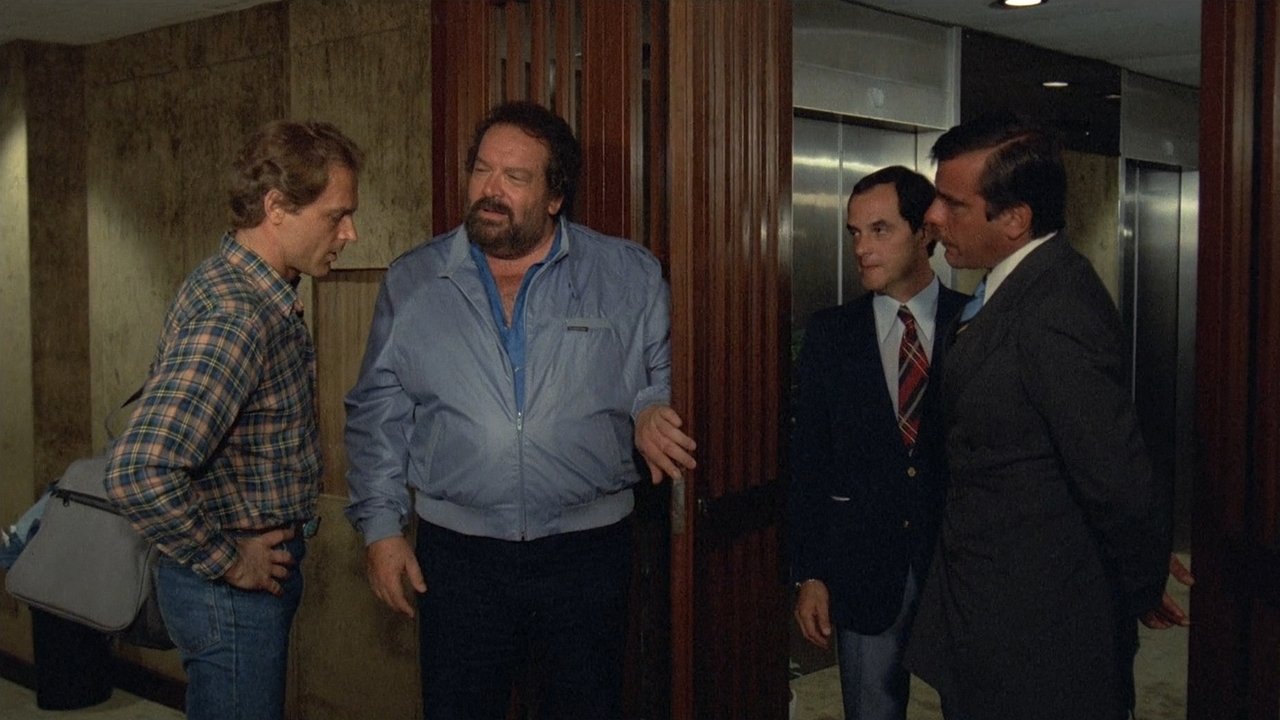
The film leans heavily into their twin dynamic, often playing it for laughs that land with varying degrees of success. But when the fists start flying, that twin gimmick takes on a different energy. The fight scenes aren't the hyper-edited, wire-fu spectacles we see today. No, this is pure, unadulterated 80s grunt work.
### Biceps, Brawls, and Budget Brawls
Remember how real those punches used to look? In Double Trouble, the action feels wonderfully tangible. When Peter or David throws someone across a room (which happens a lot), you feel the impact. It's clumsy, sure, lacking the smooth choreography of bigger budget affairs, but there's an undeniable weight to it. These were clearly guys doing their own stunts, relying on brute force rather than clever camera angles. There’s a certain thrill in watching these human refrigerators demolish sets and henchmen with such straightforward power. Forget CGI – the most advanced special effect here is probably a breakaway table that shatters with satisfying gusto. You can almost smell the sweat and liniment oil through the screen.
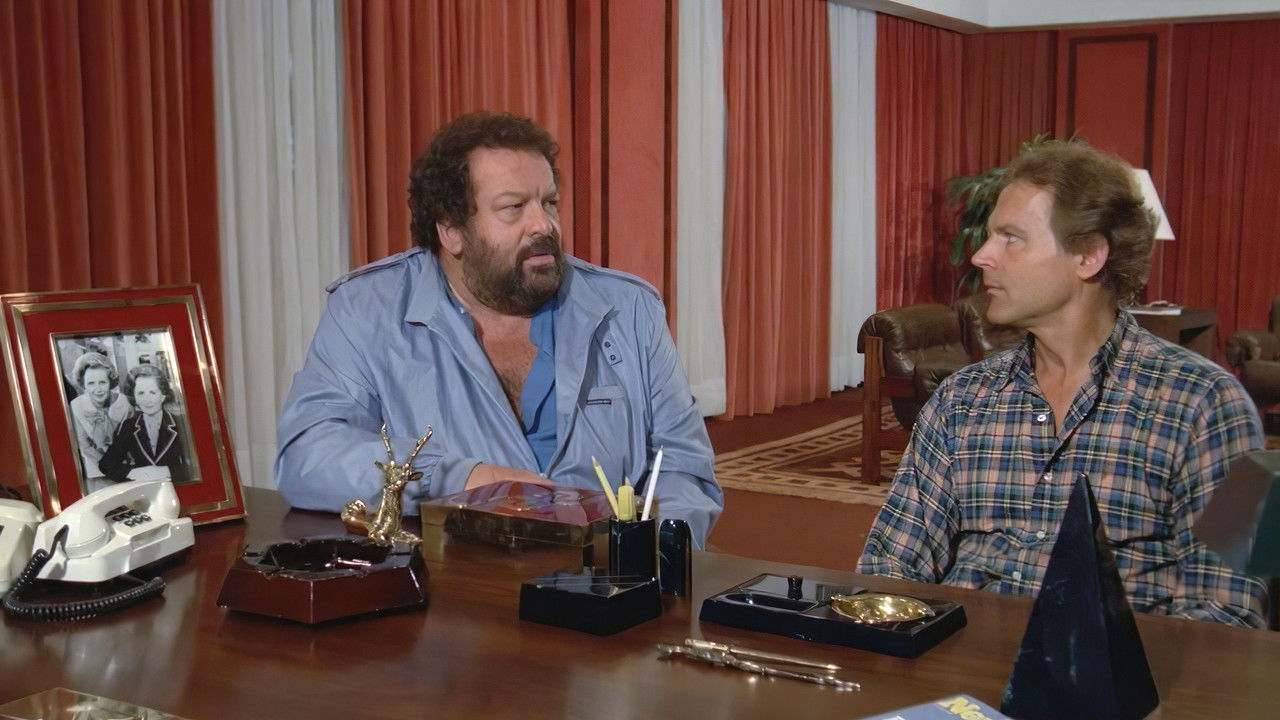
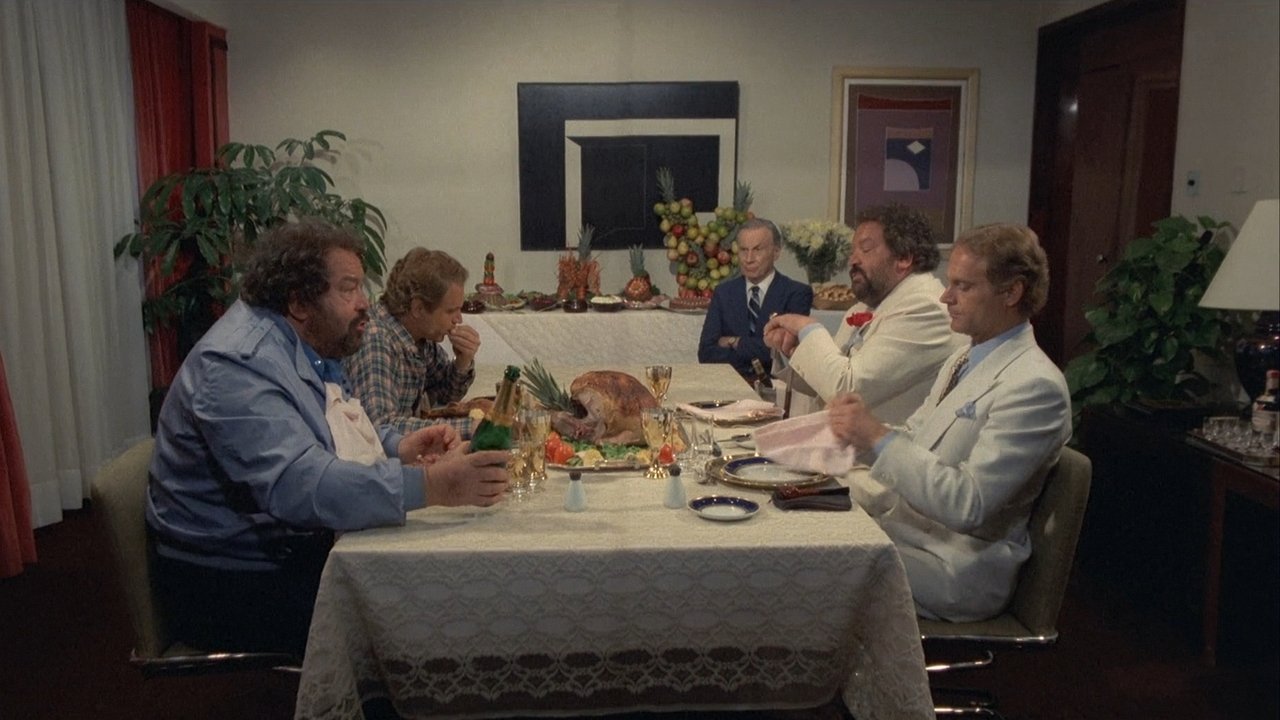
It’s fascinating to think that one of the film’s writers, Joel Surnow, would later go on to co-create the high-intensity, clock-ticking realism of 24. The contrast is almost whiplash-inducing and speaks volumes about the strange paths careers can take in Hollywood. And directing this slice of absurdity? None other than John Paragon, a face (or rather, a disembodied head in a box) familiar to anyone who spent Saturday mornings wishing alongside Jambi the Genie on Pee-wee's Playhouse! Knowing the man behind the genie was wrangling the Barbarian Brothers adds another layer of delightful weirdness to the whole affair. Paragon, along with Luca Bercovici (who gave us the infamous Ghoulies) and others, crafted something uniquely… itself.
### A Touch of Class (and Camp)
Lending an air of bewildered professionalism to the proceedings is the legendary Roddy McDowall as the villain, Phillip Chamberlain. Fresh off genre hits like Fright Night (released the following year, but likely filmed around a similar time) and forever iconic from Planet of the Apes, McDowall brings his signature blend of sophisticated menace and subtle camp. You get the feeling he knew exactly what kind of movie he was in and decided to have a blast with it. His presence elevates the material, providing a necessary counterpoint to the brothers' raw physicality. Seeing him share scenes with the Pauls is a study in contrasts – refined theatricality meets brute force.
The film reportedly had a budget of around $1.5 million, peanuts even by mid-80s standards, and it shows in the slightly rough-around-the-edges production. But honestly, that’s part of the charm. It feels like a movie made with enthusiasm, if not always finesse, capturing that distinct direct-to-video energy where ambition sometimes outstripped resources, resulting in pure, unpretentious entertainment. Did it set the box office alight? Absolutely not. Did it find a loving home on the spinning racks of video stores nationwide? You bet it did.
***
VHS Heaven Rating: 5/10
Justification: Let's be real, Double Trouble isn't high art. The acting from the leads is stiff, the script is predictable, and the production values scream "Made for TV (or maybe just VHS)." However, it scores points for sheer novelty, the undeniable physical presence of the Paul brothers, some genuinely fun (if clunky) practical action, and the delightful inclusion of Roddy McDowall. It perfectly embodies that specific brand of low-budget 80s action-comedy that you'd rent on a whim and enjoy for its earnest absurdity. It delivers exactly what it promises: two massive dudes hitting people.
Final Rewind: It’s a quintessential slice of 80s cheese, best enjoyed with adjusted expectations and perhaps a few friends who remember when muscles were the special effect. Double Trouble is a charmingly dated reminder of a time when twin bodybuilders could absolutely carry an action movie… sort of.