Okay, pop that tape in, adjust the tracking if you have to, because we're heading back to Faber College, circa 1962, but viewed through the glorious, anarchic lens of 1978. I’m talking about John Landis’s breakout explosion, National Lampoon's Animal House. Forget carefully curated campus comedies; this was a Molotov cocktail thrown straight into the dorm room window of polite society, and finding it on the shelves of the local video store felt like discovering forbidden knowledge.
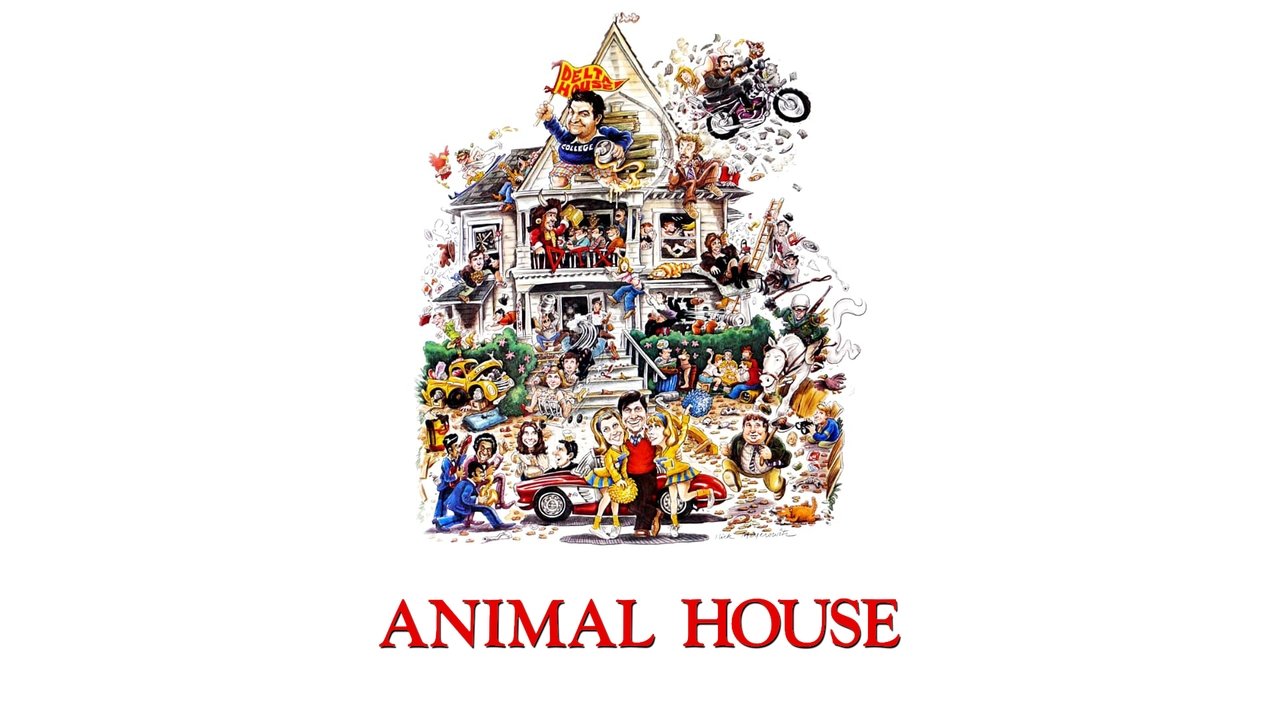
This wasn't just a college movie; for a generation, it was the college movie. It defined the slob comedy genre, launching careers and proving that audiences were absolutely starving for something rude, crude, and unapologetically anti-establishment. The premise is deceptively simple: the uptight, WASP-y Omega Theta Pi fraternity, allied with the sneering Dean Vernon Wormer (John Vernon, radiating pure disdain), wants to shut down the disreputable, hard-partying Delta Tau Chi house. The resulting conflict isn’t just pranks; it’s all-out generational warfare fought with food fights, road trips fueled by cheap beer, and the sheer, untamable energy of one John Belushi.
Toga! Toga! Toga!
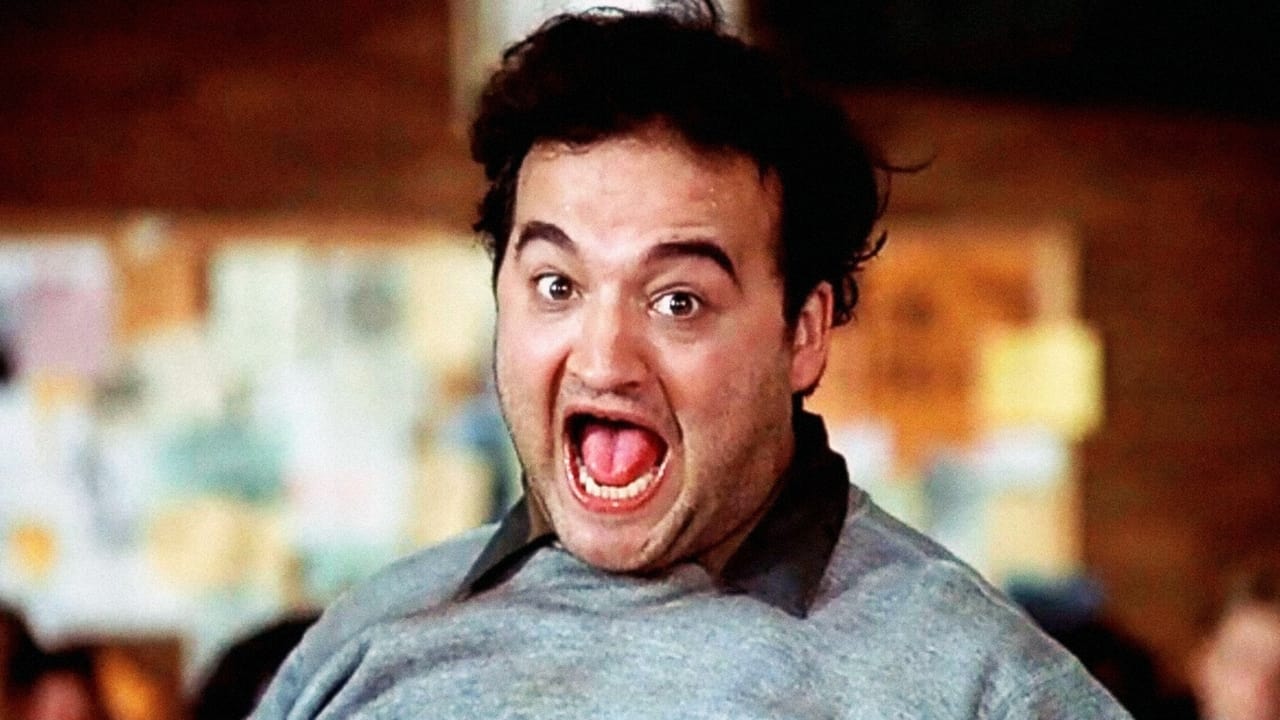
Let's be honest, Belushi’s John "Bluto" Blutarsky is the chaotic soul of Animal House. He’s less a character and more a force of nature – smashing guitars, leading food fights with guttural cries, impersonating pimples, and delivering the film’s most iconic (and largely improvised) motivational speech. It's a performance of pure id, physicality, and surprising heart, somehow making this seemingly repulsive figure utterly magnetic. Remember seeing him just inhale food in the cafeteria scene? That raw energy felt revolutionary. It’s fascinating to know that Universal Pictures was initially hesitant about the project, partly concerned about the lack of established movie stars – Belushi was primarily known for Saturday Night Live at the time. What a gamble that paid off.
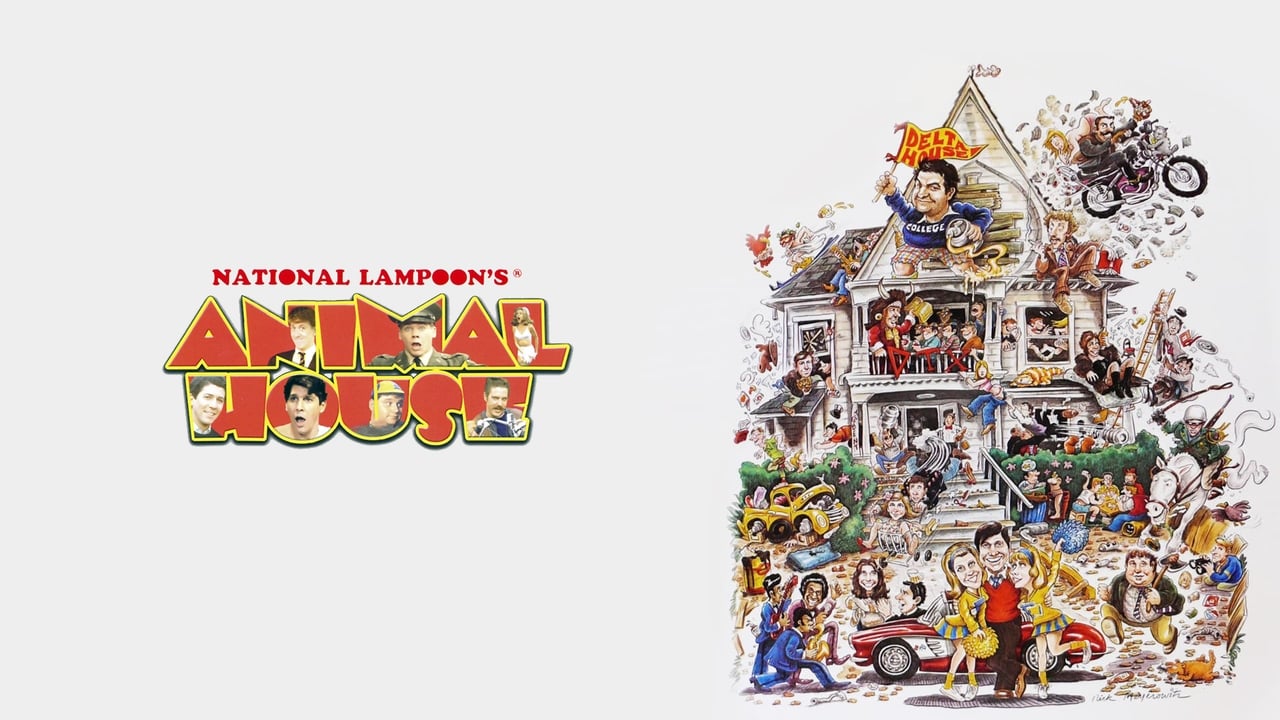
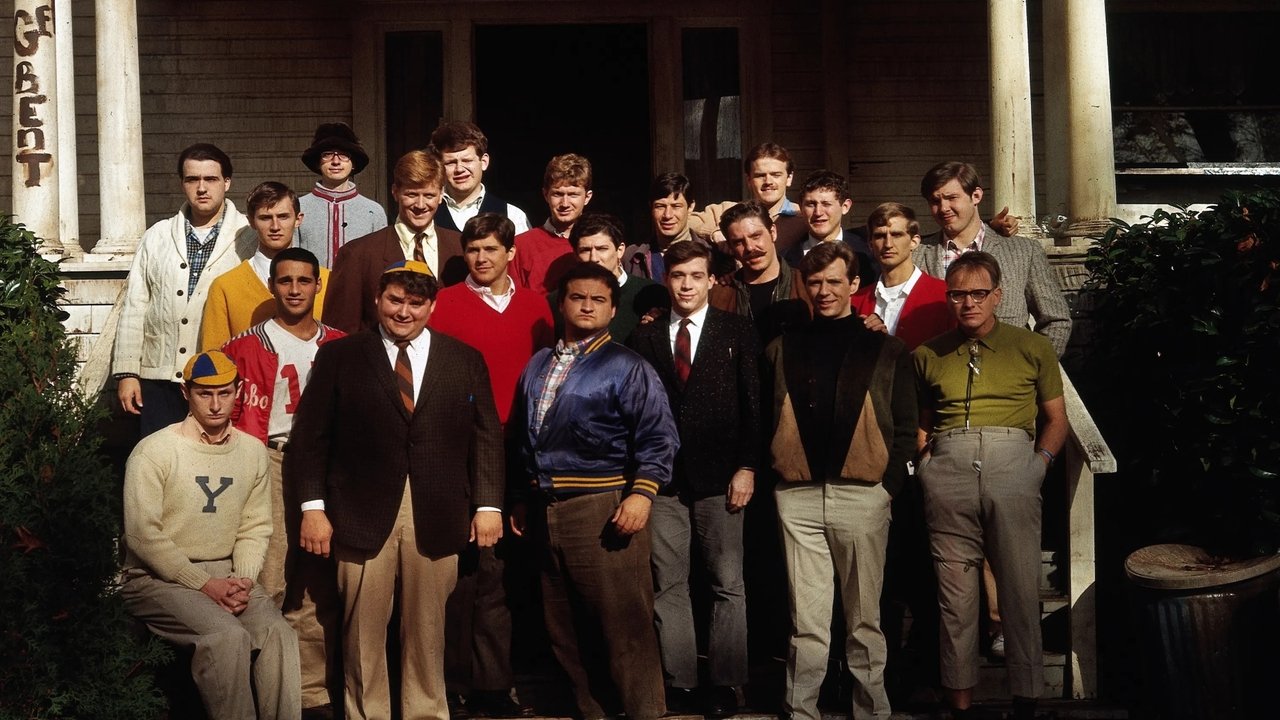
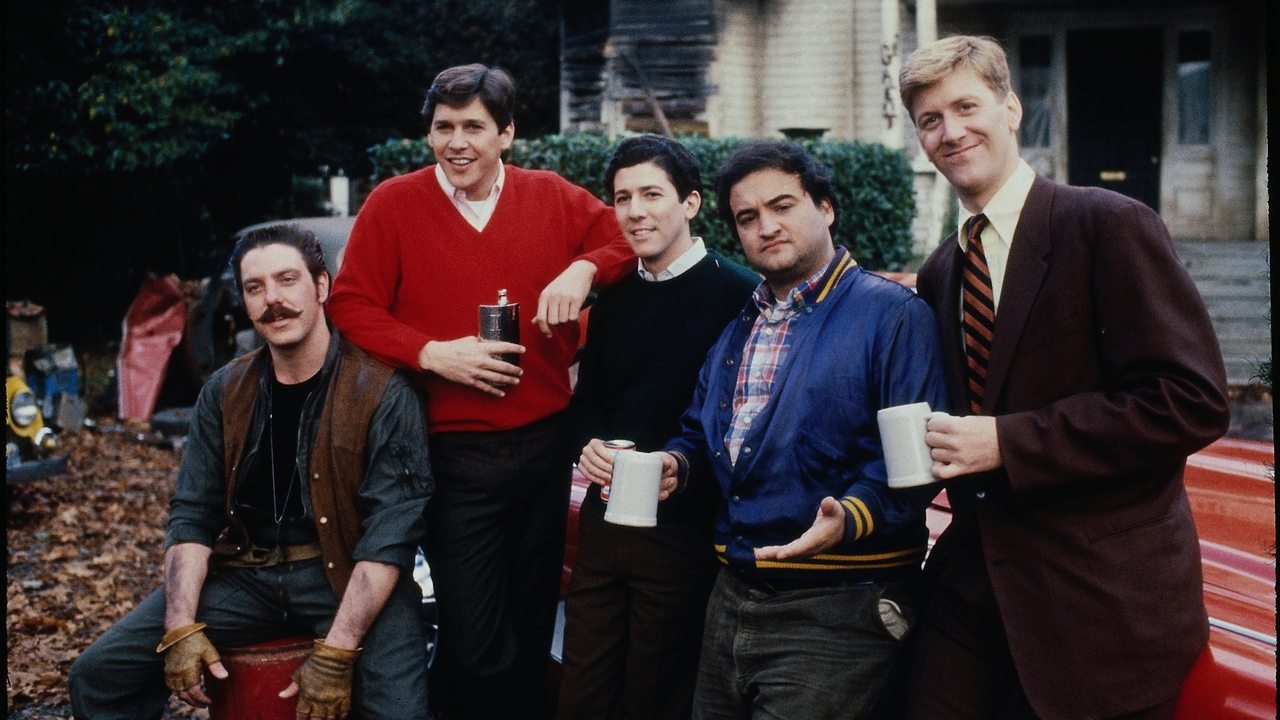
But the Deltas are more than just Bluto. Tim Matheson oozes sleazy charm as Eric "Otter" Stratton, the smooth operator, while Peter Riegert as Donald "Boon" Schoenstein provides a slightly more grounded (but still game) perspective alongside Karen Allen’s Katy. And let’s not forget Stephen "Flounder" Dorfman (Stephen Furst), the ultimate hapless pledge, or Tom Hulce as the naive Larry "Pinto" Kroger, our eyes and ears navigating this madness. Their collective chemistry feels authentic, like guys who genuinely enjoy raising hell together. The script, penned by National Lampoon alums Harold Ramis, Douglas Kenney, and Chris Miller based on their own college experiences and magazine stories, crackles with sharp observational humor beneath the layers of slapstick and gross-out gags. Kenney even has a memorable cameo as the perpetually bewildered Delta brother, Stork, delivering the immortal line, "What the hell we s'posed to do, ya moron?".
Chaos Captured on Film
Directed with infectious energy by a young John Landis (who would soon bring us The Blues Brothers and An American Werewolf in London), the film has a wonderfully loose, almost documentary feel at times. It doesn’t feel overly polished or slick, which perfectly suits the subject matter. The legendary toga party sequence feels less like a staged movie scene and more like someone actually filmed the greatest, wildest party ever thrown. You can almost smell the stale beer and desperation. This raw quality extends to the film's bigger set pieces.
The cafeteria food fight isn't a carefully choreographed ballet of flying mashed potatoes; it's pure, messy mayhem. And the climactic homecoming parade sequence? Absolute genius. The sheer destructive glee as the Deltas unleash their "Deathmobile" (a converted Lincoln Continental, a retro fun fact for car buffs!) on the unsuspecting town square is filmmaking anarchy at its finest. These scenes relied on practical execution, real controlled chaos unfolding before the camera, giving them a weight and visceral impact that slicker, modern CGI-heavy comedies often lack. Remember how real that chaos felt back then, watching it on a fuzzy CRT?
Filmed mostly on location at the University of Oregon (apparently, many other universities read the script and politely declined the honour!), the movie benefited immensely from its low budget – reportedly around $2.8 million. This forced creativity and contributed to its grounded, slightly gritty aesthetic. It wasn’t trying to be glossy; it was trying to be real, or at least a hilariously exaggerated version of reality.
Legacy of the Lampoon
Upon release, critical reception was somewhat mixed, but audiences? They went ballistic. Animal House became one of the highest-grossing comedies of all time up to that point, proving there was a massive market for edgy, R-rated humour. It fundamentally changed the landscape, paving the way for countless imitators (few of which captured the same lightning-in-a-bottle magic).
Does every joke land perfectly today? Perhaps not. Some elements definitely feel like products of their time. But the core spirit of rebellion, the celebration of youthful energy (however misguided), and the sheer comedic force of Belushi and the ensemble remain undeniable. Watching it now evokes that specific thrill of renting something slightly dangerous, something your parents might not entirely approve of, huddled around the TV late at night. It’s a portal back to a time when comedies could be truly unruly.
VHS Heaven Rating: 9/10
Justification: An absolute landmark of comedy. Its influence is immense, Belushi's performance is iconic, and the sheer anarchic energy remains infectious. While some gags show their age, the film's boundary-pushing spirit, sharp writing, and memorable characters solidify its classic status. It perfectly captured a moment and created a genre.
Final Thought: Animal House is more than just a movie; it's a declaration of independence disguised as a frat party. It’s gloriously sloppy, endlessly quotable, and still feels like sticking it to the Dean, even if you’re just rewinding the tape. Essential viewing.