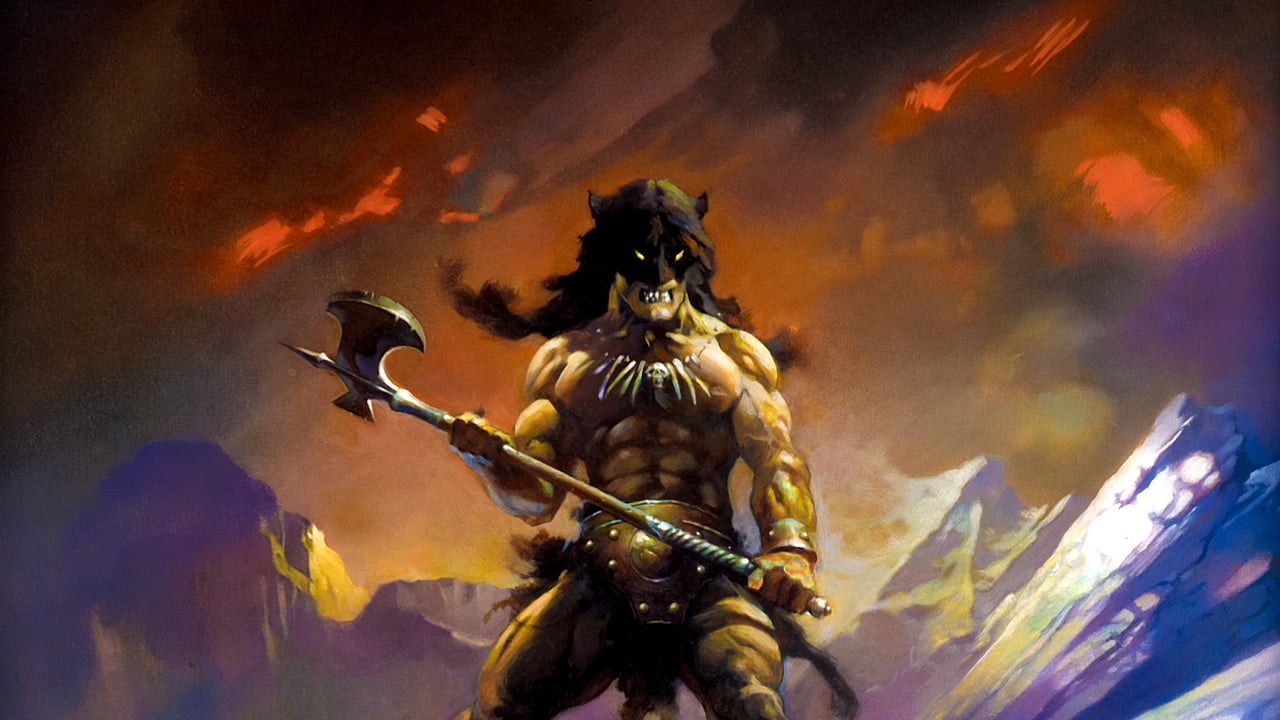
There are certain VHS boxes that, even now, conjure an almost primal memory. The artwork leaps out, promising something raw, untamed, maybe even a little dangerous compared to the usual cartoon fare. The tape for Ralph Bakshi's 1983 animated epic, Fire and Ice, was definitely one of those. One glance at that cover, drenched in the unmistakable style of fantasy art legend Frank Frazetta, and you knew this wasn't going to be your typical Saturday morning adventure. It promised brooding heroes, fearsome beasts, and a world sculpted from shadow and muscle – and boy, did it deliver on that visual promise.
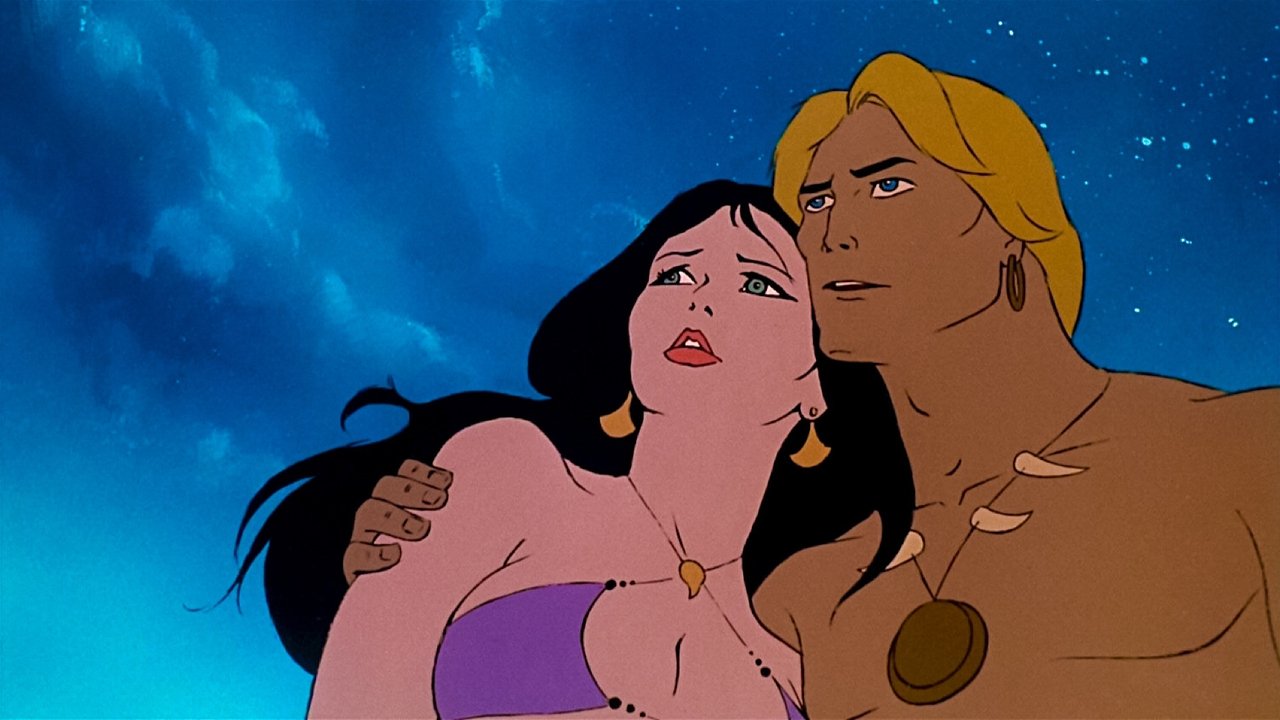
This film wasn't just inspired by Frazetta; it was born from a unique, direct collaboration between the iconic painter and the maverick animator Ralph Bakshi, known for pushing the boundaries of adult animation with films like Fritz the Cat (1972) and his ambitious, if unfinished, The Lord of the Rings (1978). Frazetta reportedly oversaw character designs, action sequences, and the overall aesthetic, ensuring his signature dynamism pulsed through every frame. The result is arguably the closest we've ever come to seeing Frazetta's painted worlds truly move, a living testament to his visceral style.
A World Forged in Fantasy Art
Forget gentle landscapes and cuddly creatures. The world of Fire and Ice is brutal and elemental. Nekron, the malevolent ice lord, sends his glaciers encroaching upon the temperate lands ruled by King Jarol. His subhuman hordes kidnap Jarol's daughter, the scantily-clad Princess Teegra (Maggie Roswell, who many would later recognize from her extensive work on The Simpsons). This sets Larn (William Ostrander), the sole survivor of a village destroyed by Nekron's forces, on a quest to rescue her, aided by the mysterious, axe-wielding warrior Darkwolf, a character who feels like he stepped directly off a Frazetta canvas.

The story itself, penned by Marvel Comics veterans Roy Thomas and Gerry Conway, is archetypal fantasy – almost aggressively simple. Good versus evil, rescue the princess, defeat the sorcerer. There's not a huge amount of depth to the plot or character motivations beyond their immediate roles. But honestly? The narrative almost feels secondary to the experience. The draw here is the atmosphere, the non-stop peril, and the sheer visual audacity.
The Magic and Motion of Rotoscoping
What truly sets Fire and Ice apart visually, beyond the Frazetta designs, is Bakshi’s extensive use of rotoscoping. For the uninitiated, this involved filming live actors performing the scenes and then tracing over their movements frame by frame to create the animation. It's a technique Bakshi employed in previous works, lending the characters a weight and fluidity often missing in traditional animation. While sometimes criticized for creating slightly uncanny or stiff moments, in Fire and Ice, it largely works wonders. The fights feel grounded and impactful, the chases desperate, and the characters move with a startling realism that enhances the film's gritty tone.
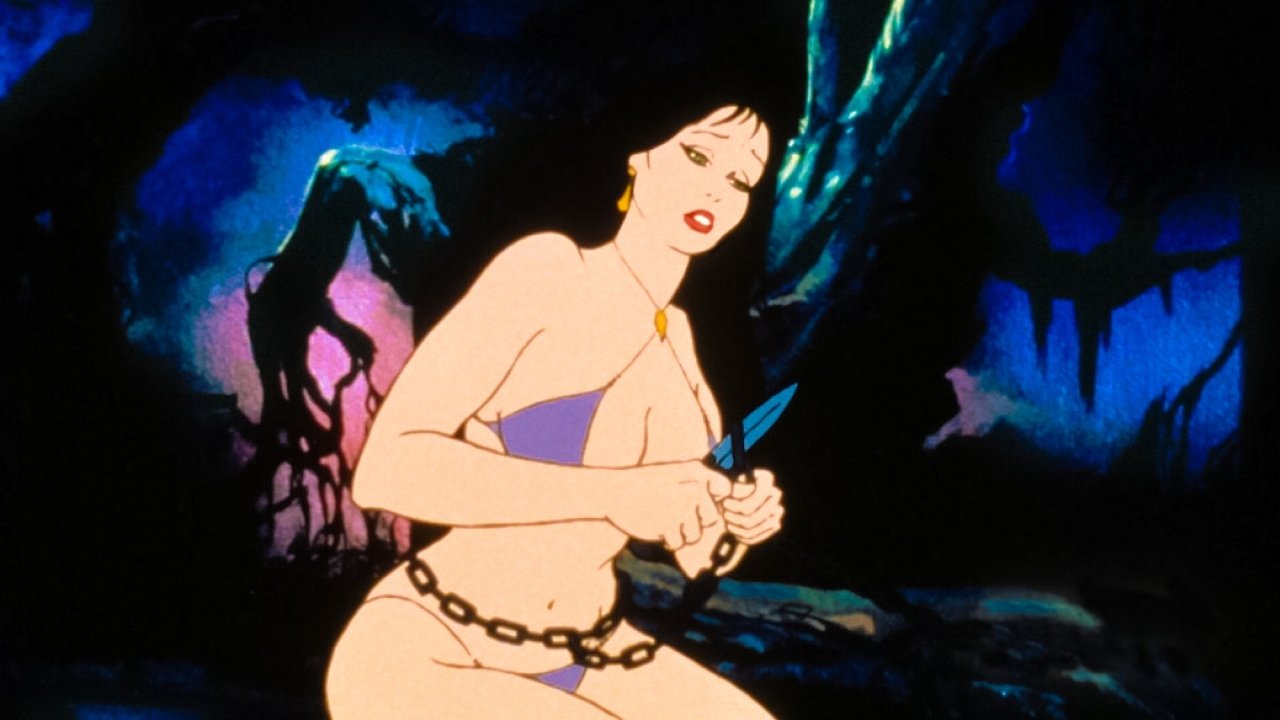
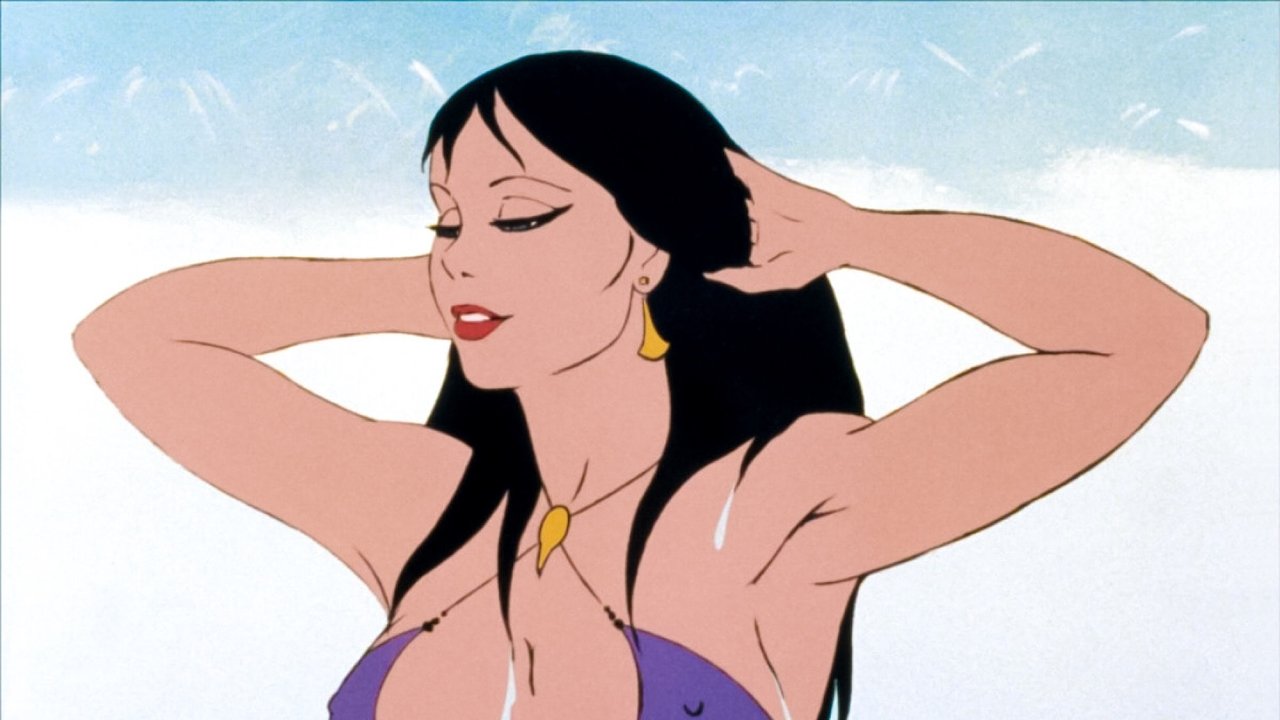
Imagine the logistics: staging elaborate fantasy battles with costumed actors, just to use them as a reference for animation! It was a laborious process, especially on the film's relatively modest $1.2 million budget. Yet, this technique gives Fire and Ice its unique visual signature – part cartoon, part live-action dream. It stands as a fascinating counterpoint to the smoother, more stylized animation dominating the era.
Voices in the Wilderness
While the visuals steal the show, the voice acting deserves mention. William Ostrander gives Larn the requisite stoic heroism, and Maggie Roswell imbues Teegra with a blend of vulnerability and surprising resilience (even if her costume design remains... questionable by modern standards). But the standout is undoubtedly Susan Tyrrell as Nekron’s manipulative and frankly terrifying mother, Juliana. Tyrrell, known for her eccentric and powerful performances in films like Fat City (1972), absolutely devours the role, dripping malice and dark charisma into every line. Her scenes are often the most memorable from a character perspective.
Retro Fun Facts Woven In:
- The live-action reference footage for Fire and Ice was shot before the animation process began, serving as the blueprint for the animators.
- Despite its cult status now, the film wasn't a major box office success upon its limited 1983 release, often overshadowed by bigger studio productions. Its life truly blossomed on VHS and cable TV.
- Frank Frazetta was deeply involved, reportedly even designing specific action choreography that Bakshi then filmed with the live actors for rotoscoping reference.
Enduring Cult Appeal
Is Fire and Ice a perfect film? No. The plot is thin, character development is minimal, and its depiction of Teegra often leans heavily into damsel-in-distress tropes typical of the era's fantasy art. Yet, its power lies elsewhere. It’s a raw, uncompromised vision, a fusion of two distinct artistic talents creating something wholly unique. It captures that specific brand of dark, sensual, and violent 80s fantasy that felt excitingly adult compared to mainstream offerings. Watching it feels like unearthing a lost relic from a time when animation wasn't afraid to be gritty and strange. You couldn't help but be drawn into its harsh, beautiful world, even if the story beats felt familiar. It's a mood piece as much as a narrative.
Rating: 7/10
Fire and Ice earns a solid 7 primarily for its stunning visual ambition and its successful translation of Frank Frazetta's iconic style into motion via Bakshi's bold rotoscoping techniques. The atmosphere is thick, the action visceral, and Susan Tyrrell's performance is chillingly memorable. It loses points for its overly simplistic plot and lack of character depth, which keep it from being a true narrative masterpiece. However, as a unique artifact of 80s fantasy animation and a visual feast, it remains utterly captivating.
For fans of sword-and-sorcery, unique animation styles, or anyone who remembers being mesmerized by that VHS cover promising untamed adventure, Fire and Ice remains a potent, visually arresting trip back to a different era of fantasy filmmaking. It’s the kind of movie that might have felt slightly forbidden to watch as a kid, and that edge still lingers.