Okay, fellow tapeheads, slide that worn copy of Hercules (1983) into the VCR, maybe give the tracking a little nudge, and prepare for a trip. Not necessarily to ancient Greece, mind you, but to a bizarre, glorious dimension only the minds at Cannon Films, fueled by knock-off ambition and maybe something stronger, could conjure. Forget dusty scrolls and subtle mythology; this is Hercules filtered through Star Wars, Clash of the Titans, and maybe a fever dream after too much pizza.
### Gods, Lasers, and Pectorals
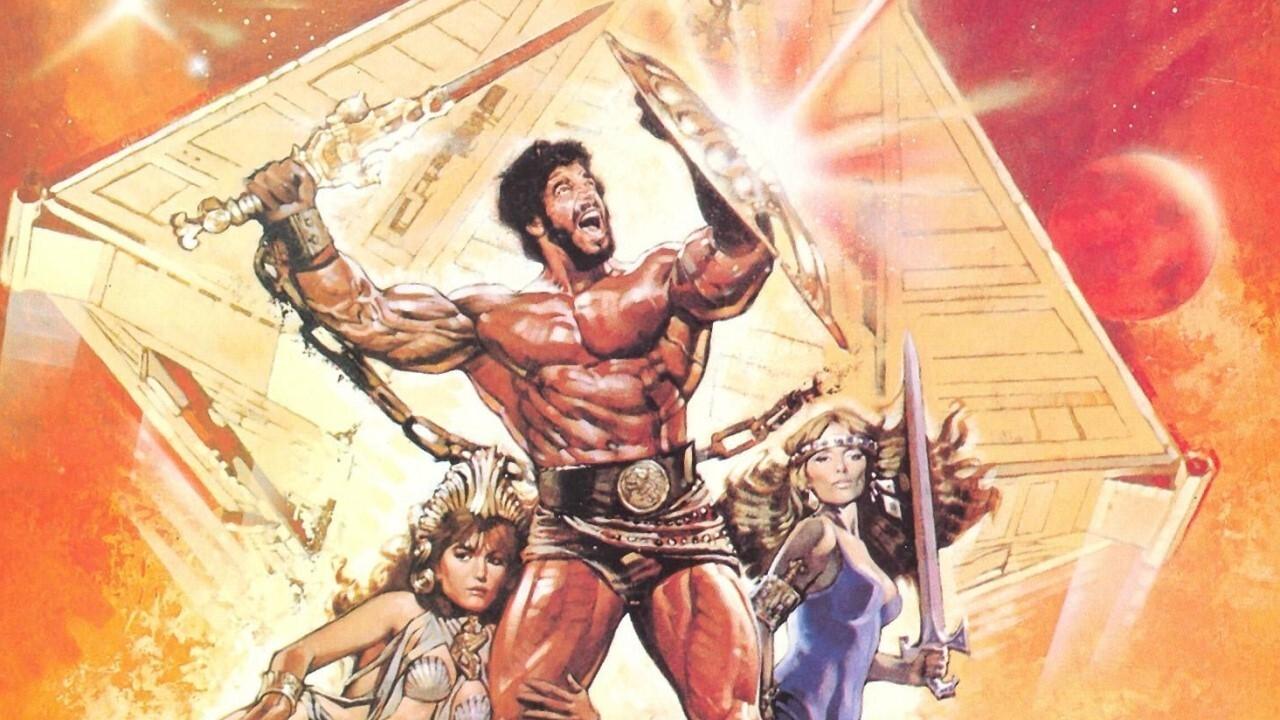
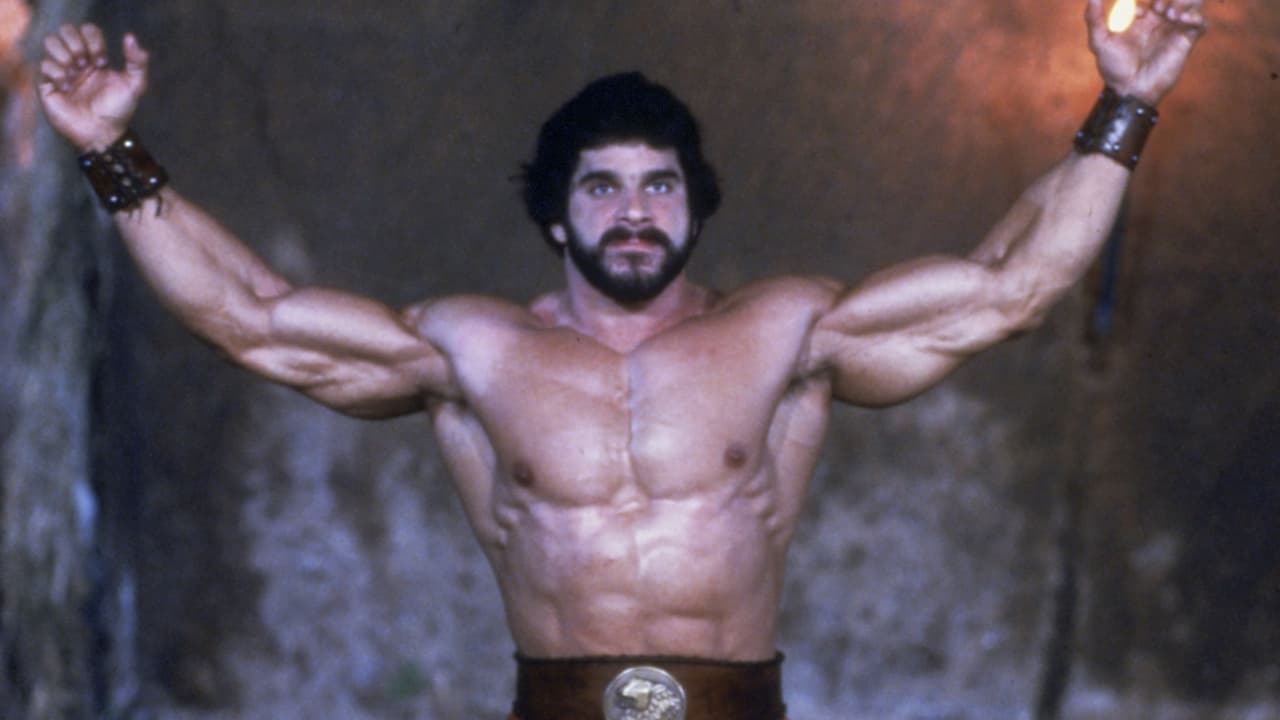
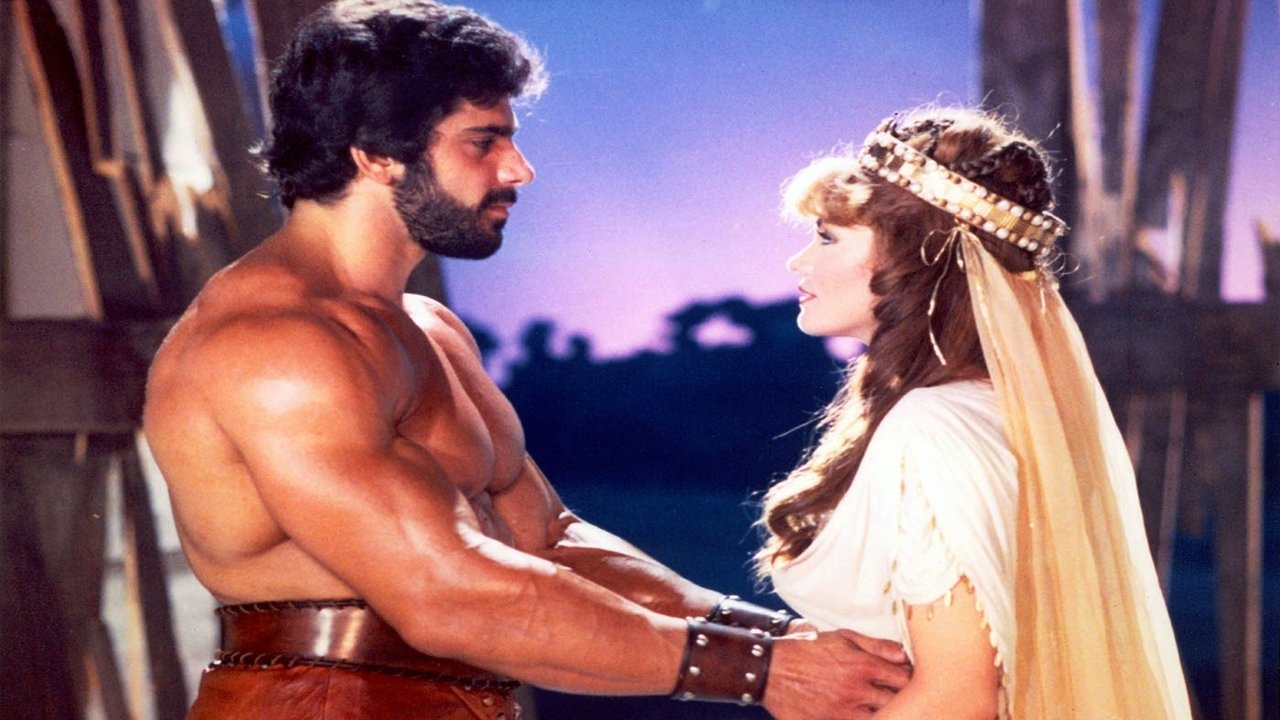
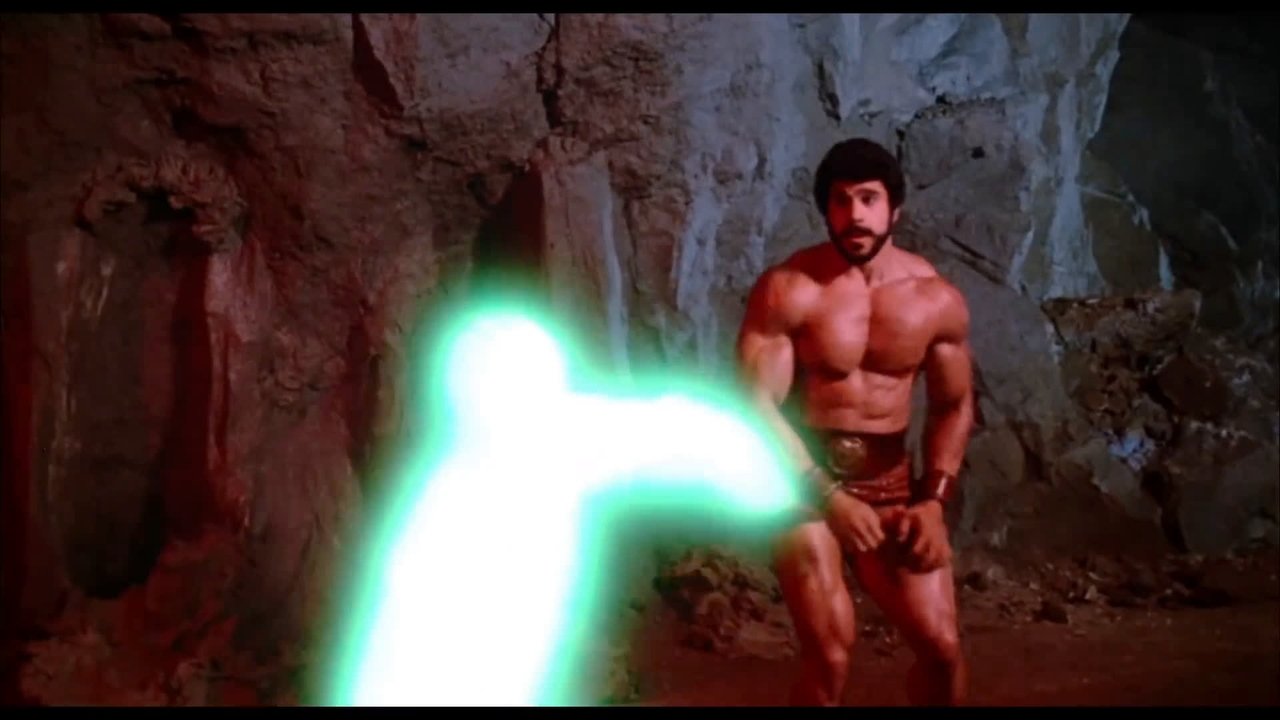
Remember seeing Lou Ferrigno on the cover? Fresh off his iconic, green-skinned run as TV's The Incredible Hulk, Ferrigno was Hercules. Physically, anyway. The man is a walking, breathing special effect, a mountain of muscle that the camera clearly adores. Director Luigi Cozzi, known for equally strange Italian sci-fi fare like Starcrash (1978), throws everything at the screen, hoping some of it sticks. The plot? Oh, it loosely involves Zeus creating Hercules, Hera getting jealous, King Minos being evil, and Hercules needing to rescue Princess Cassiopeia. But honestly, the plot is just the flimsy scaffolding holding up a series of increasingly bonkers set pieces.
We get Hercules wrestling a (frankly hilarious) bear, battling mechanical monsters that look like they escaped from a different, much cheaper movie, and generally flexing his way through challenges. One Retro Fun Fact that always makes me chuckle: Cozzi himself admitted he wanted to blend the classic Peplum (sword-and-sandal) genre with the massive success of Star Wars. That explains the glowing swords, the vaguely spaceship-like designs for Mount Olympus, and, yes, the laser battles between the gods. Zeus chucking energy bolts? Why not! It was the 80s, anything felt possible, especially if Golan-Globus were signing the checks.
### Cannon Goes Cosmic (on a Budget)
This film absolutely screams Cannon Films. They had a knack for producing movies that felt simultaneously ambitious and incredibly cheap, and Hercules is a prime example. While reportedly budgeted at a hefty (for Cannon) $18 million, it often looks… less expensive. Yet, there's an undeniable charm to its low-fi approach. The "science fantasy" angle, heavily pushed by Cozzi and co-writer Claudio Fragasso (yes, the mad genius who would later give us the immortal Troll 2!), feels less like a natural evolution of myth and more like a desperate attempt to cram every popular genre trope into one film. It's endearingly misguided.
The effects are a wild mix. We get gloriously dated optical effects for energy beams and cosmic shenanigans, feeling like they were painstakingly layered onto the film strip by hand. Then there's the stop-motion animation for some of the creatures. Remember the three-headed Hydra robot? Crude by today's standards, certainly, but back then, seeing these creations lumber across the screen felt like pure movie magic, even if you could practically see the animator's thumbprints. It was tactile; you felt the effort, the physical creation behind the illusion, something often lost in today's seamless CGI.
### Stop-Motion Mayhem & Real Muscle
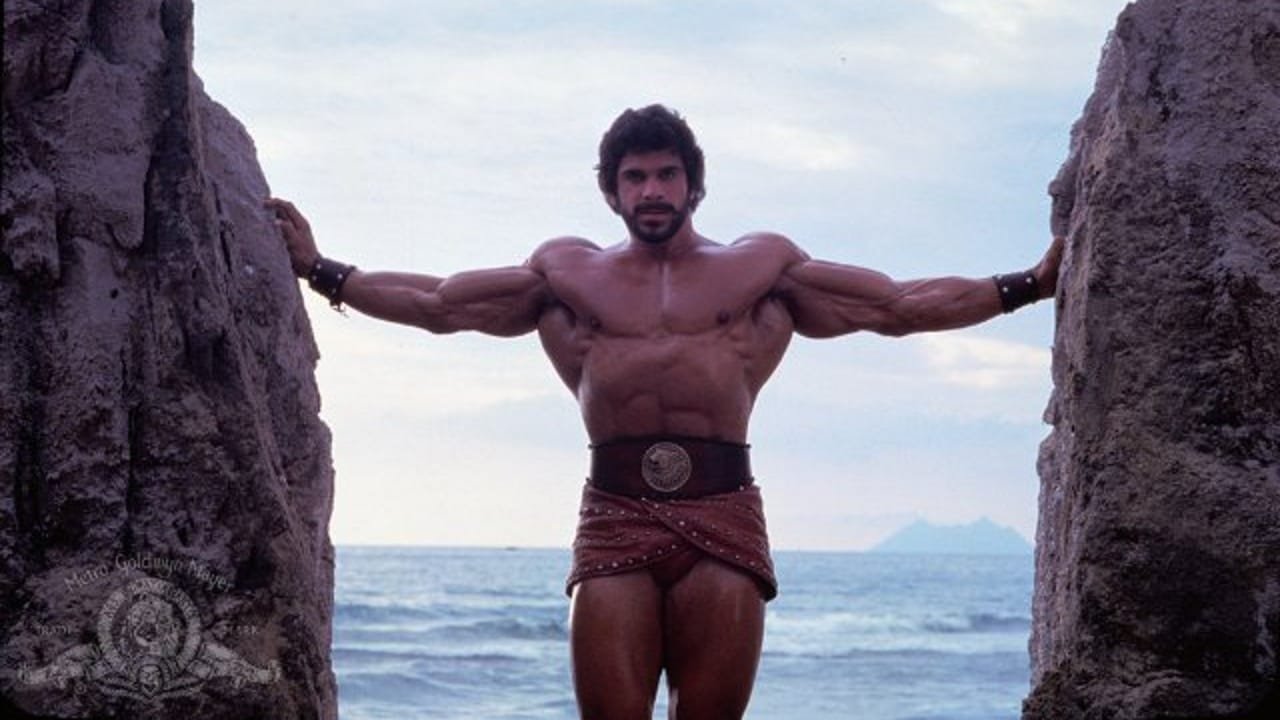
The action, when it happens, relies heavily on Ferrigno's sheer presence. He looks like he could throw a chariot into orbit (and nearly does!). There's a delightful physicality to it all. When Hercules tosses villains around or bends metal bars, you believe he could do it because, well, look at him! Retro Fun Fact: Ferrigno performed many of his own stunts, adding to that sense of tangible effort. The scene where he throws the bear (reportedly a poorly disguised stuntman in a suit, though some sources claim it was a sedated actual bear at one point, which is horrifying if true) is pure B-movie gold.
Supporting players like the delightfully camp Sybil Danning as the scheming Ariadne chew the scenery with gusto, adding to the operatic, over-the-top feel. Veteran actor Brad Harris brings some grizzled gravitas as King Augeias, a welcome anchor amidst the swirling chaos. The action sequences might lack the intricate choreography we see today, but they have a raw, clumsy energy. Those sword fights clanked with intention, the explosions felt genuinely fiery (because they often were real, small explosions), and the whole thing possessed a charmingly handmade quality. Didn't those glowing sword effects seem positively futuristic back then?
### Sound and Fury (Signifying... Something?)
Despite the visual absurdity, the film boasts a surprisingly epic and genuinely good score by Pino Donaggio. Known for his brilliant work with Brian De Palma on films like Carrie (1976) and Dressed to Kill (1980), Donaggio lends the proceedings a gravitas the script perhaps doesn't fully earn. His soaring themes try valiantly to convince you that you're watching a serious mythological epic, even when Hercules is fighting a robot centaur. It's a fantastic piece of work often overshadowed by the film's camp reputation.
Upon release, Hercules wasn't exactly a critical darling (shocking, I know) and underperformed at the box office, reportedly grossing around $10 million against that questionable $18 million budget. Yet, like so many films from the era, it found a dedicated audience on home video. Renting this tape was a rite of passage for many young fantasy and action fans, drawn in by Ferrigno and the promise of monsters and mayhem. It even spawned an equally bizarre sequel, The Adventures of Hercules (1985).
---
Rating: 4/10
Justification: Let's be honest, Hercules is objectively not a "good" film in the traditional sense. The acting is often wooden (Ferrigno, bless him, was hired for his physique, not his Shakespearean delivery), the dialogue is clunky ("Thanks to my sacred sword!"), and the effects range from ambitious-for-the-time to laughably bad. However, it earns points for its sheer audacity, its unwavering commitment to its bizarre vision, Ferrigno's iconic presence, Donaggio's score, and its status as a prime slice of 80s Cannon cheese. It fails as serious myth but succeeds as unintentional comedy and a fascinating artifact of its time.
Final Take: This is pure, unadulterated VHS-era lunacy. It's Hercules reimagined by people who loved Greek myths slightly less than they loved laser pointers and He-Man figures. Utterly ridiculous, frequently boring, but undeniably memorable and essential viewing for connoisseurs of glorious 80s excess. Fire it up when you need a reminder that sometimes, sheer conviction (and enormous biceps) is all you need to get a movie made, logic be damned.