Alright, fellow tapeheads, slide that well-worn copy of The Adventures of Hercules (1985) into the VCR, adjust the tracking just so, and prepare for a journey that’s less classical myth and more cosmic fever dream filtered through an Italian lens and powered by pure, unadulterated 80s cheese. If you stumbled upon this gem back in the day, nestled between Golan-Globus action flicks at the local video store, you know you were in for something… special.
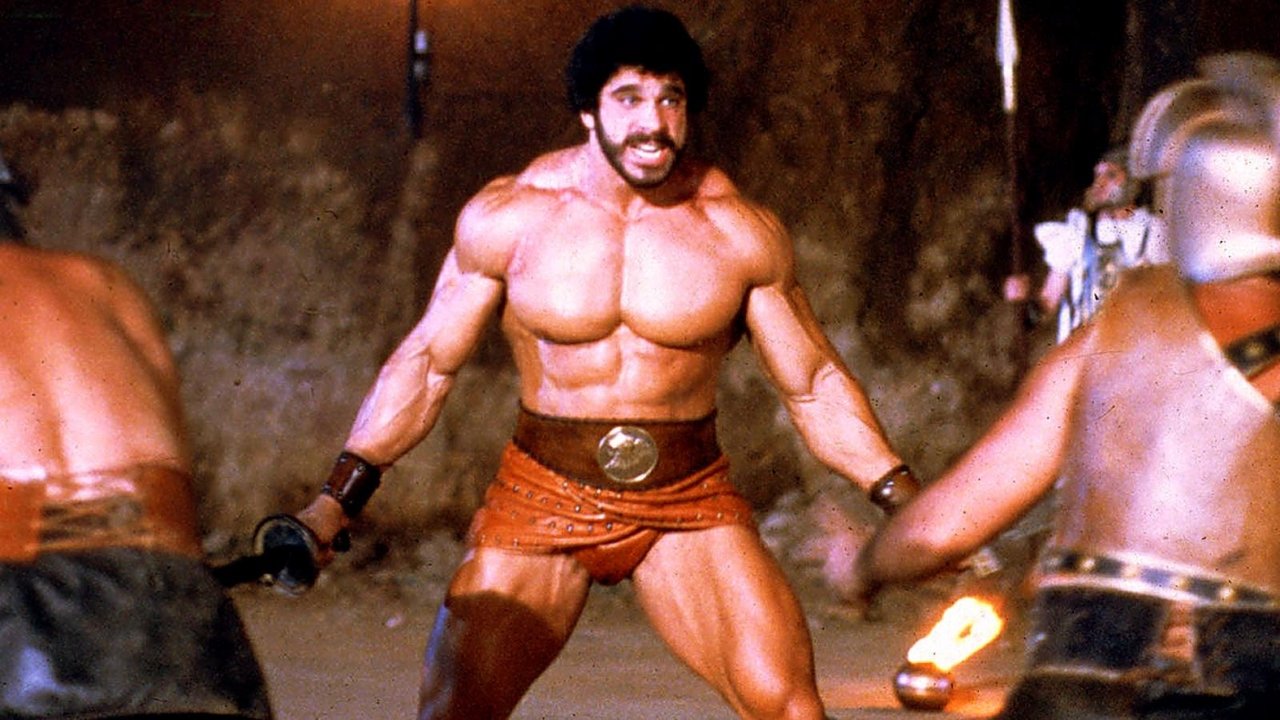
This isn't your stuffy professor's Hercules. Oh no. This is Lou Ferrigno’s Hercules, Part Deux, following up on his 1983 outing, and director Luigi Cozzi (the maestro behind the wonderfully gaudy Starcrash) seemingly decided the first film wasn't nearly strange enough. Forget loincloths and labours; think laser battles, stop-motion monsters that look like rejected cereal mascots, and Hercules literally throwing bears into space. Yes, you read that right.
### Zeus Gets Cosmic, Herc Gets Busy
The plot, such as it is, involves rebellious gods stealing Zeus's seven mighty thunderbolts, scattering them across the cosmos (and conveniently, Earth) and weakening the King of the Gods. Hera, ever the antagonist, uses this opportunity to unleash chaos, leaving it up to our favourite incredibly-hulking demigod to retrieve the bolts and restore order. Helping him are the Sybil Urania (Milly Carlucci) and the forest nymph Glaucia (Sonia Viviani), providing exposition and damsel-in-distress duties respectively.
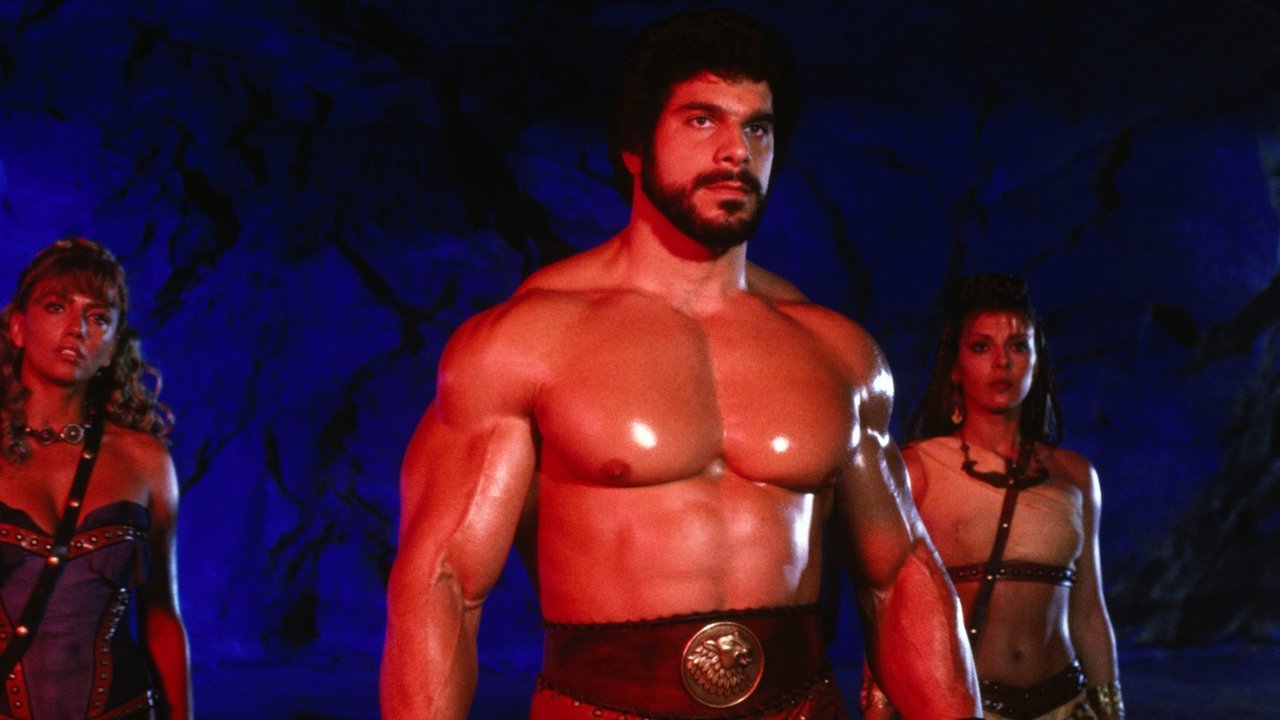
But let's be honest, we didn't rent this for the intricate plotting, did we? We came for the spectacle, and Cozzi delivers it in spades, albeit spectacle painted with a distinctly low-budget, high-imagination brush. Remember those incredibly vibrant, almost psychedelic animated light effects overlaid onto the live-action? Cozzi, operating under his frequent English pseudonym "Lewis Coates," leaned heavily into optical printing and rotoscoping techniques, learned partly from his admiration for Japanese animation, to give the film its unique (and some might say bizarre) visual flair. It was a way to create cosmic energy and magical phenomena without breaking the bank, a hallmark of Italian genre filmmaking of the era.
### Ferrigno Flexes, Effects Perplex
Lou Ferrigno is, undeniably, Hercules. His sheer physical presence, honed from his legendary bodybuilding career and his iconic run as TV's The Incredible Hulk, fills the screen. He looks like he could actually perform the impossible feats the script demands. While his line delivery might sometimes have the same gentle cadence he used as Bruce Banner's alter-ego (often dubbed, as was common practice in Italian productions), his earnestness sells the role. You believe he believes he can wrestle that robotic hydra or punch a sentient slime monster. There's a charming sincerity to his performance amidst the surrounding absurdity. It's reported that Ferrigno, despite the often-grueling Italian shoot schedules common for these productions filmed largely around Rome, remained committed to embodying the mythological strongman.
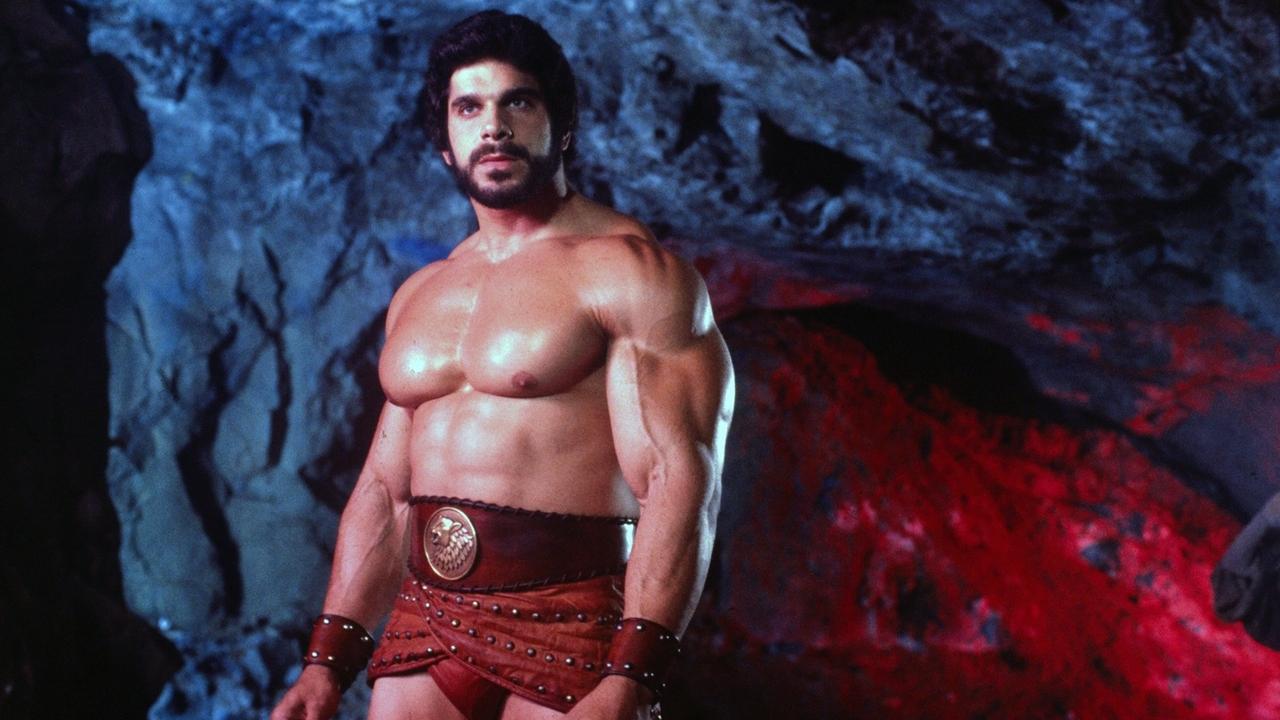

And the effects! Oh, the glorious practical effects. This is pure VHS Heaven material. We get wonderfully clunky stop-motion animation for creatures like the fiery Antaeus and some truly baffling monster designs that defy easy description. That infamous scene where Hercules grows to giant size and battles a mechanical King Minos? Pure, unadulterated B-movie magic. It’s miles away from today’s seamless CGI, sure, but there’s a tangible quality here, a sense of artists wrestling with physical materials – miniatures, puppets, optical printers – to put their wild visions on screen. Didn't those glowing energy bolts feel somehow more real back then precisely because they looked a little handmade and flickered on our CRT screens?
The score by the legendary Pino Donaggio (a frequent Brian De Palma collaborator who scored films like Carrie and Dressed to Kill) lends the proceedings an undeserved sense of grandeur, trying its best to elevate the cosmic bear-tossing to operatic heights. It's a genuinely good score attached to a delightfully goofy movie.
### A Cult Oddity Forged in Cannon Fire
Produced by the legendary Cannon Group, helmed by Menahem Golan and Yoram Globus, The Adventures of Hercules fits right into their eclectic and often perplexing catalogue. Like many Cannon films, it aimed high with B-movie resources, resulting in something uniquely memorable, if not entirely successful in its own time. Critically mauled upon release and a box office disappointment compared to its already modestly successful predecessor, the film found its true home on VHS shelves and late-night cable. It became a cult favourite precisely because of its outlandish visuals, nonsensical plot turns, and earnest commitment to its own brand of weirdness. It’s the kind of film you’d excitedly tell your friends about the day after catching it on TV – "You will not believe what Hercules does in this one!"
Is it technically "good" cinema? Probably not by conventional standards. The pacing lurches, the dialogue is functional at best, and the logic operates on dreamlike (or perhaps budget-constrained) principles. But is it entertaining? Absolutely. It’s a testament to a time when filmmakers threw caution, and sometimes good taste, to the wind, armed with little more than practical effects, big ideas, and Lou Ferrigno's biceps.
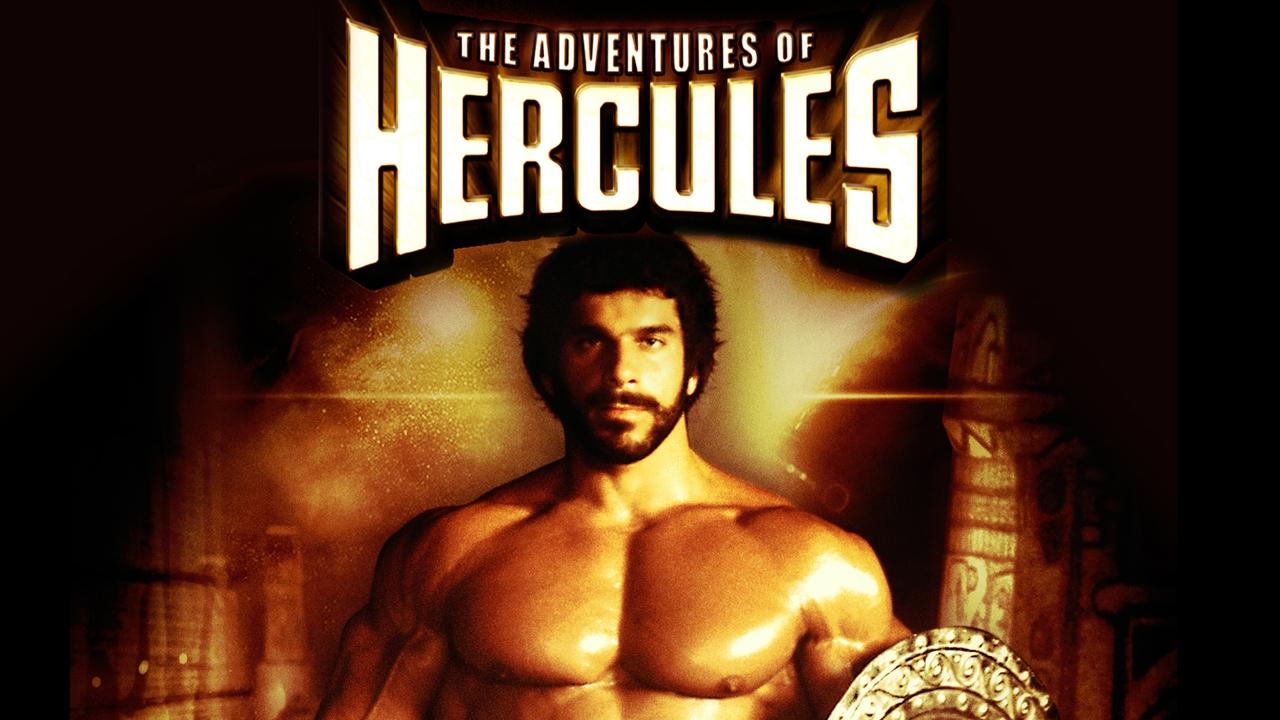
Rating: 6/10
Why this score? While objectively flawed in plot and often laughable in execution, The Adventures of Hercules earns points for its sheer imaginative audacity, unforgettable low-budget visual effects spectacle, Ferrigno's earnestness, and its status as a prime example of wonderfully weird 80s Italian fantasy filmmaking. It delivers exactly the kind of bizarre charm we cherish here at VHS Heaven – it might not be high art, but it’s high strangeness, and that counts for a lot.
Final Take: A cosmic cocktail of sword-and-sorcery, sci-fi absurdity, and Italian B-movie charm, best enjoyed with the tracking slightly off and your disbelief cheerfully suspended somewhere near Jupiter. They truly don't make 'em like this anymore, flaws and all.