There's a certain kind of quiet that settles over planned communities, a manufactured tranquility that can feel more stifling than serene. Jonathan Kaplan's 1979 film Over the Edge plunges us headfirst into that quiet, only to reveal the chaotic, frustrated roar simmering just beneath the surface. It wasn't a blockbuster, barely even saw a proper release initially thanks to nervous distributors worried about copycat incidents, but for those of us who discovered it later, perhaps on a grainy VHS tape passed between friends or during a late-night cable slot, it left an indelible mark. It’s a film that doesn’t just depict teenage rebellion; it dissects the suburban boredom and adult indifference that fuels it.
### Nowhere to Go
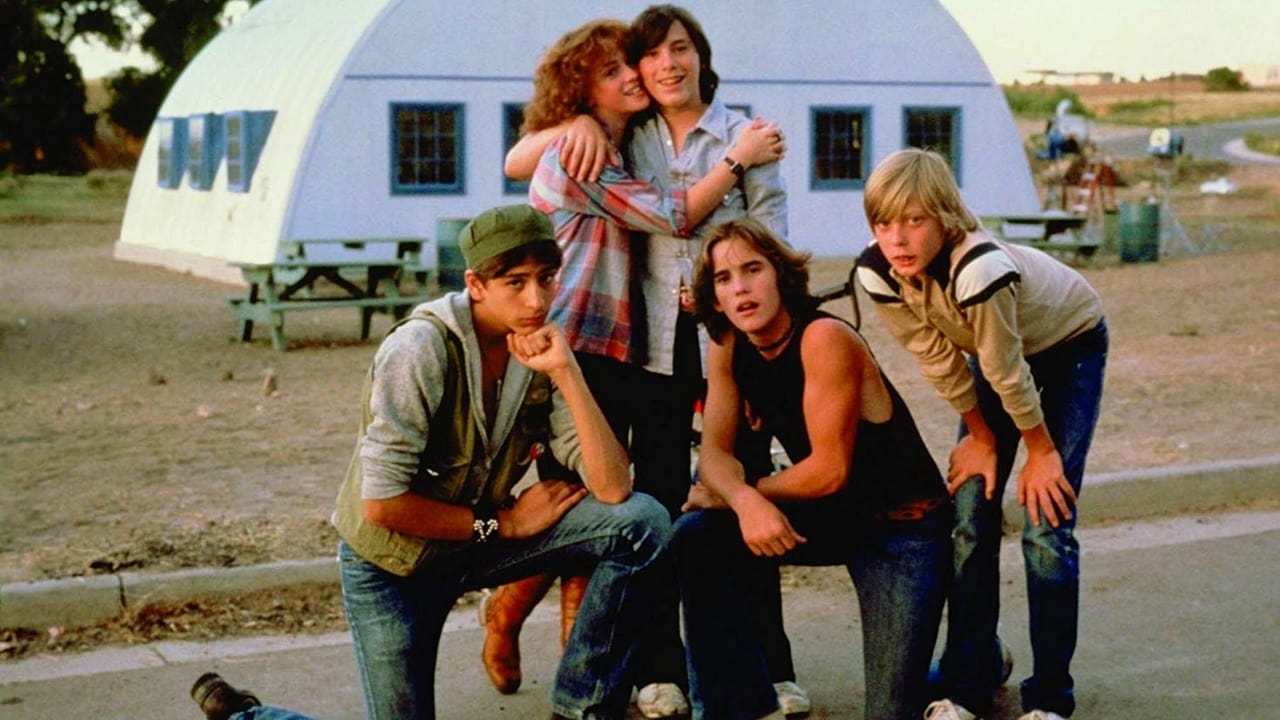
The setting is New Granada, a stark collection of condos and cul-de-sacs plopped down in the middle of nowhere. It's sold as a utopia, but for the kids living there, it's a sun-baked cage. There's nothing to do, nowhere to go. The only recreational outlet, the local rec center, becomes a focal point for simmering tensions between the restless youth and the increasingly wary adults and authorities. Written by Charles S. Haas and Tim Hunter (who would later explore similar dark veins of youth with River's Edge), the screenplay captures this specific, potent brand of adolescent aimlessness with uncomfortable accuracy. It’s less about grand dramatic gestures and more about the slow burn of boredom, minor transgressions escalating out of desperation for something to happen.
### Faces in the Crowd
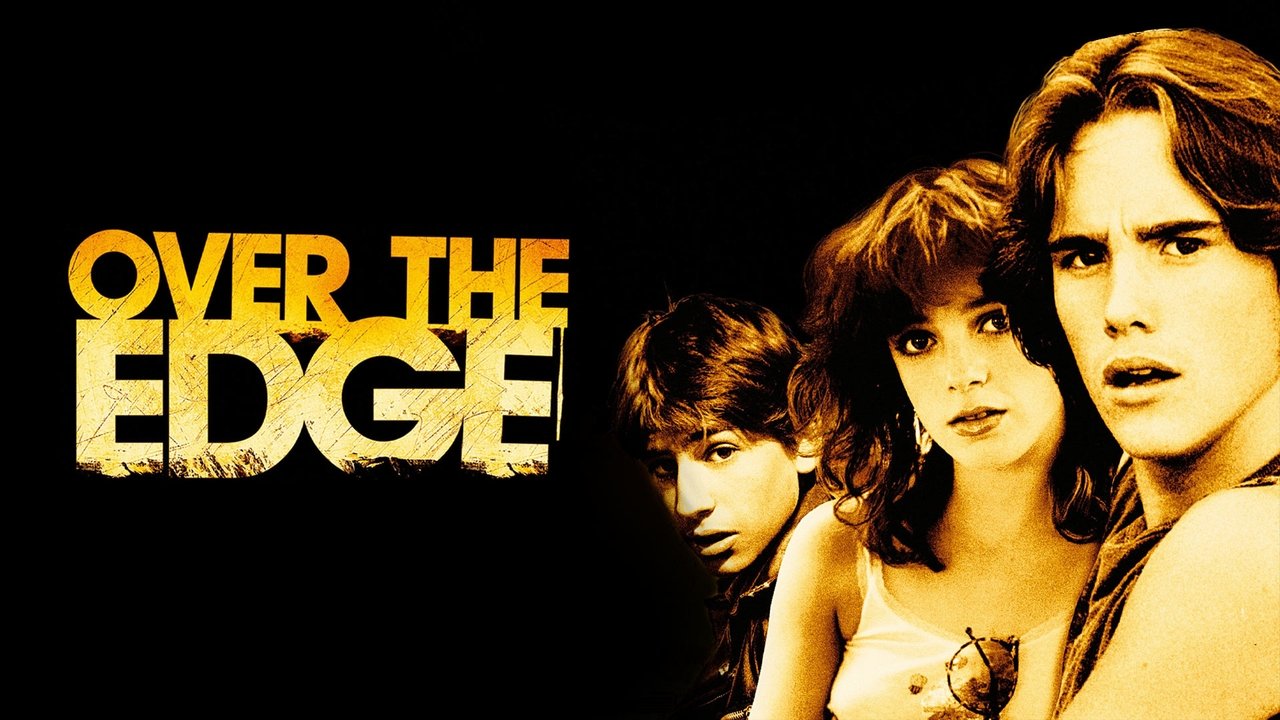
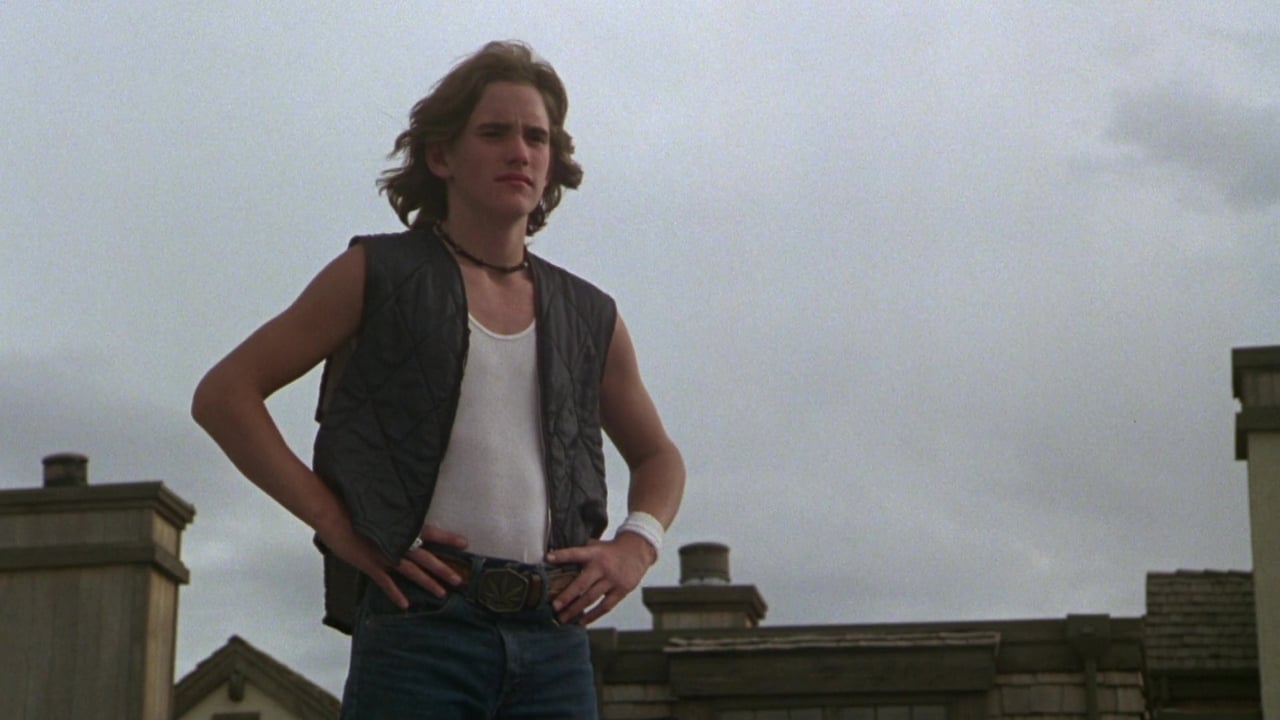
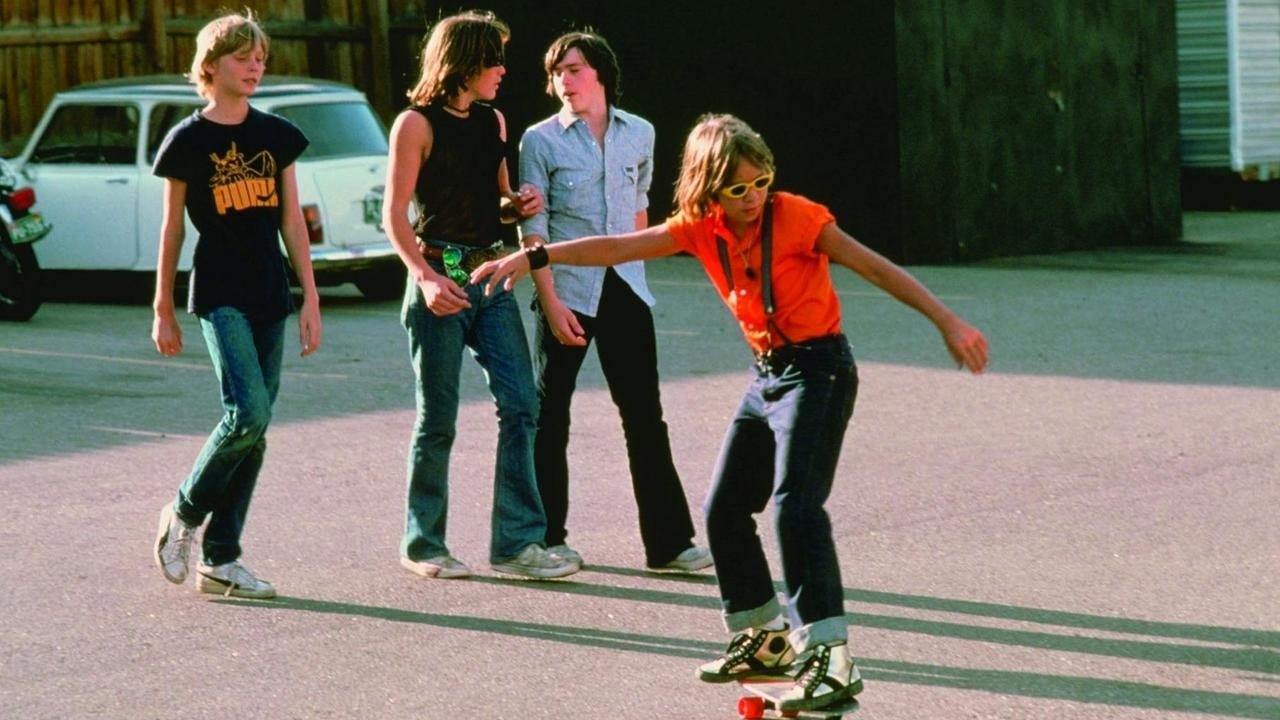
What truly elevates Over the Edge is the astonishing authenticity of its young cast, many of whom were non-actors discovered during casting calls at junior high schools. At the center is Michael Eric Kramer as Carl, the sensitive, intelligent kid trying to navigate the social minefield and the escalating crackdown. He's our anchor, his frustration palpable. And then there's Richie White, brought to electrifying life by a fifteen-year-old Matt Dillon in his unforgettable screen debut. Dillon possesses a raw charisma here, a magnetic mix of nonchalance and coiled danger. He doesn't have many lines, but his presence dominates every scene he’s in – the embodiment of cool defiance born from neglect. Alongside them, Pamela Ludwig as Cory and the entire ensemble feel remarkably real; they aren't Hollywood archetypes but kids you might have known, grappling with feelings they can't articulate in an environment that doesn't care to listen.
### The Gathering Storm
Jonathan Kaplan directs with a documentary-like sensibility, letting the atmosphere build organically. The camera often observes from a slight distance, capturing the sprawling, impersonal landscape and the kids dwarfed within it. There’s a deliberate lack of gloss; the film feels baked in the same Colorado sun as its characters, dusty and restless. The soundtrack, packed with late-70s rock anthems from Cheap Trick, The Cars, Van Halen, and the Ramones, isn't just background noise; it's the pulse of teenage angst, the only vibrant outlet in a beige world. It perfectly underscores the mounting tension, the sense that something has to give. The film’s power lies in its refusal to paint easy villains or heroes. The adults aren't uniformly monstrous, just often misguided, preoccupied, or fearful. The kids aren't simply delinquents; they're bored, neglected, and reacting to a system that seems designed to contain rather than nurture them.
### Echoes in the Concrete
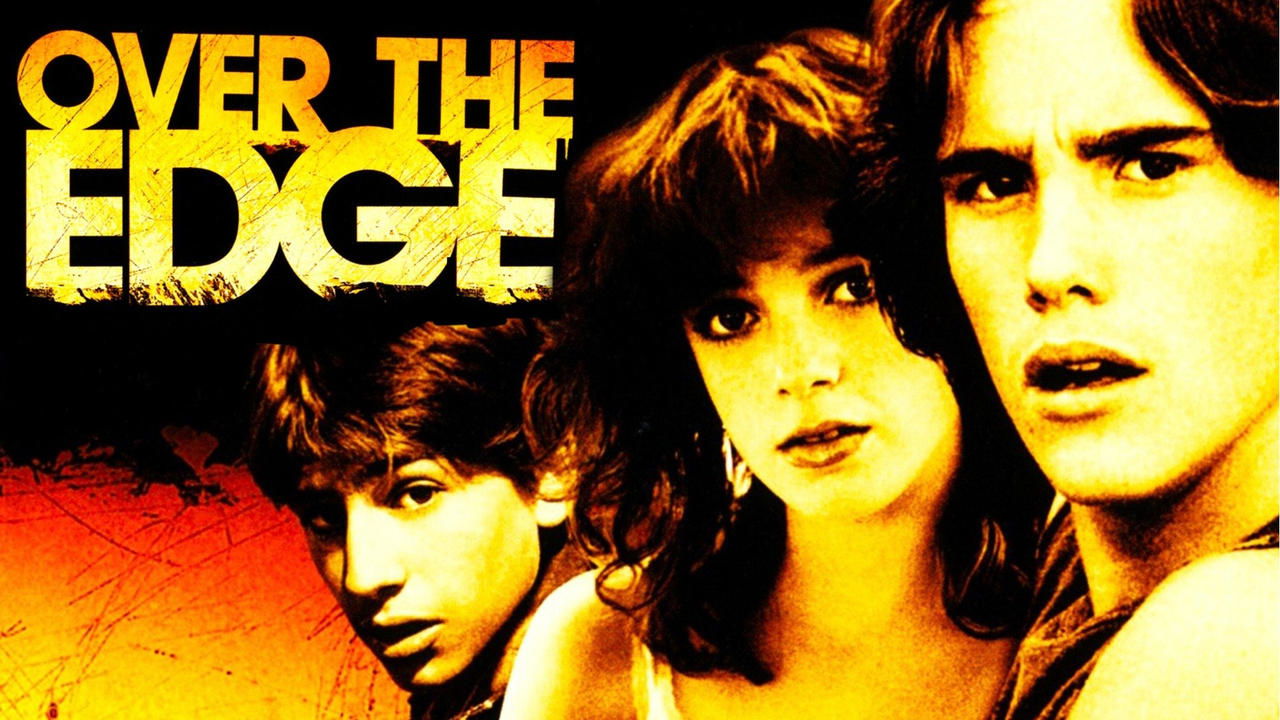
It’s fascinating, and perhaps disheartening, how relevant the film’s core concerns remain. That disconnect between generations, the failure of communities to provide meaningful engagement for their youth, the way minor conflicts can spiral due to poor communication and entrenched positions – doesn't this all sound familiar? The film was inspired by real events detailed in a 1973 newspaper article about planned community youth vandalism in Foster City, California, lending its narrative a chilling weight. Its troubled release meant it bypassed mainstream attention, but its slow-burn discovery on home video and cable cemented its status as a cult classic, a raw nerve ending of 70s cinema. Its influence is undeniable, cited by figures like Kurt Cobain and echoed in countless subsequent explorations of teenage disillusionment. Discovering this Over the Edge VHS felt like uncovering a secret history, a truth about the suburban dream gone sour.
### Lasting Disturbance
Over the Edge isn't an easy watch, nor should it be. It avoids neat resolutions and easy moralizing, opting instead for a portrait of simmering frustration that finally, inevitably, boils over. The final act is shocking, chaotic, and deeply unsettling, not because it feels gratuitous, but because it feels like the tragically logical endpoint of everything that came before.
Rating: 9/10
The justification for this score rests on the film's unflinching honesty, its powerful and authentic performances (especially Dillon's debut and Kramer's lead), Kaplan's evocative direction, and its lasting cultural resonance as a defining portrait of youth alienation. Its troubled release only adds to its legend. It’s a near-perfect time capsule of late-70s angst that still feels startlingly immediate.
Over the Edge lingers long after the credits roll, leaving you with the unsettling feeling of looking through a window into a moment of profound generational breakdown, wondering how much has truly changed.