### The Silence Between Stars
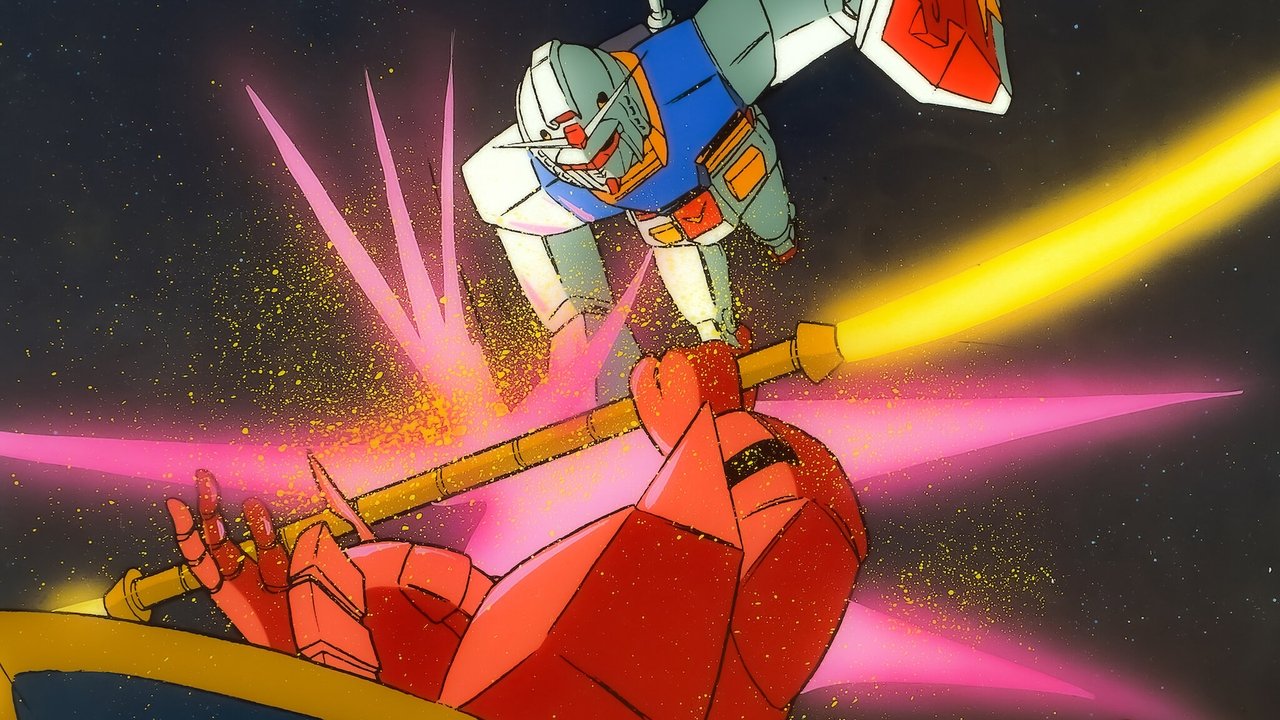
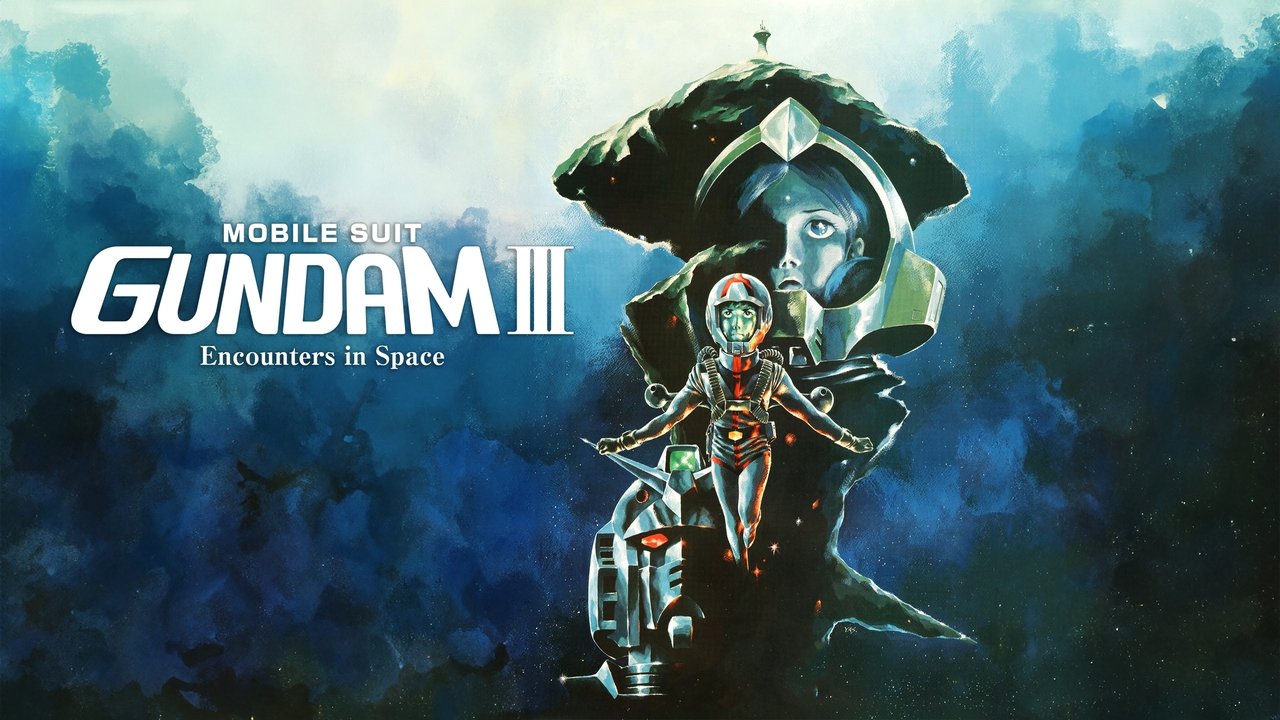
There's a profound silence in space, isn't there? Not just the lack of sound, but a vast, crushing emptiness that can amplify the smallest human drama into something operatic. That feeling permeates Mobile Suit Gundam III: Encounters in Space (1982), the concluding chapter of the cinematic retelling of the groundbreaking 1979 anime series. Watching it again now, decades removed from squinting at a worn-out VHS copy likely taped off late-night TV, what strikes me isn't just the iconic mecha battles, but the sheer weight of the human cost rendered against that cosmic backdrop. This wasn't just robots fighting; it felt like watching souls fray at the edges of the known universe.
From Earthbound Conflict to Celestial Reckoning
Picking up where the second film left off, Encounters in Space throws us headlong into the final, desperate stages of the One Year War between the Earth Federation and the Principality of Zeon. The action primarily shifts from terrestrial battlefields to the void, centering on the Federation's White Base crew and the escalating psychic abilities – and accompanying burdens – of its young ace pilot, Amuro Ray (Toru Furuya). Director Yoshiyuki Tomino, along with co-director Ryoji Fujiwara, masterfully condensed the sprawling final arc of the television series, focusing tightly on the escalating conflict and the deeply personal struggles of its key players. It’s a distillation, yes, but one that retains the potent core of Tomino's vision.
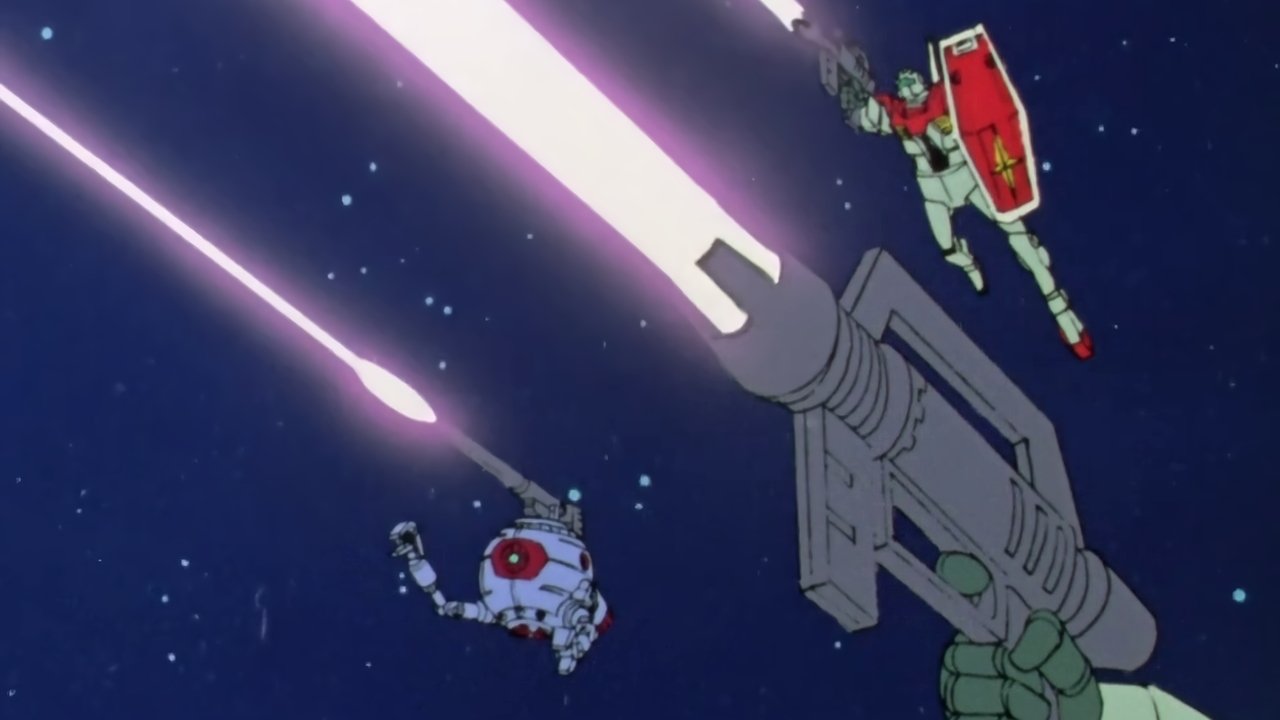
For those unfamiliar, the original Mobile Suit Gundam TV series had a rocky start, facing cancellation before finding fervent support. These compilation films were instrumental in cementing its legendary status, refining the narrative and, crucially, adding new animation sequences that smoothed transitions and punched up key moments. Encounters in Space, in particular, benefits from this, presenting space combat with a dynamism that, while dated by today's standards, felt absolutely revolutionary back then. Remember seeing those beam rifle shots slice through the darkness, the intricate choreography of Mobile Suits dodging and weaving amidst asteroid fields? It still carries a certain raw energy.
The Tragedy of Understanding
What truly elevates this film, and the Gundam saga as a whole, beyond typical giant robot fare is its unflinching look at the psychological toll of war. Amuro isn't a hot-blooded hero eager for battle; he's a deeply strained young man grappling with immense power he never asked for, witnessing horrors that leave visible scars. His evolution into a "Newtype" – a human with heightened spatial awareness and psychic potential, believed to be humanity's next evolutionary step – isn't portrayed as a simple superpower upgrade. It brings isolation, a painful sensitivity to the emotions and intentions of others, particularly his enemies.
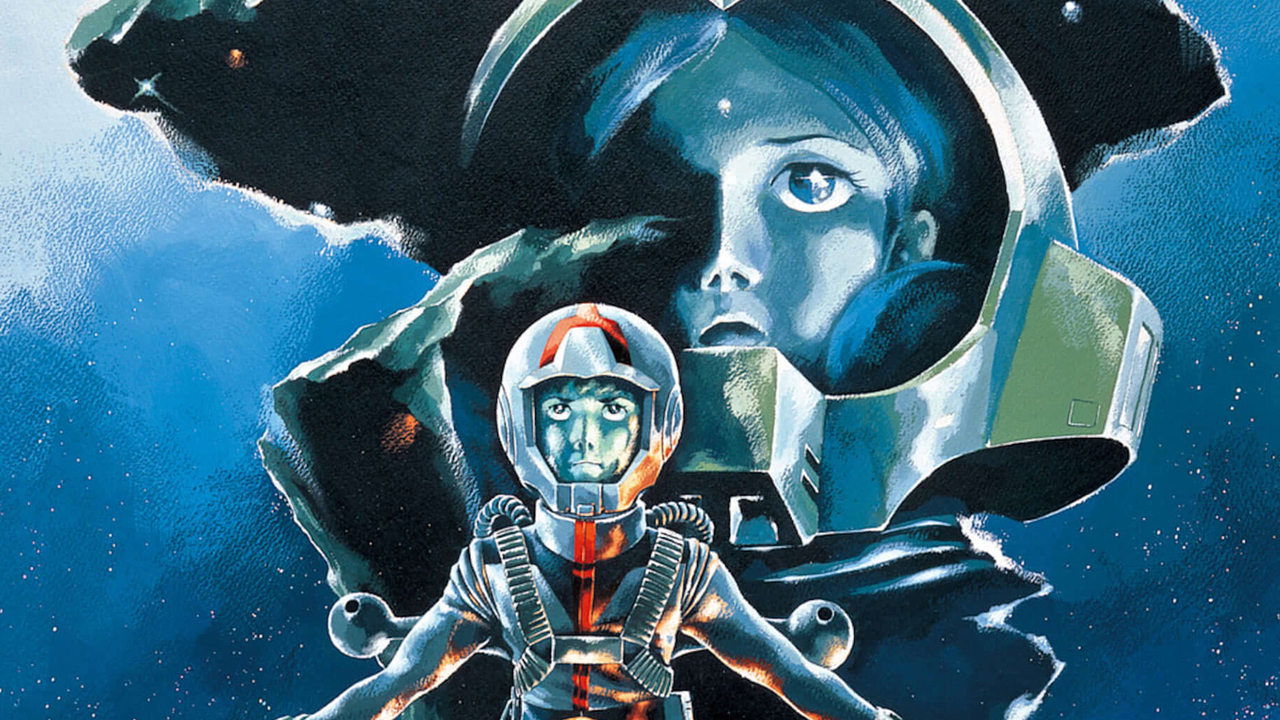
This resonates most powerfully in his interactions with the enigmatic Char Aznable (Shuichi Ikeda, whose smooth, calculating delivery remains iconic) and the tragic figure of Lalah Sune (Keiko Han). The complex triangle between these three characters forms the emotional heart of the film. Lalah, another powerful Newtype aligned with Char, becomes a focal point of shared understanding and devastating conflict between the two rivals. Their psychic connection transcends the battlefield, hinting at a potential for empathy even amidst total war, only to be cruelly snatched away. It’s a narrative beat that explores profound questions: Can true understanding exist between enemies? Does shared potential inevitably lead to conflict in a world built on division? These aren't easy questions, and Tomino, often known by the grim moniker "Kill 'em all Tomino" for his willingness to dispatch beloved characters, doesn't offer simple answers.
Sounds and Sights of a Space Opera
The voice acting is superb throughout. Toru Furuya captures Amuro’s journey from reluctant pilot to weary veteran with aching authenticity, while Shuichi Ikeda embodies Char’s blend of charisma, ruthlessness, and hidden vulnerability. The supporting cast, including Hirotaka Suzuoki as the stalwart Bright Noa, rounds out an ensemble that feels remarkably real despite the fantastical setting.
Visually, the film is a product of its time, but the iconic designs by Kunio Okawara – the RX-78-2 Gundam, the Zakus, the Gelgoogs – remain legendary. The newly animated sequences integrate reasonably well, enhancing the fluidity of the space battles. The dogfights amidst the debris of Side 6 or the chaos around the fortress of A Baoa Qu feel vast and consequential. The score, too, effectively blends militaristic themes with more melancholic melodies, underscoring the opera playing out amongst the stars. It’s interesting to note that condensing roughly the final 13 episodes (from 31 to 43) into just over two hours required significant narrative compression, yet the emotional core remains remarkably intact, a testament to the focused editing and Tomino’s clear thematic direction.
Enduring Resonance
Mobile Suit Gundam III: Encounters in Space isn't just an essential piece of anime history; it's a powerful anti-war statement wrapped in a thrilling sci-fi adventure. It cemented the "Real Robot" genre, moving away from invincible super robots towards treating mecha as plausible instruments of war, piloted by fallible humans in complex political landscapes. Its influence is undeniable, launching a franchise that continues to explore these themes across countless timelines and series. For many of us who caught these films on grainy VHS, perhaps rented from a dusty corner of the video store or taped from a late-night broadcast, it was an early exposure to animation that dared to be mature, complex, and emotionally devastating.
Rating: 9/10
This film earns its high score not just for its historical significance, but for its enduring power. It’s a masterful condensation of a complex narrative, delivering intense action alongside profound character drama and thematic depth. The animation shows its age, preventing a perfect score, but the storytelling, voice acting, and sheer emotional impact remain incredibly potent.
It leaves you pondering not just the spectacle of war, but the quiet tragedies that unfold within it, lost in the silent immensity between the stars. What future awaits a humanity that evolves psychic potential, only to seemingly weaponize it first?