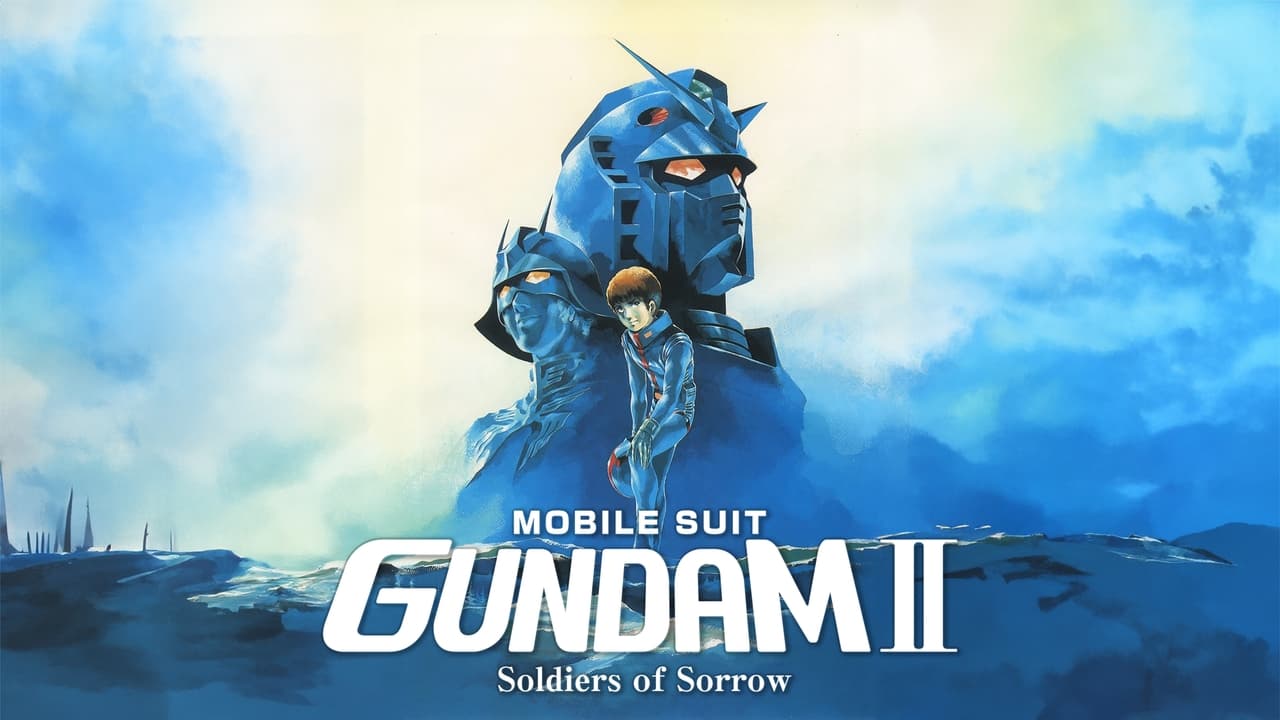
There's a certain weight that settles in the pit of your stomach when the words "Soldiers of Sorrow" appear on screen. It’s not just a title; it’s a declaration of intent, a promise of the emotional gauntlet Yoshiyuki Tomino planned to run us through in this second cinematic distillation of his groundbreaking 1979 series, Mobile Suit Gundam. Released in 1981, Mobile Suit Gundam II: Soldiers of Sorrow isn't merely a continuation; it’s a descent into the darkening heart of the Universal Century's One Year War, a place where the sheen of adventure wears thin, revealing the stark, human cost beneath the towering metal behemoths.

From Series Arc to Cinematic Punch
Condensing roughly sixteen episodes (around 16-31 of the original TV run) into a feature film is always a tricky proposition. While the first compilation movie set the stage, Soldiers of Sorrow arguably benefits most from this format. The middle stretch of the Mobile Suit Gundam series was dense with character development and pivotal, often tragic, encounters. By trimming some of the episodic fat and focusing the narrative, Tomino (credited alongside the collective pseudonym Hajime Yatate for the script) delivers a more potent emotional impact. The pacing feels less like a highlight reel and more like an urgent, breathless chronicle of survival against mounting odds. It's a fascinating example of how audience fervor, particularly the explosion of Gunpla model kit sales after the original show's lukewarm reception and cancellation, directly led to these films being made, giving Tomino a chance to refine his vision.
The Fading Innocence of Amuro Ray

If the first film introduced us to Amuro Ray (Toru Furuya) as a reluctant civilian thrust into piloting the Federation's secret weapon, this installment charts his painful evolution into a soldier grappling with the grim necessities of his role. Furuya's voice work is exceptional here, capturing the fraying nerves, the flashes of adolescent frustration giving way to a haunted maturity. We see Amuro pushed to his limits, not just by the increasingly sophisticated Zeon mobile suits, but by the psychological toll of combat. His encounters – particularly the complex relationship with Zeon ace Ramba Ral and the devastating arc involving the young spy Miharu Ratokie – are central to the film's power. These aren't just plot points; they are crucibles forging Amuro's identity, stripping away innocence layer by painful layer. What does it mean when survival necessitates taking lives, even those you might understand or pity? The film doesn't shy away from the discomfort of that question.
War's Shadow, Not Its Glory
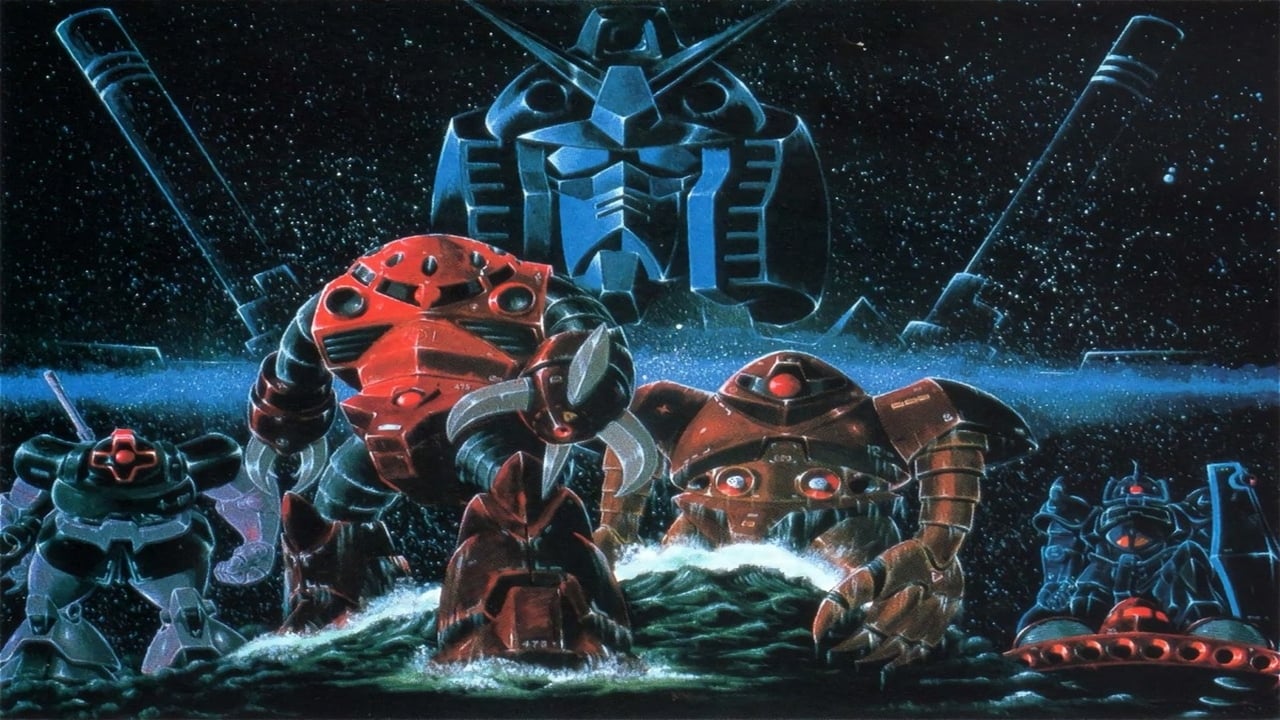
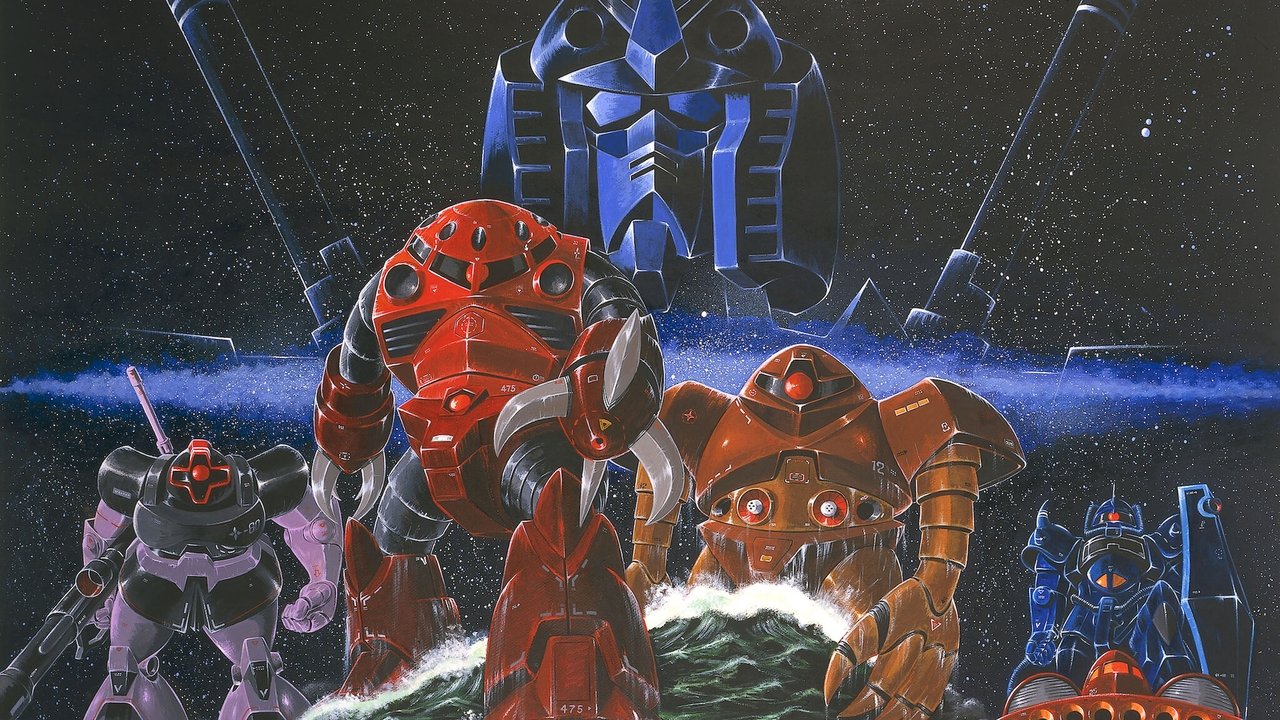
Soldiers of Sorrow truly cements Gundam's place in the "Real Robot" genre. Unlike the super-powered invincibility often seen in earlier mecha anime, the conflict here feels grounded and brutal. Mobile suits are powerful, yes, but they are also vulnerable machines crewed by fragile humans. Tomino's direction, which earned him the somewhat grim fan nickname "Kill 'em all Tomino," emphasizes the suddenness and finality of death. Victories are hard-won and often tinged with loss. The animation, while undeniably of its era (produced by the legendary Sunrise studio), carries a distinctive weight. The mechanical designs feel functional, the battles kinetic yet strategic, and the moments of human vulnerability amidst the chaos land with genuine force. The film doesn't glorify war; it depicts it as a relentless engine consuming lives and ideals.
Echoes in the Void: Sound and Performance
Beyond the visuals, the soundscape contributes significantly. The score, including the iconic and melancholic theme song "Ai Senshi" (Soldiers of Sorrow) by Daisuke Inoue – a track that became almost inseparable from the film in Japan – underscores the pervasive sense of tragedy. And the voice cast continues to shine. Shuichi Ikeda imbues Char Aznable with that magnetic blend of charisma, menace, and hidden agenda, making him far more compelling than a simple antagonist. Hirotaka Suzuoki as Bright Noa embodies the thankless burden of command, trying to hold the White Base crew together amidst constant crisis. These performances breathe life into the animation, making the characters' struggles resonate deeply.
A Legacy Forged in Sorrow
Watching Soldiers of Sorrow today, perhaps on a well-worn VHS tape pulled from the back of the shelf, is a potent reminder of how transformative Gundam was. It dared to treat its animated sci-fi premise with the seriousness of a war drama. This film, alongside its companions, didn't just entertain; it challenged its audience, exploring complex themes of duty, loss, the nature of conflict, and the transition from youth to adulthood under extreme duress. It was a massive success in Japan, reportedly earning around ¥1.4 billion (part of a trilogy grossing approximately ¥5 billion – serious money back then!), proving that audiences were ready for more mature animated storytelling. It wasn't just about cool robots; it was about the people inside them and the sorrow they carried.
Rating: 8.5/10
This rating reflects the film's powerful emotional core, its successful distillation of the source material's key arcs, and its significance in elevating the Gundam narrative. While the necessary condensation occasionally rushes moments that might have breathed more in the series, the overall impact is undeniable. Soldiers of Sorrow achieves a focused intensity, delivering a poignant and often harrowing look at the human cost of war that resonates long after the iconic mobile suits have powered down.
What lingers most isn't the spectacle of battle, but the faces of those caught within it – the soldiers, burdened by a sorrow that defines their fight for survival.