It often feels like the real magic trick of the VHS era wasn't necessarily found in the blockbuster fantasy epics, but in discovering those unexpected, half-forgotten gems tucked away on the lower shelves of the rental store. Sometimes, a title alone could pique your curiosity. Such is the case with the 1982 German TV movie known internationally as Magicians, though its original title, Die Jäger (The Hunters), perhaps paints a more accurate, and altogether grimmer, picture of its Cold War heart. This isn't a film about pulling rabbits from hats; it’s about the deadly illusions spun in the shadowy world of espionage.

Shadows Across the Wall
Produced for West Germany's ZDF television network, Magicians drops us squarely into the chilly paranoia of a divided Europe. The premise, penned by the prolific crime writer Karl Heinz Willschrei (a name familiar to anyone who followed German Krimis like Tatort back in the day), is classic Cold War cat-and-mouse, but with a compelling twist. We meet two seasoned intelligence agents: Martin Martius (Siegfried Rauch) working for the West, and Alex Bergström (Christian Quadflieg) serving the East. They are professionals, adversaries shaped by the ideological chasm separating their nations. Yet, they find themselves forced into an uneasy, almost unthinkable alliance. A dangerous third player, the ruthless freelance operative Scarabis (Wolfgang Kieling), is manipulating events, threatening to ignite a conflict that neither side truly wants. Can these two 'hunters,' trained to stalk each other, learn to hunt together before it's too late?
Masters of Deception, Not Diversion
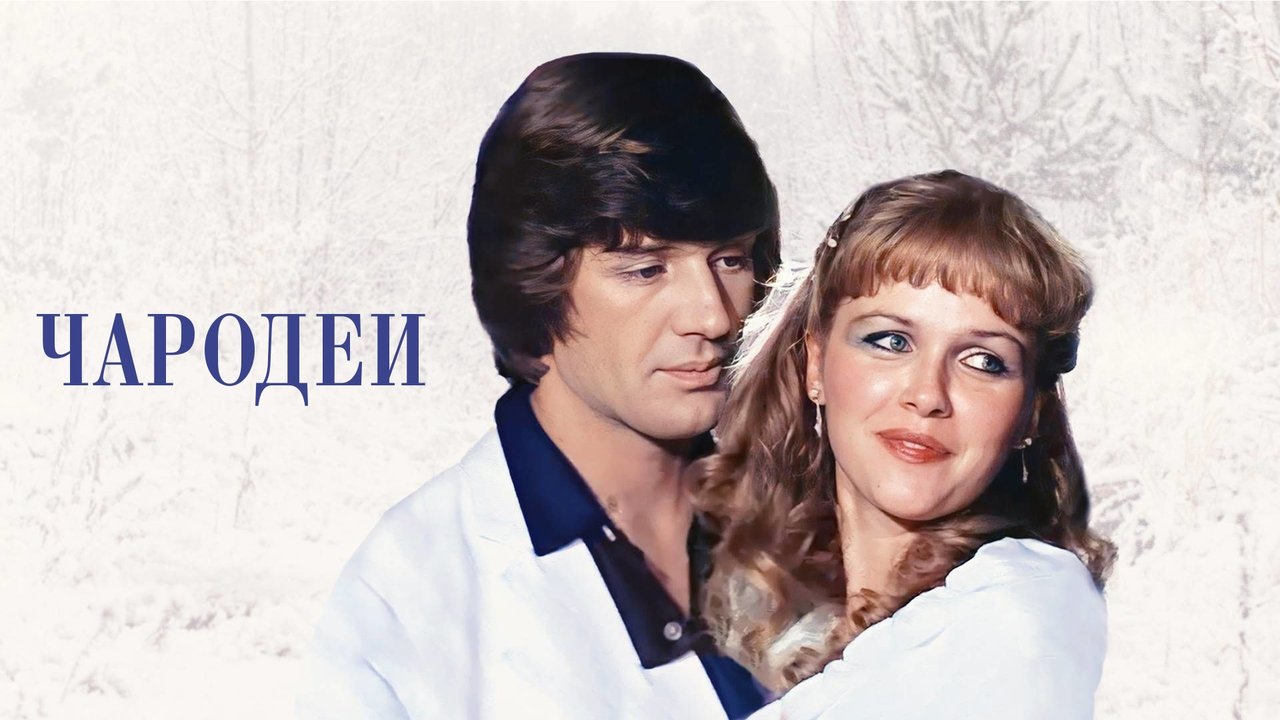
The English title "Magicians" likely aimed for a bit more intrigue on the international market, but the film's power lies not in sleight of hand, but in the psychological manipulation and brutal realities of spycraft. The 'magic' here is the calculated deception, the shifting loyalties, the masks worn by men who trade in secrets and lives. Director Lutz Büscher crafts a thriller that relies less on pyrotechnics – understandable given its TV movie origins – and more on simmering tension and character dynamics. It captures a specific mood, a kind of weary professionalism laced with constant threat, that defined many European thrillers of the period. You can almost feel the damp chill of a Berlin alleyway or the oppressive quiet of a clandestine meeting room.
A Trio of Cold War Warriors
What truly elevates Magicians beyond a standard procedural are its central performances. Siegfried Rauch, already a familiar face internationally from films like Patton (1970) and even a Bond appearance in The Spy Who Loved Me (1977), brings a grounded weariness to Martius. He embodies the experienced Western agent – pragmatic, perhaps a touch cynical, but ultimately driven by a sense of duty. His screen presence is undeniable; you believe this is a man who has seen too much. Opposite him, Christian Quadflieg, a major star on German television himself (often playing more heroic roles like in Der Landarzt), is excellent as the East German agent Bergström. He navigates the complexities of his position – caught between ideology and a dawning awareness of a shared threat – with nuanced skill. The chemistry between Rauch and Quadflieg, shifting from suspicion to grudging respect, forms the film's solid core.
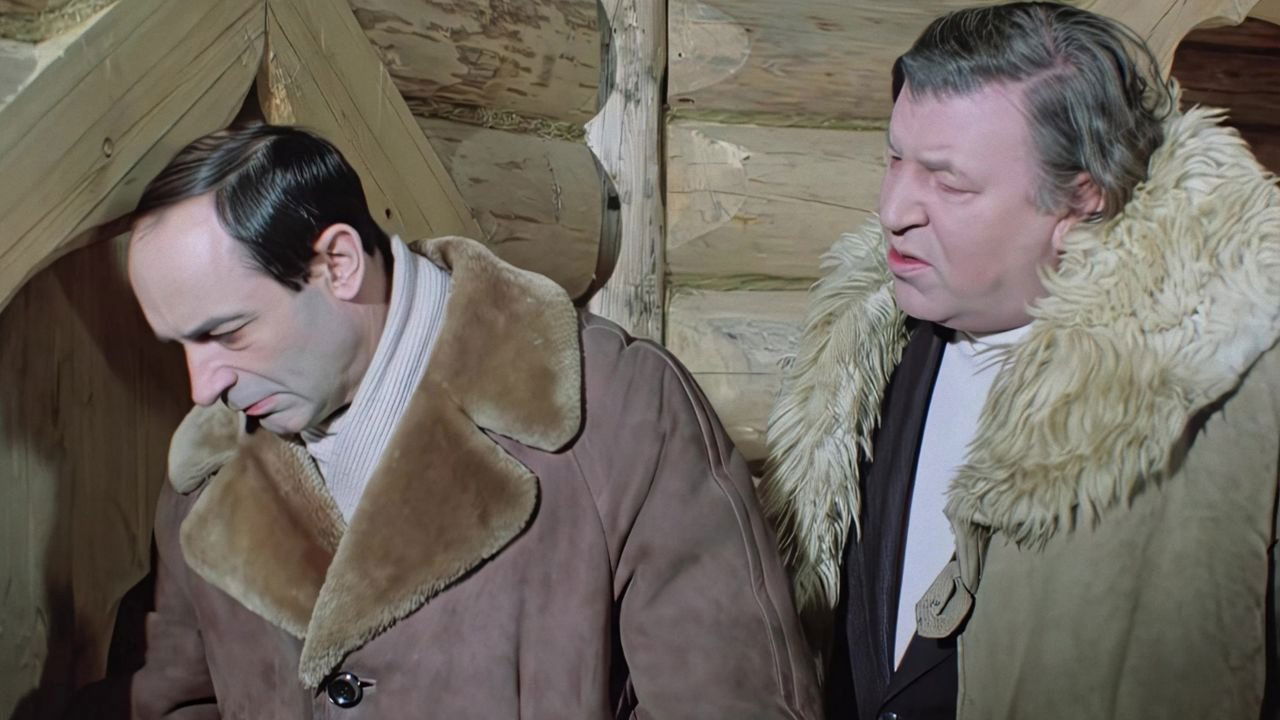
And then there's Wolfgang Kieling as Scarabis. Kieling, a veteran actor equally adept at projecting menace and intellect (audiences might remember him from Hitchcock's Torn Curtain (1966)), is perfectly cast. He isn't a cackling caricature but a cold, calculating force representing the dangerous opportunism that thrived in the Cold War's cracks. His presence lends the film genuine stakes. Reportedly, Kieling was known for intensely preparing for his roles, and even in this TV movie context, his commitment to portraying Scarabis as a credible, chilling threat shines through.
Made for the Box, Found on Tape
As a product of early 80s television, Magicians certainly shows its roots. The pacing can feel deliberate, the visual style functional rather than flashy. Don't expect Hollywood-level action sequences. The budget constraints are palpable, placing the emphasis squarely on Karl Heinz Willschrei's taut script and the actors' ability to convey suspense through dialogue and reaction. For some viewers today, this might feel dated. But for those of us who grew up exploring the varied landscape of VHS, there's a certain charm to this kind of focused, character-driven storytelling. It’s a reminder that compelling drama doesn't always need a blockbuster budget. Finding a copy of this, especially outside of Germany, probably felt like unearthing a rare import back in the day – a specific flavor of thriller distinct from its American or British counterparts.
The Lingering Chill
Magicians doesn't reinvent the espionage genre, but it executes its premise with intelligence and features performances that resonate. It offers a distinctly German perspective on the Cold War, less about geopolitical maneuvering and more about the individuals caught in its unforgiving machinery. The film asks uncomfortable questions about trust, the nature of enmity, and whether shared humanity can ever bridge the deepest divides. What happens when the lines blur, and yesterday's enemy becomes today's only hope? It’s a question that lingers long after the tracking lines finally settle.
Rating: 7/10
Justification: Magicians earns a solid 7 for its strong central performances, particularly from the seasoned trio of Rauch, Quadflieg, and Kieling, its effective Cold War atmosphere, and its intelligent, character-focused script penned by a genre veteran. While constrained by its TV movie budget and exhibiting some dated pacing typical of the era, it delivers a compelling and thoughtful espionage narrative that stands as a fascinating, if obscure, example of German television drama from the early 80s. It’s a rewarding find for enthusiasts digging deeper into the VHS vaults of European thrillers.
Final Thought: More hunter than illusionist, Magicians reminds us that the most convincing deceptions are often rooted in grim reality, a potent theme captured effectively within the specific anxieties of its time.