The sterile hum of fluorescent lights, the rhythmic ping of arrival, the silent glide between floors... mundane, isn't it? An elevator is background noise, a convenience. Until it isn't. Until the cables strain with malicious intent and the doors close like jaws. This is the chillingly ordinary terror that Dick Maas unleashed in 1983 with The Lift (De Lift), a slice of Dutch horror that proves dread can lurk in the most unexpected, everyday machinery. Forget haunted houses; here, the monster is welded steel and integrated circuits, hidden in plain sight within a gleaming, modern office tower.
### Up... Going Down?
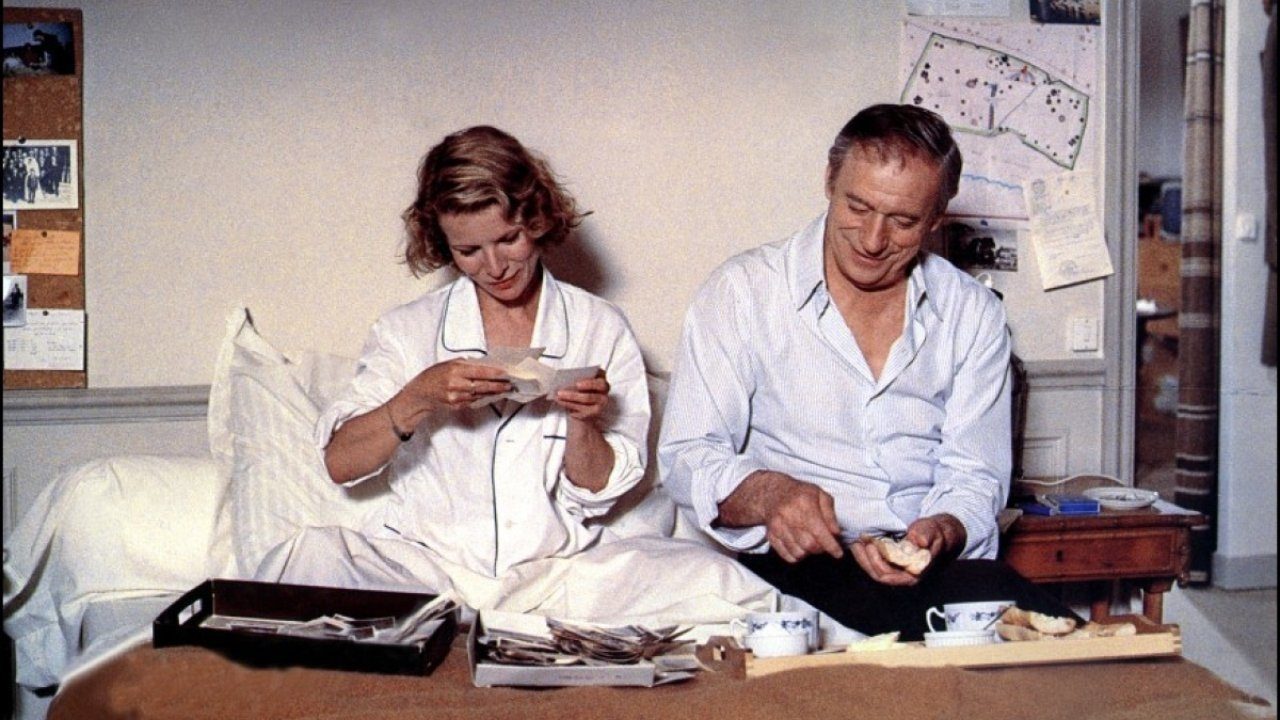
The premise is beautifully, terrifyingly simple: an elevator in a new high-rise begins malfunctioning in increasingly lethal ways. A late-night party ends with trapped revellers suffocating. A security guard is gruesomely decapitated (a practical effect sequence that likely paused many a VCR back in the day for a morbid rewind). Enter Felix Adelaar (Huub Stapel), a hangdog, slightly cynical elevator mechanic called in to diagnose the problem. He’s our everyman hero, a reluctant investigator facing off against corporate indifference, bureaucratic red tape, and, ultimately, something far more sinister than faulty wiring. Stapel, who would become a fixture in Maas's later work like the fantastic canal-chasing thriller Amsterdamned (1988), perfectly embodies the blue-collar worker just trying to do his job, increasingly unnerved by the mechanical malevolence he uncovers.
Maas, who not only directed but also wrote and even composed the unsettling electronic score (under the pseudonym Ted Raat), crafted The Lift on a remarkably tight budget – reportedly around ƒ750,000 Dutch guilders (roughly equivalent to $350-400k USD back then). He managed to secure funding partly off the back of his impressive short film Rigor Mortis, showcasing a knack for atmosphere and suspense that belied his limited resources. This low-budget ingenuity permeates the film, forcing a focus on tension and suggestion over constant spectacle, making the bursts of shocking violence all the more effective when they arrive.
### Mechanical Malevolence
What makes The Lift burrow under your skin isn't just the gore, but the atmosphere. The gleaming, soulless office building becomes a character in itself – all glass and steel modernity, yet harbouring a cold, calculating killer. Maas uses the architecture brilliantly, emphasizing the isolation within the towering structure. The elevator shaft becomes a dark abyss, the control room a potential brain centre for the mechanical beast. The film taps into that latent distrust of technology, the feeling that the complex systems we rely on could turn against us at any moment.
Alongside Stapel, we have Willeke van Ammelrooy as Mieke de Beer, a journalist from a gossip magazine who senses a bigger story. Her dynamic with Felix adds a touch of human connection amidst the rising body count, though their investigation often feels like stumbling through the dark against an implacable foe. The supporting cast embodies familiar archetypes – the skeptical police, the dismissive corporate suits – reinforcing Felix's isolation as the only one truly grasping the horrifying reality. It’s a structure reminiscent of Jaws (1975), with our hero trying to warn authorities about a predator they refuse to acknowledge until it's too late.
### Behind the Steel Doors
The practical effects, while showing their age in places, retain a certain visceral power. The aforementioned decapitation is jarringly effective, and other sequences involving crushing forces and suffocating confines leverage the inherent claustrophobia of the setting. You can almost feel the grind of metal, the snap of stressed cables. It’s a testament to the tactile nature of 80s horror effects – created with latex, hydraulics, and ingenuity, they often possess a physical weight that CGI struggles to replicate. Reportedly, achieving some of these effects on the limited budget required clever camera angles and editing, enhancing the sense of mechanical dread through suggestion as much as explicit depiction.
The Lift was a significant hit in the Netherlands, turning Dick Maas into a prominent director and making Huub Stapel a recognizable star. Its success even led Maas himself to direct an English-language remake, Down (2001, sometimes known as The Shaft), featuring James Marshall and Naomi Watts, with Stapel returning in a different role. While the remake had a bigger budget and slicker production, it arguably lost some of the original’s gritty, low-fi charm and palpable tension. There's something uniquely unnerving about the 1983 original's starker feel.
### Final Ascent
The Lift isn't perfect. The pacing occasionally lags, and some character motivations feel thin. Yet, its central concept is so strong, and Maas's execution of the suspense and horror set pieces so effective, that it remains a standout piece of 80s Euro-horror. It’s a film that takes a mundane fear – being trapped in an elevator – and cranks it up to a nightmarish, homicidal extreme. It taps into anxieties about unchecked technological advancement and corporate negligence, wrapping them in a chillingly effective B-movie package. Doesn't that simple, chilling premise still feel potent?
Rating: 7/10
Justification: The Lift earns its score through its brilliantly simple and effective premise, palpable atmosphere of dread, strong central performance from Huub Stapel, and memorable, practically achieved kill sequences. While held back slightly by pacing issues and some thin supporting characters typical of the budget and era, its core concept and Dick Maas's confident direction create a uniquely unsettling experience. It's a prime example of doing a lot with a little, delivering genuine chills from an everyday object.
Final Thought: For those of us who haunted video store shelves, The Lift was one of those distinctively unsettling European titles that promised something different, something colder and stranger than its American counterparts. It’s a reminder that true horror can be found not just in the supernatural, but in the cold, indifferent hum of the machines we build. Next time you step into an elevator alone... maybe take the stairs.