Some films don't just show you the underworld; they press you down into it, letting you feel the grime under your fingernails and the cold knot of fear tightening in your stomach. Bob Swaim's 1982 French thriller La Balance does exactly that. It arrived like a jolt in the early 80s, a gritty, unvarnished look at the symbiotic, often poisonous relationship between Parisian police and their informants, a world away from the glossy action flicks starting to dominate American screens. Finding this one tucked away in the 'Foreign' section of the local video store back in the day felt like uncovering something vital, something uncompromisingly real.
### The Squeeze
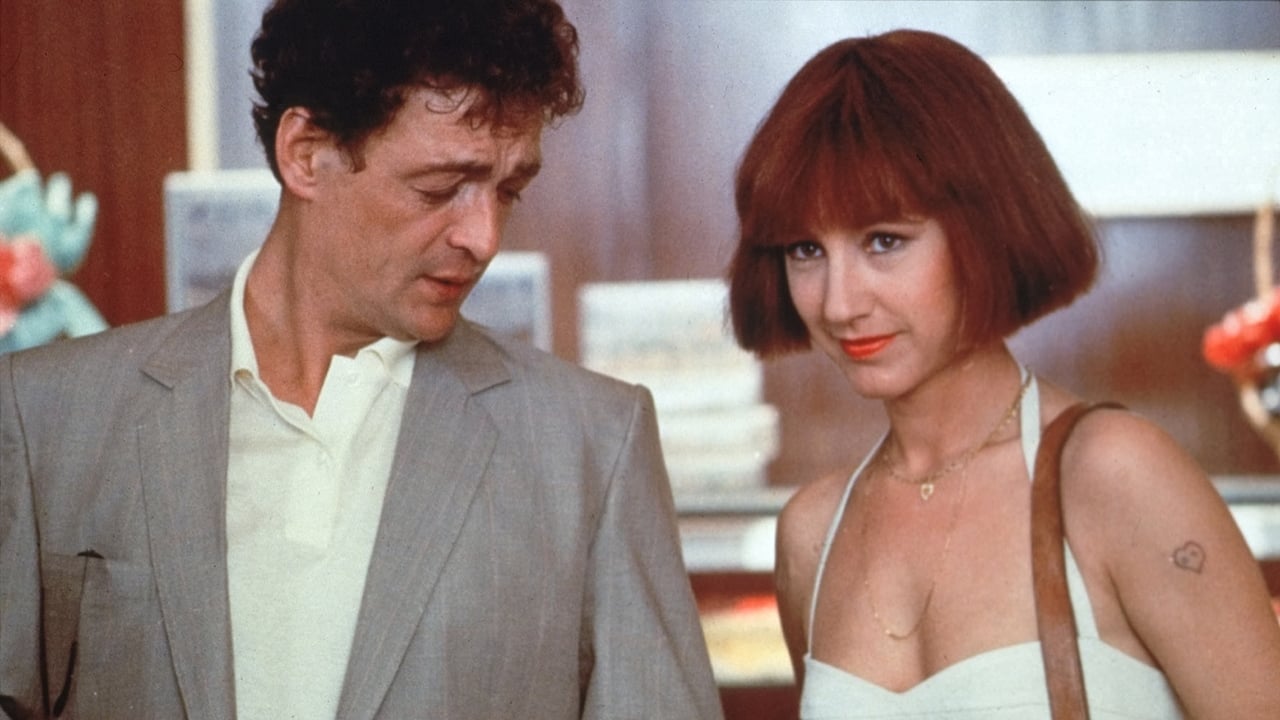
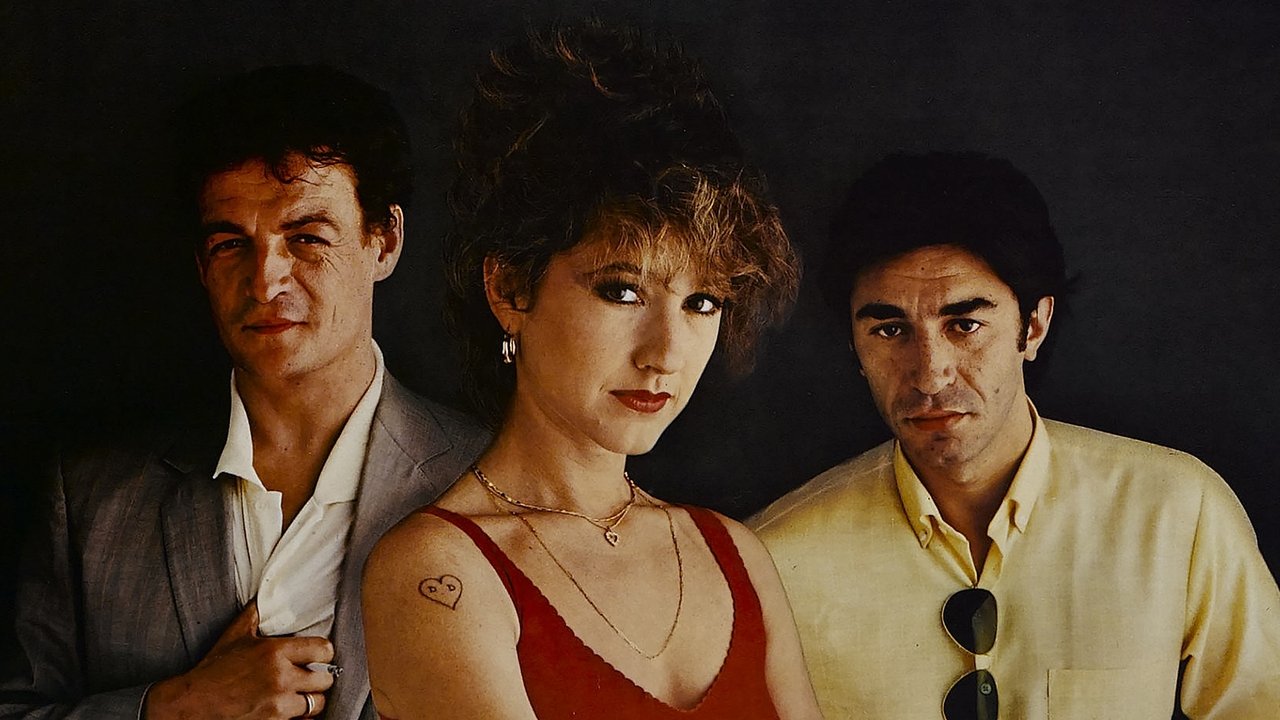
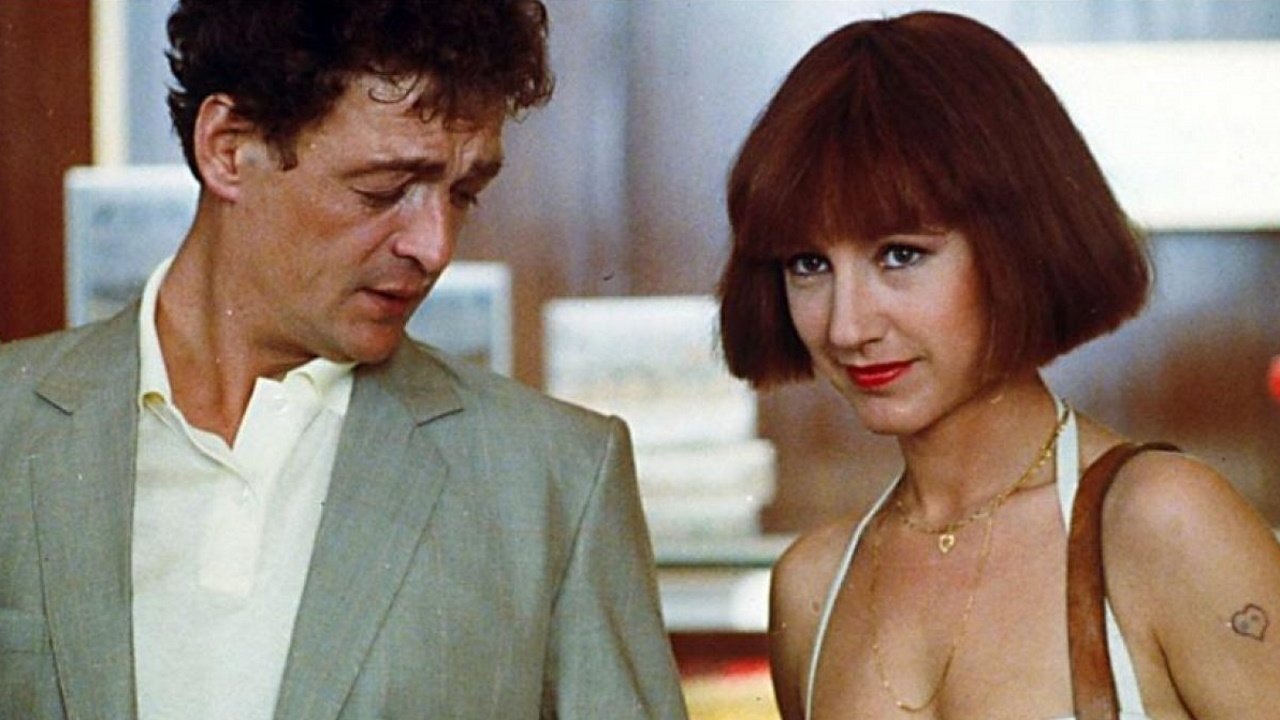
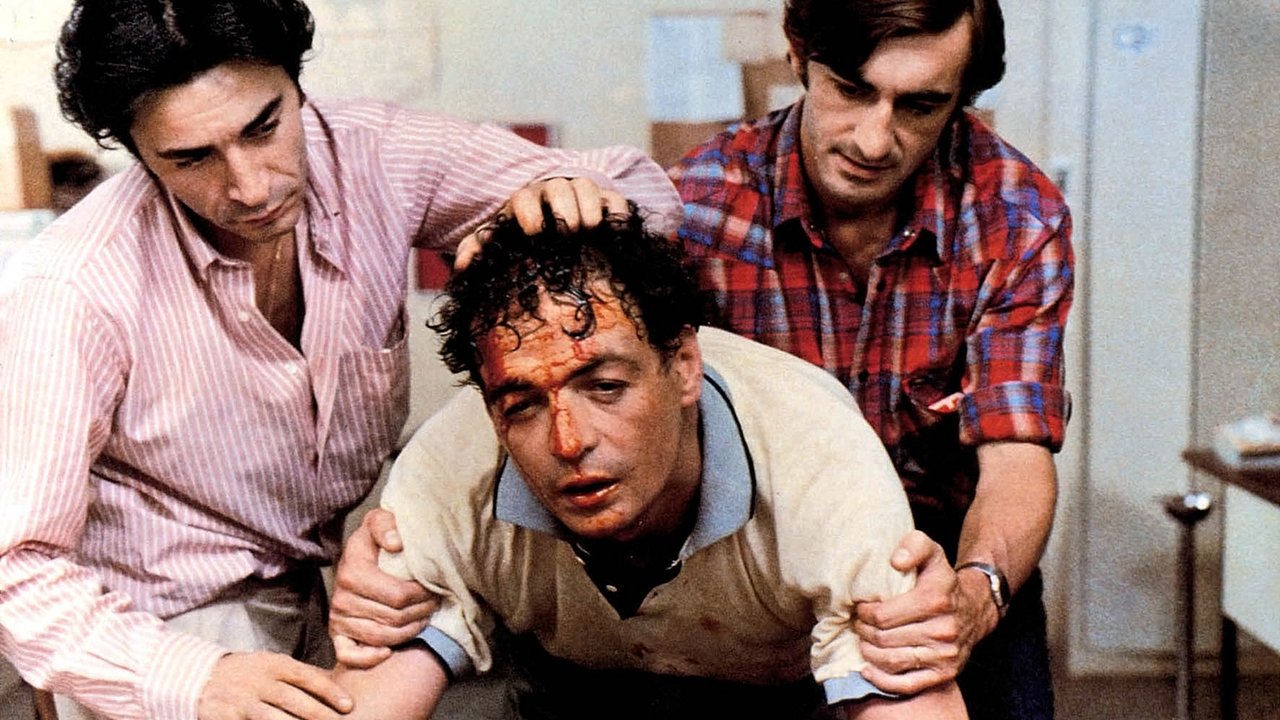
At its core, La Balance (which translates literally to "The Scale" but colloquially means "The Informer" or "The Snitch," and also refers to a specific police tactic) is about pressure. When a key informant is killed, ambitious police inspector Palouzi (Richard Berry) needs a replacement, fast. His sights land on Dédé (Philippe Léotard), a weary, small-time pimp, and his street-smart prostitute girlfriend, Nicole (Nathalie Baye). Palouzi doesn't ask; he leans. He applies relentless, suffocating pressure, aiming to force Dédé into betraying a dangerous gang leader, Massina (Maurice Ronet, in one of his final roles). The film masterfully captures the claustrophobia of their situation – caught between the ruthlessness of the cops and the deadly vengeance of the criminals, with no way out.
### Faces Etched with Reality

What elevates La Balance beyond a standard crime procedural is the raw authenticity of its central performances. Nathalie Baye, who rightly won the César Award for Best Actress for this role, is simply extraordinary. Her Nicole isn't just a victim; she’s resilient, intelligent, fiercely loyal to Dédé, yet achingly vulnerable beneath the hardened exterior. Baye communicates volumes with just a flicker in her eyes or the tension in her shoulders. You feel her desperation, her fading hope, her fierce will to survive in a world that offers her few choices. It’s a performance devoid of vanity, etched with the harsh realities of her life.
Equally compelling is Philippe Léotard, who also snagged a Best Actor César. His Dédé is a man visibly crumbling under the weight of his predicament. He’s not a tough guy, not really; he’s operating on frayed nerves, his loyalty to Nicole warring with his instinct for self-preservation. Léotard embodies this exhaustion, this sense of being trapped, making Dédé tragically relatable even in his compromises. And Richard Berry as Palouzi is chillingly effective – not as a snarling villain, but as a focused professional who views people as assets or obstacles, his methods justified by the need for results. His calm intensity is perhaps more frightening than overt menace.
### Paris Without Polish
Director Bob Swaim, an American filmmaker working in France, brought a unique perspective. He sidestepped the romantic postcard image of Paris entirely, plunging us instead into the gritty, working-class neighborhoods of Belleville. The cinematography feels immediate, almost documentary-like at times, favouring handheld shots and natural light that enhance the sense of realism. Swaim, who also co-wrote the script, reportedly spent considerable time researching Parisian police methods, interviewing officers and learning about the balance tactic – essentially setting up a situation to force a target into becoming an informant. This grounding in reality gives the film its undeniable power.
It’s fascinating trivia that Swaim, an American, directed what would become such a defining French crime film. La Balance wasn't just a critical darling; it was a commercial smash in France and swept the Césars, winning Best Film and Best Director in addition to the acting awards for Baye and Léotard. This kind of sweep speaks volumes about how deeply the film resonated with French audiences, perhaps recognizing a truth in its portrayal of the complex, morally grey dance between law enforcement and the criminal element. While it received a US release, its impact was arguably felt more profoundly in its homeland, revitalizing the polar genre with its stark realism.
### The Weight That Lingers
Watching La Balance today, perhaps on a format far removed from the worn VHS tape I first saw it on, its power hasn't diminished. The specific details of 80s Paris – the cars, the clothes, the smoky bars – anchor it in time, but the core human drama feels timeless. It asks uncomfortable questions about the price of justice, the means justifying the ends, and the devastating consequences when ordinary people get caught in the gears of the system. What choices would we make under that kind of pressure? Doesn't the desperation felt by Nicole and Dédé echo in the struggles of marginalized people even now?
The film isn't conventionally "entertaining" in the way of a blockbuster; it’s tense, often bleak, and forces you to confront unpleasant truths. But its honesty, its atmosphere, and the unforgettable performances make it utterly compelling. It’s a stark reminder that the most gripping stories are often found not in grand heroics, but in the quiet desperation and difficult choices of everyday lives pushed to the brink.
Rating: 9/10
This score is earned through the film's exceptional, award-winning performances that feel devastatingly real, Bob Swaim's taut direction and commitment to gritty realism, and its unflinching portrayal of the moral compromises inherent in crime and policing. It's a landmark French polar that avoids easy answers.
La Balance stays with you, leaving behind not the thrill of the chase, but the heavy weight of lives caught in an impossible bind. A true gem from the era, uncompromising and unforgettable.