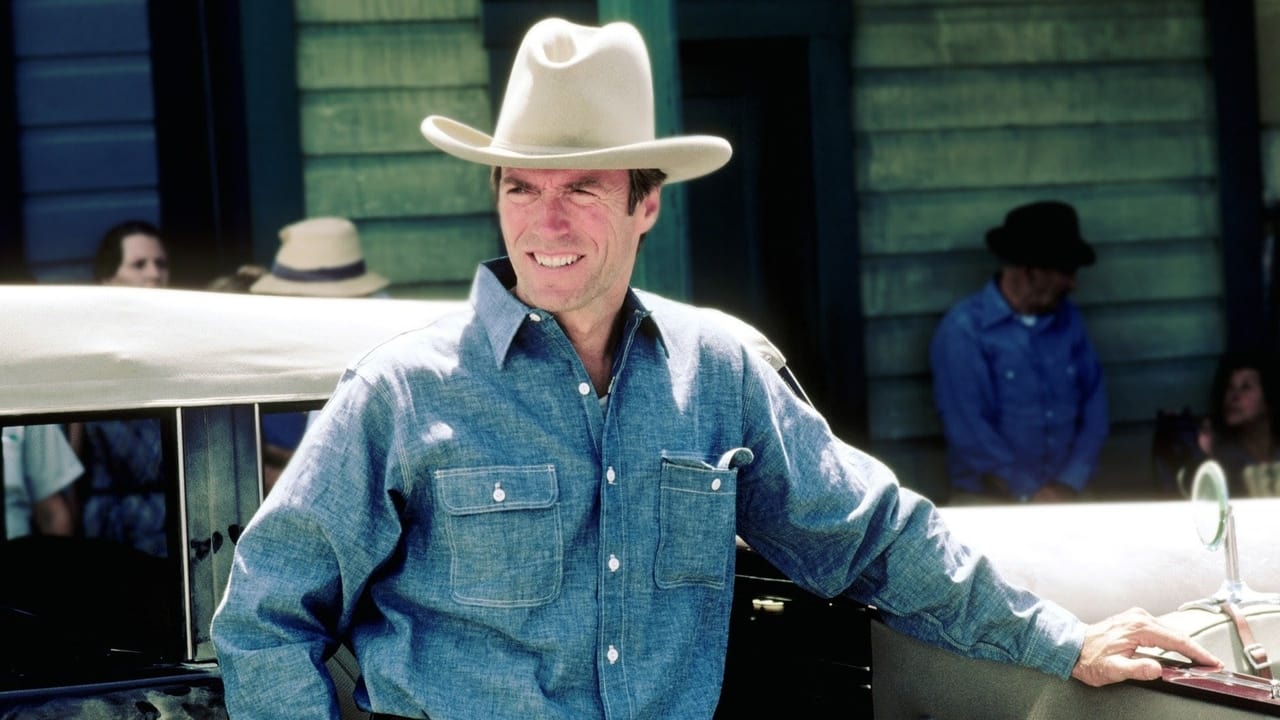
There's a certain kind of quiet ache that settles in after watching some films, a feeling less like sadness and more like a deep, resonant chord struck somewhere inside. It’s the feeling Clint Eastwood’s Honkytonk Man (1982) leaves you with, long after the VCR clicks off and the screen fades to static blue. This wasn't the Eastwood most audiences were flocking to see back then – no squinting gunslinger, no maverick cop. Instead, we got something rarer, more fragile: a portrait of a flawed dreamer coughing his way towards a final chance, set against the dusty backdrop of the Great Depression.
A Dusty Road to Nashville
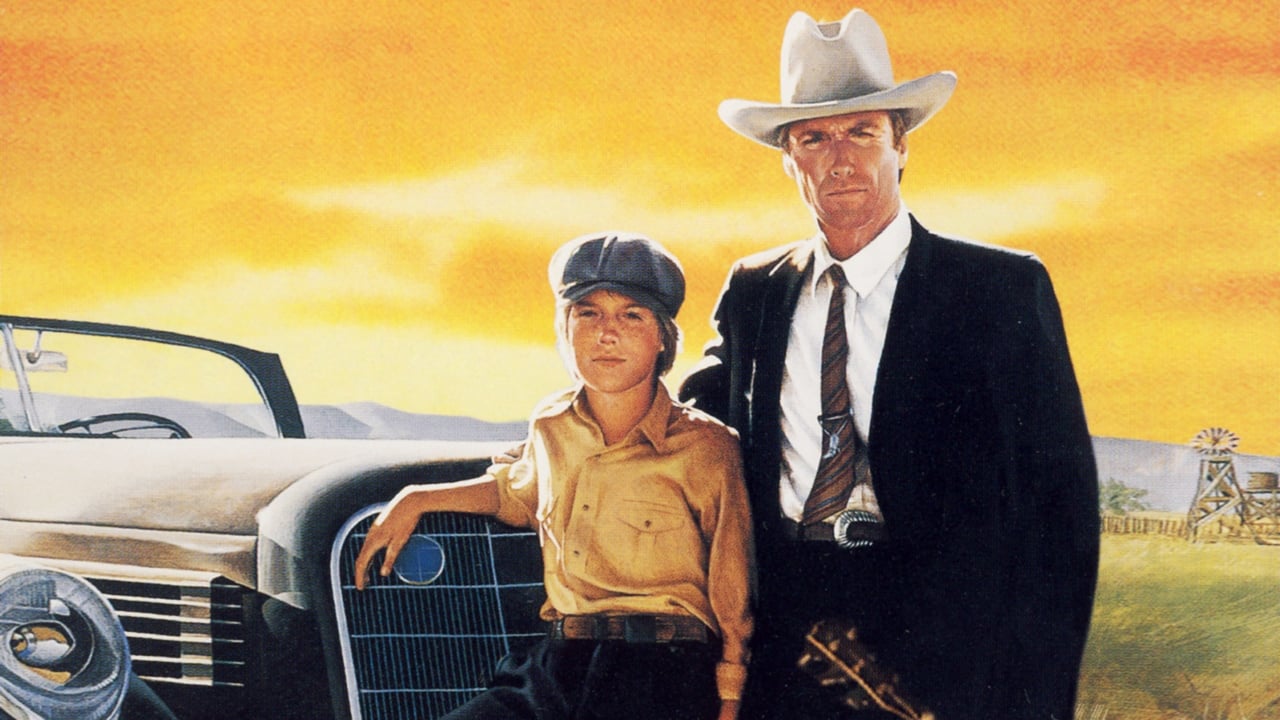
The premise feels almost like a country ballad itself. Red Stovall (Clint Eastwood), a guitarist and singer whose talents are increasingly drowned out by alcohol and worsening tuberculosis, gets an invitation to audition for the Grand Ole Opry. Seeing it as his last shot at something resembling immortality, he sets off from Oklahoma towards Nashville. Accompanying him, initially just for part of the way, is his young nephew, Whit (Kyle Eastwood, Clint's actual son in his acting debut). Their journey in a dilapidated Lincoln becomes the heart of the film – an episodic road trip punctuated by run-down bars, makeshift camps, encounters with colorful characters, and the ever-present shadow of Red's failing health.
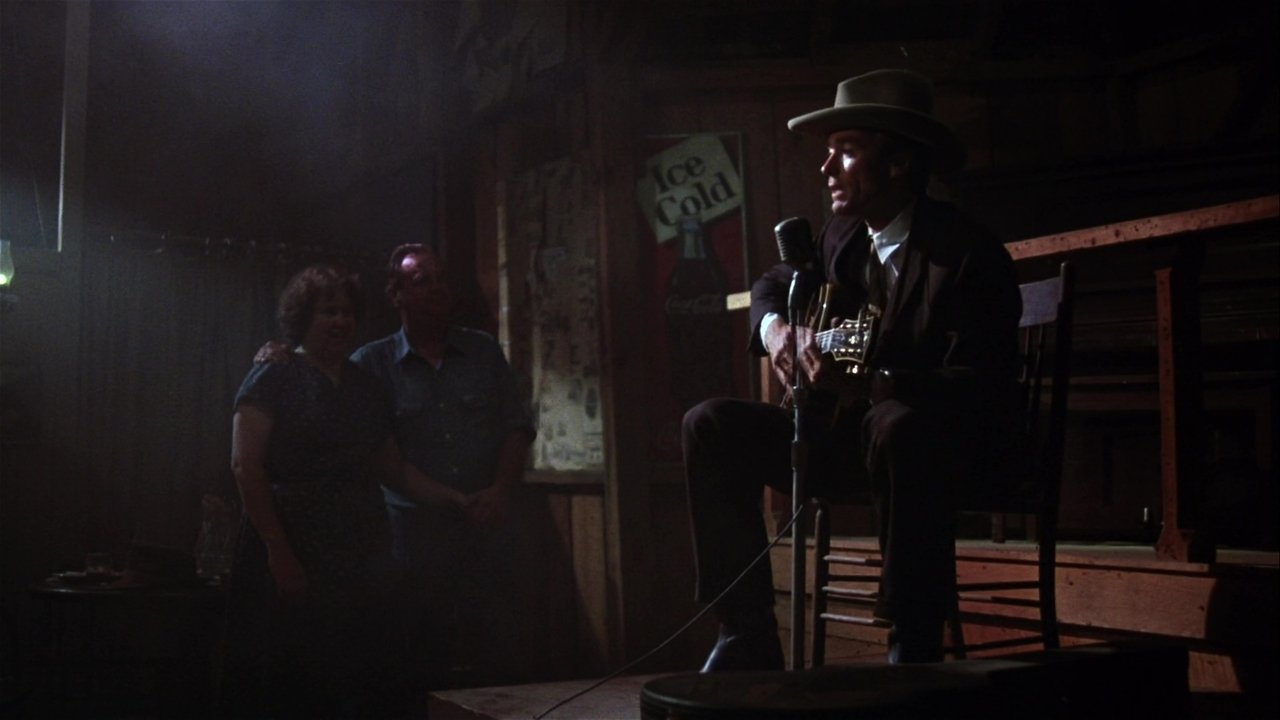
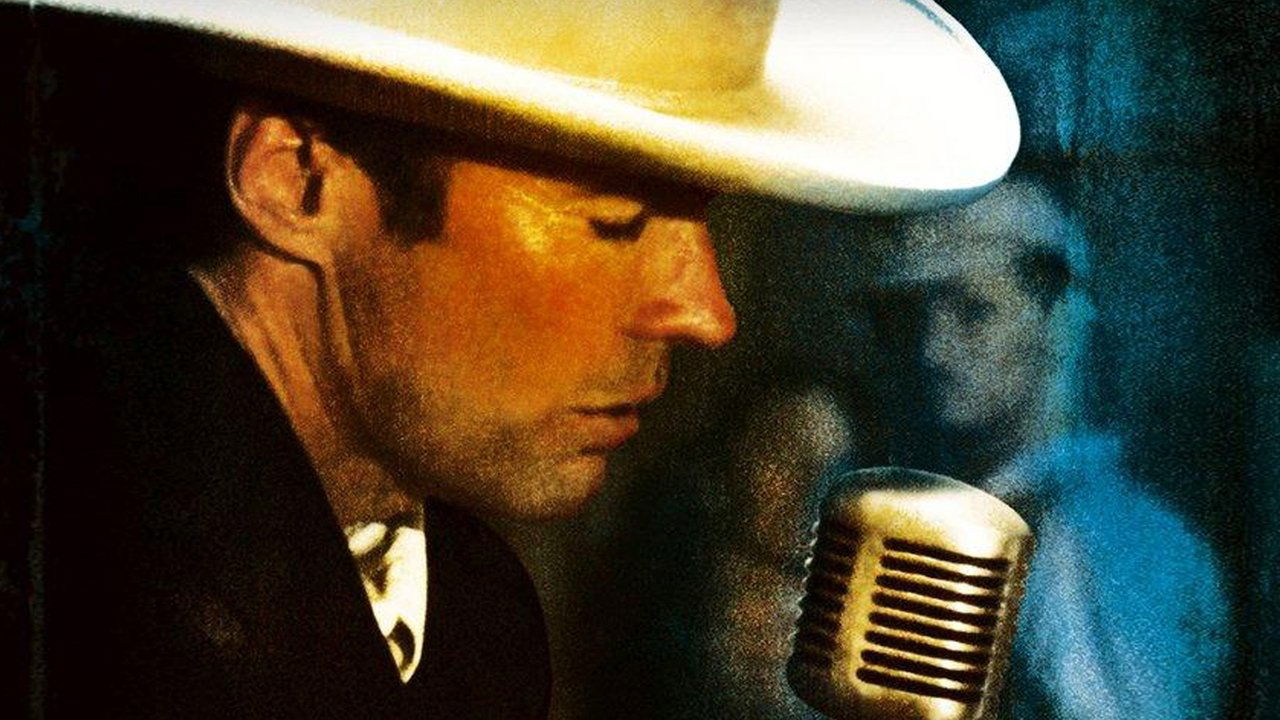
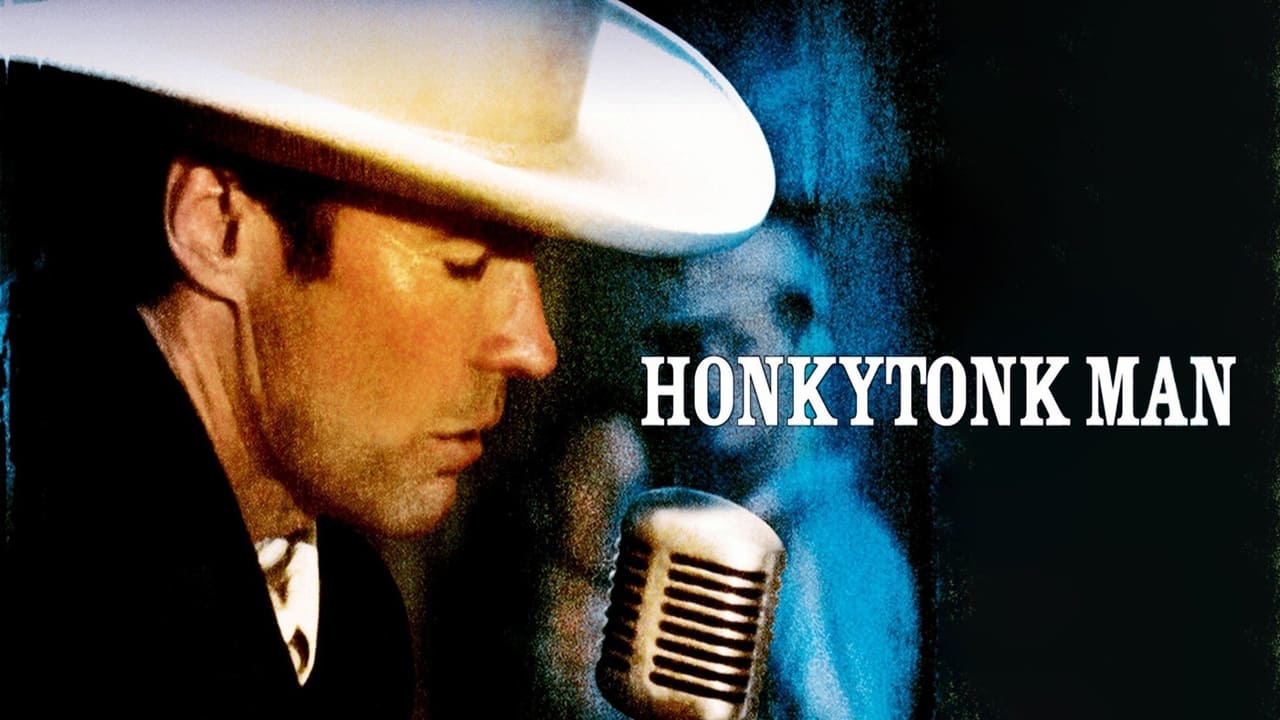
Eastwood, directing himself, brings a surprising vulnerability to Red. We see glimpses of the charm and talent that must have once burned bright, now flickering precariously. He's frustrating, self-destructive, yet possessed of a certain integrity, particularly in his growing bond with Whit. It's not a showy performance, relying instead on weary sighs, moments of quiet desperation, and the raw honesty in his voice when he sings. Speaking of which, Eastwood performed his own vocals for the film, lending an authenticity to Red's musical aspirations. While perhaps not a technically brilliant singer, his delivery perfectly suits the character – world-worn, heartfelt, tinged with regret. The signature song, "Honkytonk Man," actually became a minor country hit for Marty Robbins that same year, though Eastwood's version anchors the film's soul.
Generations on the Road
The casting of Kyle Eastwood as Whit was more than just a familial novelty; it grounds the film's central relationship. There's an unforced, natural quality to their interactions. Whit is our eyes and ears, observing his uncle's slow decline while also experiencing a coming-of-age journey across a landscape scarred by hardship. He learns about music, about disappointment, and about the complex, often contradictory nature of adults. The film never pushes the sentimentality too hard; their bond develops organically through shared experiences, small gestures, and unspoken understanding. Kyle, now a respected jazz bassist, showed early hints of a quiet screen presence here, holding his own opposite his famous father.
Adding immense weight to the journey is the presence of veteran actor John McIntire as Grandpa. In what would sadly be his final film role, McIntire embodies the pragmatic resilience of a generation that has weathered storms literal and figurative. His scenes provide a grounding counterpoint to Red's often reckless pursuit of his dream. There’s also a memorable turn by the vibrant Alexa Kenin as Marlene, a young woman briefly swept up in Red’s orbit, whose tragic real-life passing just a few years later adds another layer of poignancy when revisiting the film.
Capturing a Feeling, Not Just an Era
Eastwood, the director, approaches the material with a patient, observational style. He lets the story unfold at its own pace, mirroring the slow, often meandering journey across the country. Working from Clancy Carlile's semi-autobiographical novel, the film prioritizes atmosphere and character over intricate plotting. Shot largely in dusty California and Nevada locations standing in for the Depression-era South, cinematographer Bruce Surtees (a frequent Eastwood collaborator) captures the parched landscapes and dimly lit interiors with a muted beauty. The production design subtly evokes the period without feeling overly staged. You can almost taste the dust, feel the oppressive heat.
It's interesting to remember this film arriving amidst the flashier escapism often dominating early 80s cinema. Honkytonk Man felt different then, and it still does. It was a personal project for Eastwood, reportedly made for a relatively modest budget (around $4 million). While not a box office smash like his action vehicles, its quiet power resonated with those willing to tune into its frequency. It earned generally positive notices, though some critics seemed unsure what to make of this gentler, more somber Eastwood. For those of us who rented it back in the day, perhaps nestled between louder, more explosive fare on the video store shelf, it offered a surprising depth and emotional resonance. I recall the distinctive wear on the rental tape box, suggesting it wasn't gathering dust, but finding its audience quietly.
The Lingering Melody
What truly sticks with you is the film’s bittersweet exploration of dreams and mortality. Is it better to chase a dream, even if it hastens your end, or to fade away quietly? Red Stovall chooses the former, pursuing that Opry audition with a desperate, almost fatalistic energy. The film doesn't offer easy answers, but it respects the yearning for significance, for leaving some mark on the world, even if it's just a song sung in a smoky bar or hummed by a nephew years later. Doesn't that drive resonate, regardless of the era?
Honkytonk Man isn't about grand triumphs; it's about small moments of grace found amidst hardship, the enduring power of music, and the indelible bonds formed on life's difficult roads. It’s a film that asks you to sit with its characters, to feel their hopes and heartbreaks without melodrama.
Rating: 8/10
This score reflects the film's quiet strength, its authentic performances (especially from both Eastwoods and McIntire), and its beautifully rendered atmosphere. It earns its emotional weight through understatement and sincerity rather than manipulation. While its leisurely pace might test some viewers expecting typical Eastwood fare, its poignant themes and heartfelt character study make it a deeply rewarding watch, a standout personal piece in a legendary filmmaker's career.